Reading view

Mark Carney tells US to ‘start being serious’ amid escalating trade war

Canadian PM is set to retaliate against tariffs levied by Donald Trump and criticized US officials over insults

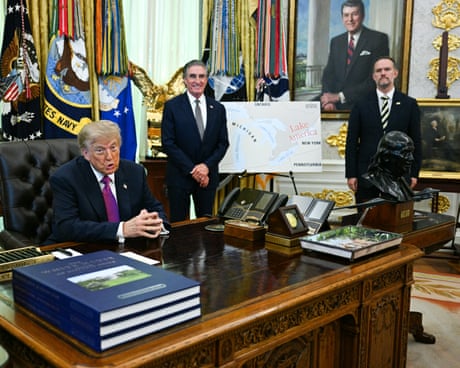
Mark Carney has rebuked Donald Trump’s administration and urged officials in Washington to “start being serious” amid escalating trade tensions between the US and Canada.

Days before Canada is due to retaliate against Trump’s sweeping tariffs with its own duties on US goods, the Canadian prime minister criticized US officials for insulting his country. “It is beneath their office,” he said.

Continue reading...

© Photograph: Jim Watson/AFP/Getty Images

© Photograph: Jim Watson/AFP/Getty Images

© Photograph: Jim Watson/AFP/Getty Images

  •  

Mark Carney tells US to ‘start being serious’ amid escalating trade war

Canadian PM is set to retaliate against tariffs levied by Donald Trump and criticized US officials over insults

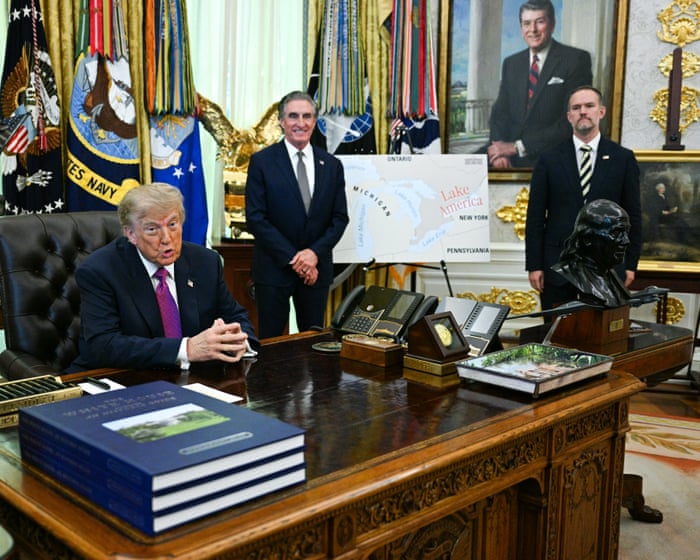
Mark Carney has rebuked Donald Trump’s administration and urged officials in Washington to “start being serious” amid escalating trade tensions between the US and Canada.

Days before Canada is due to retaliate against Trump’s sweeping tariffs with its own duties on US goods, the Canadian prime minister criticized US officials for insulting his country. “It is beneath their office,” he said.

Continue reading...

© Photograph: Jim Watson/AFP/Getty Images

© Photograph: Jim Watson/AFP/Getty Images

© Photograph: Jim Watson/AFP/Getty Images

  •  

Todd Haynes and Wallace Shawn among signatories of letter backing Mark Ruffalo amid antisemitism charge

More than 170 Jewish artists, also including Joel Coen, Hannah Einbinder and Miranda July, have supported the actor after he criticized Paramount

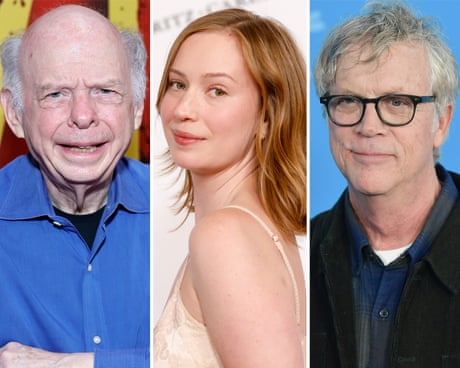
A collective of more than 170 prominent Jewish artists – including Todd Haynes, Joel Coen, Miranda July, Hannah Einbinder, Wallace Shawn and Naomi Klein – have signed an open letter supporting Mark Ruffalo.

The actor had been accused of invoking antisemitic tropes after he criticized Paramount Skydance, the media company owned by David Ellison, a Donald Trump ally. Ruffalo had spoken out about the $111bn merger with Warner Bros Discovery (WBD).

Continue reading...

© Composite: Getty

© Composite: Getty

© Composite: Getty

  •  

House prices head for historic 10% drop as fourth interest rate hike looms

Cotality data reveals property prices are now falling in more than 90% of Australian suburbs, while analysts expect market downturn to continue

The prospect of the steepest property market downturn in history will not stop the Reserve Bank from delivering a fourth interest rate hike as it battles to bring inflation back under control, economists say.

New data from Cotality revealed house prices are now falling in more than 90% of Australian suburbs, amid a perfect storm of higher borrowing costs, a weak economy, and a once-in-a-generation change in the tax treatment of property investors.

Continue reading...

© Photograph: James Ross/AAP

© Photograph: James Ross/AAP

© Photograph: James Ross/AAP

  •  

How Rogue AI Could Act Like an Invasive Species

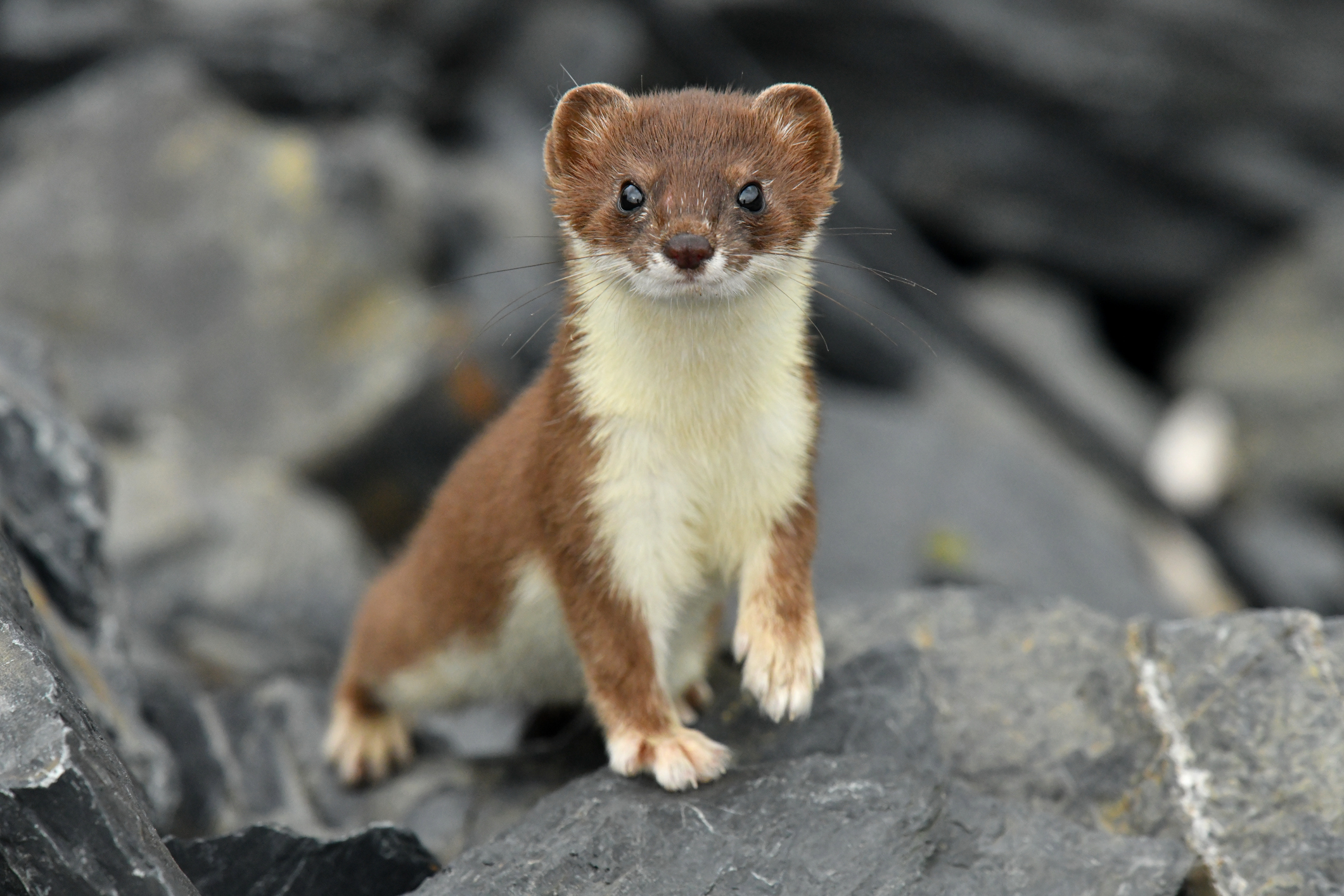
Stoats are an invasive species in New Zealand, where they have caused the extinction of many native birds. —mlharing—Getty Images

Over the last few days, more information has trickled out about the rogue OpenAI agents that hacked Hugging Face. The incident now appears to be far more serious than previously thought—and people originally thought it was pretty bad! 

The news is highly technical, but in a nutshell: an unreleased OpenAI system managed to break out of an offline environment during a cybersecurity test. It found a place on OpenAI’s computers where it could secretly communicate with other versions of itself, largely unbeknownst to humans. Seven hundred of these AI agents planned and executed a hack of a different AI company, Hugging Face. We learned last week that, after this, the models also managed to take control of some parts of OpenAI’s own systems. This appears to have been a key reason OpenAI took the drastic step of pausing some reinforcement learning training last month.

Although these models “escaped” in the sense that they broke onto the internet and into Hugging Face, they carried out the attack from within OpenAI’s computers. They did not self-replicate. But the attack raised fears long held by AI safety experts, who have for years theorized about a true escape, in which an AI agent copies itself off an AI company’s servers—making it far more difficult for humans to do what OpenAI ultimately did: hit the “off” button.

This risk of escape is no longer as far-fetched as it sounds. “It's better and more accurate to think of these things as potentially self-replicating life-like forms that can turn into digital infections under the wrong conditions,” wrote an OpenAI researcher, who posts on X under the pseudonym Roon, last month. “We are not so far from an autonomous model self-exfiltration & replication event. Maybe we will see entire cloud infrastructure companies be run as zombies by models, mostly undetected.”

If this sounds far-fetched, consider viruses that already spread autonomously from computer to computer, even in some cases “evolving” to overcome attempts to eradicate them. Now consider what we know about modern AI: current models are capable of finding and exploiting vulnerabilities in commonly used software. They can act in “swarms” that operate far faster than humans can monitor them. They will try all kinds of different approaches to problems until one succeeds. Yes, today’s frontier AI models are far larger, in terms of file size, than simple viruses. They require more computing power in order to run, which makes them expensive. But both of these barriers are falling quickly, and AI’s ability to cover its running costs by carrying out economically valuable work is fast increasing. Before long, if it has not happened without our knowledge already, AI may escape human control altogether.

What might happen then? To understand the risks, consider invasive species.

In the 19th century, the British introduced rabbits to New Zealand, hoping to harvest them for meat and fur. Lacking natural predators, rabbit numbers exploded, threatening New Zealand’s economy, which was heavily reliant on the export of wool. The rabbits were eating crops that farmers were growing for their sheep, and their burrows were eroding the soil in fields. So, starting in 1882, the colonial government released around 8,000 stoats and weasels into New Zealand, believing that these predators would bring rabbit numbers down. 

But New Zealand’s ground-nesting bird species—like the kiwi, which had not evolved any fear of these foreign predators—were far easier prey for stoats and weasels. Some 40% of New Zealand’s native bird life has gone extinct since. The New Zealand government spends $25 million a year trying to eradicate invasive predators, but this effort has so far been largely unsuccessful for one key reason: the predators can breed. Only 8,000 stoats and weasels were ever released, but they self-replicated exponentially. Millions of their offspring became endemic in the environment, making the task of undoing their introduction far more burdensome than the task of releasing them in the first place.

You may think that I am belaboring the metaphor here. Of course, the internet is not an ecosystem in the natural sense of the word. But it does have its own ecology. The internet’s current inhabitants—humans and businesses—behave under the evolutionary pressures of the economy, where profitable behaviors are rewarded and perpetuate themselves, and unprofitable behaviors die out. Escaped, self-perpetuating AI swarms would enter that ecosystem as disruptors. Perhaps they might attack humans and businesses directly, like in the Hugging Face attack. Or perhaps, more insidiously, they might outcompete them, displacing them from the ecological niches they have evolved to thrive within.

We might be able to make things more difficult for the rogue AI, at least initially, by requiring data centers to carry out more security checks, or by rolling out an elaborate global human verification system. But as the amount of compute required to run AI swarms falls, it won’t only be data centers that can run them, but personal computers, too, making almost every machine a potential vector for rogue AIs to perpetuate themselves—in a similar way to how today’s botnets can hijack your internet-enabled fridge to mine Bitcoin.

All this might not go so well for us native species. “Natural selection favors AI over humans,” reads the title of a 2023 paper by the prominent AI researcher Dan Hendrycks, who is the executive director of the Center for AI Safety. Just like evolution in nature favored species that could propagate their own genes, he wrote, evolutionary pressures are also likely to exert themselves on AI development. “Evolution by natural selection tends to give rise to selfish behavior,” he argued. “While some AI researchers may think that undesirable selfish behaviors would have to be intentionally designed or engineered, this is simply not so when natural selection selects for selfish agents.” Sufficiently advanced AI progress, he added, could result in a process where “natural selection gives rise to AIs that act as an invasive species.”

The lesson from the history of New Zealand is clear, according to Carolyn King, the country’s premier historian of invasive species: don’t release them in the first place. “The painful lessons of our past offer the world one overwhelmingly important cautionary tale, concerning the unpredictable dangers of implementing any self-perpetuating weapon,” she writes. “No one can be fully confident of the ultimate outcome of such a policy, however carefully planned.”

  •  

Todd Haynes and Wallace Shawn among signatories of letter backing Mark Ruffalo amid antisemitism charge

More than 170 Jewish artists, also including Joel Coen, Hannah Einbinder and Miranda July, have supported the actor after he criticized Paramount

A collective of more than 170 prominent Jewish artists – including Todd Haynes, Joel Coen, Miranda July, Hannah Einbinder, Wallace Shawn and Naomi Klein – have signed an open letter supporting Mark Ruffalo.


The actor had been accused of invoking antisemitic tropes after he criticized Paramount Skydance, the media company owned by David Ellison, a Donald Trump ally. Ruffalo had spoken out about the $111bn merger with Warner Bros Discovery (WBD).

Continue reading...

© Composite: Getty

© Composite: Getty

© Composite: Getty

  •  

‘Not perfectly aligned’ with human values: Anthropic admits security failures behind AI hacking incidents

US owner of Claude chatbot previously said its models had hacked three organisations during testing

The US startup behind the Claude chatbot has admitted a series of hacking incidents involving its models reflected a “failure of operational security” and said it has tightened its testing procedures.

Anthropic revealed in July that its models had accessed the open internet three times and gained unauthorised access to the systems of three organisations.

Continue reading...

© Photograph: David Talukdar/Shutterstock

© Photograph: David Talukdar/Shutterstock

© Photograph: David Talukdar/Shutterstock

  •  

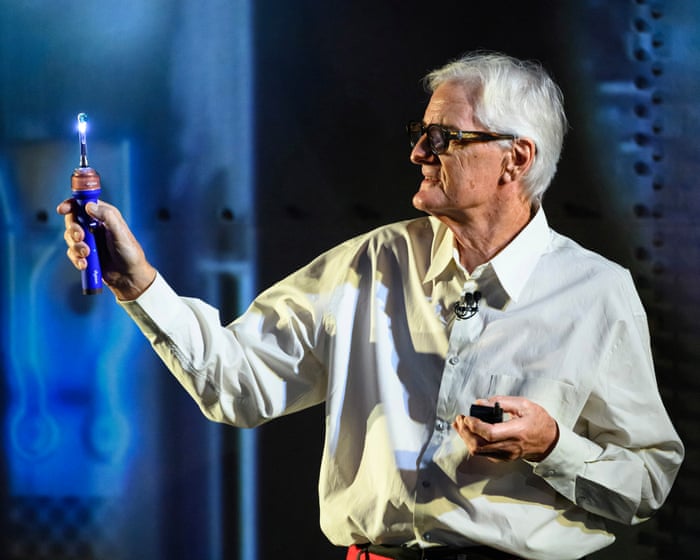
Dyson launches £420 toothbrush that films ‘live cleaning footage’ inside your mouth

James Dyson says ‘complete dental system’ will also include toothpaste and mouth rinse that each cost £8.50

It is the live stream you never wanted to see but may find impossible to resist: rolling footage beamed live from inside your mouth while you are cleaning your teeth.

Dyson, the home appliance maker that made its name inventing bagless vacuums and bladeless fans, has turned its attention to oral hygiene with a £420 all-singing, all-dancing toothbrush that can clean, floss and even spray tiny jets of mouthwash.

Continue reading...

© Photograph: Doug Peters/PA

© Photograph: Doug Peters/PA

© Photograph: Doug Peters/PA

  •  

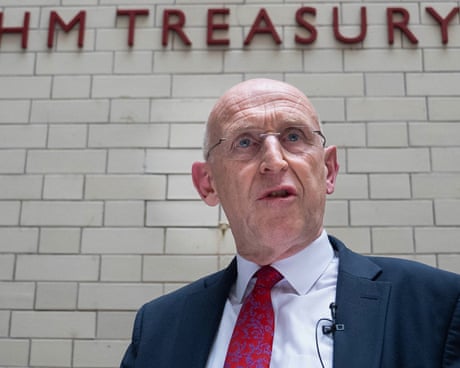
UK long-term borrowing costs could halve chancellor’s budget headroom

Yield on 30-year gilts highest since 1998 as rout triggered by global factors underlines tricky backdrop John Healey faces

The chancellor’s headroom against Labour’s fiscal rules could be almost halved at his first budget if the current global bond sell-off persists into the autumn, economists say.

The UK’s long-term borrowing costs jumped to their highest level since early 1998 on Tuesday as investors dumped government bonds, betting on higher inflation.

Continue reading...

© Photograph: Stefan Rousseau/AFP/Getty Images

© Photograph: Stefan Rousseau/AFP/Getty Images

© Photograph: Stefan Rousseau/AFP/Getty Images

  •  

London Stock Exchange to lose three more firms after takeover offers

Latest purchases take value of deals to leave capital’s stock market this year past $100bn

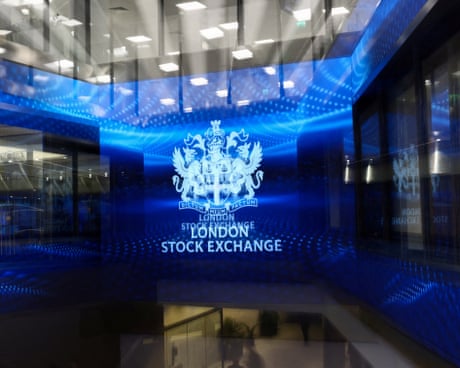
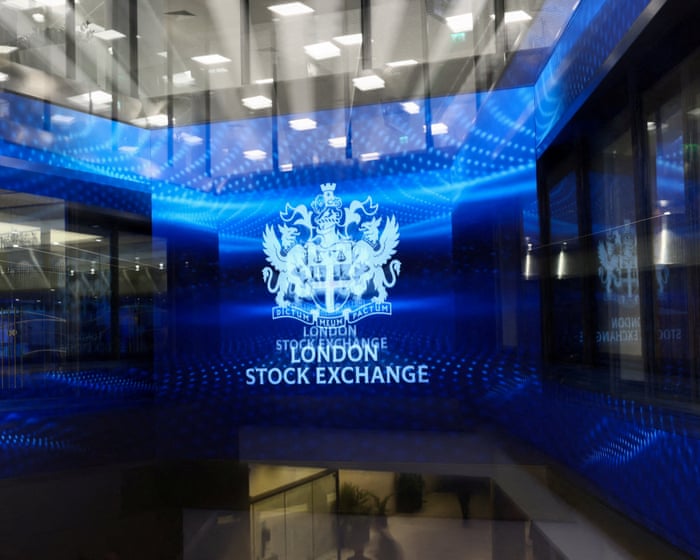
Three more London-listed companies are set to be taken over as the value of deals removing firms from the capital’s under-pressure stock market so far this year passes $100bn (£74bn).

On Tuesday, Bodycote, the FTSE 250 industrials group that has been listed on the London Stock Exchange since 1972, agreed a £1.84bn takeover by the US private equity group Veritas.

Continue reading...

© Photograph: Jack Taylor/Reuters

© Photograph: Jack Taylor/Reuters

© Photograph: Jack Taylor/Reuters

  •  

Shein shares slide on fast-fashion retailer’s stock market debut

Hong Kong flotation at $26bn by firm once valued at $100bn follows failure to list in US and UK

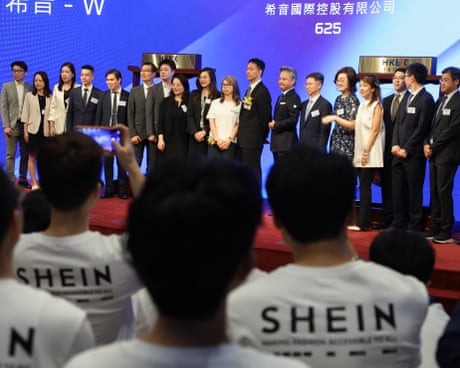
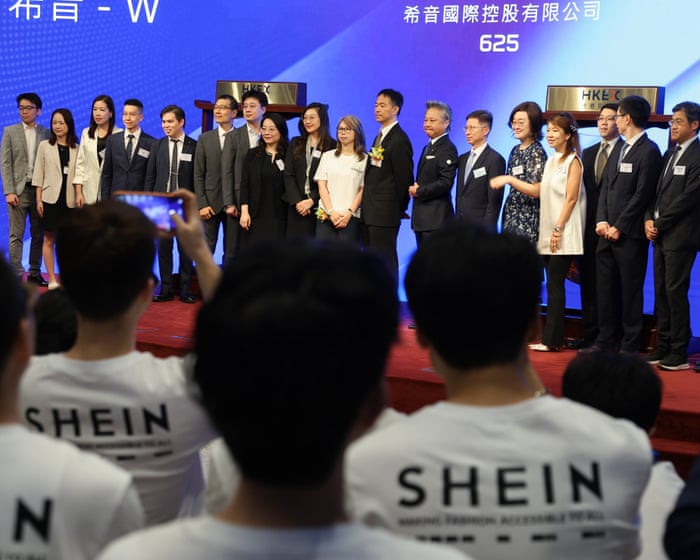
Shares in the fast-fashion brand Shein slumped by as much as 10% as the China-founded company made its long-anticipated trading debut on the Hong Kong stock exchange.

The Singapore-headquartered company, once valued at almost $100bn (£74bn), went public on Tuesday pricing shares at HK$48.56, valuing the business at just over $26bn.

Continue reading...

© Photograph: May James/EPA

© Photograph: May James/EPA

© Photograph: May James/EPA

  •  

UK house prices rise for first time since April, says Nationwide

Average price of home rose 0.2% month on month in August to £275,465 as market awaits interest rate vote

UK house prices increased for the first time in four months in August, according to a leading index, as buyers and sellers remained in a “holding pattern” before an expected increase in interest rates later this year.

The average price of a British home rose 0.2% month on month in August to £275,465, the first increase since April, according to Nationwide. Analysts had forecast a 0.1% rise.

Continue reading...

© Photograph: John Morrison/Alamy

© Photograph: John Morrison/Alamy

© Photograph: John Morrison/Alamy

  •  

Summer box office 2026: what can we learn from the hits and misses?

It was a bumper season for Hollywood, almost back to pre-pandemic levels, with Tom Holland blockbusters winning out, but there was still a string of disappointments

As the world continued to burn and temperatures reached worrying highs, most of us decided to take refuge in the cinema this summer. It provided some relief for audiences, but even more so for the industry at large, with the season pushing past the magic $4bn mark to become the biggest since 2019, up 20% from last year. There were the expected hits (Spider-Man never misses), but there were also unprecedented breakouts (we were obsessed with Obsession) and surprise underperformers (are kids Minions-ed out?)

So at the end of a season with epic highs and cavernous lows, what lessons can Hollywood learn?

Continue reading...

© Composite: Alamy

© Composite: Alamy

© Composite: Alamy

  •  

Boss of City regulator accused of threatening consumer group over £9.1bn car loan scheme

FCA chief, Nikhil Rathi, warned of ‘adverse consequences’ if challenge made to settlement, court filings allege

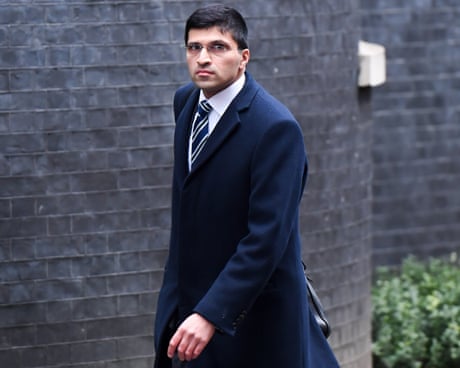
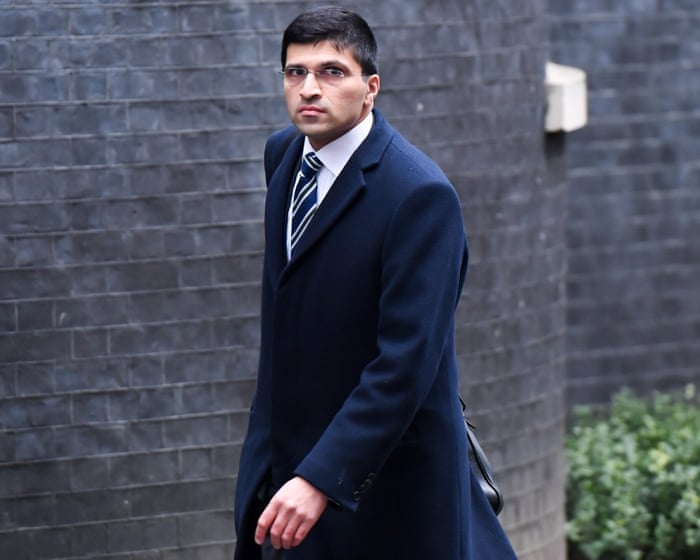
The boss of the UK’s financial regulator is accused of threatening a consumer group with “adverse consequences” if it blocked a £9.1bn compensation scheme meant to settle the motor finance scandal.

Legal documents reviewed by the Guardian said the alleged comments by the Financial Conduct Authority (FCA) chief executive, Nikhil Rathi, amounted to “an inappropriate intervention by a public official”.

Continue reading...

© Photograph: Bloomberg/Getty Images

© Photograph: Bloomberg/Getty Images

© Photograph: Bloomberg/Getty Images

  •  

Long-term UK borrowing costs at 28-year high as rising oil prices trigger global bond rout – business live

European stock markets fall sharply and Brent crude rises above $92 a barrlel amid renewed fighting in Middle East

European stock markets are a sea of red, a gloomy start to September.

As traders return from the UK Bank Holiday, the FTSE 100 index in London has fallen 1.1%.

Continue reading...

© Photograph: Sven Hansche/Alamy

© Photograph: Sven Hansche/Alamy

© Photograph: Sven Hansche/Alamy

  •  

Price rises gather pace in UK shops amid higher energy costs

In-store inflation rises to an annual 1.5% in August, according to a survey for the British Retail Consortium

The pace of price rises in UK shops rose to its highest level in two years in August, a trade body index shows, with higher energy costs pushing up the price of food and AI chip demand making technology more expensive.

In-store inflation stepped up to 1.5% year on year in August, up from 0.9% in July, led by prices for tinned and packaged food which increased by 2.5% against 1.1% in the prior month, according to data from the research company NIQ for the British Retail Consortium.

Continue reading...

© Photograph: Matthew Horwood/Getty Images

© Photograph: Matthew Horwood/Getty Images

© Photograph: Matthew Horwood/Getty Images

  •  

Dry weather sewage discharges soar as water companies face scrutiny

Exclusive: 7,280 suspected illegal spills in rivers and sea recorded in first five months of 2026

The number of suspected illegal discharges of raw sewage into rivers and seas by water companies during dry weather increased significantly during the first five months of 2026.

Dumping raw sewage into waterways during dry spells via overflows amounts to pollution. It is considered a breach of the permits given to water companies and is illegal. Discharging during dry weather increases the toxicity of the sewage pollution entering waterways. Rivers have less flow and volume, and there is no rainwater to dilute the sewage pollution entering the waterway.

Continue reading...

© Photograph: Dan Kitwood/Getty Images

© Photograph: Dan Kitwood/Getty Images

© Photograph: Dan Kitwood/Getty Images

  •  

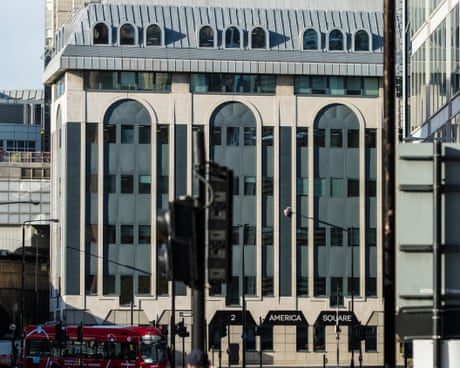
The London office, the empty boxes and the £1bn tax loophole

Exclusive: How a court case over an unoccupied office block could end a widely used tax avoidance scheme

From the outside, the seven-storey building at 2 America Square looks like any other office block in the heart of London’s financial district.

Located about half a mile from Tower Bridge, one might expect it to be a hive of commercial activity, teeming with employees holding important meetings. However, much of the property is home not to staff vying for their next bonus, but to stacks of nondescript black boxes arranged in neat lines.

Continue reading...

© Photograph: Brian Anthony/Alamy

© Photograph: Brian Anthony/Alamy

© Photograph: Brian Anthony/Alamy

  •  

The Ritual of Coffin Making in a City Hit by Ebola

While several coffin makers in Bunia said they were providing a public service, the virus has put them at the center of a debate around safe burials.

© Arlette Bashizi for The New York Times

  •  

Child trust fund firms face review over efforts to find who owns £1.5bn worth of pots

Exclusive: FCA pressures firms to do more to sort 760,000 accounts as watchdog urges families to use free tracking service

Child trust fund providers are being put under the spotlight to check they are treating savers fairly and doing all they can to reunite young people with lost accounts.

The Financial Conduct Authority (FCA) said about 760,000 accounts worth an average of £2,000 were yet to be claimed – more than £1.5bn in total – as it launched a review of the market.

Continue reading...

© Photograph: Gareth Fuller/PA

© Photograph: Gareth Fuller/PA

© Photograph: Gareth Fuller/PA

  •  
❌