Keri M, a marathoner in her 50s, knew the race would be terrible.
This feeling couldn’t be chalked up to inexperience. Keri, who asked us to omit her full name due to the sensitive subject matter, has completed dozens of half marathons and four full marathons.
In her new book, Envy, Stacy Kim explains how to understand the feeling, identify your deeper desires and use them to achieve your goals
In the 16th-century poem The Faerie Queene, envy is a ghoulish figure riding a ravenous wolf, sad to see the fortune of others and “wonderous glad” of their hardship. It’s not a flattering depiction; better to be thankful for what we have, rather than dwell on such a bitter and self-destructive feeling, right?
Maybe not. “I think that when we don’t examine our envy, that’s when it leads us astray,” says Dr Stacy Kim, social scientist, life coach and author of the new bookEnvy: Why Wanting What They Have is the Key to Getting What You Want. Kim wrote the book after seeing the way envy came up for her coaching clients and reflecting on the role it had in her own life. The book is informed by social science and philosophy research, as well as her personal and professional experiences.
Similar target: “You remind yourself: ‘Hey, the reason why I’m feeling this envy is because what I want is within my reach,’” she says.
Intangible desire, as mentioned above
Relevant comparison: Identify which specific domain – something you care about or already participate in – is relevant to your desires
Negative emotion: How long does it last? How intense is the message it’s sending? This tells us how important the feeling is.
Envy by Stacy S. Kim is out now. To support the Guardian, order your copy of the UK edition at guardianbookshop.com. Delivery charges may apply.
Before being rescued, he had an extremely traumatic experience. You’d never know it though, from the joy his patience and sunny nature bring to those who most need him
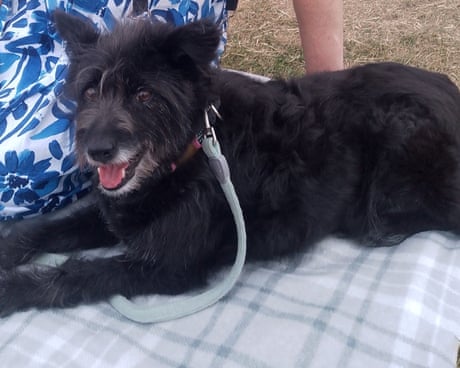
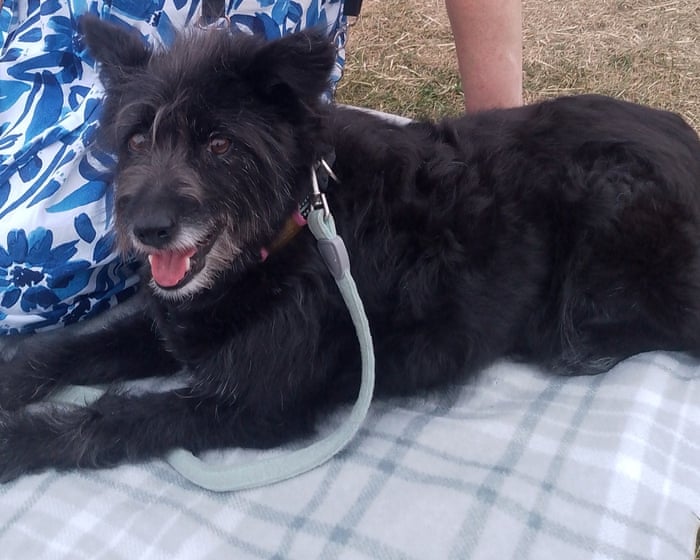
In December 2024, my kerry blue terrier, Magnus, died suddenly from a stroke at the age of nine. Devastated, I started looking at rescue dogs on Facebook and came across Clement, who was being looked after by a shelter in Romania. It wasn’t his appearance that caught my attention, but his heartbreaking story.
An eight-year-old mixed-breed rescue, Clement had spent most of his life with a woman living with Alzheimer’s. One day, she accidentally let him out. He was hit by a car, attacked by two large dogs and left in a ditch for three days in the snow before being rescued by chance. When I read this, I knew I had to take him in.
Faced with a stagnant jobs market, many are spurning children or pets in favour of ‘raising bricks’
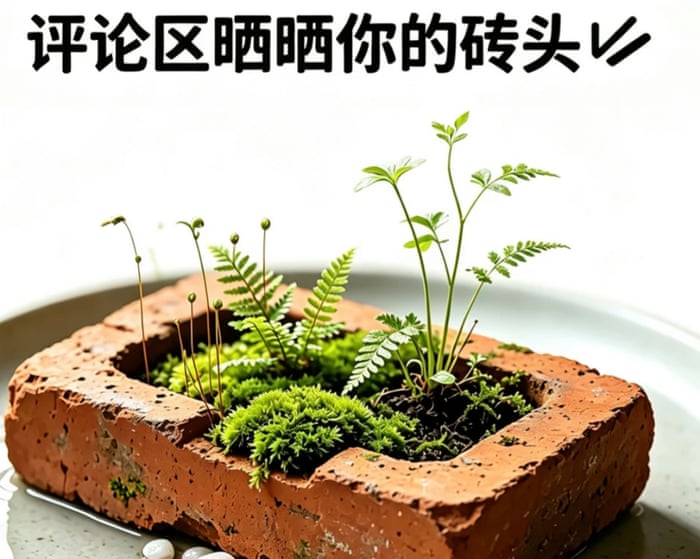
Young adults in China looking for a cheaper, low-maintenance alternative to having children or pets have found an answer: raising bricks.
Bricks may not be as cuddly as cats or as life-affirming as human offspring, but they also cost next to nothing. “No cats, no dating, I started raising a brick,” wrote one brick parent on social media.
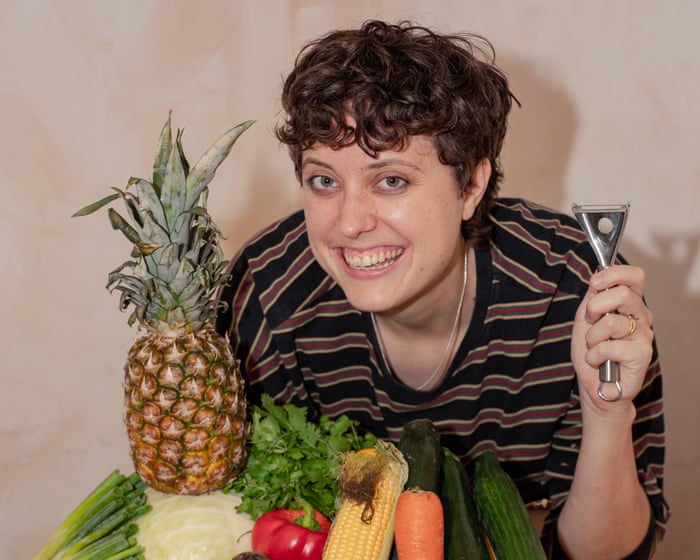
A new report has found many crops are far less nutritious than they once were, so we need to eat more of them. Here is how to get your five portions of fruit and veg a day, easily and affordably – and potentially increase that to ten
When Eva Humphries first started working as a nutritionist, she met a client who had just found out he had high blood pressure and high cholesterol, and was on the verge of type 2 diabetes. He had no idea how to change his diet or lifestyle.
The man broke down and cried for 45 minutes, leaving Humphries with “no idea of what to do”, she says. In the final 15 minutes of the session, scrambling for a quick but helpful message, she finally said: “When you look at a plate of food, can you just make half of it veg for me?”

 Login