Reading view

LAPD releases footage of death of man whom police handcuffed and beat

Jose Carlos Hoyoz-Munoz was arrested after a family altercation and restrained for ‘combative’ behavior

A cadre of Los Angeles police officers beat and restrained a handcuffed man in July, minutes before he was found dead in a jail cell, according to newly released body-cam footage.

On 15 July, Jose Carlos Hoyoz-Munoz, 58, was found unconscious in his cell at the Van Nuys regional jail. At the time, the LAPD said two use-of-force incidents had occurred, without specifying the nature. In the video released on Friday, the department said three use-of-force incidents occurred.

Continue reading...

© Photograph: Damian Dovarganes/AP

© Photograph: Damian Dovarganes/AP

© Photograph: Damian Dovarganes/AP

  •  

‘We’re not doing 30 bets a year’: Vijay Pande on betting small after running $4B at a16z

Vijay Pande — who left a16z's roughly $4 billion biotech practice last year to start the much smaller, AI-native VZVC — talks about why biology is finally shifting from a "discovery" science to an "engineering" one, why clinical trials are still brutally expensive, and why he thinks open, shared datasets (not walled-off ones) are what will actually let AI transform medicine.
  •  

Statins can safely cut risk of heart attacks or strokes in healthy people aged over 70, world-first clinical trial shows

Australian-led trial finds low risk of side effects from common cholesterol-lowering medication for otherwise healthy older people

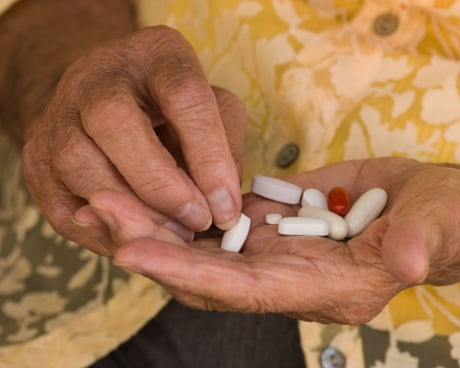
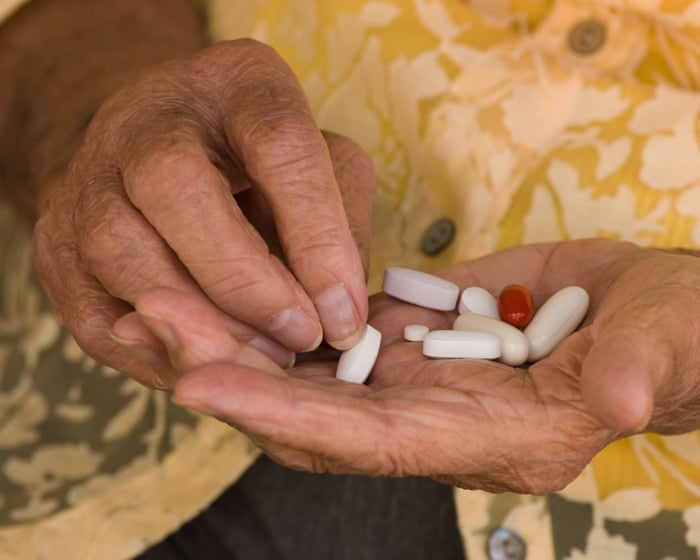
Taking a common cholesterol-lowering medication can reduce the risk of a heart attack or stroke for people aged over 70, with a low risk of serious side effects, a world-first clinical trial led by Australian researchers has found.

Statins are already commonly prescribed to people under the age of 75 who meet certain risk criteria, such as having diabetes and high cholesterol, to prevent them from having a major heart event such as a heart attack, stroke, or from requiring heart surgery.

Continue reading...

© Photograph: Carol Heesen/Alamy

© Photograph: Carol Heesen/Alamy

© Photograph: Carol Heesen/Alamy

  •  

Statins can safely cut risk of heart attacks or strokes in healthy people aged over 70, world-first clinical trial shows

Australian-led trial finds low risk of side effects from common cholesterol-lowering medication for otherwise healthy older people

Taking a common cholesterol-lowering medication can reduce the risk of a heart attack or stroke for people aged over 70, with a low risk of serious side effects, a world-first clinical trial led by Australian researchers has found.

Statins are already commonly prescribed to people under the age of 75 who meet certain risk criteria, such as having diabetes and high cholesterol, to prevent them from having a major heart event such as a heart attack, stroke, or from requiring heart surgery.

Continue reading...

© Photograph: Carol Heesen/Alamy

© Photograph: Carol Heesen/Alamy

© Photograph: Carol Heesen/Alamy

  •  

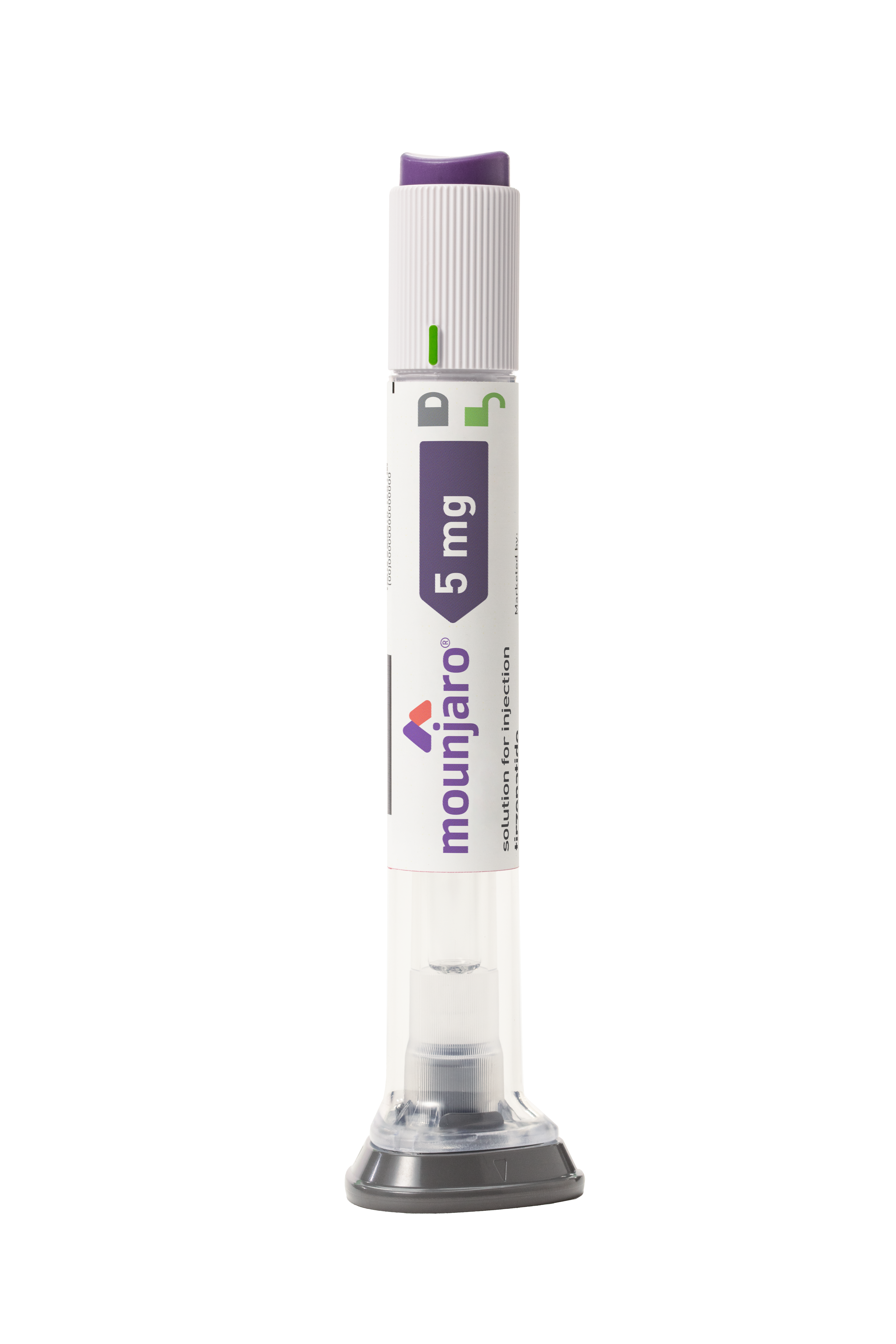
Mounjaro Is Now Approved to Lower the Risk of Heart Events

—Eli Lilly Co.

While the popular GLP-1 medications continue to help people control diabetes and weight, the versatile drugs are also starting to address other health conditions as well.

On Aug. 28, the U.S. Food and Drug Administration (FDA) approved Mounjaro to lower the risk of heart events, including heart attack, in people with diabetes. Made by Eli Lilly and Company, Mounjaro is already approved to help manage blood sugar.

Mounjaro affects two of the hormones in the incretin class—GLP-1 and GIP—that have become powerful targets for controlling blood sugar and weight. In the study Lilly submitted to the FDA, researchers compared heart events among people with Type 2 diabetes who either took Mounjaro or another Lilly drug for diabetes, called Trulicity, which targets only GLP-1. People taking Mounjaro had an 8% lower rate of heart attack, stroke, or heart-related death compared to those taking Trulicity. In previous studies, Trulicity helped people with and without a history of heart conditions to lower their risk of having a heart event by 12% compared to those receiving placebo.

“This study was in patients with Type 2 diabetes, in whom the No. 1 cause of death is cardiovascular disease,” says Dr. Rachel Batterham, senior vice president of medical innovation and external engagement for cardiometabolic health at Lilly. “So reducing that risk is critically important.”

Batterham says Lilly decided to compare Mounjaro’s potential in reducing heart risk to an existing drug, Trulicity, that already reduced heart risk to see if Mounjaro would have any additional benefit. “We set ourselves a very high bar,” she says.

But the study design means that the heart benefit results cannot be directly compared to Mounjaro’s competitor drug, Ozempic, from Novo Nordisk. Ozempic, which is approved to treat diabetes, and Novo Nordisk’s Wegovy, approved to treat overweight and obesity, are both approved to lower the risk of heart disease risk by 20%. Lilly is, however, currently conducting a study tracking people who don’t have Type 2 diabetes who take the weight-loss version of their drug, Zepbound, for heart events. In that study, says Batterham, the researchers will be looking at whether Zepbound can prevent second heart events from occurring in people who have already had one, as well as whether the drug can prevent first heart events from occurring.

For now, she says, the new indication means that for people with Type 2 diabetes already taking Mounjaro, doctors can discuss the fact that in addition to controlling their blood sugar, the drug may also help them to lower their risk of having heart events. And for those who don’t have diabetes and are taking Zepbound for weight loss only, “what we could say is that we know people with Type 2 diabetes see this [heart] benefit, but as yet we don’t have the data to say that this same benefit applies in people without diabetes—but we will have those data next year.”

  •  

An Experimental One-Time Treatment for High Cholesterol Shows Promising Results

—Eugene Mymrin—Getty Images

Heart disease remains the leading killer of people worldwide, and one of the key risk factors driving deaths is elevated levels of cholesterol.

In a new article published in the New England Journal of Medicine, researchers report that a gene-editing therapy helped people with increased levels of cholesterol and triglycerides maintain lower levels of these lipids for at least a year. The findings build on earlier results of the therapy, reported last November.

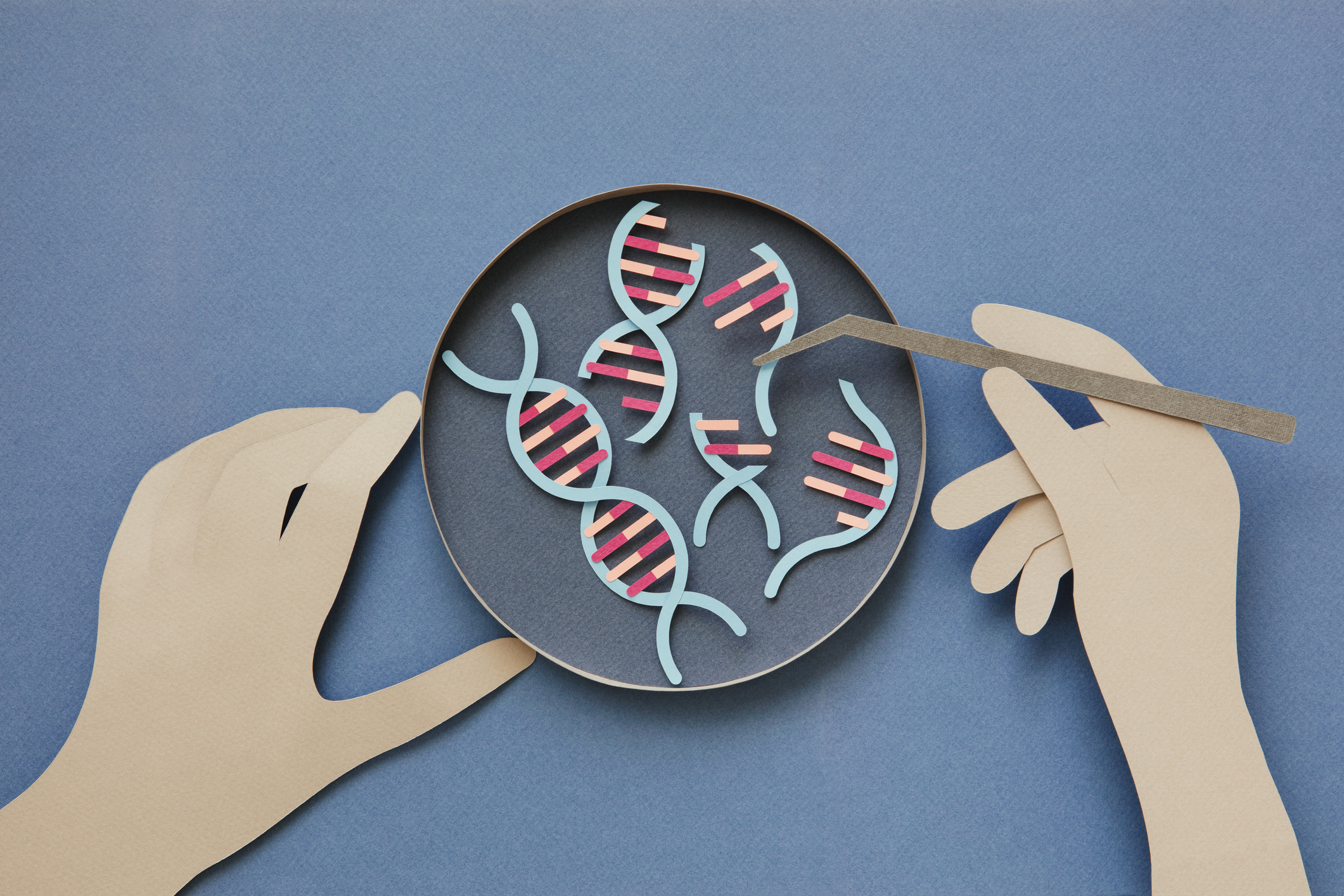
The gene-editing treatment, developed by the biotech company CRISPR Therapeutics, uses CRISPR technology to precisely edit a gene involved in cholesterol regulation. The gene, called ANGPTL3, makes an enzyme that blocks the breakdown of bad cholesterol (LDL) and triglycerides. But scientists discovered a long-lived population in Italy in which people born with a mutation in ANGPTL3—rendering it defective—had low levels of LDL and triglycerides and very little heart disease. The CRISPR therapy mimics this naturally occurring mutation; people who have received it now have this mutation in their ANGPTL3, which means they can now break down cholesterol and triglycerides properly.

In the small study, 15 people with severe forms of high cholesterol and triglycerides showed drops in the two lipids of up to 50%, which the latest results show lasted for at least a year.

“From an efficacy standpoint, it’s a pretty big win,” says Samarth Kulkarni, CEO of CRISPR Therapeutics.

The fact that the people in the study were able to maintain lower levels of LDL and triglycerides for up to a year means that CRISPR was able to edit enough cells in the liver, where much of the body’s cholesterol and triglycerides are produced, to give patients the benefit of having lower levels of the lipids. It also shows that these edited cells continue to produce new generations of cells that carry the CRISPR edit in AGNPTL3. People who received the highest dose of the CRISPR therapy saw levels of the ANGPTL3 enzyme drop by nearly 80%, which contributed to a drop in LDL and triglycerides of about 50%. “This is a really big step for CRISPR to show the durability of the result,” says Dr. Luke Laffin, co-director of the Center for Blood Pressure Disorders at the Cleveland Clinic and lead author of the study.

The CRISPR therapy did not cause significant side effects—and researchers did not expect it to, since people born with the defective ANGPTL3 gene don’t seem to have serious diseases either. That means the one-time therapy could potentially replace the current treatment for high LDL and triglycerides: daily statin pills. While effective, many people don’t take the pills on a daily basis for years, which lowers their effectiveness. “We could look at a situation further down the line where we are able to give people a choice,” says Laffin. In the future, if someone has a serious family history of heart disease or high cholesterol, for example, “this therapy may be an option for them where we could treat them now, edit their [liver cells], and they can continue to have a genetic defect that we know is safe and will control their cholesterol.”

Kulkarni says the company has already begun the next phase of studies and anticipates additional results by the end of this year. That study will continue to focus on people with severe cases of high cholesterol and triglycerides, which affects about two to three million people in the U.S. If that study and further late-stage studies of the CRISPR therapy continue to show positive results, the company might consider conducting studies in people with more average elevations in their lipids.

“The biggest promise of gene-editing in cardiovascular medicine is the notion of a one-time treatment that would be all you need,” he says. “Once you reduce levels of ANGPTL3, it remains durably reduced—presumably for life, but at least for one year. It’s very exciting.”

  •  

New heart attack definition promises better care for women

Leading cardiovascular health groups reclassify overlooked causes and introduce sex-specific diagnostic thresholds

Doctors have agreed the world’s first universal definition of a heart attack, paving the way for millions of women to finally receive better treatment after decades of being “deprioritised”.

In one of the biggest procedural shake-ups in a generation, the world’s four leading cardiovascular health groups have signed off on new guidance for healthcare professionals when seeing suspected heart attack patients.

Continue reading...

© Photograph: David Sillitoe/The Guardian

© Photograph: David Sillitoe/The Guardian

© Photograph: David Sillitoe/The Guardian

  •  

An $18bn settlement – and Zuckerberg barely blinked. The tech titans must be stripped of their power, and soon | Jonathan Freedland

Those who said Meta harms children struck a blow, but the ability of big tech to gouge profits and cause harm is barely diminished. That’s the battle to come

Follow the money. If you want to know how the tech giant Meta really feels about the $18bn it agreed to fork out to end a landmark lawsuit against it – an outcome widely hailed as a victory for campaigners – just look at its share price. It didn’t go down when word came on Wednesday that Meta had settled with the 29 US states that had argued that the company’s Facebook and Instagram platforms harmed children. On the contrary, Meta stock went up, initially surging by 5%, before levelling out at a gain of just over 1.25%. There could be no clearer proof that the money men reckon Meta dodged a bullet.

To be sure, there was plenty to hearten those who have long believed that social media damages teenagers especially, whether by exposing them to content they shouldn’t see or by sapping their self-esteem, offering them filters that show how much prettier they would look if they had cosmetic surgery or giving them a metric of their popularity – and unpopularity – in the form of a running tally of “likes” and views.

Jonathan Freedland is a Guardian columnist

Do you have an opinion on the issues raised in this article? If you would like to submit a response of up to 300 words by email to be considered for publication in our letters section, please click here.

Continue reading...

© Photograph: Wally Skalij/Getty Images

© Photograph: Wally Skalij/Getty Images

© Photograph: Wally Skalij/Getty Images

  •  

UK urged to ban imports of Brazilian meat over health concerns

Brazil has failed to prove compliance with EU rules on use of antibiotics in cattle and poultry farming

The UK’s leading farming organisations and animal health experts have called for an urgent ban on imports of Brazilian meat, in light of concerns over the safety of imports.

The National Farmers’ Union in England and its sister organisations in the devolved administrations wrote to the government on Friday warning that public health was at risk.

Continue reading...

© Photograph: Bloomberg/Getty Images

© Photograph: Bloomberg/Getty Images

© Photograph: Bloomberg/Getty Images

  •  

How the Mayo Clinic is using improv to engage dementia patients

The medical community is trying many approaches to help push back against the advance of Alzheimer's and dementia. One leading institution is taking a different and unconventional approach to supplement the traditional treatments. Special Correspondent Megan Thompson reports for our coverage of the intersection of health and arts, part of our CANVAS series.

  •  

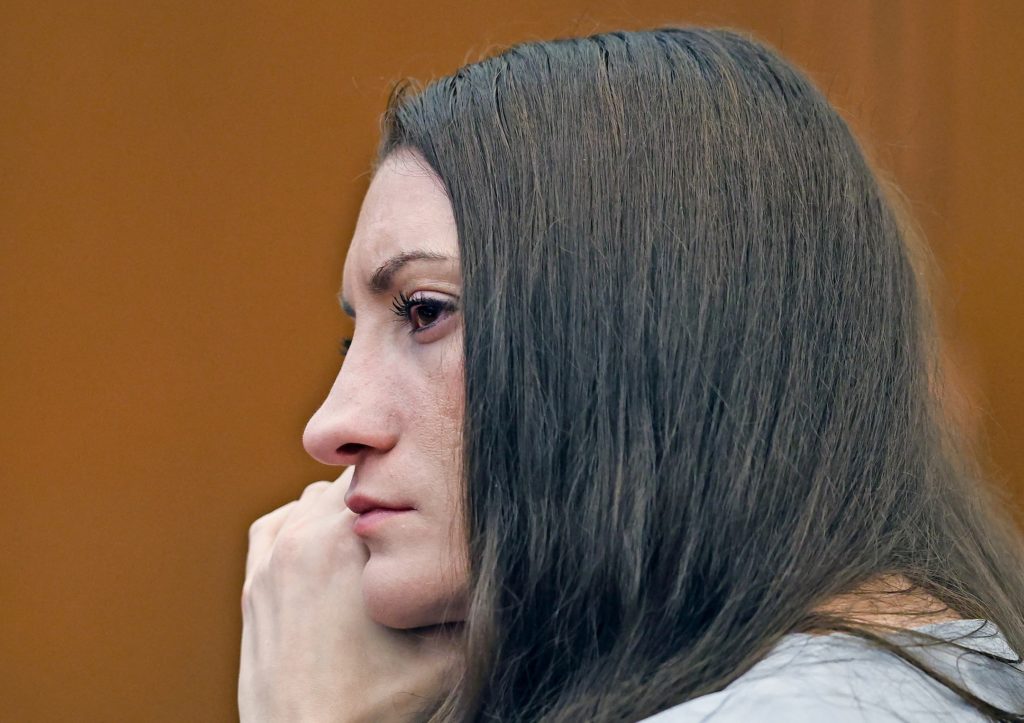
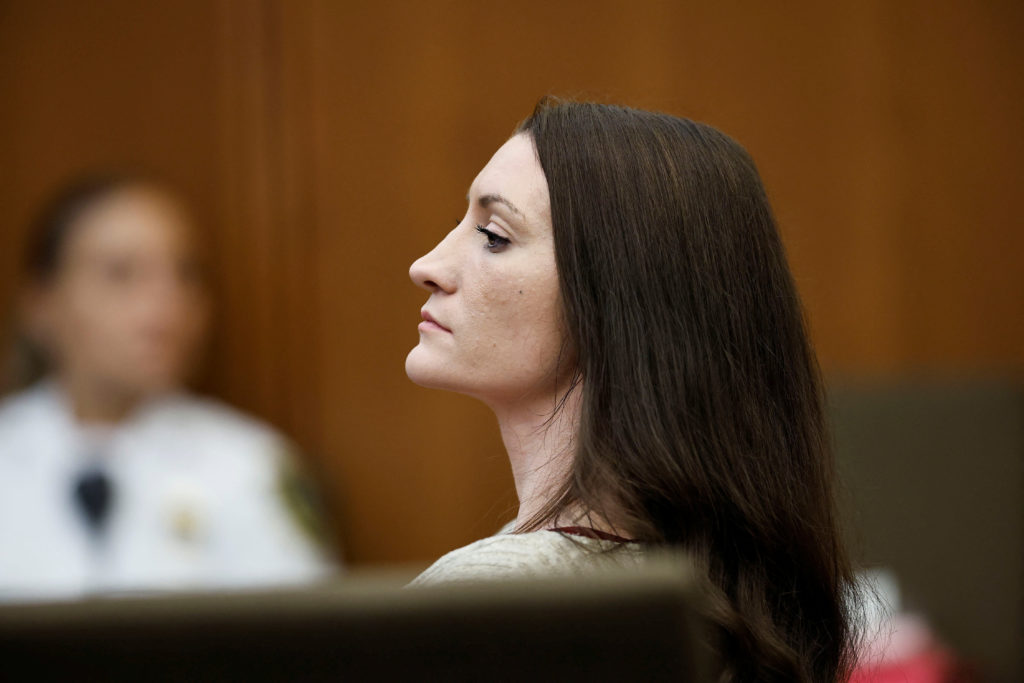
The central issue that the Lindsay Clancy jury will be deliberating

Jurors are deliberating in the murder trial of Lindsay Clancy, a case that has raised questions about maternal mental healthcare. Clancy does not deny killing her children, but she pleaded not guilty, arguing she can't be held criminally responsible because the murders occurred while she was suffering from postpartum psychosis. Amna Nawaz discussed more with Camilo Fonseca of The Boston Globe.

  •  

The surprising reason food recalls are getting worse

Lettuce going bad in a field
While this summer’s spate of foodborne illness is especially bad, the worst may be yet to come.  | Wen Tsui/Xinhua via Getty Images

Summer is supposed to be the best time for fresh produce. Corn on the cob at the cookout. Berries plucked right from the vine. Salads on the cafe patio while you take an extra long lunch break because the weather and the food is that good. 

But this year, summer’s harvest brought something much different than the flavorful dishes we’ve come to expect. Since May, the United States has seen more than 17,000 lab-confirmed cyclosporiasis cases. Before this summer’s massive outbreak, the country had never recorded more than a few hundred infections in a single year from this parasite, which can cause watery and at times explosive diarrhea.

And that isn’t the only bug invading Americans’ digestive tracts.

One person died from a listeria infection traced to ricotta cheese. Close to 100 people came down with salmonella from recalled eggs, while more than 400 people have gotten sick in a separate salmonella outbreak involving jalapeños. Last week, the Food and Drug Administration issued its highest urgency warning for frozen blueberries believed to be contaminated with E coli

And now several dozen people across 15 states have become ill after eating alfalfa sprouts in a new outbreak that involves salmonella and E coli. Four of them have been hospitalized.

It’s gotten so bad that one Washington Post columnist argued we should stop eating lettuce altogether. Experts have told me they were worried people might actually completely stop consuming vegetables — vital to any healthy diet — for fear of contracting cyclosporiasis and enduring a month of watery diarrhea. I personally avoided the bagged salad kits that provided me with many easy lunches on a workday.

While this spate of foodborne illness is especially bad, the worst may be yet to come. 

It’s only natural to look for somebody to blame. Culpability has understandably fallen on the Trump administration and Robert F. Kennedy Jr., who helms the US Department of Health and Human Services — especially after his deep staffing cuts at the FDA and the Centers for Disease Control and Prevention, the two federal agencies most responsible for investigating and responding to disease outbreaks. Those cuts have slowed the response, and officials have struggled to communicate with the public clearly in a fast-moving crisis.

While our government officials are partly to blame, the problem is bigger than Trump and Kennedy, or even this one summer. While seasonal changes will always play a role — the warmer months, when people eat more fresh produce and consume more food that’s been sitting out at unsafe temperatures, typically have more foodborne illnesses — the underlying factors contributing to these outbreaks are becoming more potent. The food supply is more and more globalized. And the planet continues to warm, allowing these pathogens to spread to more and more farms all over the world, including in the US.

As the weather finally begins to cool down, I’ve been asking myself an uncomfortable question: What if diarrhea summer never really ends?

Climate change is spreading dangerous germs

Our globalized food supply chain has a lot to do with our food safety — and that isn’t going to change any time soon. Americans expect access to any produce they want year-round, even produce that isn’t in-season locally, or that may not grow anywhere in the US at all. We source food from all over the world: Most cyclospora outbreaks originated with foods grown in other countries. This year’s crisis was eventually linked to iceberg lettuce from Mexico.

And as the New York Times recently documented, the sometimes international trip from the farm to the store for a bagged salad kit offers multiple moments for potential contamination, including tainted irrigation water, local wildlife excrement, and poor storage practices, making it possible for dangerous pathogens to take hold before a person even buys their groceries.

Sign up for the Good Medicine newsletter

Our political wellness landscape has shifted: new leaders, shady science, contradictory advice, broken trust, and overwhelming systems. How is anyone supposed to make sense of it all? Vox’s senior correspondent Dylan Scott has been on the health beat for a long time, and every week, he’ll wade into sticky debates, answer fair questions, and contextualize what’s happening in American healthcare policy. Sign up here.

Warming temperatures around the world are also helping those bugs spread. Humidity is essential for salmonella and warmer summers will mean more humid-favorable conditions for the bacteria to grow. E coli likewise will thrive as temperatures rise. Cyclospora has historically been found in subtropical climates, so for a long time, infections from food grown inside the United States were unheard of. Not anymore. 

“Climate change has allowed pathogens like cyclospora…to expand from the tropic, subtropic lines into areas more north and south of that tropic line,” said Joseph Eisenberg, a professor of epidemiology and global public health at the University of Michigan School of Public Health. 

“With respect to the US, we’re starting to see new infectious diseases in southern Louisiana, Texas; that also increases the presence of cyclospora in food systems in other countries,” he said. “It suggests that, through climate change, we might potentially start seeing it be endemic in the United States at some point.”

And indeed, cyclospora was found in farms in Florida in 2020. This is a problem that is going to become worse, not better, given the expected trends in global warming in the decades to come.

“It wasn’t until about within the last 10 years we started to see cases from domestic origin,” Francisco Diez-Gonzalez, director of the Center for Food Safety at the University of Georgia, told me. “Before, there were predominantly cases due to international travel or importation of products because it used to be endemic in some tropical or warmer climates.” 

“It’s clear that now,” he said, “it’s become established in the domestic environment.”

The US is less prepared than ever to stop food contamination

To make matters worse, at the same time conditions for foodborne illness are ripening, the US government has been sharply cutting its ability to monitor for and respond to these outbreaks.

At the beginning of the second Trump administration, as part of the widespread government staffing cuts, the FDA laid off 3,500 workers. Between the FDA and the US Department of Agriculture, which also oversees food safety, and several related agencies, more than 11,000 workers have been lost, a 22 percent cut, according to the Partnership for Public Service. And the CDC, which helps respond to outbreaks once they start, has lost about a quarter of its workforce from January 2025 to October 2025, according to Reuters; by this summer, CBS reported, the number of scientists tracking food parasites at the agency dropped from 11 to three. Meanwhile, the administration has been rushing to hire 2,200 people in the middle of the crisis.

“There have been a lot of federal cuts. There have been cuts around CDC surveillance, around state and local public health. You’ve lost people,” Dr. Anurag Malani, vice chief of staff at Trinity Health’s Ann Arbor, Michigan, campus, told me. “The ability to do what you need to do to keep citizens safe and to keep the public safe, we don’t have as many people doing that as we used to.

The federal government also shut down several national monitoring programs for foodborne illness in 2025 — including for the cyclospora parasite specifically. The state and local agencies that surveil for and respond to food outbreaks have also faced staff cuts because they depend on the federal government for their funding.

“It’s hard when there is one larger entity kind of controlling all of that,” Dr. Kathleen Linder, the hospital epidemiologist at the Veterans Affairs hospital in Ann Arbor, told me in July. “Local health departments are having to do more on their own than they would have had to do in the past just because of decentralization at that level. It has been very hard to get updated information. The information has been lagging a little bit behind.”

Food safety is hard enough to tackle on its own. Part of the reason we experience regular outbreaks of cyclospora is that it can successfully infect people even when only very little of it is present, and because we can’t grow it in a lab to study it.

But the US has made things harder by cutting these important programs. Rebuilding the staff and capacity to do this work is not likely to happen under the Trump administration, and former FDA officials have described a “brain drain” for the food safety programs that won’t be easy to reverse in the next administration. 

But something will have to be done if we’re ever to escape the food recall cycle. Despite the name, food has historically been neglected by the “Food and Drug” Administration, and better food safety could require serious restructuring and investment in these capabilities. And foodborne illnesses aren’t the only kind of infection that climate change will make more likely: The United States is also seeing the spread of mosquito-borne diseases like dengue. Responding to those new threats is going to require a rebuilt and potentially reimagined federal public health apparatus.

If there is any good news in the short term, it’s that there are a lot of great recipes for grilling your vegetables to eliminate any pathogens hiding in our side dishes at next summer’s cookouts. It sure seems like we’re going to need them.

  •  

What is the treatment for postpartum psychosis, the condition central to the Lindsay Clancy trial?

Clancy’s defense team argues she killed her three children under the condition, and should not be convicted of murder

Postpartum psychosis, a rare and severe mental illness, is central to the trial of Lindsay Clancy, who has pleaded not guilty to three counts of first-degree murder. Her defense team argues that she killed her three children while experiencing the condition, which can cause hallucinations, delusions and rapid mood changes.

While the outcome of the trial may hinge on a determination of Clancy’s mental state, women who have experienced postpartum psychosis say the attention surrounding the case could help raise awareness about the need for better support, including more research and improved medical training.

Continue reading...

© Photograph: Mark Chavous/Pool The Enterprise/AP

© Photograph: Mark Chavous/Pool The Enterprise/AP

© Photograph: Mark Chavous/Pool The Enterprise/AP

  •  

With time limits and stronger age checks, Meta's new rules for kids go further. Critics say it's not enough

Meta has agreed to strengthen its age estimates to keep kids under 13 off its platforms and teens in age-appropriate accounts, enact a hard limit of two hours a day for users under 18, block kids from the apps from midnight to 6 a.m., and hide "like" counts, among other changes.

  •  

Will Eating a ‘Retinol Salad’ Really Improve Your Skin?

—Photo-Illustration by Chloe Dowling for TIME (Source Images: Burazin/Getty Images, Science Photo Library/Getty Images)

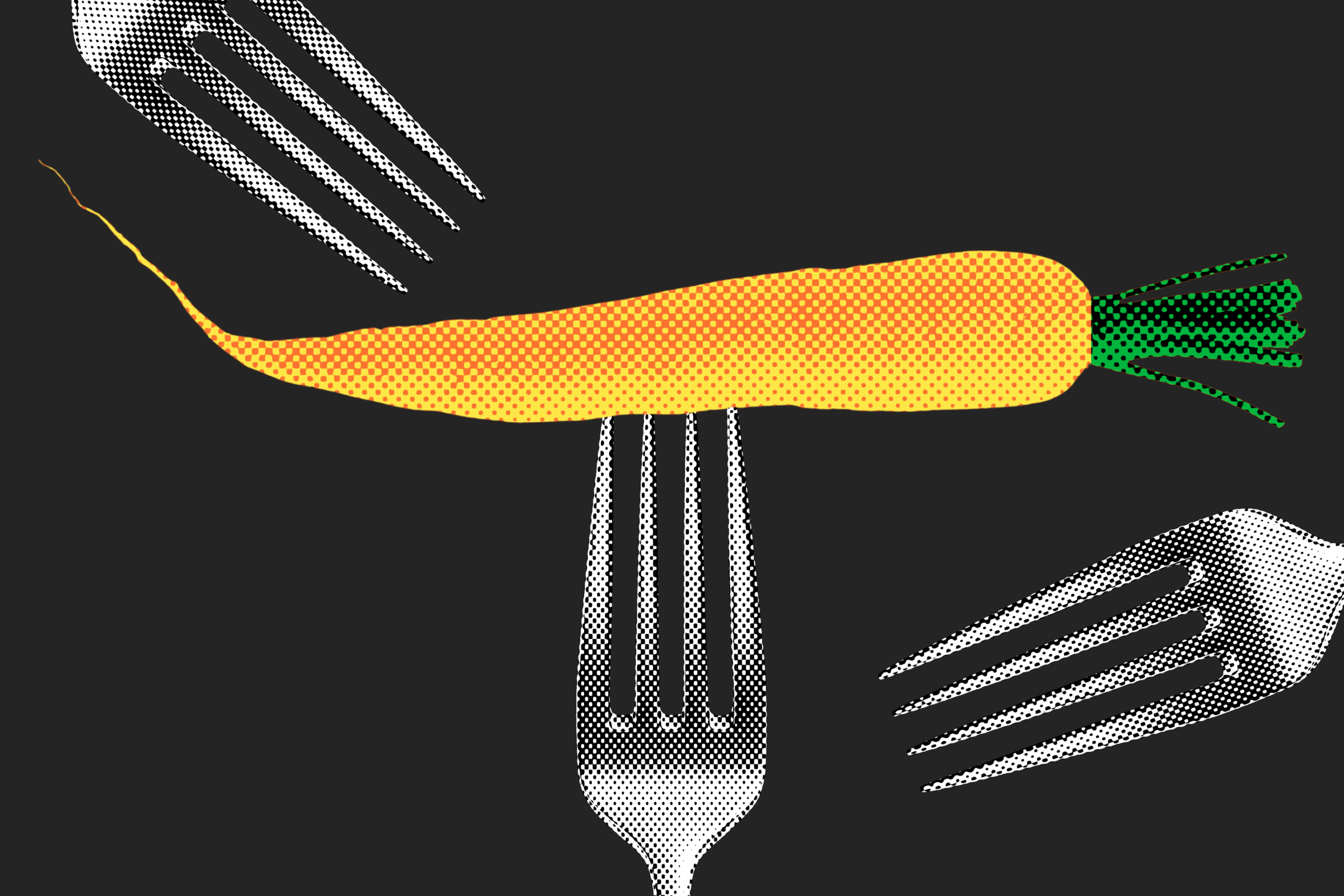
Applying serums or creams with retinol—a vitamin A-derivative known for its anti-aging and acne-fighting properties—may be a mainstay in your skin-care routine. Some social-media influencers claim you can benefit by “eating your retinol” in the form of carrot-dense salads. Is that true? 

“The answer is yes and no,” says Dr. Lawrence Green, a clinical professor of dermatology at the George Washington University School of Medicine and Health Sciences and vice president of the American Academy of Dermatology.

The “eating your retinol” trend centers on the “retinol salad,” which typically includes ribboned carrots, garlic, vinegar, peppers, sesame oil, and lime juice, though recipes vary. The idea is that carrots are packed with beta-carotene (a precursor to vitamin A), which some influencers claim your body converts to retinol, similar to what’s found in skin-care products. 

“This is a great skin-saving salad, but I think the name is misleading,” says Dr. Rajani Katta, a dermatologist and author of Glow: The Dermatologist’s Guide to a Whole Foods, Younger Skin Diet. The retinol salad provides vitamin A, which is good for the skin, but it’s not the same as applying an over-the-counter retinol or prescription retinoid topically, she explains. 

Here’s what to know about the role of vitamin A and skin health, and whether the “retinol salad” offers any skin benefits. 

What’s the difference between the vitamin A in carrots vs. retinol? 

Vitamin A helps maintain the health of several vital organs, including the heart, reproductive system, eyes, and skin, says Amy Bragagnini, a spokesperson for the Academy of Nutrition and Dietetics.  

Beta-carotene, a natural pigment that gives red and orange fruits and vegetables their color, is a precursor to vitamin A, meaning your body needs to convert it to the vitamin, Bragagnini says. 

It’s true that the body converts beta-carotene into retinol (which is preformed vitamin A, or its active form). But it’s “not an efficient conversion,” Green says. “It happens, but it takes a lot of beta-carotene to get a lesser amount of retinol.” 

You can actually get retinol directly from foods, including eggs, milk, and beef liver, Katta adds. 

Is eating vitamin A the same as applying retinoids or retinol? 

A 2025 systematic review found that topical and dietary carotenoids (a group of plant compounds that include beta-carotene) offer anti-aging skin benefits, including lowered inflammation and improved hydration and elasticity. 

However, eating a retinol salad or other forms of beta-carotene “nowhere compares to putting retinol directly on your skin as a cream,” Green says. 

When applied topically, retinol penetrates your skin, where it can speed up cell turnover and boost collagen production, Katta says. Research shows that topical retinol can improve fine lines, hyperpigmentation, roughness, and signs of sun damage. Retinol can also exfoliate and plump the skin and help treat and manage acne.

Consuming carrots or other foods rich in beta-carotene is an inefficient way to get these benefits, since your body has to go through the process to convert it into vitamin A, Katta explains. 

The retinol salad is still good for your skin. But its benefits mainly come from the antioxidants in the ingredients, rather than the potential to add retinol to your diet, Green says. 

Antioxidants help maintain skin health by reducing the effects of oxidative stress from the environment, such as ultraviolet light radiation and pollution, research shows. Antioxidants also protect against free radicals, or unstable molecules that lead to premature aging and collagen breakdown, Katta says. 

Are there any downsides to the ‘retinol salad’? 

Beta-carotene from dietary sources is typically safe for most people, even in high levels, according to the Harvard School of Public Health. However, too much preformed vitamin A, which you could get from overusing vitamin A supplements—or, less commonly, by eating too many vitamin A-rich foods—could be toxic, potentially causing blurry vision, dry skin, nausea, or vomiting. 

One potential downside to the salad, Bragagnini says, is that eating too many carrots could cause beta-carotene to build up in your blood and possibly turn your skin a “yellow-orange color.” 

If you don’t normally consume vegetables, which are fiber-rich, eating too many at once could upset your digestive system, she says. 

What’s the best diet for healthy skin? 

“I encourage my patients to make sure they are eating a variety of colorful fruits and vegetables,” at least five servings a day, Bragagnini says. 

Fruits and vegetables contain different antioxidants that protect your skin from damage from UV rays and pollution, she says. Omega-3 fatty acids, found in oily fish, walnuts, and flaxseeds, reduce inflammation in the body, which may guard against skin conditions. 

Also, limit sugar, alcohol, and ultra-processed foods, like cookies, bacon, and sugar-sweetened beverages, Bragagnini adds. These foods may increase oil production in the skin and affect collagen production.  

Overall, Green recommends the Mediterranean diet, which incorporates many of these principles and has been shown to benefit overall health. Research shows that the diet can also help manage inflammatory skin conditions, like acne or psoriasis. 

Yet diet alone is “not going to necessarily change your skin in a month,” Katta says. It’s a long-term approach.  

When to see a dermatologist about your skin 

If you’re struggling with acne or are bothered by age-related changes like wrinkles, sagginess, or sun spots, see a dermatologist.  

For acne, doctors can prescribe topical retinoids like tazarotene or tretinoin, oral retinoids such as isotretinoin, or other types of medications, Green says. The goal is to clear breakouts, prevent new ones, and minimize scarring, Katta adds. Dermatologists may also recommend dietary or other lifestyle changes. 

Addressing wrinkles, pigmentation changes, and other age-related changes depends on the individual person and their skin issue, Green says. For example, dermatologists may prescribe retinoids or recommend Botox, fillers, laser treatments, or microneedling

“We can look at your skin and help direct you,” Green says, and that includes helping you develop a tailored skin-care routine. 

Over-the-counter retinol serums, creams, and other products are available, too. Katta says they’re beneficial but not as potent as prescription retinoids. Retinol also hasn't been studied as extensively as retinoids, so there’s not as much evidence on its effectiveness, Green says. 

Taking care of your skin should be a holistic approach that includes diet, and the retinol salad can be a part of that. Green says the dish is a “nice idea for the antioxidant benefits,” but won’t treat acne or address any unwanted signs of aging. 

  •  

How Your Body Adapts to Changing Temperatures

—Getty Images

The first heat wave of summer hits like a wall. One day the air is crisp and cool, and the next it’s impossible to go out without sweating through a shirt. The store feels like it’s on the far side of the Amazon, or maybe the Gobi. And yet, the thermometer reveals a number that is not all that high, compared to later in the season. So why is the heat so unbearable

Scientists who study temperature regulation have found that the body takes time to adjust to seasonal changes and other thermal changes: a process called heat acclimatization. Research suggests that in people who regularly spend time outside, the body adjusts how it sheds heat to make the environment less stressful. “We can adapt to the heat we're in, and it's obviously progressive,” says Julien Périard, a professor at University of Canberra in Australia who studies the phenomenon. Your body in the summer, it turns out, might be fundamentally different from your body in the winter.

How does the body adapt to seasonal temperature changes?

Spending most of your time indoors in the air conditioning might slow the body’s changes, come summer. “But if we spend time outside exercising, or even just being physically active outdoors, we'll adapt to those conditions,” Périard says.

When you go for a walk on a hot summer day, before you’ve adapted to the heat, both your skin temperature and your core temperature may go up. That sets off alarms in the body, announcing heat stress. “With that, we trigger lots of sweating, and we increase our skin blood flow,” says Périard. Sweat evaporates from the skin, cooling skin down, and blood sent to the surface of the body helps shed heat. 

The volume of blood pumping through the body also goes up. More blood volume allows more heat to be shed and supports greater sweating without dehydration. There are also changes at the level of the cell, with some proteins’ production going up to protect normal functioning in greater heat. The process of reaching a fully adapted state might take a few weeks, although the precise details will depend on the situation. 

These changes can be triggered in advance, with a little bit of exposure at a time. In fact, athletes and people working in warm conditions, like utility workers out in the Texas sun all day, may slowly ramp up their time in the heat to stay healthy under strain. 

Does adapting to heat reduce the risk of heat stroke?

Being adapted to the heat lowers the risks. But it isn’t carte blanche to go for a run at noon in Havana. People who’ve adapted are still vulnerable to heat-related illness, like heat stroke and heat exhaustion, says Glen Kenny, a professor of physiology at the University of Ottawa in Canada. 

What’s more, researchers who study heat adaptation are worried about the stresses that the future climate will bring, when warming may be so swift, and so extreme, that the body can’t react fast enough. In an experiment meant to mimic an extreme 3-day heat wave in 2021 that killed 619 people in British Columbia alone, Kenny spent three days at 104°F in a special chamber in his lab, which allowed him and his colleagues to monitor what happens to the body. “Over three days, you'll see that the body will show some progressive adaptation. But in this situation, you're seeing a decay in the physiological system supporting the maintenance of core temperature,” he says. He lost about 10 pounds in three days because he couldn’t hydrate fast enough. “You're losing so much sweat. You're seeing cell function deteriorate.” 

What happens if you lose your heat adaptation?

Spending a few weeks in a cooler climate can mean the body will roll back some of these changes. “But what's interesting is we have some sort of heat acclimation memory,” says Périard. “If within a month, for example, I've removed you from the heat, and then I've put you back in the heat, in three or four days you'll probably get adaptations that are similar” to what would have taken ten days to build up originally.

Does your body adapt to the cold, too? Yes, but there’s a lot less to work with, says Périard. “We've evolved to be tropical animals, so our heat-loss mechanisms are very potent. But if you think of conserving heat, the only two things we can do are physical constriction—to try and keep the warm blood in the central circulation, essentially—or shivering, which produces a bit of heat but not too much.” Exercising can warm you up, but an essential feature of human culture—clothing—has a far more important role to play here than biology. 

“You can exercise all you want. But if it's -40° outside, you're going to get cold pretty quickly if you don't have any clothes on,” he says.  

  •  

At Least One in Four NFL Players May Have CTE

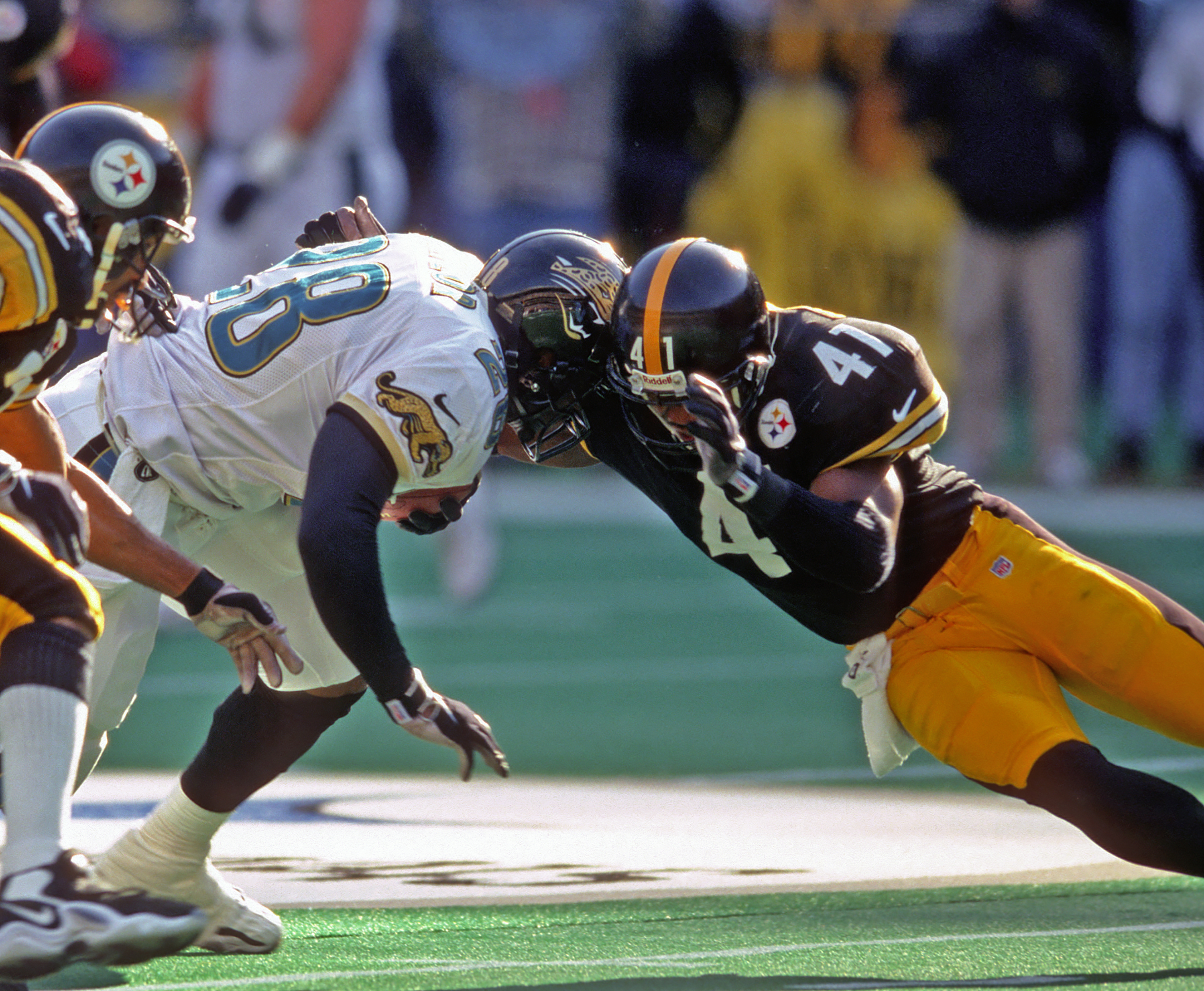
Helmet-to-helmet hits are now banned in the NFL. —George Gojkovich—Getty Images

An alarming number of professional football players in the U.S. may someday have chronic traumatic encephalopathy (CTE), the neurodegenerative disease associated with repeated concussions and sub-concussive hits to the head, a new study suggests. 

The research, published in the BMJ, studied the brains of NFL players who died from 2016 to 2021 and found that one in four had CTE—a figure that is almost certainly an undercount, the researchers say. Depending on how they crunched the numbers, the CTE incidence rose as high as 91%. 

“The one in four figure is intentionally the most conservative estimate possible,” says lead author Dr. Daniel Daneshvar, chair of the department of physical medicine and rehabilitation at Mass General Brigham and associate professor at Harvard Medical School. “We know the true prevalence is higher than that.”

It was in 1928 that pathologist Harrison Martland first described the condition now known as CTE in boxers experiencing what he called “punch drunk” syndrome. It was not until 2002 that the disease was first diagnosed in an NFL player, when neuropathologist Bennet I. Omalu examined the brain of Mike Webster, a former player for the Pittsburgh Steelers, and found the buildup of tau proteins around blood vessels, thinning of tissue, and overall brain atrophy that characterize the disease. CTE is only firmly diagnosable by autopsy, but the range of symptoms that point to the disease—including memory loss, confusion, aggression, depression, apathy, tremors, and slurred speech—can be pronounced during a person’s life.

“Many of these former players had dementia,” says Daneshvar, “meaning their cognitive symptoms were severe enough to interfere with their ability to function independently. These are not just microscopic changes that we happen to find when someone dies. We are talking about a disease that can profoundly affect people’s ability to think, work, maintain relationships, and live independently.”

What the research found

In the new study, Daneshvar and his colleagues examined the brains of 235 former NFL players who had donated their brains to science. (A total of 878 players died in that 2016-2021 window.) Of the brains studied,  215 were found to have CTE—or 91%. The researchers arrived at their much lower one-in-four figure by making the exceedingly cautious assumption that none of the remaining 643 brains would have shown signs of the disease—an assumption that Daneshvar believes would not stand up if the brains had been examined.

“Among the people who did not donate,” he says, “16% had dementia listed on their death certificate. That certainly does not mean they had CTE, but it illustrates how unrealistic it is to assume that every non-donor was disease-free.”

Another part of the study looked at a larger time window—from 2008 to 2021—during which 1,712 former NFL players died. Of those, 338, including the 235 already analyzed, donated their brains to research, and of that group, 315 had CTE. That makes for a possible CTE prevalence of as high as 93.2%, though if the researchers once again made the conservative—if unrealistic—estimate that all of the unexamined brains were disease-free, the figure would drop to 18.4%.

How to make football safer

What makes CTE particularly insidious is that it is a cumulative disease, one that builds up over a career’s-worth of hits that don’t begin when a player is tapped for the NFL, but can stretch back into college, high school, and even childhood play. In 2011, the NFL, mindful of the growing incidence of CTE, established its concussion protocol, sidelining players who take a hit and exhibit any signs of possible concussion, such as confusion, amnesia, ataxia—a lack of muscle control—or any loss of consciousness.  

That’s a big improvement over the days when concussed players were simply described as having had their “bell rung,” and then sent back out onto the field to continue the game. But concussions are only the most extreme symptoms of brain trauma; there’s a lot of damage that’s done invisibly, with no signs at all. According to one 2012 study in the Annals of Biomedical Engineering, a college football player may sustain up to 1,000 subconcussive hits to the head over the course of a single season of play.

“Concussion protocols are important,” says Daneshvar, “but concussion management and CTE prevention are not the same thing. The evidence increasingly suggests that CTE risk is related to cumulative exposure to repetitive head impacts, including the many impacts that never cause a diagnosed concussion. A player can follow every concussion protocol appropriately and still accumulate thousands of head impacts over a year.”

In addition to the concussion protocols, the NFL has made other rule changes to reduce the incidence of brain trauma, including outlawing both helmet-to-helmet hits and so-called blindside blocks, in which an unsuspecting player is struck from behind, often leading to head and neck injuries. Bigger changes could come during practice, when 70% of hits occur, Daneshvar says. These friendly collisions, he adds, do as much cerebral damage as actual blows sustained during a game.

“The NFL has already moved dramatically in this direction,” he says. “NFL players now have less than one full-contact practice per week.”

Another concern is that measures like this may be coming too late, since young players may be reaching the NFL having sustained brain damage already. Former New England Patriots player Aaron Hernandez, for example, was only 27 when he died by suicide while serving a life sentence for murder. He had spent just four years in the NFL and he was posthumously diagnosed with the worst case of CTE that Boston University researchers had ever seen in a person his age. 

“We don’t need to eliminate football to make it substantially safer,” says Daneshvar—but just like in the pros, high school and college football programs could be changed to minimize or eliminate collisions in practice, and to outlaw hits during games that could be exacerbating trauma to the brain.

  •  

WATCH: Jury deliberates in Lindsay Clancy trial after hearing closing arguments

While both sides agree she killed her children, Clancy's defense team argued she suffered from postpartum psychosis, with defense attorney Kevin Reddington stating that "lousy medical care" exacerbated her condition. Prosecutors argued she intentionally planned the killings and that the nation's healthcare system is "not on trial here."

  •  
❌