❌

Reading view

The Guardian view on 50 years of The Selfish Gene: flawed, outdated, yet still a model of truly popular science writing | Editorial

Richard Dawkins’ first work has thrilled fans and frustrated critics for five decades. The science has moved on, but any writer looking to supplant its place must learn its lessons

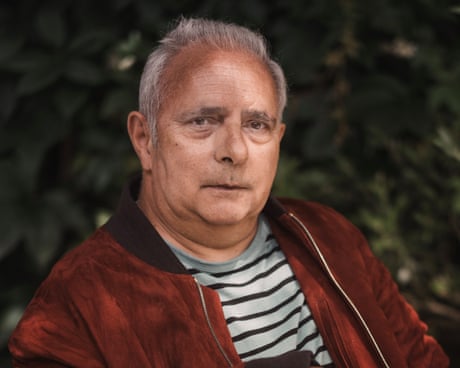
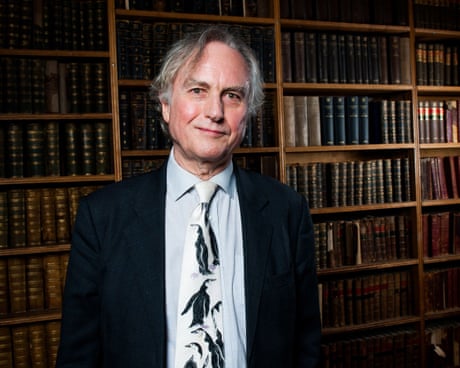
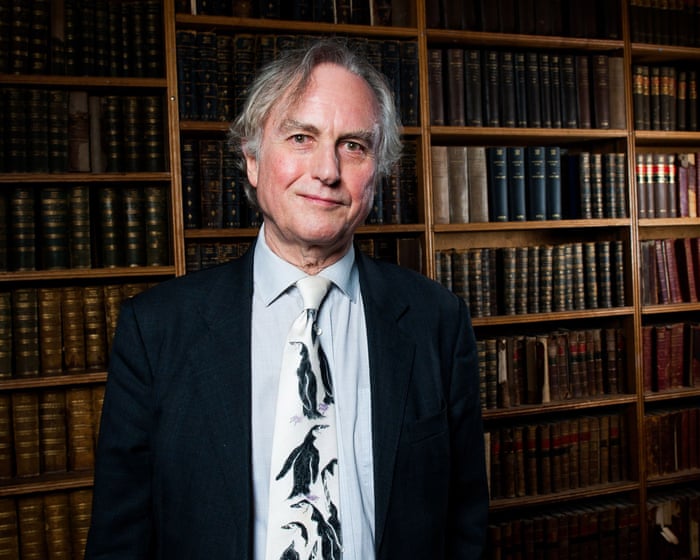
Richard Dawkins’ The Selfish Gene was not predicted to be a success. Its initial print run, published this week in 1976, was just 5,000. It went on to sell millions, and is perhaps the most influential work of pop-science ever. For 50 years, it has been the go-to resource for the layperson seeking to understand evolution.

What accounts for its enduring power? Prof Dawkins’ central claim, that “we are survival machines – robot vehicles blindly programmed to preserve the selfish molecules known as genes” was provocative, stripping the messy stuff of human and other life down to a simple law. And yet the book is primarily concerned with proving that complex, selfless behaviour such as altruism in animals can emerge from these basic “selfish” drives, satisfyingly resolving an apparent paradox. Prof Dawkins – a zoologist by training – also succeeded in conjuring entertaining, vividly drawn vignettes of the lives of animals, from lions and ants to hawks and honeybees, to make his points.

Do you have an opinion on the issues raised in this article? If you would like to submit a response of up to 300 words by email to be considered for publication in our letters section, please click here.

Continue reading...
© Photograph: Roger Askew/REX/Shutterstock
© Photograph: Roger Askew/REX/Shutterstock
© Photograph: Roger Askew/REX/Shutterstock

  •  

I wrote a book about death. Here’s what people really think about dying

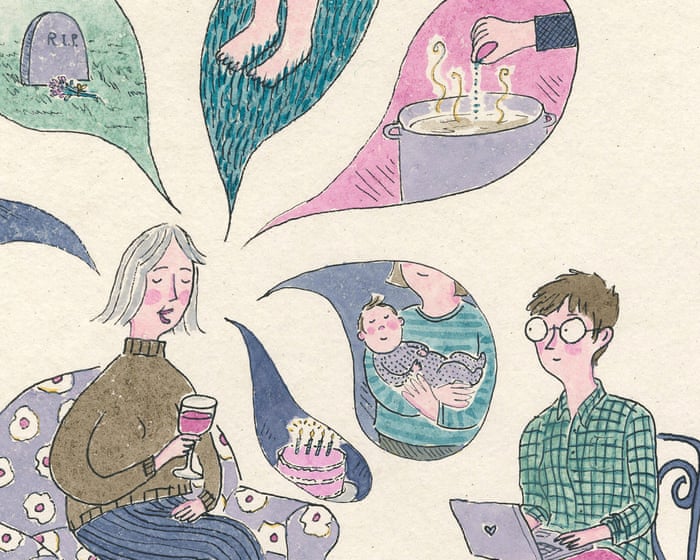
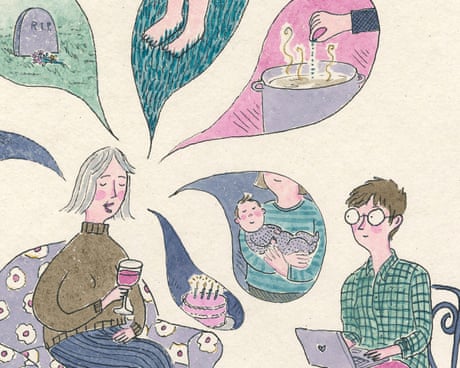
In the eight years since my graphic novel on death published, I’ve learned readers of all ages want to talk about loss and preserve their family’s stories

Becoming an author in my late 50s was unexpected, the result of my daughter Hallie’s own existential anxiety in her early 20s.

Fearing my untimely demise, she begged me to write down advice that would cover all of life’s bases going forward. I agreed, but put the project off for years; it wasn’t until she cornered me with a laptop on vacation that I gave in. She asked countless questions, and I found, to my surprise, that I had plenty to say. Hallie helped shape the manuscript, and then spent a year painting its warmly emotional gouache illustrations.

I lost a parent (or other loved one, including spouse or beloved pet) and your book helped me through.

I gave the book to my kids and wrote my own notes in the margins.

I can’t bear the thought of my mom or dad dying, but they don’t want to talk about it. I’m hoping that sharing the book with them will start some conversations.

Continue reading...

© Illustration: Hallie Bateman/The Guardian

© Illustration: Hallie Bateman/The Guardian

© Illustration: Hallie Bateman/The Guardian

  •  

Experts warn AI copyright changes could breach Australian constitution and spark huge compensation rights case

Scraping copyrighted material from internet could ‘potentially’ amount to acquisition of property by government, Anne Twomey says

Altering copyright law to allow AI companies to scrape music, books and journalism could trigger a constitutional breach, Coalition senators and the recording industry have warned, as they raise new fears it could open Australia to massive legal action and compensation claims from rights holders worldwide.

The attorney general’s department admitted it was “extremely alive” to the issue, and Australia’s leading constitutional expert, Anne Twomey, agreed there was “potentially” a concern – depending how legislation was drafted – that granting AI companies permission to scrape copyrighted material from the internet could amount to an acquisition of property by the government.

Continue reading...

© Photograph: Lukas Coch/AAP

© Photograph: Lukas Coch/AAP

© Photograph: Lukas Coch/AAP

  •  

The best recent translated fiction – review roundup

Minihorror by Barbi Marković; Paradise Burns by Pol Guasch; Hafni Says by Helle Helle; Googling for Soul by Hamid Ismailov

Minihorror by Barbi Marković, translated by Jen Calleja (Faber, £14.99)
This eccentric and fantastical collection of very short stories is bursting with weird life. Mini and Miki (the Disney mouse names in Serbian) are a sometime boyfriend and girlfriend living in Austria. They visit Mini’s family, who gather round a pit and make her climb down into it (when she told Miki “they’re dragging me down”, he thought it was a metaphor). They visit Miki’s family, where a dog Mini draws on a card comes alive and attacks her. Things swing from hopeful – “they’re having fun like a couple in an advert” – to dismal: a hair dye goes wrong and “Mini looks like a 13-year-old dog”. Minihorror combines a Bernhardian comic gloom (“in summary, everything’s tainted, and existence is a particular hardship”) with antic energy. “Miki isn’t sure what to think about life. Is it good? Is it bad?” It’s everything, just like this book.

Paradise Burns by Pol Guasch, translated by Mara Faye Lethem (Peninsula, £12.99)
“Stories, if you give them an order, aren’t stories but lies.” Catalan author Guasch makes the point vividly in this novel which flits briskly from present to past and from narrator to narrator. It’s set in a changed climate – “One only knows it’s winter now by the shrunken days and long nights” – where young men join a firefighting service and fight “wildfire simulations of blazes that could not be put out”. The central characters are friends Rita and Líton, but Líton is dead when the book begins – “twenty-four short years, a life as fleeting as a shooting comet” – so the story goes backward, to find out why. The jumpy narrative ranges from Rita’s childhood diary, to three “crafty old biddies” in the neighbourhood, to Líton and his lover René. But inside the hectic structure is a tribute to the value of friendship, and how a friend “has to be the net beneath the tightrope that is life”.

Continue reading...

© Photograph: /Apollonia T. Bitzan

© Photograph: /Apollonia T. Bitzan

© Photograph: /Apollonia T. Bitzan

  •  

Philippa Gregory: ‘I read 100 of the 18th century’s most popular novels – the perfect author’s apprenticeship’

The British novelist on discovering Molly Keane, coming to Dickens late, and the books that taught her the importance of writing about history

My earliest reading memory
My mother always read me a bedtime story, but by around age three, I was not looking at the pictures but reading the text. After that, I read to myself, and would read four books a week from the library.

My favourite book growing up
As a child I read Elizabeth Goudge’s The Little White Horse, and the combination of history and gothic fantasy was very powerful for me. It’s realistic and charming and frightening without being nightmarish. It started my love of historical fiction, and has since become a family favourite for my own children.

Continue reading...

© Photograph: Chris Leah

© Photograph: Chris Leah

© Photograph: Chris Leah

  •  

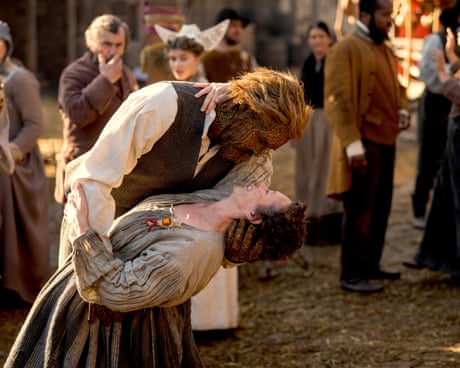
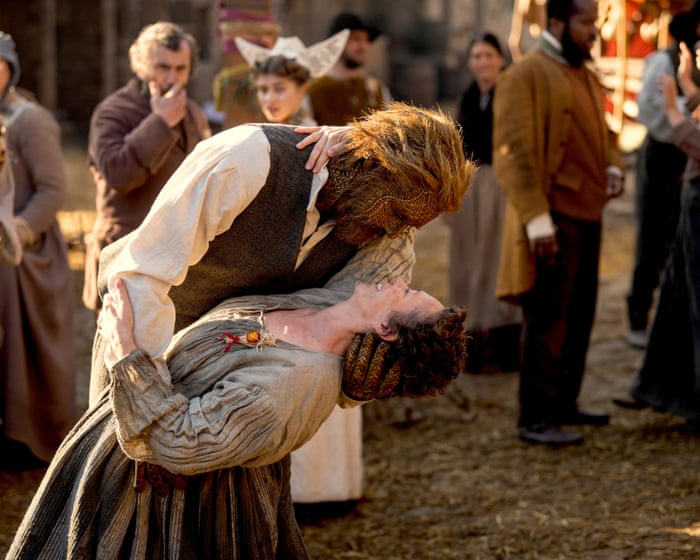
‘I saw the script and went: oooh!’ Olivia Colman and Alexander Skårsgard on their steamy folk-horror movie Wicker

She plays a depressed fisherwoman. He plays a man made of wicker who is solely dedicated to her pleasure. How did the actors feel about this strange, emotional connection – and what did Colman draw from her own marriage?

Another year, another raunchy comedy-drama in which Alexander Skarsgård is the answer to a social outcast’s erotic dreams. “I fucking loved Pillion so much!” says Olivia Colman, reliably sweary straight out of the gate, as she brings up last year’s British indie hit starring Skarsgård as a leather-clad dom with a timid traffic warden as his submissive. “And when they kissed at the end … Aww.” The 52-year-old Oscar-winner for The Favourite gives a mock-sniffle and a little shake of her frizzy grey locks, then pretends to dab her eyes.

Seated beside her in a London hotel room and wearing a bright orange “I’m With Stupid” T-shirt, Skarsgård tilts his head appreciatively. In Pillion, it was Harry Melling who had the privilege of being ravaged by the 50-year-old Swedish actor. Now it is Colman’s turn in Wicker, an earthy adult fairytale filmed in Budapest and set in a medieval village populated almost exclusively by British comic actors who converse in language both archaically formal (“Happy to transact with you”) and bluntly colloquial (“I’d better fuck off”). Among them is Phil Daniels as a leering butcher and Richard E Grant as a doctor who is even more inept at his job than Grant was as a Celebrity Traitor.

Continue reading...

© Photograph: Courtesy of Black Bear

© Photograph: Courtesy of Black Bear

© Photograph: Courtesy of Black Bear

  •  

Attention Seeking Behaviour by Aea Varfis-van Warmelo review – a slippery liar’s tale

Shortlisted for the Goldsmiths prize, this compelling interrogation of memory, justice and truth offers no easy answers

The Goldsmiths prize-shortlisted debut from British-Greek author Aea Varfis-van Warmelo opens with a confession: “I have never told this story before.” The narrator, who bears the author’s name, goes on to tell the reader that she is a liar. From Humbert Humbert’s self-justifying account of abuse in Lolita to the devastating misinterpretation at the heart of Ian McEwan’s Atonement, the trope of the unreliable narrator exposes the dangerous gap between the stories we tell and the truths they obscure. In Attention Seeking Behaviour, the reader is asked to examine their own capacity for trust.

A young woman aspires to be a writer – yet she has paused her postgraduate degree in poetry. She works unfulfilling jobs that demand little from her and has a lot of sex, which she describes as offering her “solitude”. She does all this while lying compulsively. She lies for fun, to flirt, to steal, for sympathy. She lies out of a desire to hurt others, but also to preserve her own privacy. Lying is, as the narrator claims, universal, though success at lying is not. She regards fraudsters and scammers with derision: they are “divorced from reality” and give her “second hand embarrassment”. In her eyes, her own lies are somehow purer.

Continue reading...

© Photograph: Naomi Joanne Delorme

© Photograph: Naomi Joanne Delorme

© Photograph: Naomi Joanne Delorme

  •  

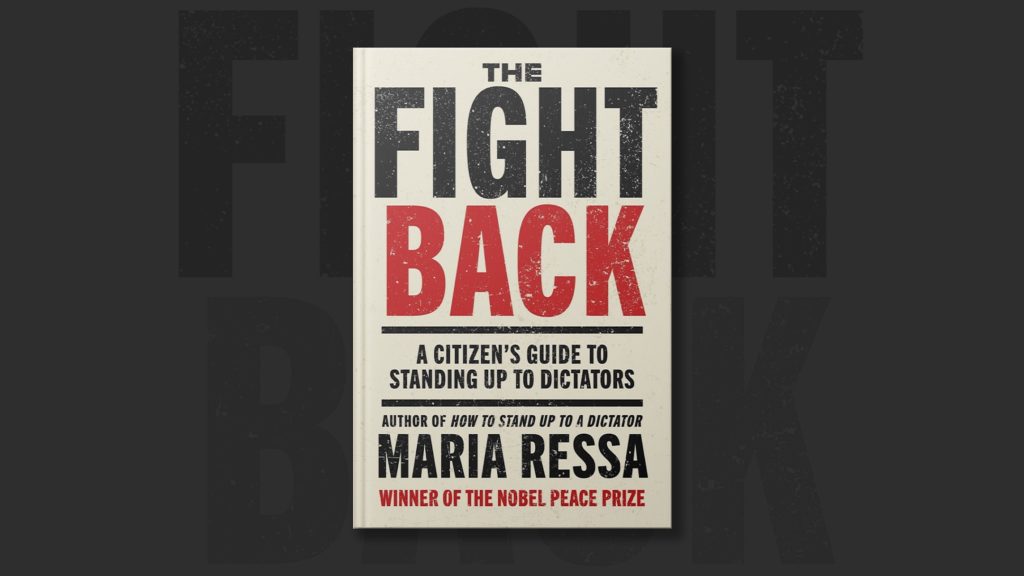
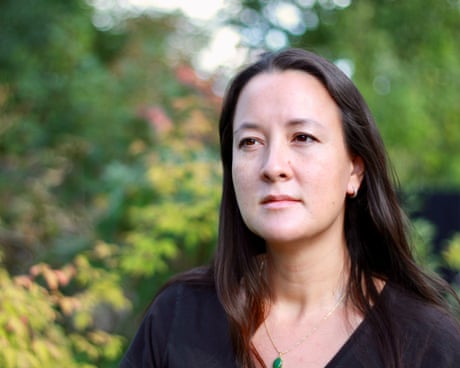
Maria Ressa offers a guide to defending democracy in 'The Fight Back'

Journalist and Nobel Peace Prize laureate Maria Ressa chronicled her fight against the Duterte regime in the Philippines in her 2022 book, "How to Stand Up to a Dictator." She detailed attacks on her reporting and her newsroom's struggle to defend press freedom and democracy. In a new book, Ressa warns of other threats to those same freedoms. Amna Nawaz spoke with Ressa about "The Fight Back."

  •  

Sarah Howe wins Forward poetry prize for best collection

Howe’s ‘exceptional’ Foretokens took the main £10,000 award, while Nur Turkmani, Tara Bergin and Biff Smith swept up the remaining categories

Sarah Howe has won the Forward prize for best collection, one of the UK’s most prestigious poetry awards, for Foretokens, a collection that explores new parenthood, the death of her father and her mother’s early life in Hong Kong.

Howe was announced as the winner during a ceremony hosted by Joelle Taylor at London’s Southbank Centre on Saturday evening, and will receive £10,000.

Foretokens by Sarah Howe (Vintage Publishing, £12.99). To support the Guardian, order your copy at guardianbookshop.com. Delivery charges may apply.

Continue reading...

© Photograph: Marc Lixenberg

© Photograph: Marc Lixenberg

© Photograph: Marc Lixenberg

  •  

Bram Stoker’s Dracula audiobook review – cinematic horror with an A-list cast

Jonathan Bailey, Ella Purnell, Aimee-Lou Wood, Maggie Gyllenhaal and more bring shock and gore to an immersive retelling with real bite
Do we really need another retelling of Bram Stoker’s fabled horror novel, which has already yielded multiple films, plays and radio dramas? Perhaps not, but this new audio version of Dracula, directed by Mary Lambert and adapted by Robyn Aherne, justifies its existence with an unusually star-studded cast, a streamlined story and an immersive and frequently nightmarish sound palette.

Bridgerton’s Jonathan Bailey is smooth and charismatic as the eponymous count who invites a young solicitor, Jonathan Harker (Louis Partridge), to his castle in Transylvania to assist him with the sale of a property. There, Harker becomes increasingly uneasy as he glimpses the count’s diabolical powers and realises that he is, in fact, a prisoner.

Continue reading...

© Photograph: Marc Piasecki/Getty Images for Netflix

© Photograph: Marc Piasecki/Getty Images for Netflix

© Photograph: Marc Piasecki/Getty Images for Netflix

  •  

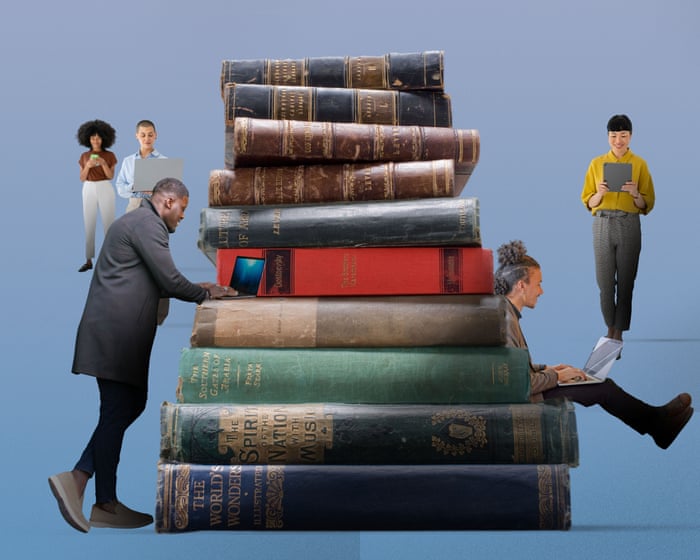
If British Library reading rooms become ‘co-working spaces’, it’s all too easy to imagine what comes next | Andy Beckett

The plan to generate revenue from areas currently used by the public is causing bitter dispute, and raises fundamental questions

In a crowded country that is short of public money, any expansive public building that seems underused in any way is vulnerable. Professional critics of state spending can claim taxpayers’ money is being wasted. Managers of the building who are under financial pressure can argue it needs to be used more intensely, perhaps that some spaces should be commercialised and offered for rent. The original open, uncommodified, egalitarian quality of the building can be steadily sliced away.

The British Library in London is in danger of that fate. A huge brick battleship moored on the Euston Road since 1997, it claims to be the largest public building constructed in the UK in the 20th century. Its both forbidding and exhilarating exterior conceals 11 unusually elegant and comfortable reading rooms and one of the world’s most extensive print and digital collections, free to use for anyone who is over 18. Last week, these readers received an email with the subject line, “Transforming your Library”. Next summer, the library would “begin work on repurposing our [three] Science and Social Sciences Reading Rooms to become a flexible workspace … available for hire by workers and businesses for co-working, collaboration and meetings”. The reason given for removing more than a quarter of the library’s much-loved research space was “ensuring we generate the necessary revenue to keep our core services free”.
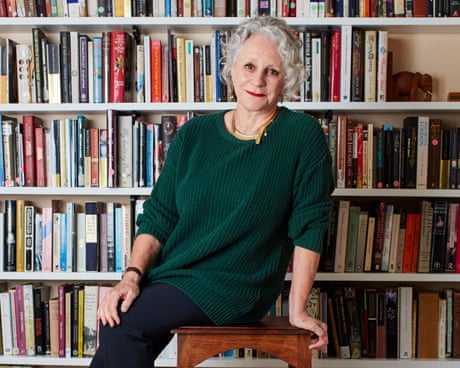
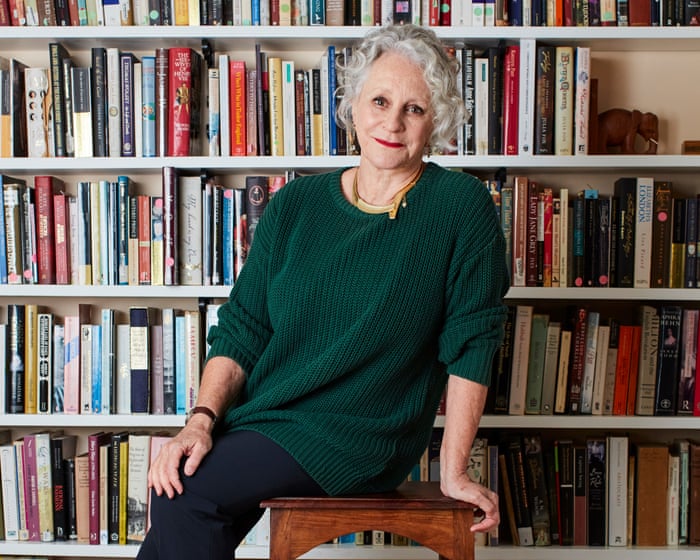
Andy Beckett is a Guardian columnist

Continue reading...

© Composite: Guardian Design/Getty Images

© Composite: Guardian Design/Getty Images

© Composite: Guardian Design/Getty Images

  •  

Are You With Me Now? by Hanif Kureishi review – a novelist unleashed

The constraints of Kureishi’s life after a devastating accident infuse his writing with a new and thrilling immediacy

Some months after returning home, after a grim year in hospitals in Rome and London, Hanif Kureishi begins to rebel. Not against his family, or the physical reality of being tetraplegic (and how could he?), but the liberal homogeneity of Shepherd’s Bush. He gets a diamond stud in his left ear at Westfield shopping centre, a piercing that enraged his father when he was 17. He sends off for a Maga cap and wears both to the farmers’ market, hoping for vitriol but getting nothing. “These quiescent scumbags only cared about themselves and their shopping,” he grumbles. “Being a fascist is far less thrilling than I imagined.”

Kureishi’s “re-punking” after decades in the metropolitan elite remains an ongoing project, just one response to his paralysis after a fall on Boxing Day 2022. His memoir Shattered was written in the long shock of that severance from a former life, which left him with no movement in his hands or legs, “a Beckettian chattering mouth”.

Continue reading...

© Photograph: Sarah Lee/The Guardian

© Photograph: Sarah Lee/The Guardian

© Photograph: Sarah Lee/The Guardian

  •  

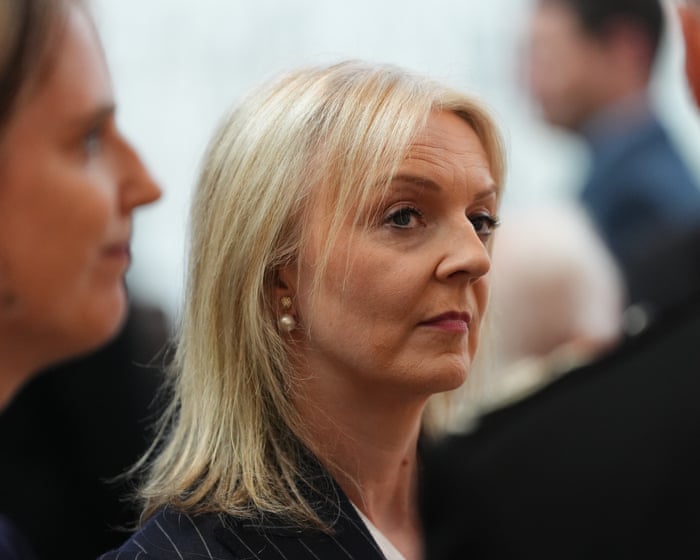
Liz Truss has brought our divided nation together – in mockery of her | Emma Brockes

Though times are hard and days are dark, the former PM’s latest book reminds us of the fun to be had when a figure is so ridiculous but cannot see it

In these times of social and political division, it’s worth doing a quick audit of what keeps us together. Where, as we fight over what constitutes “wealth” and whether or not to go back in on Brexit, are the key sites of consensus? The Celebrity Traitors and the gloriousness of Nigella on Bake Off may offer one area of unity; you can say the words “David Attenborough” to any sample of the population and elicit exactly the same murmur of approval. But, as the recent history of the internet shows, the most forceful bonds are those forged against, rather than in favour of, something. With that in mind, let’s turn to our old friend Liz Truss.

It’s an unusual position, isn’t it, wondering if we might owe a debt of gratitude to the former prime minister who, after tanking the value of the pound in 2022 and otherwise carrying on with the efficacy of someone stopped at random in the street and given the keys to government, is widely regarded as the worst ever to have held office. Truss has a book out this week, her second since leaving office, entitled Bank Job: A Short Book on How the Bank of England Broke the Bond Market and Brought Down the Government, and on the evidence of its early reception, it seems likely to prove even more successful in uniting disparate communities of Britain than her previous volume, Ten Years to Save the West.

Emma Brockes is a Guardian columnist

Continue reading...

© Photograph: Jonathan Brady/PA

© Photograph: Jonathan Brady/PA

© Photograph: Jonathan Brady/PA

  •  

Fake film deals and emails from top agents: who is behind the explosion in literary scams?

Writers are being bombarded daily with invitations from fake book groups and offers to publicise their work. For the scamming industry, aspiring authors can be a soft touch

• This piece first appeared in the Dial

‘Hello Professor Snigdha Poonam,” the email began. I read that again. Nobody has ever called me “professor” for the obvious reason that I am not a professor. Bracing myself, I read on. The email was from Timothy Firth, organiser of a Seattle-based life-drawing community with 1,943 members that regularly has “thoughtful discussions inspired by creative works”. A recent inspiration was my first book, Dreamers: How Young Indians Are Changing Their World. The group wanted to discuss it, the email said, at one of its upcoming meetups. Attendees would be encouraged to post reviews on Goodreads and Amazon after.

I looked up CAM Life Drawing and found an events page and an Instagram account. The latter had some photos of Timothy Firth – white, male – as well as testimonials from members who said he worked “day and night to create more community space”. Something told me this wasn’t the man who had reached out to me.

Continue reading...

© Illustration: Anaïs Mims/Guardian Design

© Illustration: Anaïs Mims/Guardian Design

© Illustration: Anaïs Mims/Guardian Design

  •  

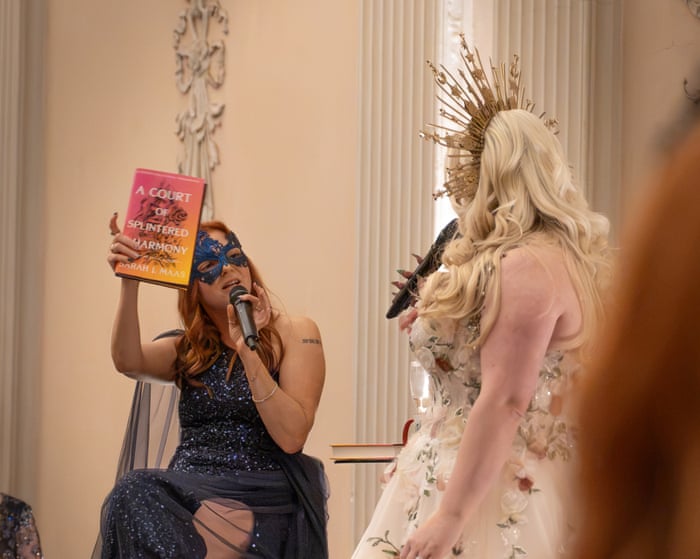
‘We sold out tickets within 13 minutes’: new novel from romantasy author Sarah J Maas sparks fan mania

Move over Oasis – 6,000 people tried to buy 220 tickets to a masquerade ball to celebrate the release of A Court of Splintered Harmony, while specialist bookshops catering for the genre report huge sales

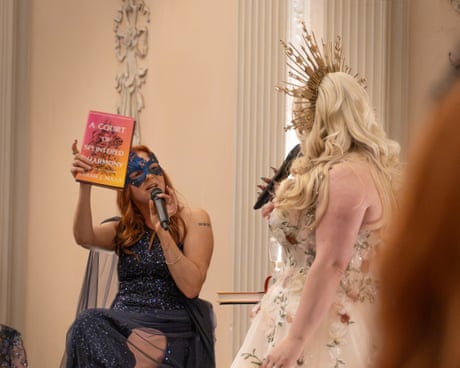
When The Spicy Librarian, a romance bookshop in Leamington Spa, announced a masquerade ball to celebrate the new Sarah J Maas novel, 6,000 people tried to buy 220 tickets. “We sold out within 13 minutes,” says the shop’s co-founder Ali Maynard James. “As soon as tickets went on sale, our website crashed”.

The shop was one of many across the UK marking the release of A Court of Splintered Harmony, the first instalment of Maas’s A Court of Thorns and Roses series in more than five years. On Monday night, bookshops threw parties and opened past midnight – and The Spicy Librarian hired a stately home to mark the occasion.

Continue reading...

© Photograph: Beth Melvin

© Photograph: Beth Melvin

© Photograph: Beth Melvin

  •  

Two years on from our first newsletter … how has the Long Wave evolved?

From AI aunties to long diaspora Uber phone calls, here is a selection of our favourite editions to celebrate our second anniversary

The Long Wave is two! And over the past year, once again, it has surprised us with the breadth of stories and events in the diaspora.

The Long Wave has also evolved into a large community, with many readers getting in touch and sharing their thoughts, tips and sometimes their polite disagreements. We welcome and relish all of it. Here is the team’s selection of our favourite editions.

Continue reading...

© Illustration: Dakarai Akil/The Guardian

© Illustration: Dakarai Akil/The Guardian

© Illustration: Dakarai Akil/The Guardian

  •  

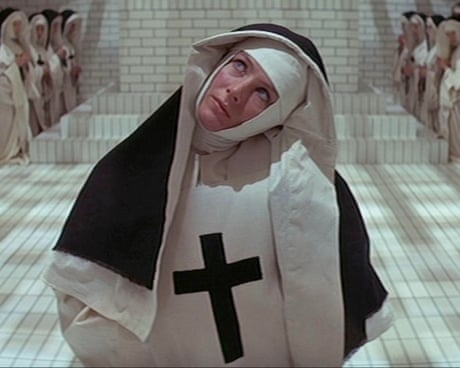
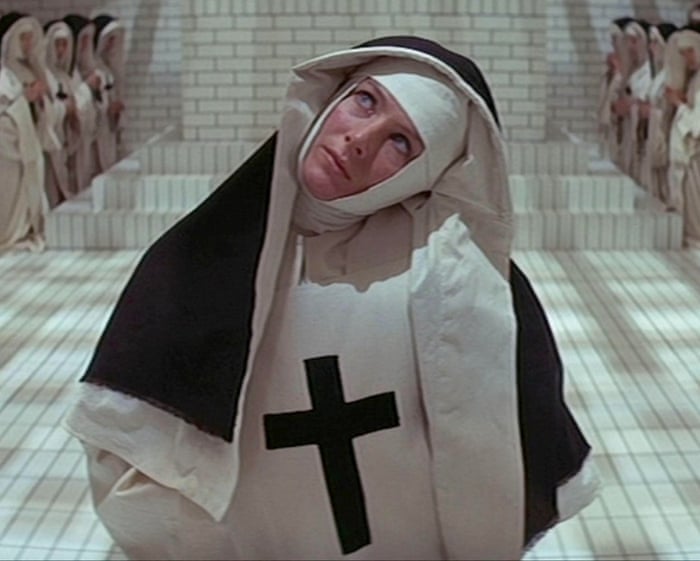
The Devils review – Ken Russell’s 1971 possessed-nuns tale is a frenzied aria of confrontation and hysteria

Oliver Reed and Vanessa Redgrave put in the performances of their lives in this film originally banned for obscenity that highlights the violence of power

‘I could never be Satan’s boy. I haven’t the humility.” The speaker is Father Urbain Grandier, the 17th-century French priest accused of witchcraft, stylishly played by Oliver Reed, in Ken Russell’s scabrous 1971 classic; it is now restored and rereleased in its complete form after years of censorship. It comes from an era when movies, playing in high-street cinemas, still had the power to shock, to position that shock in the polite cultural mainstream and to compel serious discussion about whether that shock – or, conversely, a ban – was justified.

The Devils is based on a true story of politically directed mass hysteria, adapted by Russell from two literary works: Aldous Huxley’s The Devils of Loudun and John Whiting’s stage play The Devils. Of course it is obscene; obscenity is the glowing sulphurous paint which Russell is applying to the canvas. It is about obscenity – but the obscenity does not reside in the sexualised images of the crucified Christ or naked nuns disporting themselves; it is the violence of authority that is shown to be obscene. The idea of martyrs or heretics being burned at the stake has long been an accepted fact recounted in U-certificate history lessons, and a punishment which survived well into the European enlightenment. Russell shows you what it might actually look like and that is to involve a confrontational assault on good taste.

Continue reading...

© Photograph: Landmark Media/Alamy

© Photograph: Landmark Media/Alamy

© Photograph: Landmark Media/Alamy

  •  

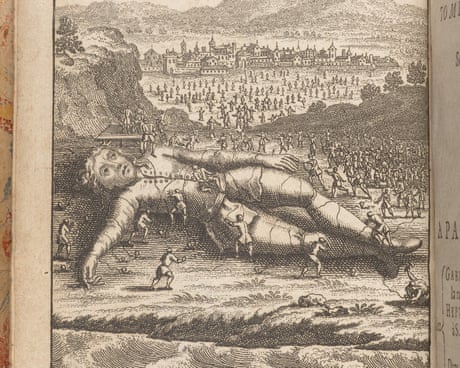
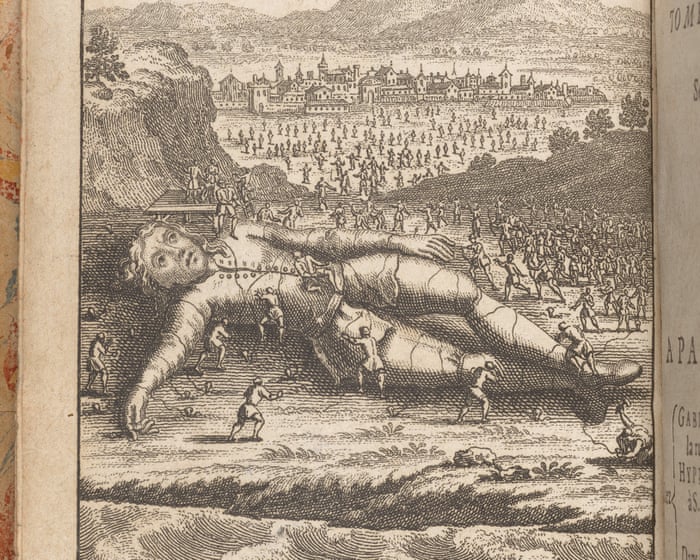
Gulliver fans celebrate three centuries of Jonathan Swift’s classic satire

Events in Ireland explore origins of Gulliver’s Travels, the Dublin clergyman’s book that became an instant hit in 1726

In March 1726, an Irish clergyman visited London and arranged for a courier to deliver a manuscript to a publisher under cover of night. The dean of St Patrick’s Cathedral in Dublin knew his novel would cause trouble and wanted to publish it anonymously.

His name was Jonathan Swift and the story was called Travels into Several Remote Nations of the World. The satirical work was published that October and is better known 300 years on as Gulliver’s Travels.

Continue reading...

© Illustration: Trinity College Dublin digital collections department

© Illustration: Trinity College Dublin digital collections department

© Illustration: Trinity College Dublin digital collections department

  •  

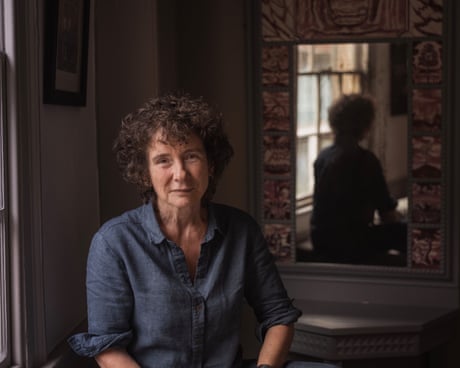
‘There is no inevitable dystopia’: Jeanette Winterson on AI and the future of humanity

The author believes we are at a turning point as a species – and even in the shadow of big tech it’s up to us how we want to proceed

‘I am a storyteller by trade,” writes Jeanette Winterson on the first page of her 2021 book 12 Bytes, an idiosyncratic and thought-provoking series of essays in which she considered just how artificial intelligence might change everything about our lives. “And I know everything we do is a fiction until it’s a fact: the dream of flying, the dream of space travel, the dream of speaking to someone instantly, across time and space, the dream of not dying – or of returning.”

She had already been thinking about our possible futures for at least 15 years – her 2007 novel, The Stone Gods, for instance, imagined a post-climate catastrophe world populated by robots and humans who never age, while 12 Bytes was preceded by Frankisstein: A Love Story, which alternates a recreation of the summer Mary Shelley wrote Frankenstein with a trans doctor’s travels among present-day cryogenecists and AI-enabled robots.

Continue reading...

© Photograph: Sarah Lee/The Guardian

© Photograph: Sarah Lee/The Guardian

© Photograph: Sarah Lee/The Guardian

  •  
❌