Reading view

US public libraries at ‘breaking point’ amid ideological attacks, report finds

PEN America study details verbal and physical threats to librarians, funding cuts and proliferation of book bans

Public libraries in the US are “at breaking point” because of an onslaught of political interference, harassment and ideological censorship, a new report published on Tuesday said.

Book bans, cancelled story hours, attacks on librarians, funding cuts and the undoing of libraries’ independent governance are examined by the free expression advocacy group PEN America in its study called Out of Circulation: Expanding Censorship in Public Libraries.

Continue reading...
© Photograph: Juliana Yamada/Los Angeles Times/Getty Images
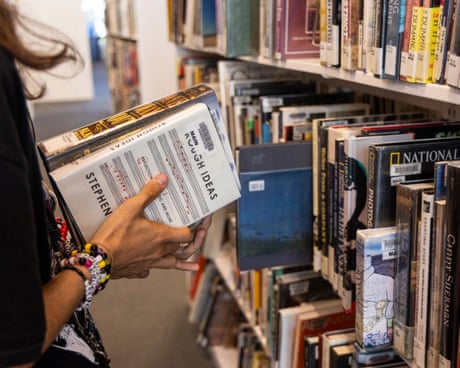
© Photograph: Juliana Yamada/Los Angeles Times/Getty Images
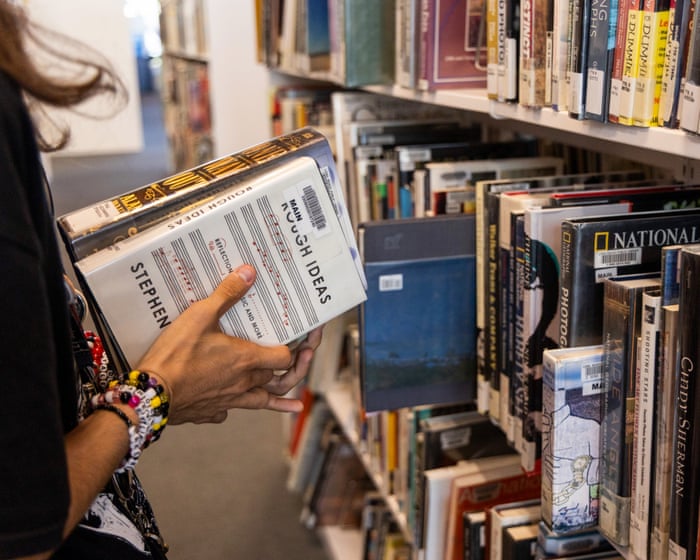
© Photograph: Juliana Yamada/Los Angeles Times/Getty Images


  •  

The man who shaped Trump: book sheds fresh light on ruthless Roy Cohn

American Scoundrel tells story of McCarthy attack dog, mob lawyer and Trump mentor – will the president be thumbing its pages?

Kai Bird and Susan Goldmark have written a book Trumpworld doesn’t want you to read. Published on Tuesday, American Scoundrel is a propulsive, horrifying biography of Roy Cohn, the New York mob lawyer whose extraordinary life charted, as the book’s subtitle has it, a “Dark Journey from Joe McCarthy to Donald Trump”.

“I told my publicist to reach out to any of the Fox News hosts and reporters, to Joe Rogan, Steve Bannon,” Bird said. “We haven’t gotten a peep, other than Joe Rogan. He said he looked at the galleys, and he got back to my publicist and said, ‘I’m not interested.’ I’m kind of surprised. This is a serious biography of the president’s mentor, whom he publicly admires and says he still misses.”

Continue reading...

© Photograph: Sonia Moskowitz/Getty Images
© Photograph: Sonia Moskowitz/Getty Images
© Photograph: Sonia Moskowitz/Getty Images
  •  

Under Story by Chloe Benjamin review – this time-reversal melodrama is quantum hokum

A grieving couple who have lost their son find a way to a mirror universe where time runs backwards – but the narrative machinery is shonky and distracting

There is something farcical – grotesque, even – about life played in reverse. A child falling into a tree. A sandwich emerging from a mouth, bite by reconstituted bite. A doctor unstitching a wound. The world is strange in any order, but rewind helps us notice – makes the ordinary absurd.

Novels that pick a fight with forward momentum tend to harness this absurdity, revel in it. In The Cockroach (2019), Ian McEwan gives us a sneering Brexit fable about political nostalgia. If voters want to turn back the clock, let them. He unleashes “Economic Reversalism”, which sees employees pay for the privilege of work, and every pound sent back to where it came from. In Time’s Arrow (1991), Martin Amis inverts the Holocaust. Just imagine it, he dares us: a network of sanatoriums instead of death camps. A vast machinery of reparation run by benevolent Nazis. How monstrously laughable.

Continue reading...

© Photograph: David Enloe

© Photograph: David Enloe

© Photograph: David Enloe

  •  

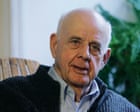
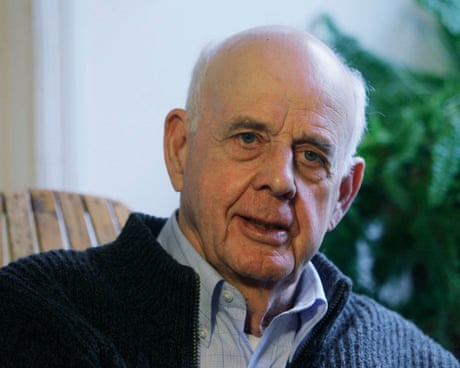
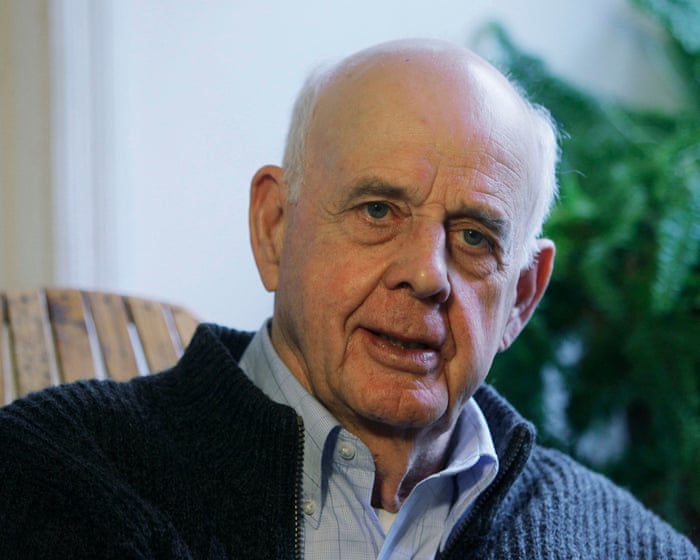
Wendell Berry, US author, farmer and environmentalist, dies aged 92

Author and Kentucky native, who celebrated the farming world of his home state and warned of the excesses of industrial society, died at home

Wendell Berry, the Kentucky-born author and agrarian whose poems, stories, novels and essays celebrated the farming communities of his native state and warned of the excesses and misjudgments of an industrial, commercialized society, has died aged 92.

His daughter, Mary Berry, confirmed on Monday that he died in his home in Port Royal, Kentucky.

Continue reading...

© Photograph: Ed Reinke/AP

© Photograph: Ed Reinke/AP

© Photograph: Ed Reinke/AP

  •  

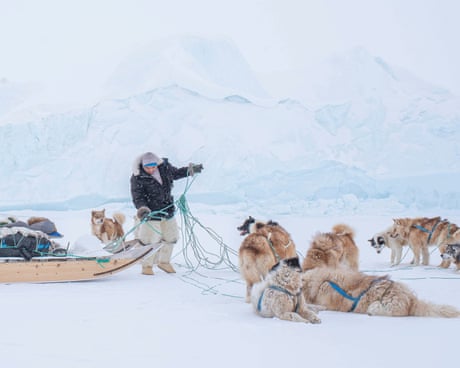
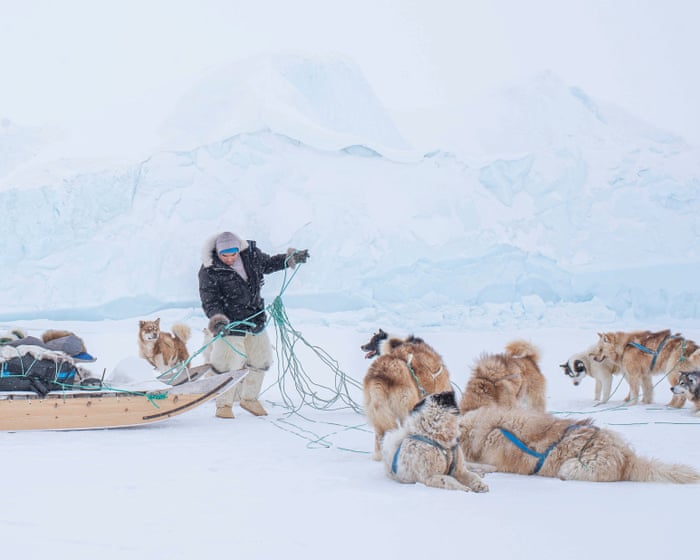
Scaring monkeys? Detecting bedbugs? Meet the elite working dogs – in pictures

John Fabiano has travelled the globe photographing dogs with jobs – from Italian truffle sniffers and Greenlandic sled dogs to Perla the hotel receptionist in Cologne

Continue reading...

© Photograph: John Fabiano

© Photograph: John Fabiano

© Photograph: John Fabiano

  •  

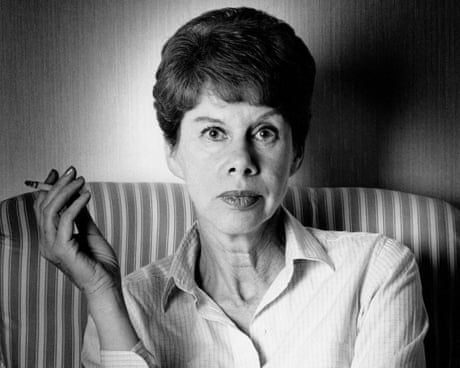
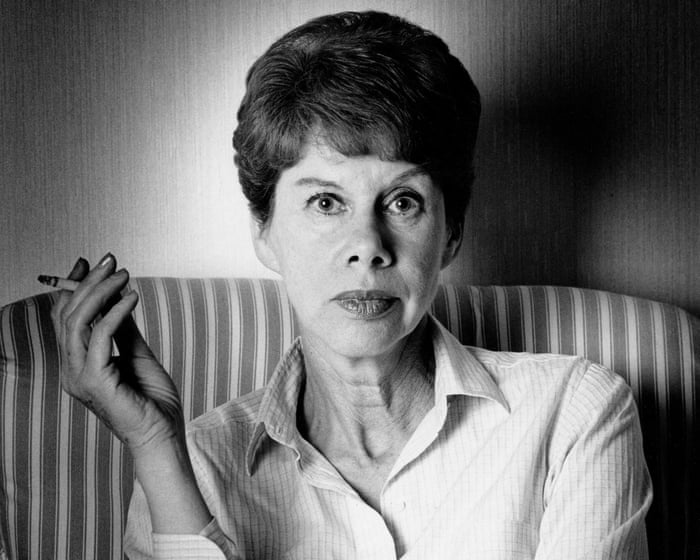
Anita Brookner by Hermione Lee review – an enigmatic literary great given her due

This exhaustive biography of the Booker winner brings her properly out of the shadows for the first time

‘Dr Weiss, at forty, knew that her life had been ruined by literature.” The first fictional sentence Anita Brookner ever published, aged 53, in A Start in Life, certainly set a tone. If people have heard of Brookner today, Hermione Lee says, they imagine a lonely, cardiganed woman yearning for an absent lover. “This,” says Lee (an emeritus English professor at the University of Oxford), “won’t do.”

The cardiganed image confuses the author with her protagonists. Of 24 novels written across 30 years, only the first four – A Start in Life, Providence, Look at Me and Hotel du Lac – are about a single woman pining for love. There is certainly a “Brooknerian” style, characterised by elegance, restraint and melancholia, but her fiction engaged with our emotional lives broadly, examining family, exile, home, trauma, ageing and much more.

Continue reading...

© Photograph: Mike Abrahams/Alamy Stock Photo/Alamy Live News.

© Photograph: Mike Abrahams/Alamy Stock Photo/Alamy Live News.

© Photograph: Mike Abrahams/Alamy Stock Photo/Alamy Live News.

  •  

Gen Z ‘Chinamaxxers’ fantasise about life in China. This journalist and this artist can never go back there

A graphic novel by Melissa Chan and Badiucao imagines China and the US at war in 2035. They hope to remind young people that ‘authoritarianism everywhere is bad’

Drinking Tsingtao beers, eating congee, walking with hands behind their backs: for many young people in western countries, “Chinamaxxing” has become all the rage. Some content creators have even gone beyond the jokes about being in “a very Chinese time in my life” and have followed this passion to the Middle Kingdom: making TikToks in Chongqing’s multilayered metropolis, bathing in Chengdu’s 24-hour spas or backflipping on the Great Wall of China.

This irreverent, mostly ironic trend is jarring for some, but Chinese Australian artist Badiucao and Chinese American journalist Melissa Chan don’t want to lecture the so-called Chinamaxxers.

Continue reading...

© Photograph: Blake Sharp-Wiggins/The Guardian

© Photograph: Blake Sharp-Wiggins/The Guardian

© Photograph: Blake Sharp-Wiggins/The Guardian

  •  

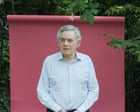
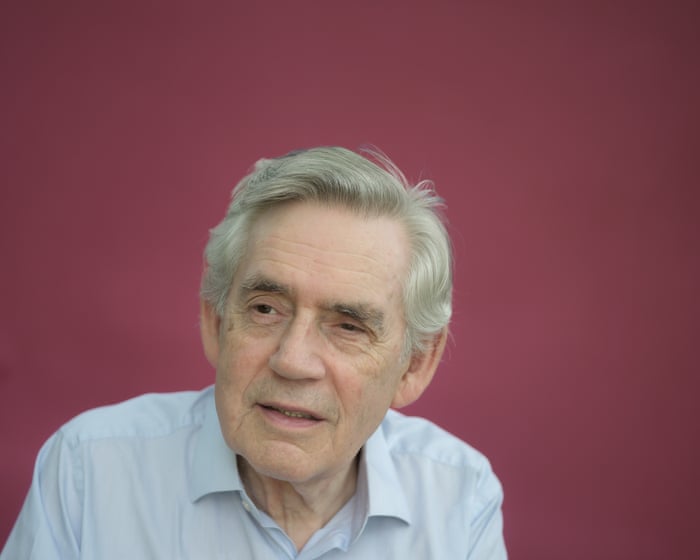
The Future Starts With Us by Gordon Brown review – the ex-PM’s recipe for beating populism

Global crises are tightly linked to how we treat each other at the local level, argues this optimistic book

In times of crisis, there is one person to whom the left still turns for guidance.

More than a decade and a half after leaving government, Gordon Brown has mellowed into the Labour party’s favourite wise elder; one who has never disappointed the faithful by going off to make a ton of money, remaining quietly committed to public service and deeply engaged with the world’s knottier problems. Having successfully led the global response to the financial crash of 2008, and advocated powerfully during the pandemic for global cooperation against the virus, he was never going to simply sit back and shrug as the world spiralled into conflict and chaos under Donald Trump.

Continue reading...

© Photograph: Margaret Mitchell/The Guardian

© Photograph: Margaret Mitchell/The Guardian

© Photograph: Margaret Mitchell/The Guardian

  •  

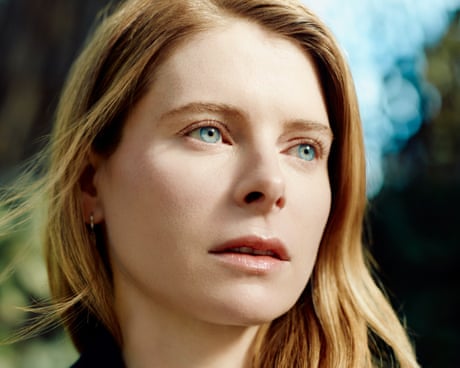
Switzy by Emma Cline review – this Booker-listed account of a man’s last days is profoundly moving

Struggling with Alzheimer’s, the central character sets out on his final journey to a euthanasia clinic

The word “Alzheimer’s” never appears in Switzy, Emma Cline’s third novel, which arrives pre-endorsed as a Booker prize longlistee. But we can be certain that it is the disease afflicting its central character, David Hastings – certain in a way he finds it increasingly hard to be about anything.

When the novel begins, David and his assistant Cody are aboard a private jet flying from his home in the US to the UK. Landing at London City airport (which the book, experiencing its own senior moment, situates in the countryside), they visit David’s daughter and her family before travelling on to Zurich (hence “Switzy”). One more appointment, a catchup with an old boarding school roommate called Tom, awaits just over the French border, after which David will be euthanised at a facility resembling Dignitas.

Continue reading...

© Photograph: PR

© Photograph: PR

© Photograph: PR

  •  

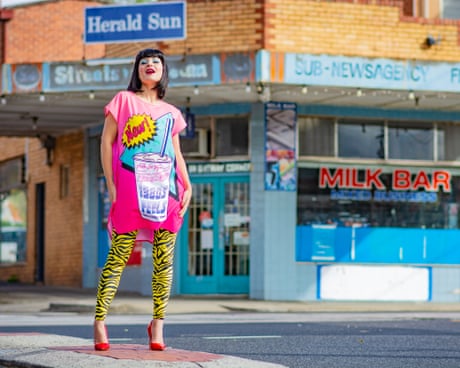
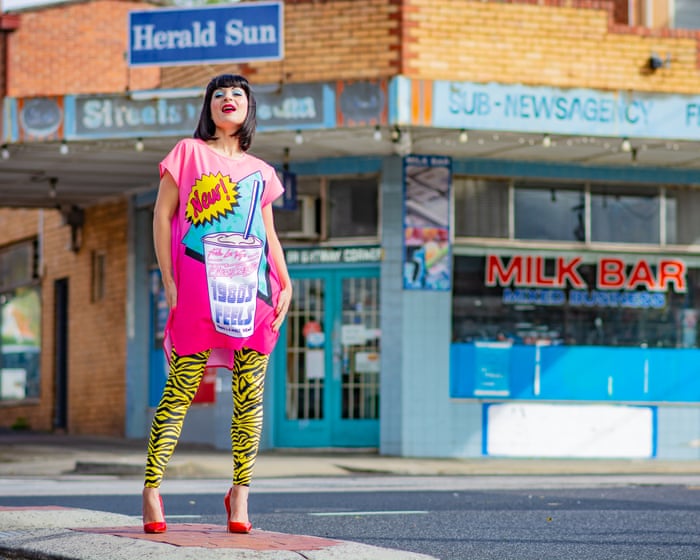
Big things and pink poodles: Frida Las Vegas’s tour of Australian kitsch – in pictures

Stavroula Adameitis, AKA Frida Las Vegas, is an Adelaide-based artist and designer known for her camp, pop art aesthetic. A typical work might feature palm trees, poodles, Greek pillars or bin chickens (Australian white ibises), sometimes all at once. Does it veer into kitsch? ‘I hope so,’ she says. ‘Nostalgia, colour and fun can be very energising, and the feeling we get from these objects in popular culture binds us together.’

The term kitsch comes from the German verkitschen, meaning ‘to cheapen’. In the 19th century it was deployed by elites to look down on the supposedly trashy vulgarity of art for the masses. ‘The idea still carries negative connotations,’ says Adameitis. In her new book, she invites us to stop sneering and start relishing Australia’s unparalleled genius for kitsch: ‘Good kitsch laughs with you not at you. It brings people along for the ride.’

Continue reading...

© Photograph: Eamon Donnelly

© Photograph: Eamon Donnelly

© Photograph: Eamon Donnelly

  •  

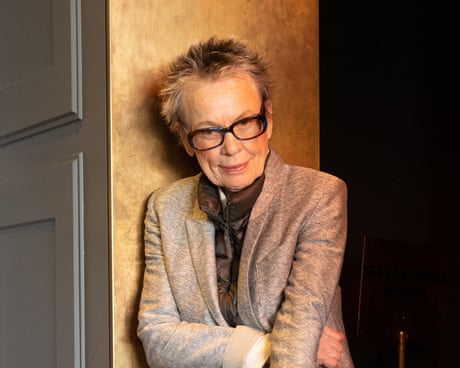
Laurie Anderson’s next manuscript to be locked away for 88 years in Future Library

Grammy award-winning American artist selected as 13th person to submit written work to Oslo-based project

The next manuscript by the American artist Laurie Anderson will remain unseen for 88 years, as she becomes the 13th figure to contribute to the Future Library project.

Anderson joins Margaret Atwood, Han Kang, Ocean Vuong and other prominent authors who have written secret manuscripts, which have been locked away until 2114.

Continue reading...

© Photograph: Wolfgang Tillmans

© Photograph: Wolfgang Tillmans

© Photograph: Wolfgang Tillmans

  •  

Laurie Anderson’s next manuscript to be locked away for 88 years in Future Library

Grammy award-winning American artist selected as 13th person to submit written work to Oslo-based project

The next manuscript by the American artist Laurie Anderson will remain unseen for 88 years, as she becomes the 13th figure to contribute to the Future Library project.

Anderson joins Margaret Atwood, Han Kang, Ocean Vuong and other prominent authors who have written secret manuscripts, which have been locked away until 2114.

Continue reading...

© Photograph: Wolfgang Tillmans

© Photograph: Wolfgang Tillmans

© Photograph: Wolfgang Tillmans

  •  

Ina Garten Says You Can Either Get on Her Train or Get Out of the Way

At 78, the cookbook author and Food Network host knows what she likes, knows what she wants and isn’t stopping anytime soon.

© Philip Montgomery for The New York Times

  •  

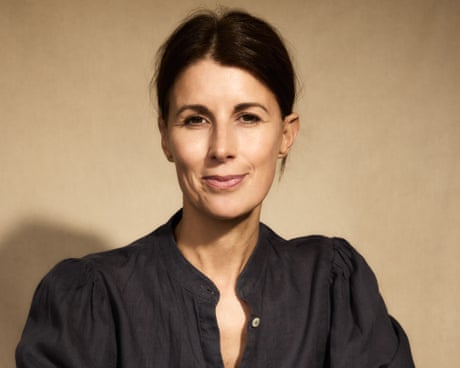
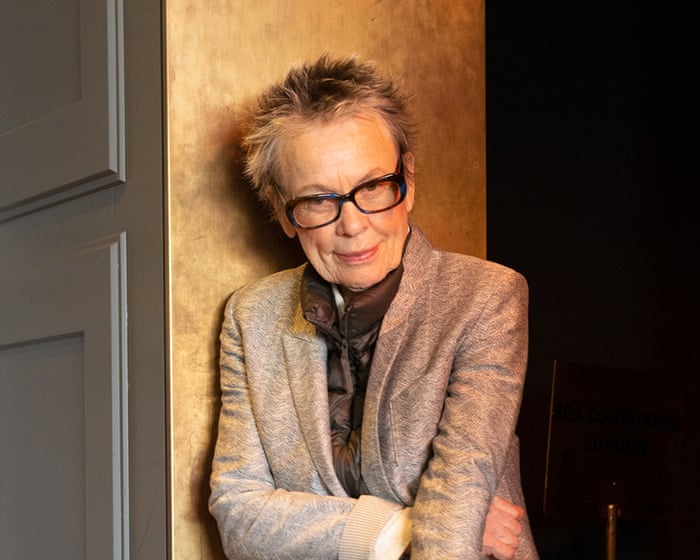
Adele Parks: ‘If I could ​edit my pas​t, I’d be fitter younger – I​ would have been hotter’

The author on the habit she can’t control, the writer she’s never read, and the true love of her life (it’s not her husband)

Born in North Yorkshire, Adele Parks, 57, studied English at the University of Leicester then worked in advertising. In 2000, she published her debut novel, Playing Away, and has since written a book every year. Her latest is Eyes on You. Her work has been translated into 31 languages and in 2022 she was awarded the MBE for services to literature. She is an ambassador for charities promoting literacy including the National Literacy Trust, which is collaborating with the Department for Education on the National Year of Reading 2026. Parks is married with a son, and lives in Surrey.

What is the trait you most deplore in yourself?
Speaking negatively to myself.

Continue reading...

© Photograph: Dave Bennet/Getty Images
© Photograph: Dave Bennet/Getty Images
© Photograph: Dave Bennet/Getty Images

  •  

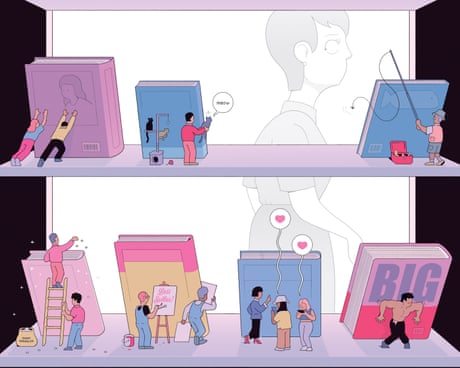
How to make a bestseller: insiders reveal the tricks of the book trade

From cover design to shelf placement and influencer partnerships … how publishers will persuade you to buy their books this autumn

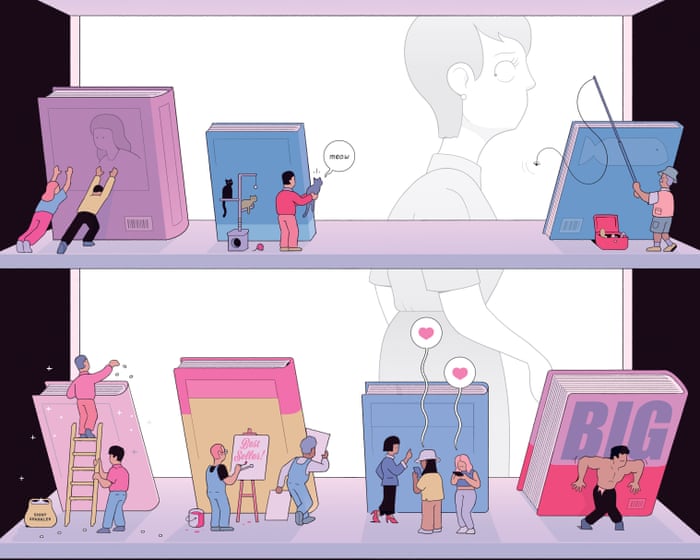
Think about the last book you bought. How did you choose it? Was it from a recommendation, a review, a TikTok video? Did the cover grab you, were you swayed by the quotes on the front, or did you just happen to spot it on an appealing table as you walked into the shop? Did you think about all the nudges that led you to that decision – by the publisher, the bookseller or that person you follow on Insta?

The reality is that our reading choices are directed and massaged at every turn. “It’s all about the art of persuasion,” says Philip Gwyn Jones, who was a publisher for more than 30 years and is now a literary agent. And who are the persuaders? They’re the booksellers, the supermarket stock buyers, the publishing houses and their ranks of marketers and publicists. And, more recently, persuasion often comes from BookTokers and online influencers, social media videos, podcasts and Instagram posts. How is all this changing publishing?

Continue reading...

© Illustration: Giacomo Gambineri/The Guardian

© Illustration: Giacomo Gambineri/The Guardian

© Illustration: Giacomo Gambineri/The Guardian

  •  

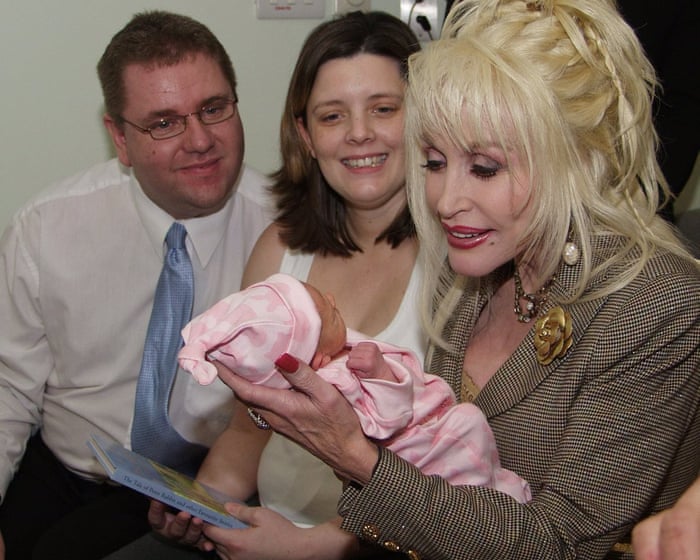
‘In walked this big bundle of energy’: the day Dolly Parton came to Rotherham

Country star came to South Yorkshire town in 2007 for UK launch of the Imagination Library, her book donation scheme

Shane Jarman was up a ladder decorating a Christmas tree at the school where he was deputy headteacher when he got a call asking him to come to Rotherham hospital ASAP. It was December 2007 and Jarman’s wife, Claire, had given birth the previous day to their first child, a girl called Emma, so of course he rushed to the phone. All was well, he was told, but that “everything would become clear” when he got to the hospital.

Once there, his wife told him – somewhat unexpectedly – that they were going to meet Dolly Parton. “And literally within what felt like five minutes,” he recalled, “there were great camera flashes, lots of noise, lots of clicking and in walked this real big bundle of energy.”

Continue reading...

© Photograph: The Rotherham NHS Foundation Trust

© Photograph: The Rotherham NHS Foundation Trust

© Photograph: The Rotherham NHS Foundation Trust

  •  

‘I don’t want to be a backseat driver’: Gordon Brown on Burnham, billionaires – and his vision for a better Britain

The former UK prime minister is still shaping politics (even if he doesn’t want to interfere). He talks about keeping his temper, staying fit – and why he won’t pay £90 for a Scotland football shirt

It’s a Monday in August and as England burns in dystopian heat, Gordon Brown and I are in his office at the top of his house in North Queensferry, overlooking the moody waters of the Firth of Forth. It’s hard to recall the top of my own sauna-like house in London as we stand here in the cool, wearing wool suits and necessary socks, my coat slung over the back of a chair. “I was watching Raith Rovers – the local football team – on Saturday,” Brown says, “and it was really cold. There was a wind blowing in from the sea.” He asks if I’ve heard the famous joke – “Scotland’s only got two seasons: July and winter”– then chuckles. It’s one of his favourites. (I’ll hear him tell it three times today.)

That’s not to say Fife has been untouched by the multiple heatwaves. They had a few sunny days. One hit 24C – “a shock”, Brown says, July temperatures typically being 15-17C. He stood in his kitchen and considered the modest patch of grass at the back of the house. “I never imagined being out in the garden in the summer. I never imagined it because it’s either raining or too cold.” Once out, he found himself battling a “very dangerous” nest of wasps. One family member was stung, then there was the rigmarole of specialists in thick gloves and protective suits undertaking its removal. By the time that was done, the sun had gone in.

Continue reading...

© Photograph: Margaret Mitchell/The Guardian

© Photograph: Margaret Mitchell/The Guardian

© Photograph: Margaret Mitchell/The Guardian

  •  

Children’s books roundup – the best new picture books and novels

Poetry with wonder and wit; a heartwarming tale for horse lovers; a portal to the future; a brilliant YA wartime romance and more


Small Monster, Big Monster by Allan Sanders, Phaidon, £7.95
Refrigerator is EMPTY. Monster is FULL (of pizza!). An eye-wateringly bright board book, featuring splendidly zany, toddler-pleasing pairs of opposites.

The Flying Machine of Dreams by Kate Wakeling, illustrated by Viviane Schwarz, Otter-Barry, £12.99
A delectable picture-book collaboration that perfectly distils the wonder of the everyday, from the textures of a leaf to a squishy-cushioned den. Wakeling’s irresistible poetry is richly heightened by Schwarz’s sweet, strange illustrations.

Continue reading...

© Photograph: Allan Sanders

© Photograph: Allan Sanders

© Photograph: Allan Sanders

  •  

Sophie, Standing There by Meg Mason review – a tale of literary obsession, with cameos from real-life authors

A heartbroken woman becomes fixated on a famous writer in this witty, touching follow-up to Sorrow and Bliss

The protagonist of Meg Mason’s new book, the follow-up to the 2020 tragicomedy Sorrow and Bliss, is an invisible woman. She might well be standing there but you won’t notice her. She’s a techie at literary festivals – the person who shuffles up to a famous writer a few minutes before their event and apologetically slides a microphone cable down their shirt while they’re making small talk with the chair or accepting a bottle of room-temperature mineral water from an anxious publicist.

No man is a hero to his valet, and no writer is a hero to the technical staff lurking in the wings of a venue. Mason’s opening pages present a teasing but not quite libellous series of cameos from real writers: George Saunders deciding at an inconsiderately late stage to insist on swapping his headset for a lapel mic; Ann Patchett being frosty with a fan; Mick Herron accidentally stepping on someone’s foot and not apologising.
Continue reading...

© Photograph: Anne Peeters

© Photograph: Anne Peeters

© Photograph: Anne Peeters

  •  
❌