❌

Reading view

Two years on from our first newsletter … how has the Long Wave evolved?

From AI aunties to long diaspora Uber phone calls, here is a selection of our favourite editions to celebrate our second anniversary

The Long Wave is two! And over the past year, once again, it has surprised us with the breadth of stories and events in the diaspora.

The Long Wave has also evolved into a large community, with many readers getting in touch and sharing their thoughts, tips and sometimes their polite disagreements. We welcome and relish all of it. Here is the team’s selection of our favourite editions.

Continue reading...

© Illustration: Dakarai Akil/The Guardian

© Illustration: Dakarai Akil/The Guardian

© Illustration: Dakarai Akil/The Guardian
  •  

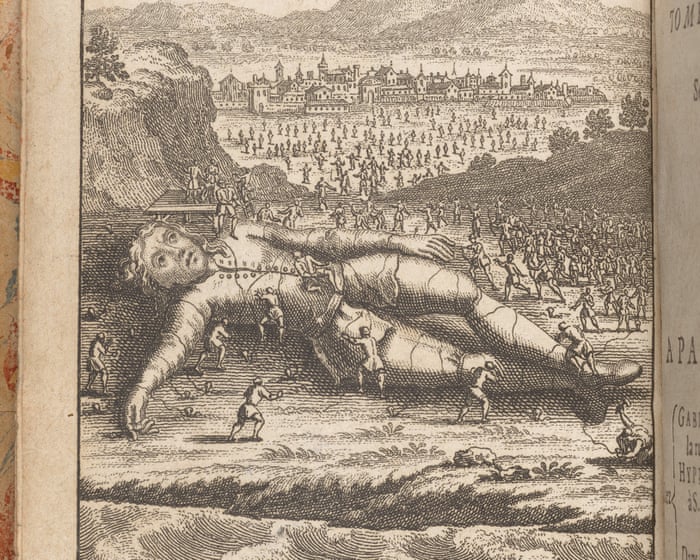
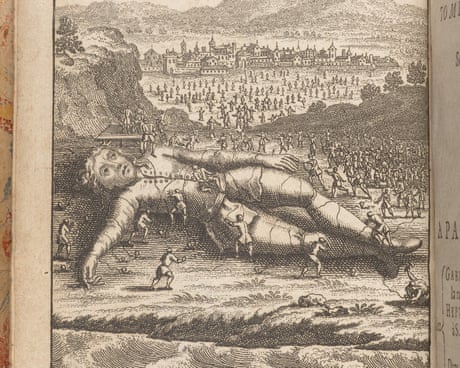
Gulliver fans celebrate three centuries of Jonathan Swift’s classic satire

Events in Ireland explore origins of Gulliver’s Travels, the Dublin clergyman’s book that became an instant hit in 1726

In March 1726, an Irish clergyman visited London and arranged for a courier to deliver a manuscript to a publisher under cover of night. The dean of St Patrick’s Cathedral in Dublin knew his novel would cause trouble and wanted to publish it anonymously.

His name was Jonathan Swift and the story was called Travels into Several Remote Nations of the World. The satirical work was published that October and is better known 300 years on as Gulliver’s Travels.

Continue reading...

© Illustration: Trinity College Dublin digital collections department

© Illustration: Trinity College Dublin digital collections department

© Illustration: Trinity College Dublin digital collections department

  •  
❌