Reading view

Summer of 2026 was UK’s hottest on record, Met Office says

Meteorologists say average mean temperature of 16.5C was made 130 times more likely by climate crisis

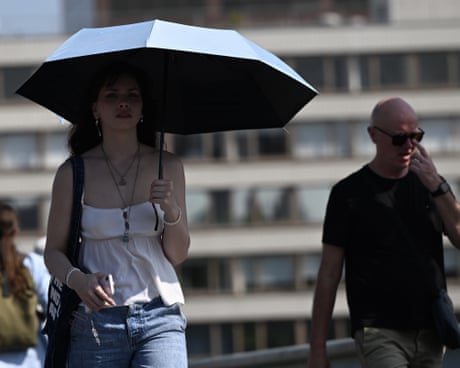
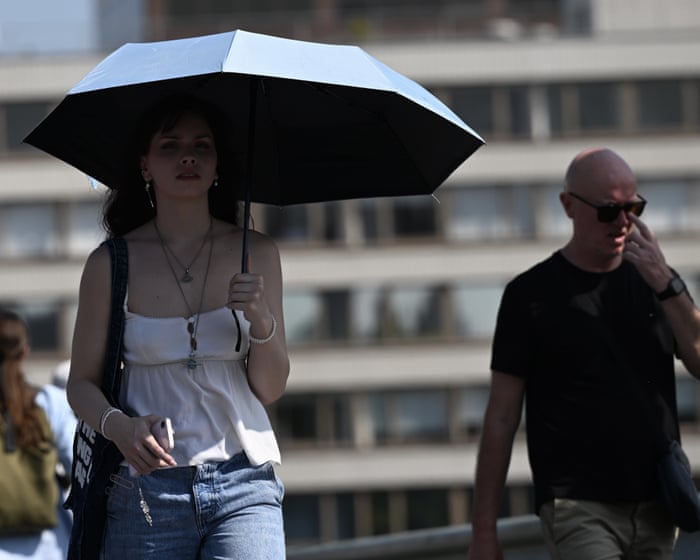
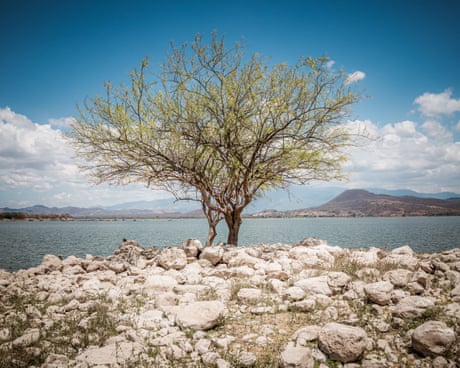
This year’s summer was the UK’s hottest on record, according to provisional data, and the Met Office said the season’s mean temperature was made 130 times more likely by the climate crisis.

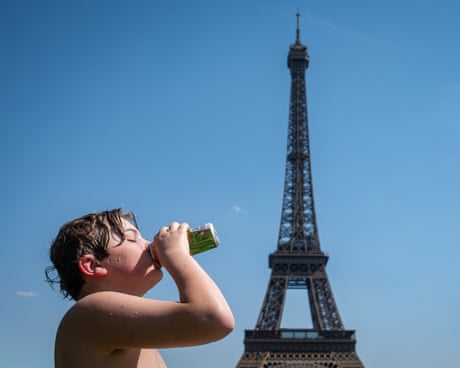
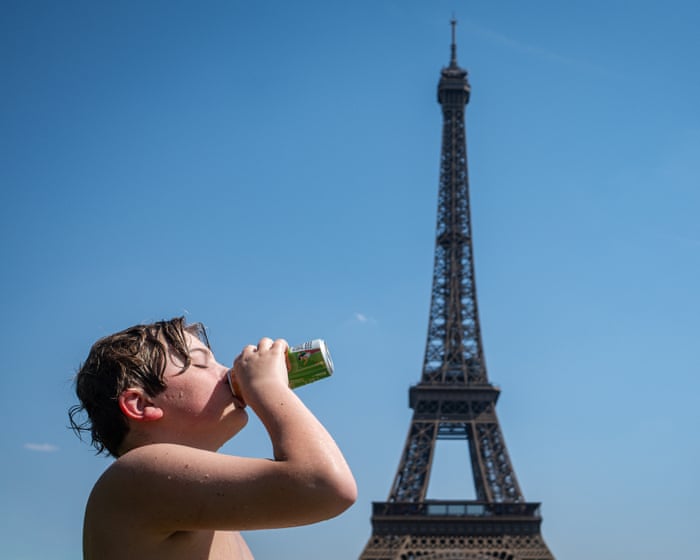
Record-breaking and back-to-back heatwaves have scorched much of Europe. In England, temperatures peaked at 38.1C (100.1F) at Kew Gardens in London on 13 August, and June had already been confirmed as the country’s hottest since records began in 1884. Scientists have said these heatwaves are only possible because of the climate crisis driven by burning fossil fuels.

Continue reading...

© Photograph: Anadolu/Getty Images
© Photograph: Anadolu/Getty Images
© Photograph: Anadolu/Getty Images
  •  

Summer of 2026 was UK’s hottest on record, Met Office says

Meteorologists say average mean temperature of 16.5C was made 130 times more likely by climate crisis

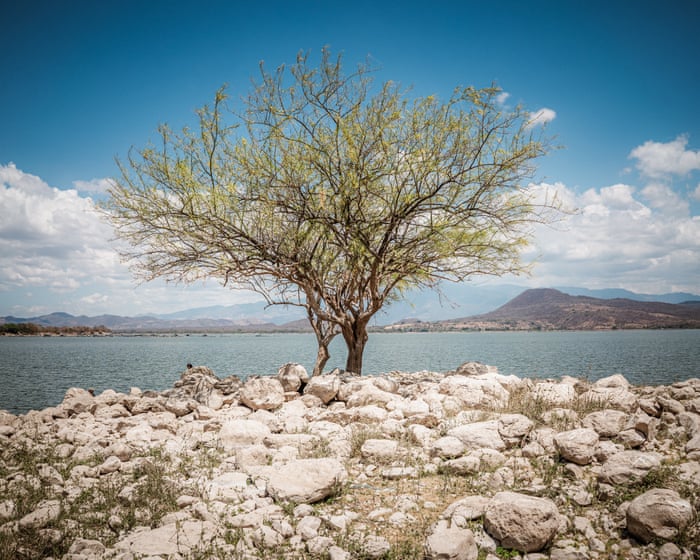
This year’s summer was the UK’s hottest on record, according to provisional Met Office data, with the season’s mean temperature made 130 times more likely as a result of the climate crisis.

The summer saw record-breaking and back-to-back heatwaves scorch much of Europe. In England, temperatures peaked at 38.1C (100.1F) at Kew Gardens in London on 13 August, with June already confirmed as the country’s hottest since records began in 1884. Scientists have said these heatwaves are only possible because of the climate crisis driven by burning fossil fuels.

Continue reading...

© Photograph: Anadolu/Getty Images

© Photograph: Anadolu/Getty Images

© Photograph: Anadolu/Getty Images
  •  

‘They take the water, the springs dry up’: fear as Guatemalan goldmine plan is revived

After lying dormant for years, the Era Dorada project in Asunción Mita resumed this year and villagers say history is being repeated, despite promises of change

In the community of La Lima in Guatemala, Elda Dinora Ramírez, 58, looks towards a small well at the back of her home. Dusty wooden planks lie across the opening, concealing the faint gleam of water far below. “The well is drying up again,” she says.

Ramírez’s home lies less than a mile from Era Dorada – a goldmining project acquired by the Canadian multinational Aura Minerals in January 2025. After years of inactivity, the project was reactivated this year when the Guatemalan government granted Aura a construction licence.

Continue reading...

© Photograph: Euan Wallace

© Photograph: Euan Wallace

© Photograph: Euan Wallace

  •  

Forest Service chief faces scrutiny over logging ties as Trump plans to scrap protections

Rollback of ‘roadless rule’ expected to benefit companies US Forest Service chief, Tom Schultz, previously lobbied for

Donald Trump this month announced plans to rescind a landmark rule that has protected old-growth forests in the US for 25 years. If finalized, the rollback is expected to benefit the companies that Tom Schultz, chief of the US Forest Service, represented in his previous roles as a timber industry lobbyist and executive, according to research by consumer advocacy non-profit Public Citizen.

The Roadless Area Conservation Rule, more commonly known as the “roadless rule”, was adopted in 2001 to limit development in roughly 45m acres of national forest. Industry interests and Republican representatives have long lobbied for the rule’s rescission, which would open up those swaths of untouched land to road construction, drilling and logging.

Continue reading...

© Photograph: The Washington Post/Getty Images
© Photograph: The Washington Post/Getty Images

© Photograph: The Washington Post/Getty Images
  •  

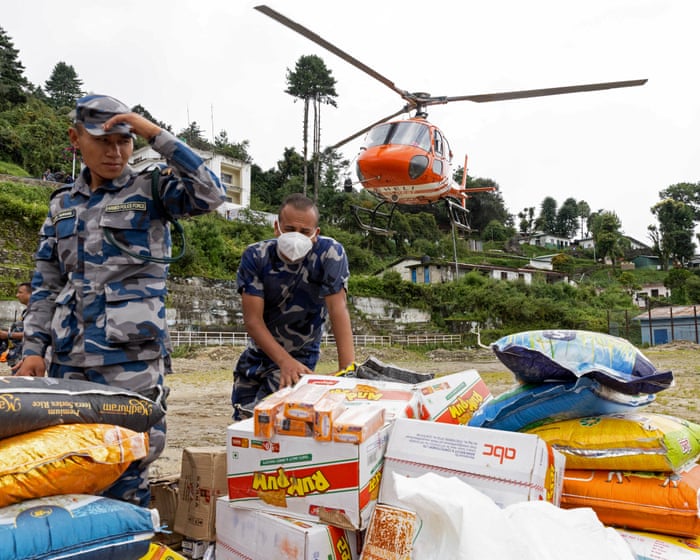
Nepal’s glacial collapse foreshadowed a future of climate disaster | Michael Mann

The deluge capped a summer of extreme climate events, from deadly heatwaves to wildfires. We must take action now

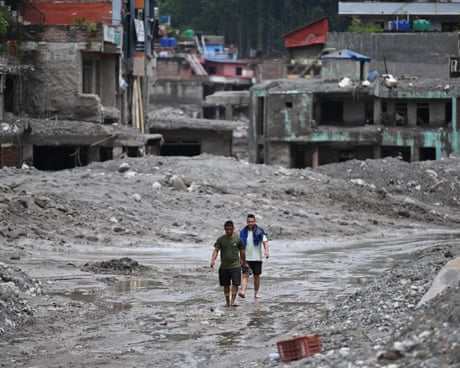
For millennia, the high peaks of the Himalayas were held together by an invisible, frozen cement – permafrost and glacial ice that bound ancient rock into seemingly unshakable fortresses. But as the planet continues to warm, this alpine glue is liquefying.

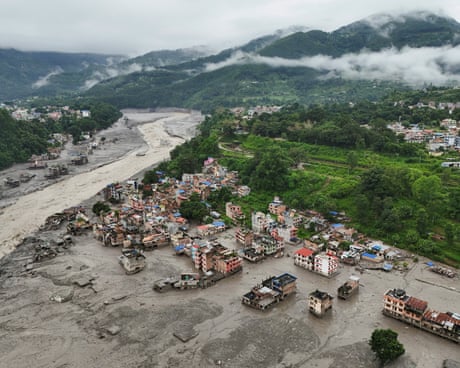
The glacial collapse and deluge in Nepal and Tibet was not a freak weather event; it was the structural failure of a mountain itself, nature’s latest commentary on the deadly consequences of human-caused planetary warming. And it was the exclamation point on a summer of extremes, illustrating with a sole unnatural disaster the apocalyptic future that lies in store if we fail to take dramatic climate action.

Continue reading...

© Photograph: Prabin Ranabhat/AFP/Getty Images

© Photograph: Prabin Ranabhat/AFP/Getty Images
© Photograph: Prabin Ranabhat/AFP/Getty Images

  •  

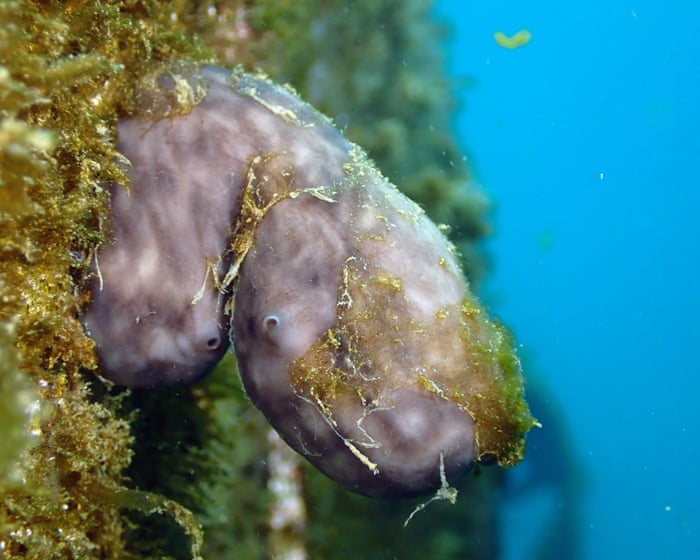
Could this humble sea sponge clean up the world’s ports?

The chicken liver sponge has sailed through a test of its ability to filter pollutants in a harbour in Spain’s Costa Brava

In the polluted waters of Marina Palamós on Spain’s Costa Brava, Manuel Maldonado, a sponge biologist, noticed something unusual last month: red starfish had started settling in the area.

Nearly two years earlier, the Spanish National Research Council scientist and his colleagues had begun transplanting sea sponges into the port to study whether they could survive in its polluted waters.

Continue reading...

© Photograph: Carlota Escarré

© Photograph: Carlota Escarré

© Photograph: Carlota Escarré

  •  

‘The mountains are changing’: What the floods tell us about the future of India’s Himalayas

As families await news of missing loved ones, the disaster is a stark reminder of how the climate crisis is creating a fast-growing threat. Plus, the town considered India’s ‘Jurassic Park’

Don’t get This is India delivered to your inbox? Sign up here

It has been hard not to despair while watching the ruinous floods swallow parts of Nepal, and harder, still knowing that the agony compounds each passing day for dozens of Indian families whose members remain unaccounted for.

Social media is awash with desperate pleas, photos and details of the young and old, men and women, from Mumbai to Kolkata, posted by families searching for traces of life. The disaster unfolded when a melting glacier slammed into the valley below, unleashing a deadly cascade of rock and ice down the Bhote Kashi River, which flows from Tibet into Nepal.

Continue reading...

© Photograph: Navesh Chitrakar/Reuters

© Photograph: Navesh Chitrakar/Reuters

© Photograph: Navesh Chitrakar/Reuters

  •  

Solar cuts ‘at least £400 from bills in even the cloudiest British areas’

Savings grow as energy prices in Great Britain rise and cost of panel installation falls, analysis finds

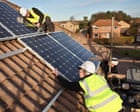
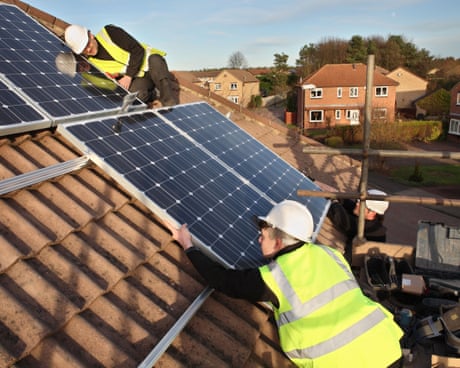
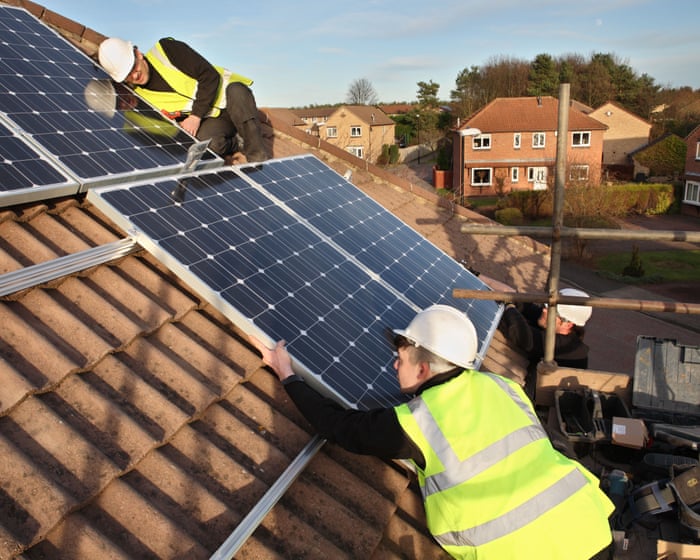
Households in Great Britain’s cloudiest regions could still save more than £400 a year on their energy bills by installing rooftop solar panels, research has found.

Rising wholesale energy prices mean the potential savings from a home solar panel system have climbed in recent years, as the cost of installation has continued to fall, leading to increased demand.

Continue reading...

© Photograph: Washington Imaging/Alamy

© Photograph: Washington Imaging/Alamy

© Photograph: Washington Imaging/Alamy

  •  

Cities sweltering and the smell of the middle ages: has the climate crisis killed Instagram’s Euro summer? | Brigid Delaney

Who dreams of having a Euro summer now when staying in an ancient, uncooled building in the Old Town is like trying to sleep in a wood-fired pizza oven?

This week the Euro summer comes to an end – and so does a certain type of posting on Instagram.

Waiting at the bus stop in the grey winter dawn, a slanting rain soaking your trouser leg, you can warm yourself by scrolling your feed and seeing pictures of Australians enjoying a Euro summer. There it is again – azure Greek coves, plates of barbecued sardines, the yachts rented by the hour, and selfies on the balcony of some Paris Airbnb, drinking wine in the long, blue night.

Continue reading...

© Photograph: Annice Lyn/Getty Images
© Photograph: Annice Lyn/Getty Images
© Photograph: Annice Lyn/Getty Images
  •  

The Nepal and Tibet flood is a warning: melting snow and ice will bring more disasters around the world | Bill McGuire

In Alaska, the Himalayas, the Andes, Greenland, and perhaps also the Alps, deadly chain reactions are just waiting to be triggered

You may not have felt it, but the earth beneath our feet is getting twitchier, and global heating is to blame. As temperatures surge and climate breakdown accelerates, interactions between climate and geology are becoming ever more apparent – as marked by last week’s horrific events in Nepal and Tibet. We still have a bit of a blind spot when it comes to the idea that a changing climate can impact what scientists call the geosphere, but the evidence has long been incontestable.

In 2021, a similar deluge ripped through a series of mountain valleys in the Indian Himalayan state of Uttarakhand, severely damaging two hydroelectric power plants and taking about 200 lives. In August 2025, a colossal landslide in an Alaskan fjord created a 500-metre-high wave in an area frequented by cruise ships. A few months earlier, the collapse of part of a glacier in Switzerland’s Valais canton caused a debris-laden torrent that destroyed and buried most of the already evacuated village of Blatten.

Bill McGuire is professor emeritus of geophysical and climate hazards at UCL. His latest book is The Fate of the World – a History and Future of the Climate Crisis

Continue reading...

© Photograph: Arun Sankar/AFP/Getty Images
© Photograph: Arun Sankar/AFP/Getty Images
© Photograph: Arun Sankar/AFP/Getty Images
  •  

Dry weather sewage discharges soar as water companies face scrutiny
Exclusive: 7,280 suspected illegal spills in rivers and sea recorded in first five months of 2026

The number of suspected illegal discharges of raw sewage into rivers and seas by water companies during dry weather increased significantly during the first five months of 2026.

Dumping raw sewage into waterways during dry spells via overflows amounts to pollution. It is considered a breach of the permits given to water companies and is illegal. Discharging during dry weather increases the toxicity of the sewage pollution entering waterways. Rivers have less flow and volume, and there is no rainwater to dilute the sewage pollution entering the waterway.

Continue reading...

© Photograph: Dan Kitwood/Getty Images

© Photograph: Dan Kitwood/Getty Images

© Photograph: Dan Kitwood/Getty Images

  •  

Kākāpō rising: 90 chicks swell population of the world’s heaviest parrot

Critically endangered New Zealand bird enjoys record breeding season triggered by mass fruiting of native tree, pushing its numbers to 325

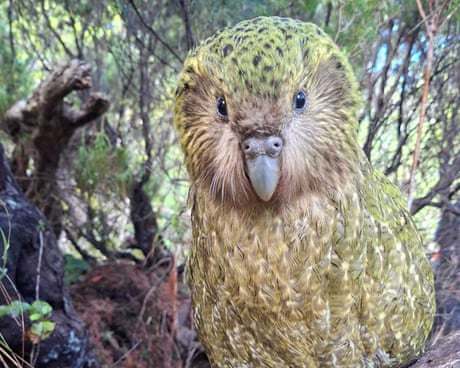
The population of the world’s heaviest parrot, the kākāpō, has surpassed 300 birds for the first time in 75 years, after a record breeding season triggered by the mass fruiting of a native New Zealand tree.

Ninety chicks were officially added to the population of the critically endangered birds on 1 September, pushing the total to 325 – a record high since recovery efforts began.

Continue reading...

© Photograph: Department of Conservation

© Photograph: Department of Conservation

© Photograph: Department of Conservation

  •  

Kākāpō rising: 90 chicks swell population of the world’s heaviest parrot

Critically endangered New Zealand bird enjoys record breeding season triggered by mass fruiting of native tree, pushing its numbers to 325

The population of the world’s heaviest parrot, the kākāpō, has surpassed 300 birds for the first time in 75 years, after a record breeding season triggered by the mass fruiting of a native New Zealand tree.

Ninety chicks were officially added to the population of the critically endangered birds on 1 September, pushing the total to 325 – a record high since recovery efforts began.

Continue reading...

© Photograph: Department of Conservation

© Photograph: Department of Conservation

© Photograph: Department of Conservation

  •  

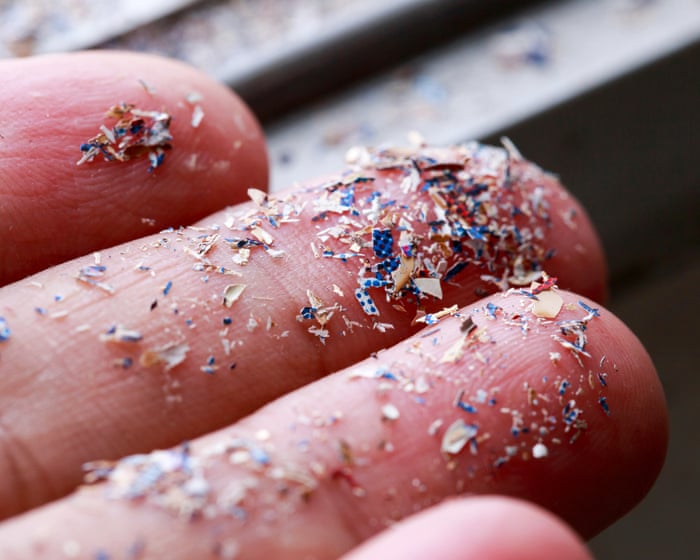
Rising microplastics in soil a threat to UK food security, MPs and campaigners say

Report calls for legally binding targets to cut microplastic pollution as soil ‘is a complex living ecosystem’

The accumulation of microplastics in soil presents an emerging threat to the UK’s food security, according to scientists, MPs and campaigners who have called for legally binding targets to cut microplastic pollution.

UK agricultural soils have been identified as among the most contaminated by microplastics in Europe, often as a result of repeated applications of sludge from water treatment works as fertiliser, according to a report published by the all-party parliamentary group (APPG) on microplastics.

Continue reading...

© Photograph: pcess609/Getty Images/iStockphoto

© Photograph: pcess609/Getty Images/iStockphoto

© Photograph: pcess609/Getty Images/iStockphoto

  •  

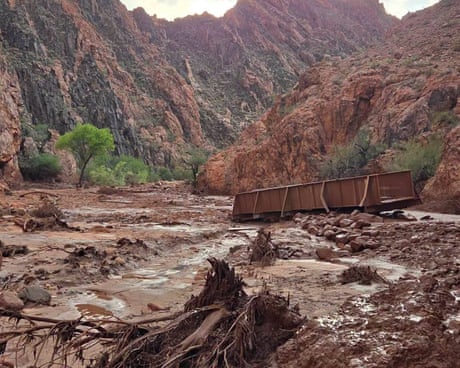
How intense rains in the Grand Canyon turned into a deadly disaster

Flash flooding in Arizona tourist destination was likely triggered by compounding climate factors, such as drought and warming in Pacific Ocean

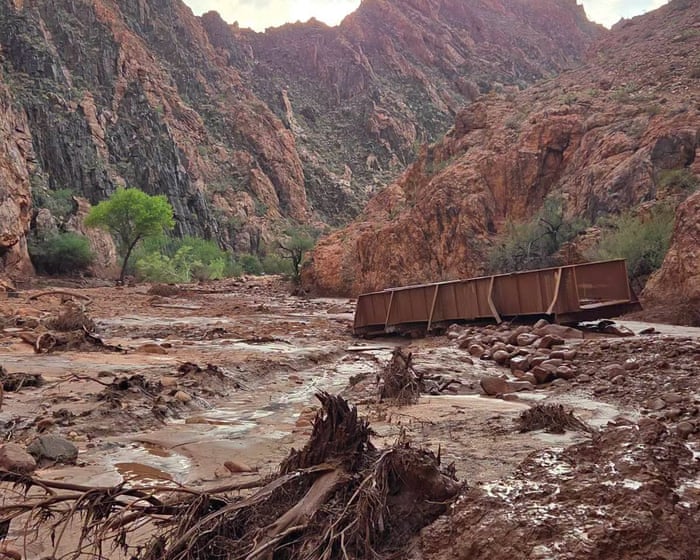
A deadly flash flood in the Grand Canyon over the weekend was likely driven by a confluence of climate factors, including drought, wildfire scarring and warming temperatures in the Pacific Ocean that can supercharge storms.

At least two people have died, nearly 80 people were rescued and one remained unaccounted for after a surge of water and debris swept through the immensely popular tourist destination on Saturday, fueled by torrents of rain that hit the national park’s Bright Angel Creek area.

Continue reading...

© Photograph: Jonathan Bailey via NPS

© Photograph: Jonathan Bailey via NPS

© Photograph: Jonathan Bailey via NPS

  •  

How intense rains in the Grand Canyon turned into a deadly disaster

Flash flooding in Arizona tourist destination was probably triggered by compounding climate factors, such as drought and warming in Pacific Ocean

A deadly flash flood in the Grand Canyon over the weekend was probably driven by a confluence of climate factors, including drought, wildfire scarring and warming temperatures in the Pacific Ocean that can supercharge storms.

At least two people have died, nearly 80 people were rescued and one remained unaccounted for after a surge of water and debris swept through the immensely popular tourist destination on Saturday, fueled by torrents of rain that hit the national park’s Bright Angel Creek area.

Continue reading...

© Photograph: Jonathan Bailey via NPS

© Photograph: Jonathan Bailey via NPS

© Photograph: Jonathan Bailey via NPS

  •  

Remote Grand Canyon lodge hit by deadly flash flood boasts fabled history

Phantom Ranch, set up by Teddy Roosevelt, has welcomed exhausted hikers to its famed cabins for over a century

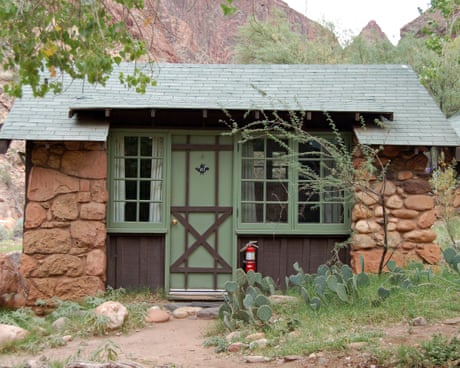
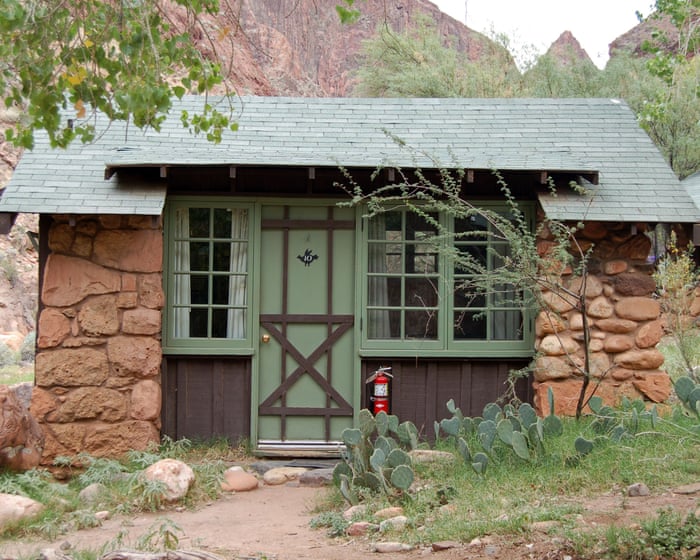
Phantom Ranch has been a solitary refuge visited by some of the most famous names of history. More typically, it’s been a beacon for the half-collapsed, exhausted and overheated hikers trudging down the Grand Canyon for more than a century.

The sole lodge at the very bottom of the Grand Canyon, the cabins long had a near mythical reputation. Located along the Bright Angel Creek, which tumbles into the mighty Colorado River at the base of the canyon, they served as a reminder of the long history of one of America’s most spectacular but savage environments.

Continue reading...

© Photograph: NPS/Alamy

© Photograph: NPS/Alamy

© Photograph: NPS/Alamy

  •  

Pennsylvania’s A.I. Gold Rush Meets Second Thoughts

Amid a backlash, Gov. Josh Shapiro is pumping the brakes on enormous data centers. But in a region scarred by the collapse of the steel industry, some welcome billions in construction.

© Kristian Thacker for The New York Times

  •  
❌