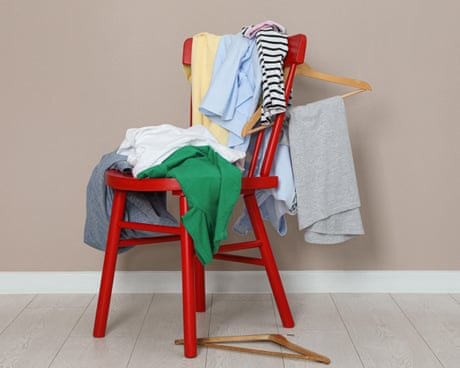
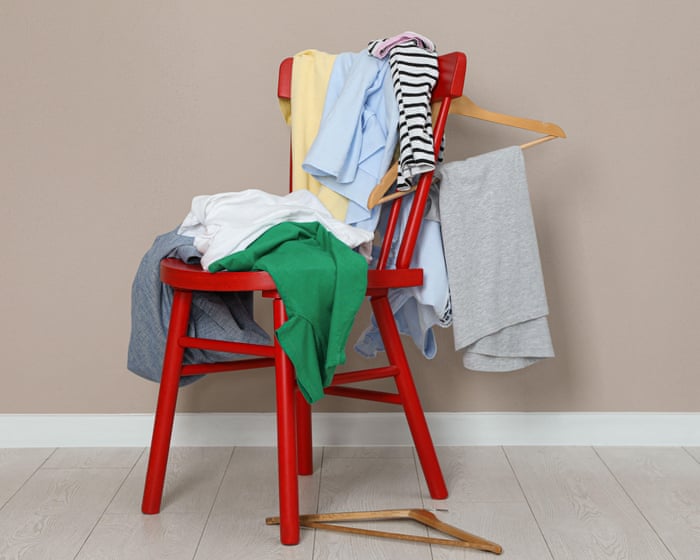
According to a new survey, that’s the age when people feel most confident and in control of their lives. In other words, they no longer have a chairdrobe ...
Nobody has handed me a timetable in decades, but I still love that new-term energy, and this edit leans right into it. A blazer that is properly tailored, rather than assembled from buttons and hope. Closed-toe shoes to ensure a proper soft landing after months of sandals. A T-shirt from a brand I was fully prepared to be sniffy about, until it made me eat my words. And a packing solution, because the only sane way to deal with the end of summer is to plan a holiday, obviously.
There’s also a genius lip colour for lip balm addicts like me, a bag doing a very convincing impression of something 10 times its price, and one long-sold-out cardigan that was worth every month of the wait.
It’s a great detection tool, but if your plant is infested with thrips or spider mites it may not be enough …
The problem
The worst pests are the ones you can’t see; thrips and spider mites are tiny and very good at hiding on the undersides of leaves, in leaf joints and along stems. By the time you notice the damage – silvery streaks, speckling or fine webbing – the infestation is usually well under way. Early detection is the difference between a quick fix and a full-blown outbreak.
The hack
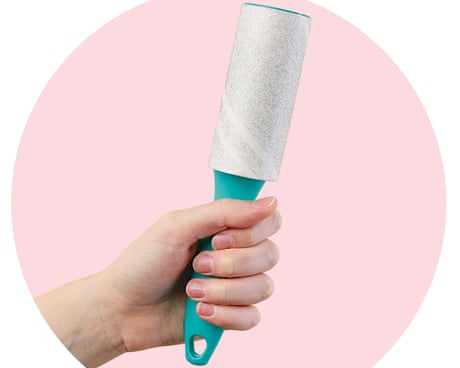
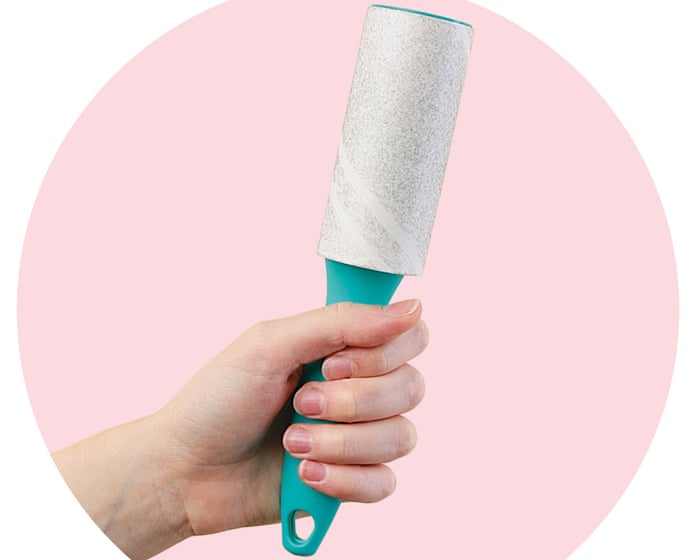
Use a sticky lint roller to pick up pests that are hard to see. The idea is it works as both a detection tool, and a light physical intervention, lifting adults and eggs before they multiply.

 Login
Login