 Login
Login
How a South African town cleaned up its polluted river using stones, wood and sand
Scientists say system to treat contaminated wastewater offers a model for ensuring food security in a fast-warming climate
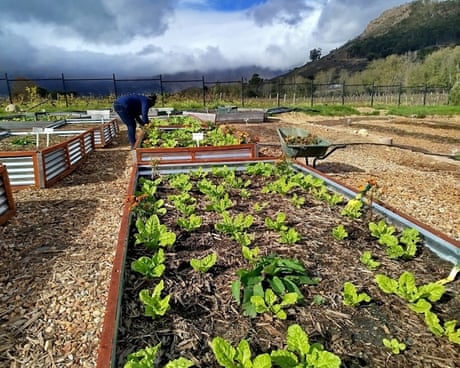
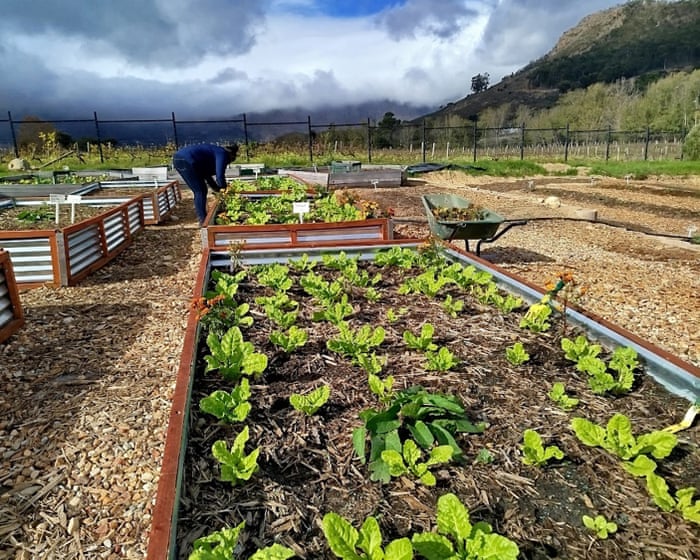
All it took to turn the murky, heavily polluted waters of South Africa’s Stiebeuel River into a resource clean enough for irrigating a community’s vegetable plots was a collection of stones, heat-treated wood and sand.
Without chemicals and using renewable energy, researchers from the University of Cape Town are cleaning 36,000 litres of water, polluted by sewage, chemicals, and traces of drugs and medication, every day to make it usable for growing food in a fast-expanding informal settlement along the course of the river.
Continue reading...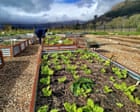
© Photograph: Courtesy of Water Hub
© Photograph: Courtesy of Water Hub
© Photograph: Courtesy of Water Hub