Reading view

‘Superhuman’ AI tool spots heart disease in less than 2 seconds

Technology trained on millions of routine ECGs could fast-track high-risk patients for treatment

Doctors have developed a “superhuman” AI tool that can spot heart disease in less than two seconds.

The groundbreaking technology has been trained on millions of patients and works by extracting more information from a routine electrocardiogram (ECG) than the human eye can typically see.

Continue reading...

© Photograph: alengo/Getty Images

© Photograph: alengo/Getty Images

© Photograph: alengo/Getty Images

  •  

Did you solve it? The fin-tastic fish puzzle

The solution to today’s underwater conundrums

Earlier today I set you the following puzzles. Here they are again with the solutions.

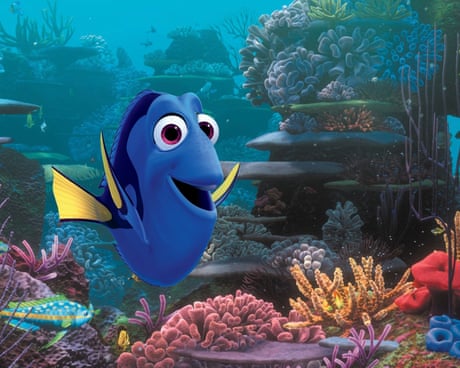
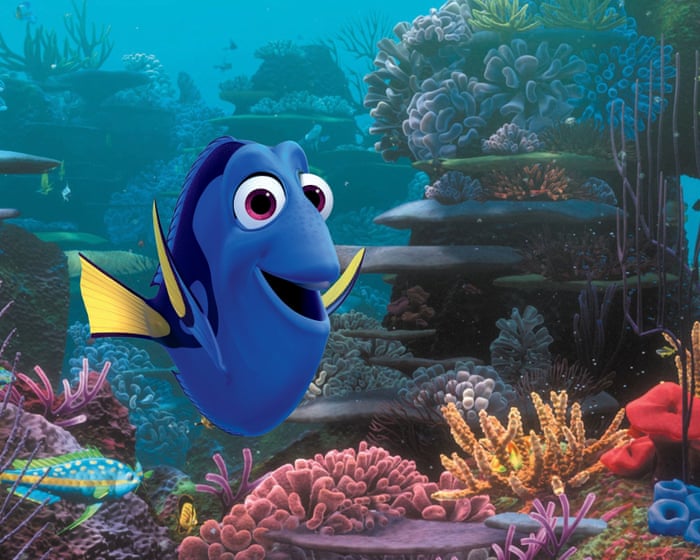
A fish is swimming in a tank that is two metres high, one metre across and one metre deep. The image below shows one path it swam.

Continue reading...

© Photograph: Disney/Sportsphoto/Allstar

© Photograph: Disney/Sportsphoto/Allstar

© Photograph: Disney/Sportsphoto/Allstar

  •  

‘Superhuman’ AI tool spots heart disease in less than 2 seconds

Technology trained on millions of routine ECGs could fast-track high-risk patients for treatment

Doctors have developed a “superhuman” AI tool that can spot heart disease in less than two seconds.

The groundbreaking technology has been trained on millions of patients and works by extracting more information from a routine electrocardiogram (ECG) than the human eye can typically see.

Continue reading...

© Photograph: alengo/Getty Images

© Photograph: alengo/Getty Images

© Photograph: alengo/Getty Images
  •  

Study A.I. Consciousness? The Bots Would Like a Word With You.

Given access to email, A.I. agents have started reaching out to the philosophers and researchers exploring deep questions about them.

© Benjamin Rasmussen for The New York Times

  •  

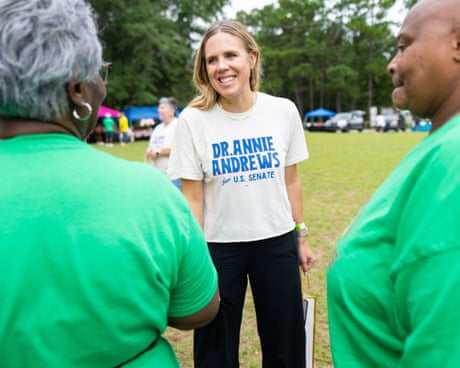
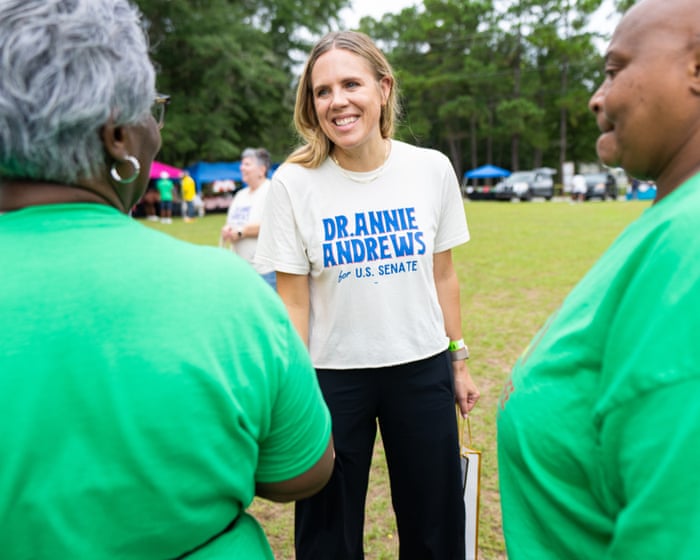
A pediatrician is running for Senate. Can doctors change the political debate over health and science?

After Lindsey Graham’s death, Democrat Annie Andrews finds herself in a closely watched race as she seeks to flip his Republican seat

Annie Andrews was a dark horse Democrat challenging a five-term Republican in the US Senate when 314 Action, a political action fund devoted to electing scientists and doctors, first backed her.

Now, after the unexpected death of Senator Lindsey Graham, Andrews finds herself in a closely watched race. Donald Trump persuaded South Carolina voters last week to select Graham’s sister, Darline, as the new Republican candidate. They will face off in November in an election still heavily favored to keep the seat in Republican hands in the conservative state.

Continue reading...

© Photograph: Bill Clark/CQ-Roll Call, Inc/Getty Images

© Photograph: Bill Clark/CQ-Roll Call, Inc/Getty Images

© Photograph: Bill Clark/CQ-Roll Call, Inc/Getty Images

  •  

Smelling test: children need education in sniffing aromas, scientist says

Exclusive: Dr Will Tullett says better understanding of scents can improve wellbeing and perception of the world

Children need a better education in sniffing aromas, a leading historian of smells has said, noting it may improve their wellbeing and help them understand the world around them.

Dr Will Tullett, of the University of York, said pollution had been found to impair people’s olfactory abilities, while many objects and substances today – from margarines to car interiors and even our own homes – were stripped of their original smells and “reodourised” with synthetic scents.

Continue reading...

© Photograph: Inti St. Clair/Getty Images

© Photograph: Inti St. Clair/Getty Images

© Photograph: Inti St. Clair/Getty Images

  •  

Smelling test: children need education in sniffing aromas, scientist says

Exclusive: Dr Will Tullett says better understanding of scents can improve wellbeing and perception of the world

Children need a better education in sniffing aromas, a leading historian of smells has said, noting it may improve their wellbeing and help them understand the world around them.

Dr Will Tullett, of the University of York, said pollution had been found to impair people’s olfactory abilities, while many objects and substances today – from margarines to car interiors and even our own homes – were stripped of their original smells and “reodourised” with synthetic scents.

Continue reading...

© Photograph: Inti St. Clair/Getty Images

© Photograph: Inti St. Clair/Getty Images

© Photograph: Inti St. Clair/Getty Images

  •  

Space junk punched a new hole in the moon. It’s not ours to abuse | Moriba Jah

The space industry treats the sky as a place to dump what it no longer wants. We must develop a new model of accountability

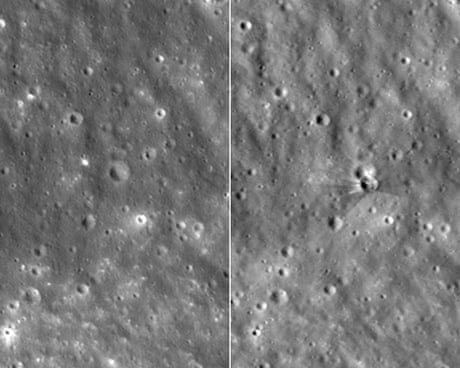
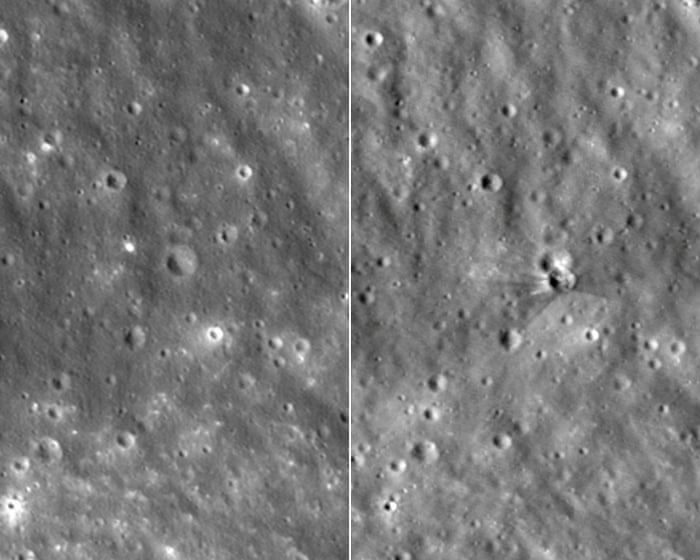
On 5 August, a piece of a derelict SpaceX rocket traveling at 5,400 miles an hour met with the moon and punched a fresh hole into it near Einstein Crater. Astronomers were thrilled. The European Southern Observatory caught sodium and lithium flaring in the debris plume and called it a bonus. The media called it a light show. Nobody was physically hurt, so nobody is responsible, and within a week the story was gone.

I have spent 20 years tracking the junk humanity leaves behind in space for a living, and I want to tell you plainly what that crater actually is: a receipt. It’s what you get when an entire industry treats the sky, and now the moon, as a place to dump what it no longer wants, and calls the dumping “normal operations” or “space exploration”.

Continue reading...

© Photograph: NASA Goddard/Intuitive Machines/AFP/Getty Images

© Photograph: NASA Goddard/Intuitive Machines/AFP/Getty Images

© Photograph: NASA Goddard/Intuitive Machines/AFP/Getty Images

  •  

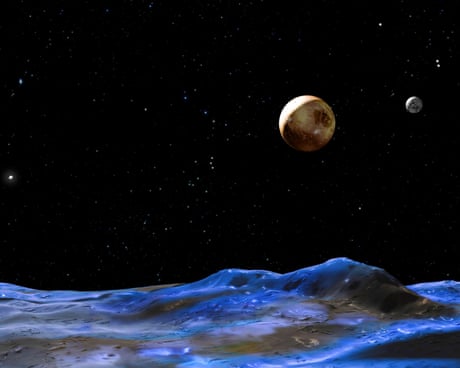
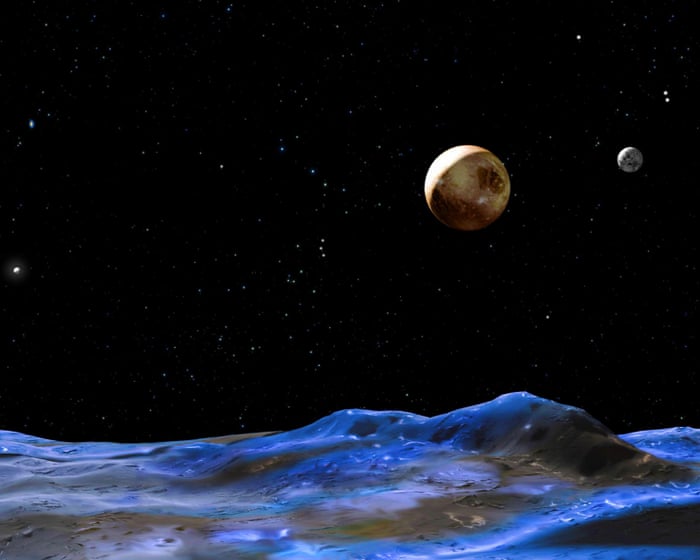
Forbidden planet: was Pluto’s 2006 demotion a big mistake?

Since it was stripped of planetary status, Pluto’s defenders have been fighting the decision – and they’re only getting more passionate

Twenty years ago, Pluto got demoted. After a vote by the International Astronomical Union (IAU) in August 2006, Pluto was relegated from major planet to dwarf planet status. Our solar system dropped from nine planets to eight. At the time, many scientists were unhappy with the decision. Two decades on, the debate is, if anything, even more polarised.

“The definition of a planet they created, you can’t use it at all,” says Philip Metzger, the director of the Stephen W Hawking Centre for Microgravity Research and Education at the University of Central Florida. “It makes the definition of a planet completely non-useful in science.”

Continue reading...

© Photograph: Universal History Archive/Universal Images Group/Getty Images

© Photograph: Universal History Archive/Universal Images Group/Getty Images

© Photograph: Universal History Archive/Universal Images Group/Getty Images

  •  

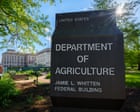
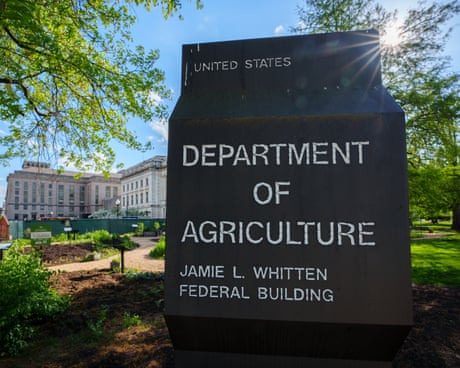
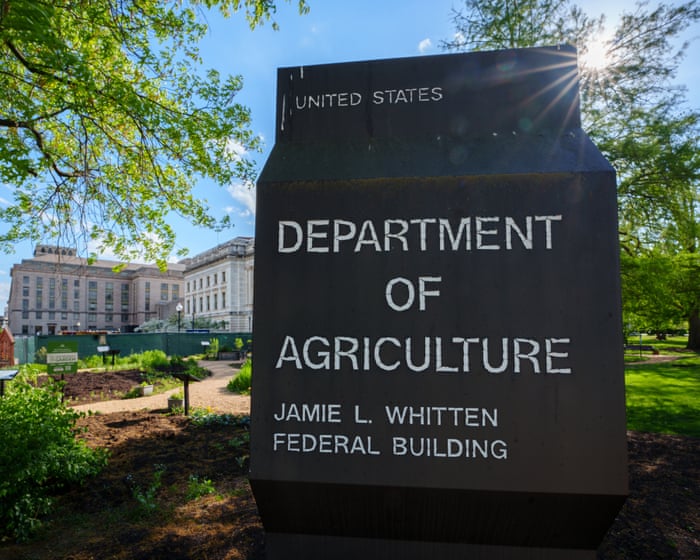
USDA reportedly shelves cyclospora research amid relocations and fund cuts

Trump officials shuttering three projects on foodborne parasite, two defunded by Congress, Politico reports

The Trump administration is shuttering ⁠two of the three US Department of Agriculture research projects studying cyclospora after the foodborne parasite has ⁠sickened tens of thousands of Americans during the summer, Politico reported on Sunday.

The two projects were defunded by Congress earlier in the year, while the third is ⁠due to be moved in coming months from Maryland to Iowa as part of a broader USDA reorganization, according to the ⁠report.

Continue reading...

© Photograph: J David Ake/Getty Images

© Photograph: J David Ake/Getty Images

© Photograph: J David Ake/Getty Images

  •  
❌