Given the challenges in forecasting and detecting such calamities, researchers advised banning construction on floodplains and marking out clear evacuation routes.
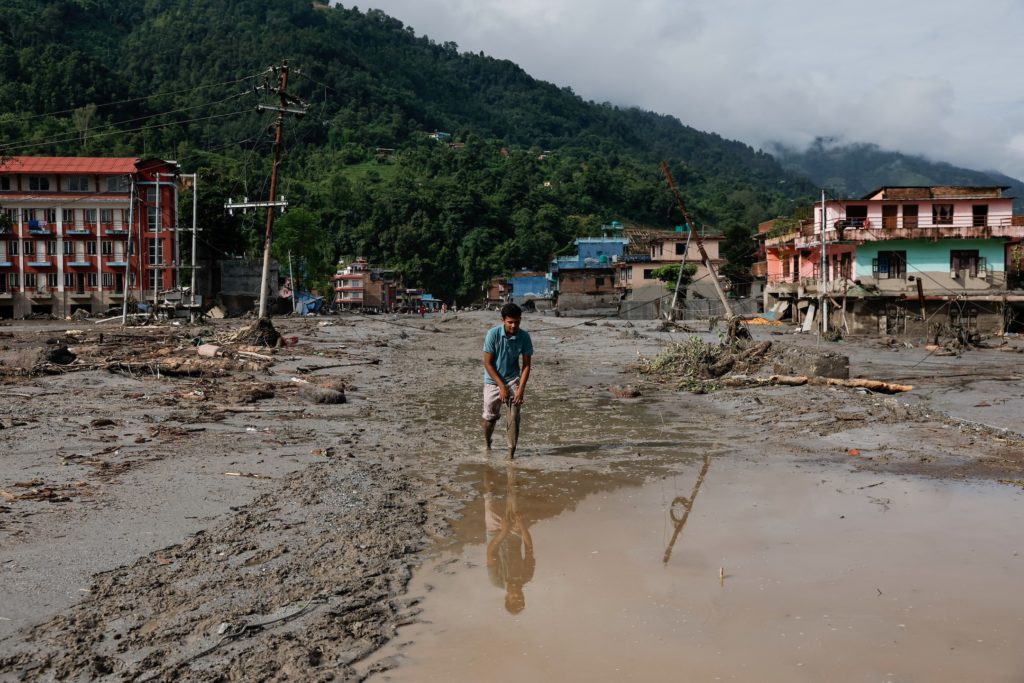
The widened channel of the Bhote Koshi River in Nepal on Thursday after the flash flooding. Most monitoring and early-warning systems for glacial hazards focus on a specific area of risk.
Given the challenges in forecasting and detecting such calamities, researchers advised banning construction on floodplains and marking out clear evacuation routes.
The widened channel of the Bhote Koshi River in Nepal on Thursday after the flash flooding. Most monitoring and early-warning systems for glacial hazards focus on a specific area of risk.
Glaciers and permafrost in the Himalayas are melting faster as temperatures rise, though scientists are still studying the exact causes of this week’s landslide.
The scale of the disaster in the Himalayas is becoming clearer a day after catastrophic flooding tore through parts of Nepal and Tibet. Scientists believe the disaster was likely triggered by the collapse of a glacier, unleashing a torrent of water, mud and debris that swept away entire communities. Geoff Bennett discussed more with Dan Shugar of the waterSHED Lab at the University of Calgary.
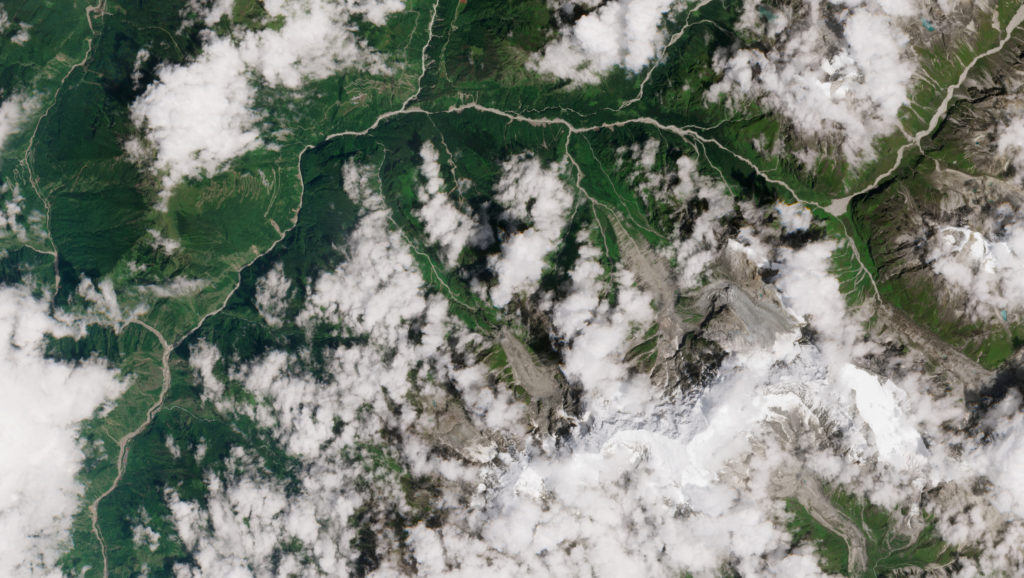
The deadly flash flood in Nepal on Wednesday was likely caused by a huge chunk of a glacier that broke off and temporarily dammed a river, according to preliminary investigations by scientists.
A visit near the border with Tibet laid bare the effects of a swollen river’s furious speed. Miles of devastation were left behind in a flash flood that killed more than 300.
Residents waiting to be airlifted by helicopter in the Rasuwa district of Nepal.

 Login
Login