 Login
Login
CISA confirms hackers targeted over 100 US water systems during July
The federal cyber agency's warning comes amid a wave of suspected Iran-backed cyberattacks targeting critical water systems across the United States.

As photojournalist sentenced to 15 years, rights groups warn law would turn civic engagement into security crime
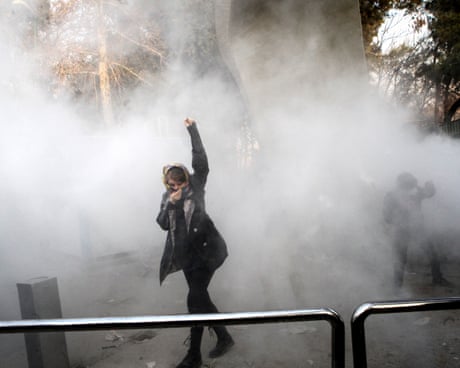
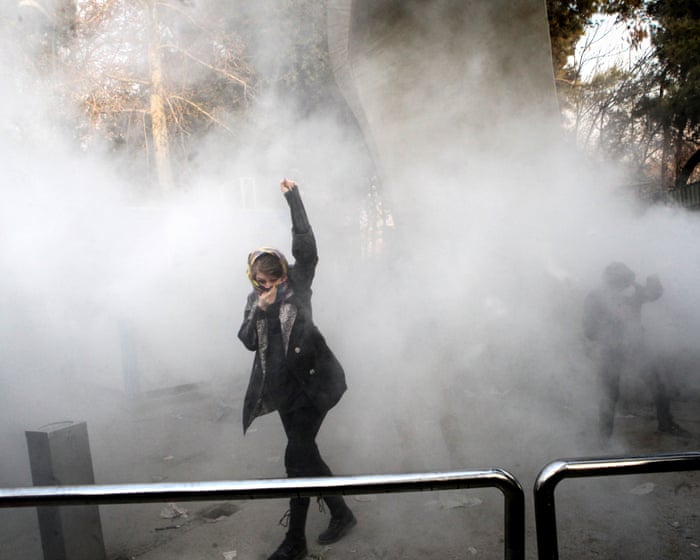
Iran has taken the first step towards criminalising contact with foreign media, in a move human rights groups have said attempts to “sever the entire Iranian society from the rest of the world”.
For journalists, researchers and even ordinary citizens, the proposed law being discussed by Iranian lawmakers this month could make speaking to international audiences and groups a potential criminal act and restrict coverage of events such as January’s mass anti-regime protests.
Continue reading...
© Photograph: Yalda Moaiery
© Photograph: Yalda Moaiery
© Photograph: Yalda Moaiery
Internal calls to end war get louder as Gulf neighbours plan alternative pipelines to cut reliance on waterway
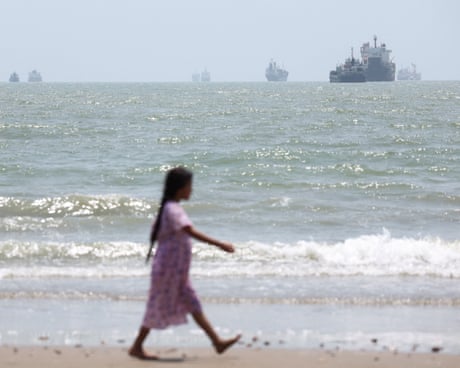
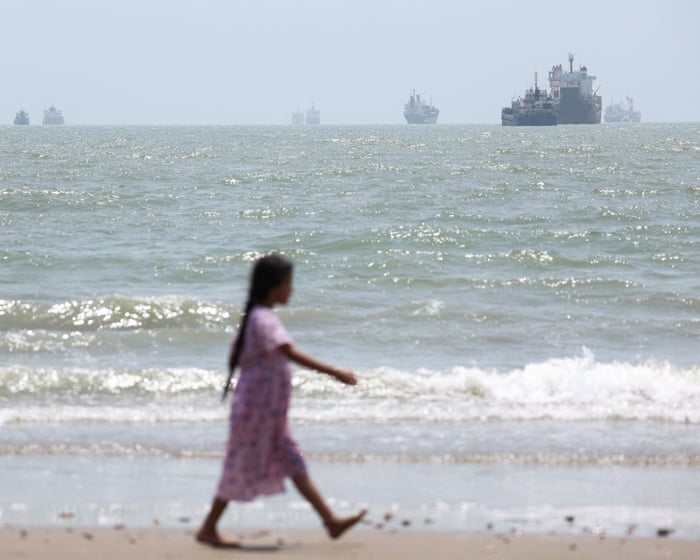
Is the strait of Hormuz, recently cited by the office of the Iranian supreme leader as “the pillar of Iran’s new security order”, and as transformative as possessing a nuclear weapon, in reality becoming a fast-diminishing asset, leaving Iran increasingly vulnerable to the new planned US wave of economic sanctions?
It is the key debate that is raging inside Iran, with many different conclusions being drawn for Tehran’s negotiating strategy. Those who warn the strait’s value as a chokehold on the world economy will erode, leaving the country without foreign exchange reserves, argue that Iran’s negotiators should seek a deal soon.
Continue reading...
© Photograph: Majid Asgaripour/Reuters
© Photograph: Majid Asgaripour/Reuters
© Photograph: Majid Asgaripour/Reuters
