Richer countries might have more resources to deal with catastrophe, but this problem grips the entire planet, however much leaders may want to deny it
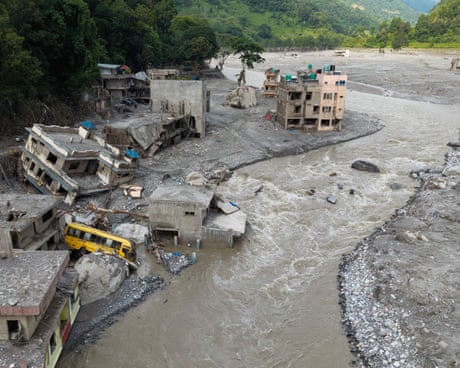
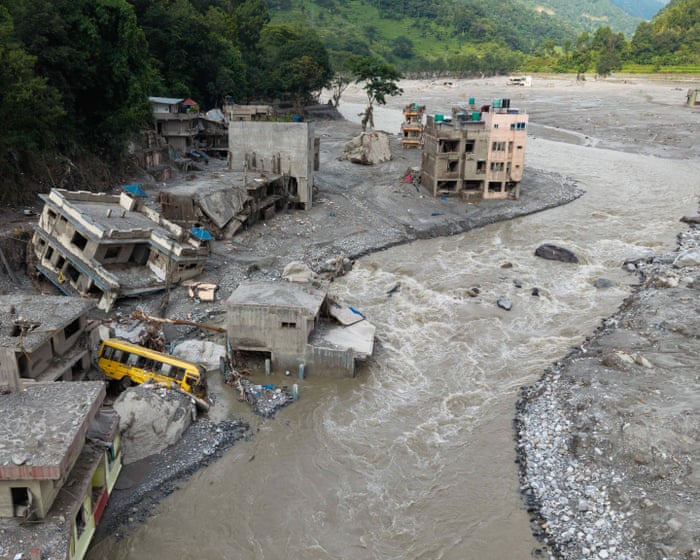
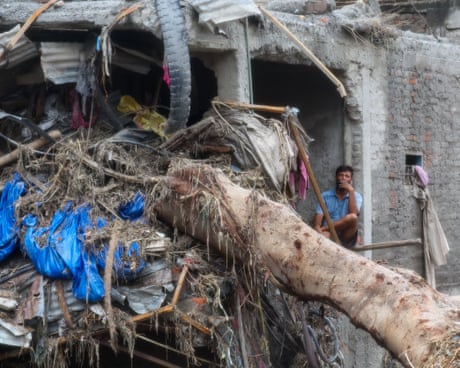
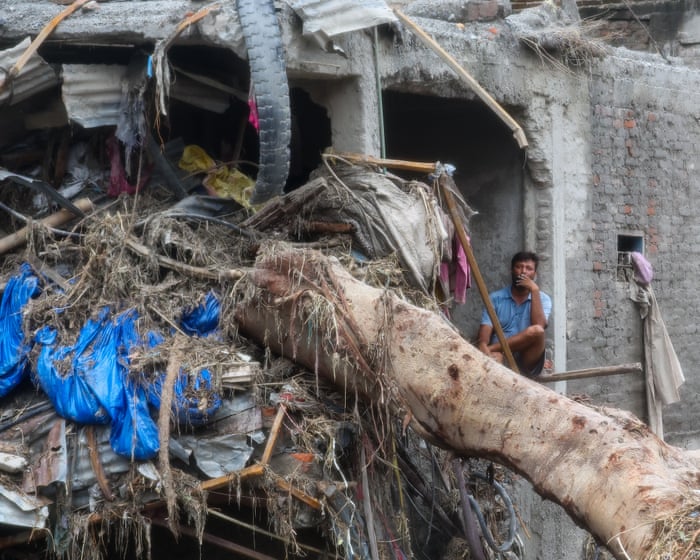
Climate breakdown is happening on one Earth, but two different worlds. In one, its impacts increasingly encroach on everyday life; longer periods of discomfort and shorter periods of sharp pain. Endless, hotter summers, and within them sudden wildfires, evacuations, homes burned to cinders in a matter of hours. In another, catastrophe. This summer has been a snapshot of that split-screen. The hottest day on record in parts of Europe, and a wave of water, mud and ice in Nepal that so far has claimed more than 750 lives. Thousands of people are still missing.
The difference is also one of resources. The climate crisis has an economic cost, but some places can absorb it better than others. Responses to this summer of wildfires in Europe included a rapid scrambling by the French government to provide everything from tax breaks for businesses affected by the fires to relocation costs and aid to rebuild homes. The UK government had deployed almost £100m before the summer to strengthen wildfire resilience.
Prime Minister Narendra Modi of India at the Group of 7 summit in Evian-les-Bains, France, in June. In the past year, Mr. Modi has paid official visits to at least 20 countries.
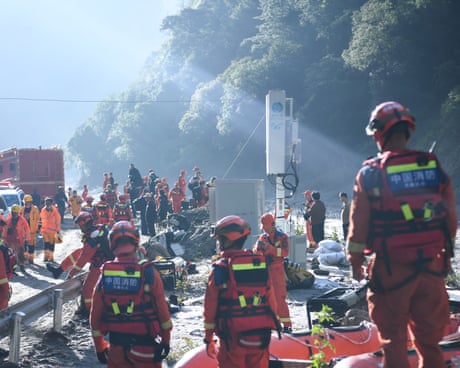
Poor weather temporarily hampered aerial rescue operations in Nepal on Saturday as the search for thousands of missing people in areas devastated by catastrophic flash floods along the border with China continued.
The combined toll in Nepal and Tibet rose to 691 dead and more than 3,000 people missing after China’s latest update on Sunday. Chinese authorities reported 16 deaths and 546 missing, while Nepal’s disaster agency said late Saturday that the death toll had climbed to 675 with 2,498 people missing.
Outside the army camp in the Nuwakot district of Nepal, people run their fingers down the sheets of paper pinned to the wall, scanning the growing list of those reported missing for news of loved ones. Nepali authorities said nearly 3,000 people are missing, while China reported more than 550 people unaccounted for.
Nepal’s foreign minister, Shisir Khanal, has appealed for international support to help rebuild the country after the floods, saying reconstruction efforts could run into “billions of dollars” AFP reports.
Outside the army camp in the Nuwakot district of Nepal, people run their fingers down the sheets of paper pinned to the wall, scanning the growing list of those reported missing for news of loved ones. Nepali authorities said nearly 3,000 people are missing, while China reported more than 550 people unaccounted for.
Nepal’s foreign minister, Shisir Khanal, has appealed for international support to help rebuild the country after the floods, saying reconstruction efforts could run into “billions of dollars” AFP reports.
In 2014, Narendra Modi pioneered the use of social media and digital campaigning in India to become prime minister. Known as one of the first global politicians to harness the power of the internet, he has the most social media followers of any world leader currently in office.
Today, over a decade since Modi’s digital-first political campaign, an internet-fueled youth movement called the Cockroach Janta Party (or the Cockroach People’s Party) is using the same social media platforms to organize protests, successfully forcing the resignation of one of Prime Minister Modi’s top advisers. The Indian government has responded with a crackdown, arresting protesters and increasingly censoring X, Meta, and other social meda sites. The legacy of the Cockroach Janta Party will be complex: On one hand, it brought to the forefront important conversations around Gen Z unemployment and meritocracy; on the other, it may have pushed the Indian government to create stricter new censorship laws to silence future dissent.
The internet that helped propel Modi to power is becoming a tool that a new generation uses against him. How much further will Modi’s government go to censor its people and restrict free speech?
Read more about censorship in India and the Cockroach Janta Party:
If you enjoy our reporting and want to hear more from Vox journalists, sign up for our Patreon at patreon.com/vox. Each month, our members get access to exclusive videos, livestreams, and chats with our newsroom.
 Login
Login