Amid a backlash, Gov. Josh Shapiro is pumping the brakes on enormous data centers. But in a region scarred by the collapse of the steel industry, some welcome billions in construction.
Scientists say system to treat contaminated wastewater offers a model for ensuring food security in a fast-warming climate
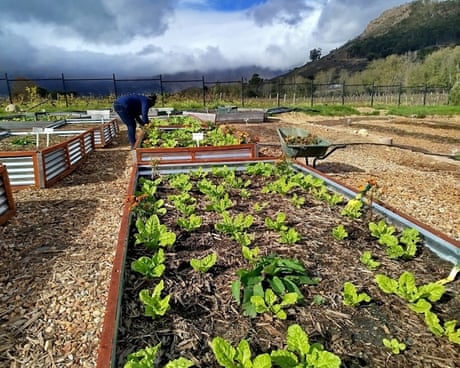
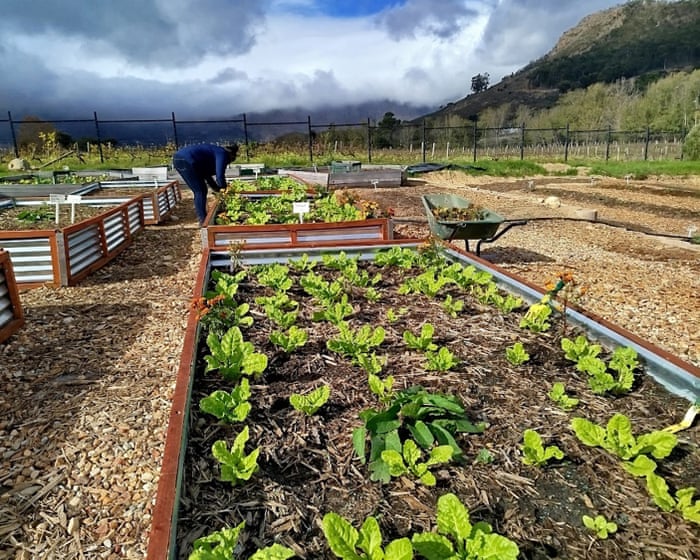
All it took to turn the murky, heavily polluted waters of South Africa’s Stiebeuel River into a resource clean enough for irrigating a community’s vegetable plots was a collection of stones, heat-treated wood and sand.
Without chemicals and using renewable energy, researchers from the University of Cape Town are cleaning 36,000 litres of water, polluted by sewage, chemicals, and traces of drugs and medication, every day to make it usable for growing food in a fast-expanding informal settlement along the course of the river.
Elon Musk says a secretive new SpaceX foundry will let him cast his own turbine blades and get gas power online 18 months faster than anyone else — but it's a bet on a fuel source that's already triggering lawsuits and health studies everywhere his (and others') turbines have gone in.
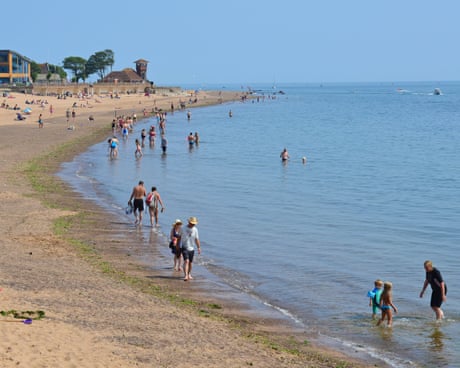
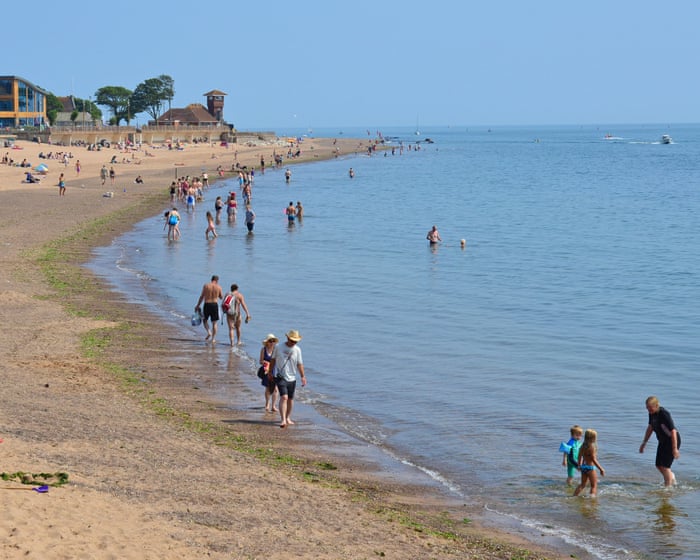
“I’m furious,” says Jo Armstrong, 75, sitting on Brighton beach with her daughter and granddaughter.
Armstrong lives in Lewes, a town 8 miles from Brighton, and usually goes swimming in nearby Seaford in East Sussex every day. But over the past week the water there has been too polluted to swim. “Brighton beach was the only place that stayed clean,” she says.
South West Water is doing more harm to the environment than any other water company in England, according to new analysis, with more sewage discharged in Devon, Cornwall, Dorset and Somerset than anywhere else.
Friends of the Earth analysed water companies’ environmental performance in six categories: sewage spills, water quality at bathing sites, pollution incidents or warnings at bathing sites, severity of sewage pollution at bathing sites, the percentage of rivers rated below the standard for good ecological health, and the affordability of bills.
“I’m furious,” says Jo Armstrong, 75, sitting on Brighton beach with her daughter and granddaughter.
Armstrong lives in Lewes, a town 8 miles from Brighton, and usually goes swimming in nearby Seaford in East Sussex every day. But over the past week the water there has been too polluted to swim. “Brighton beach was the only place that stayed clean,” she says.
South West Water is doing more harm to the environment than any other water company in England, according to new analysis, with more sewage discharged in Devon, Cornwall, Dorset and Somerset than anywhere else.
Friends of the Earth analysed water companies’ environmental performance in six categories: sewage spills, water quality at bathing sites, pollution incidents or warnings at bathing sites, severity of sewage pollution at bathing sites, the percentage of rivers rated below the standard for good ecological health, and the affordability of bills.
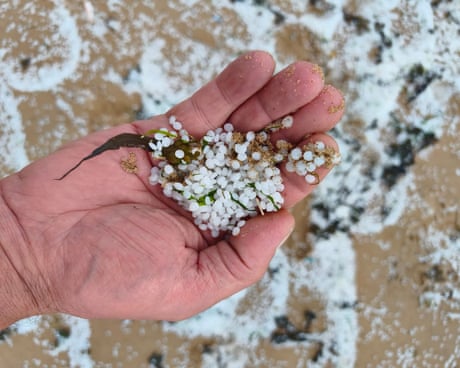
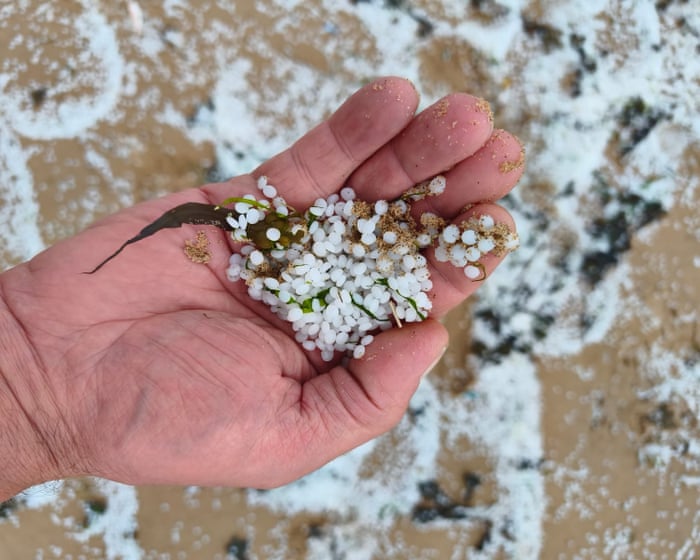
Whitley Bay, North Tyneside: A huge community effort is under way to clear up a spill of these disastrously resilient beads. We take a family trip to the beach to do our bit
My son spots the first one. It’s about the size of a lentil, and half-buried in the dry sand.
We’re on the beach at the seaside town of Whitley Bay. We’ve just walked past a clean-up crew of about 40 volunteers in hi-vis clothing and rubber gloves, kneeling or stooped over black buckets. This is the aftermath of the Tyne nurdle spill, which sounds much funnier than it is.

 Login
Login