Whitley Bay, North Tyneside: A huge community effort is under way to clear up a spill of these disastrously resilient beads. We take a family trip to the beach to do our bit
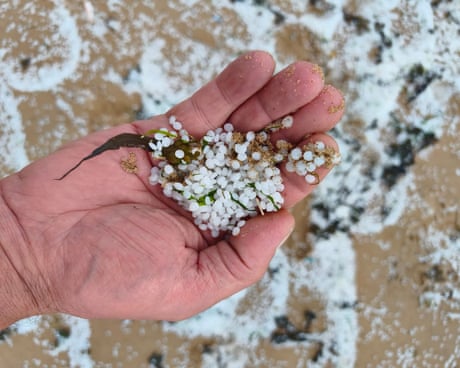
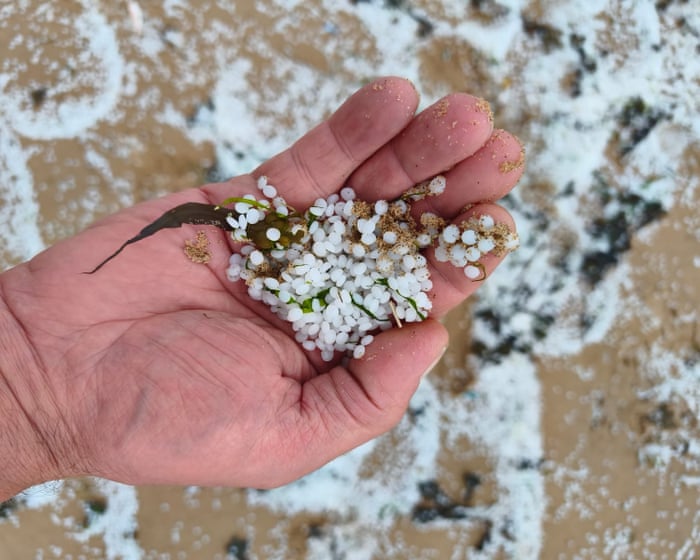
My son spots the first one. It’s about the size of a lentil, and half-buried in the dry sand.
We’re on the beach at the seaside town of Whitley Bay. We’ve just walked past a clean-up crew of about 40 volunteers in hi-vis clothing and rubber gloves, kneeling or stooped over black buckets. This is the aftermath of the Tyne nurdle spill, which sounds much funnier than it is.
Many of us are overwhelmed by the sheer number of our belongings, but can we change our consumption habits? And is there a more sustainable way to declutter?
Change by degrees offers life hacks and sustainable living tips each Saturday to help reduce your household’s carbon footprint
Whether you call it decluttering, death cleaning or a clear out, many of us face the onerous task of paring back our possessions, or those of a loved one.
There can be many reasons: from managing the mountains of stuff that comes with small children, to downsizing or moving house, or dealing with a deceased estate.
Each year, the Guardian reaffirms its commitment to the environment – both in our reporting and how we operate as a business. From critical tipping points to war in Iran, this is how the last 12 months have looked
Today marks the end of the Guardian’s annual climate support campaign. Each year, during the campaign, we remind our audience about the Guardian’s role in covering the threats to our planet and the importance of independent journalism in telling that story. Our climate pledge is a reminder of the environmental values we place at the heart of our reporting and our organisation.
Since our 2025 climate pledge, the world has experienced extreme levels of heat as well as extreme forms of denial and abdication in the face of the climate crisis. But, across the world, there have also been inspiring efforts to tackle it.
We will be publishing our annual company emissions data in the autumn, explaining what drives our emissions and where they have risen and fallen.
We have started the process of estimating our emissions from generative AI usage. We hope to report on this next year.
We have undertaken our B Corp recertification in line with the new standards introduced by B Lab in 2026. We will find out our result later this year.
We have participated in advertising industry working groups that published a methodological framework that aims to capture the emissions impact of digital and print advertising.
We open ourselves up to scrutiny by independent third parties, such as the Science Based Targets initiative (SBTi) and B Corp, so they can assess the robustness of our targets and our internal policies.
Campaigners say ‘seismic shift’ follows years of pressure to sever ties with oil and gas firm
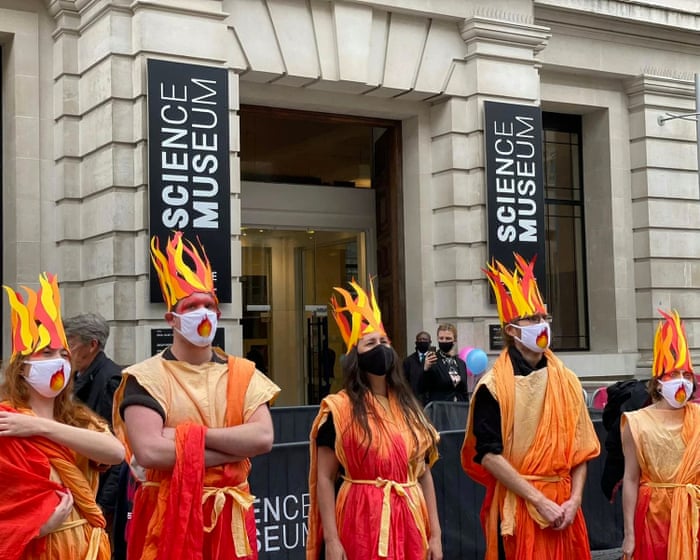
The London Science Museum has ended its decades-long partnership with the oil and gas company BP in what has been described as a “seismic shift” for the museum.
The Science Museum Group academy, which was established in 2018 to provide training and resources, announced on Friday that it would be ending its partnership with BP. In a statement, the director and chief executive of the Science Museum Group, Sir Ian Blatchford, said the partnership had “drawn to a close at the end of the current contract term”.
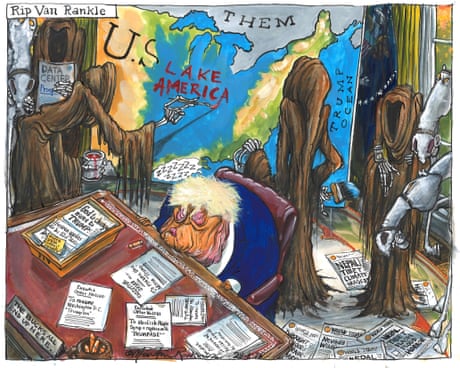
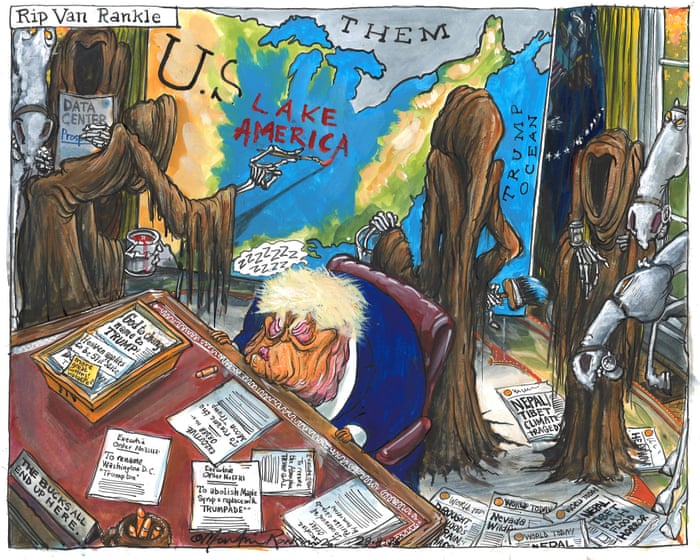
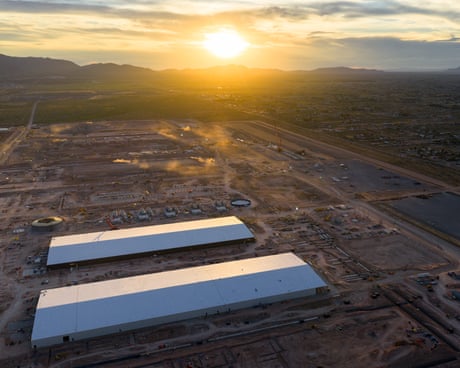
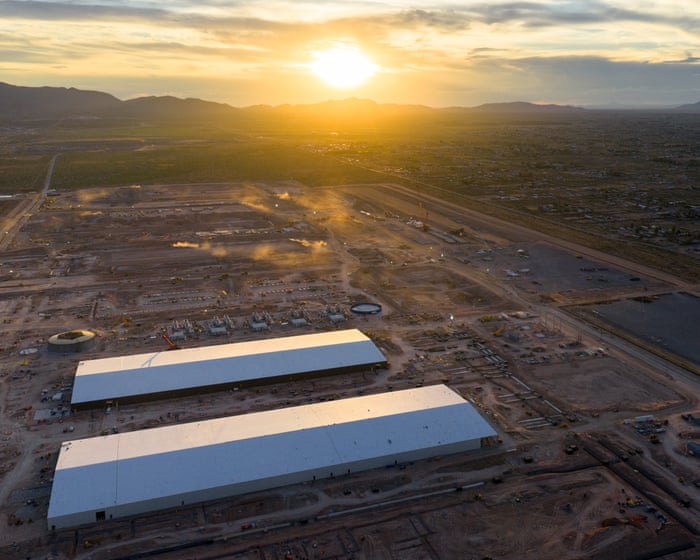
In this week’s newsletter: Anti-datacentre sentiment is growing across the political spectrum in the US – and the public is only just finding out about the potential effects on their energy bills
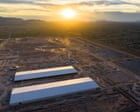
Anti-datacentre sentiment is growing from across the political spectrum in the US.
More than a dozen states have considered moratoria on datacentres. New York became the first US state to enact a temporary ban last month. Progressive stalwarts Senator Bernie Sanders and Representative Alexandria Ocasio-Cortez have proposed a national moratorium. And even Greg Abbott, the far-right governor of Texas, called for a ban on datacentre development in rural swaths of his state.
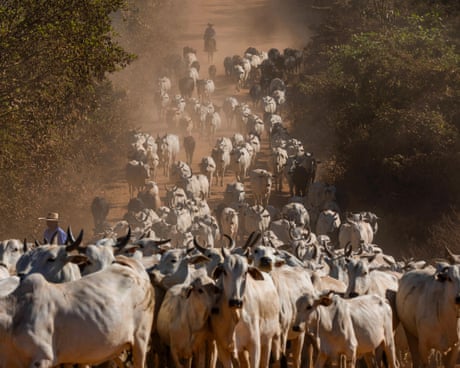
Brazil has failed to prove compliance with EU rules on use of antibiotics in cattle and poultry farming
The UK’s leading farming organisations and animal health experts have called for an urgent ban on imports of Brazilian meat, in light of concerns over the safety of imports.
The National Farmers’ Union in England and its sister organisations in the devolved administrations wrote to the government on Friday warning that public health was at risk.
Nepalis and Tibetans must not pay the price – with their lives, livelihoods and money meant for education and health – for global heating caused by wealthy states
Sunil Acharya is an international climate policy and just transition specialist based in Kathmandu, Nepal
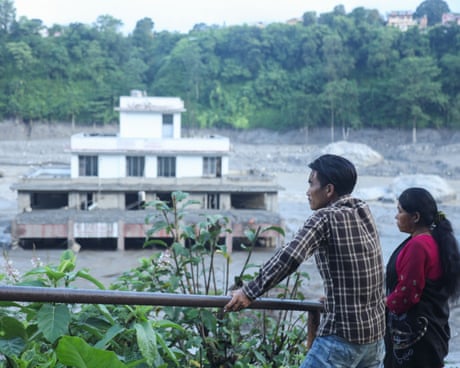
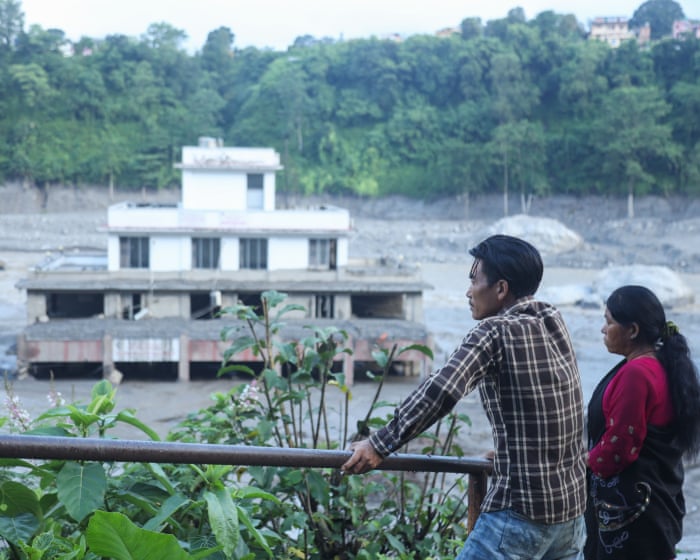
As a Nepali citizen working on international climate policy for more than a decade, it is difficult to look at the harrowing images coming out of the catastrophic flash flood that thundered down valleys in Nepal, sweeping down the Lhende Khola, Bhotekoshi and Trishuli rivers, and not feel angry.
Not just because of the destruction, but because it comes after years of warnings from scientists and civil society that a rapidly warming planet would make disasters more frequent, more intense and harder to predict. This is what the cost of delaying global climate action looks like.
Sunil Acharya is an international climate policy and just transition specialist based in Kathmandu, Nepal
Do you have an opinion on the issues raised in this article? If you would like to submit a response of up to 300 words by email to be considered for publication in our letters section, please click here.
Flash flooding and mudslides in Ishikawa and Toyama prefectures, while convective storms hit western Europe
After an “unprecedented” deluge in Chiba in mid-August, Japan has experienced further extreme rainfall in recent days. Moisture from the Sea of Japan brought relentless heavy rain to the prefectures of Ishikawa and Toyama on Thursday.
In Himi, Toyama, 361.5mm of rain fell in 24 hours, equivalent to half the average annual rainfall in London and Paris. Several rivers burst their banks, triggering flash floods and mudslides, felling and damaging buildings.
In this week’s newsletter: pollutants from fossil fuels and wildfires damage nearly every part of our bodies – but initiatives such as cycle zones can make our cities safer
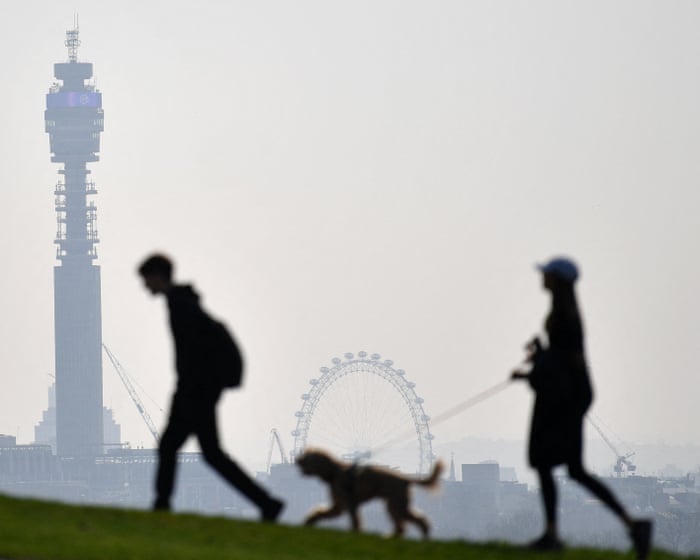
Tens of millions of people in Indonesia are now suffering in swathes of thick smoke caused by “slash and burn” agriculture and exacerbated by the hot conditions. In India, ground-level ozone from vehicle fumes and industry has emerged as the key summer threat, while outside its megacities there have been protests in areas affected by toxic coal dust. Across the northern hemisphere this summer, wildfires driven by the climate crisis have spread poor air across continents – already, 1.5 million people globally die every year from the impacts of wildfire smoke.
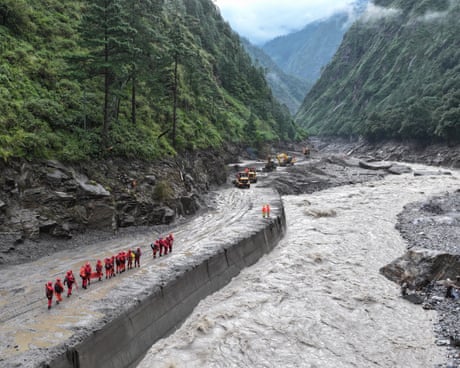
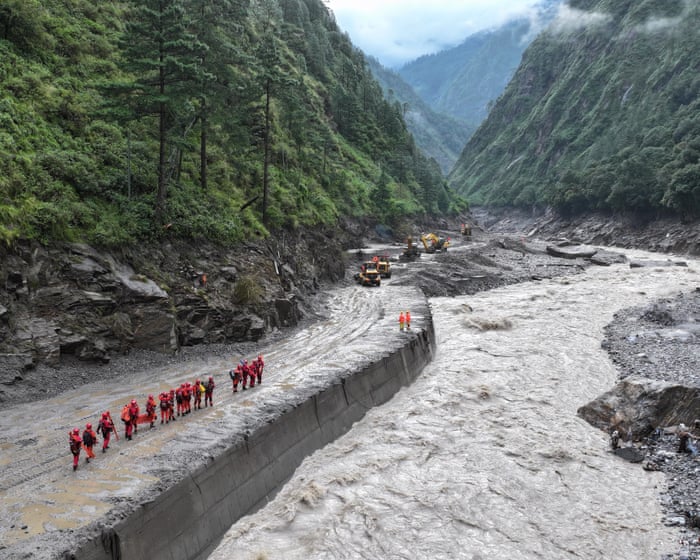
Rescuers searching for survivors of deadly flash floods on the Nepal-Tibet border have resumed their efforts after suspending operations when a debris dam burst its bank on Friday, increasing the risk of fresh flooding.
Residents in Nepal’s Rasuwa district, on the border with Tibet, were seen rushing up hillsides on Friday to escape a possible surge in the river, according to witnesses. Fears of another flood came as authorities in Nepal and China said that at least 543 people had been killed in the disaster.
You have questions about data centers, and WIRED has answers. Join our livestream on September 10 and our panel of experts will tell you everything you need to know.
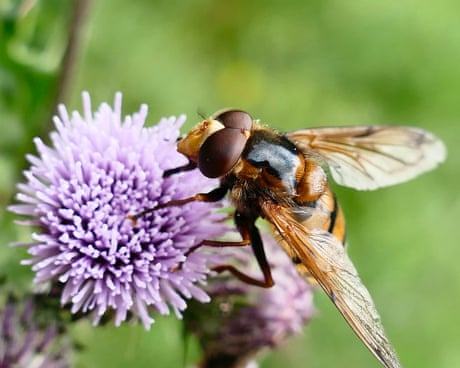
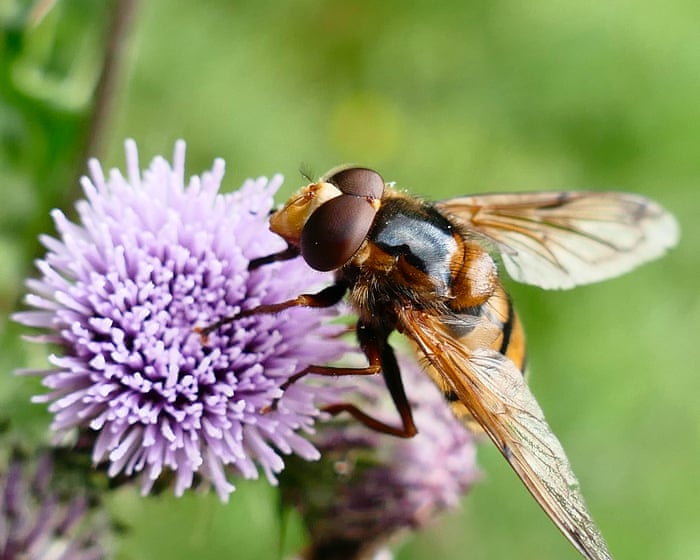
The Marches, Shropshire: For this hoverfly, pretending to be far more dangerous than it actually is has been a useful evolutionary technique
Back in the analogue world – where “analogue” means signals transmitted by continuous waves of sound or light, but also means something that looks like something else – intelligence is more poetic and weirder than its shambling digital doppelganger.
In a bend of the heatwave, a remarkable fly lands on a rose leaf in full sun. The hornet mimic hoverfly, Volucella zonaria, is a stonking great (for a hoverfly) 2cm-long creature with a peachy-yellow and black striped abdomen. It has no sting, a chestnut thorax and a big-eyed head with a pad for nectar, not jaws for chomping insects, two rather than four cellophane wings folded at rest, and an aura to unnerve the uninitiated.
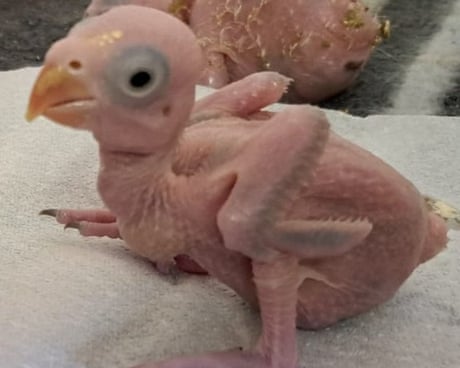
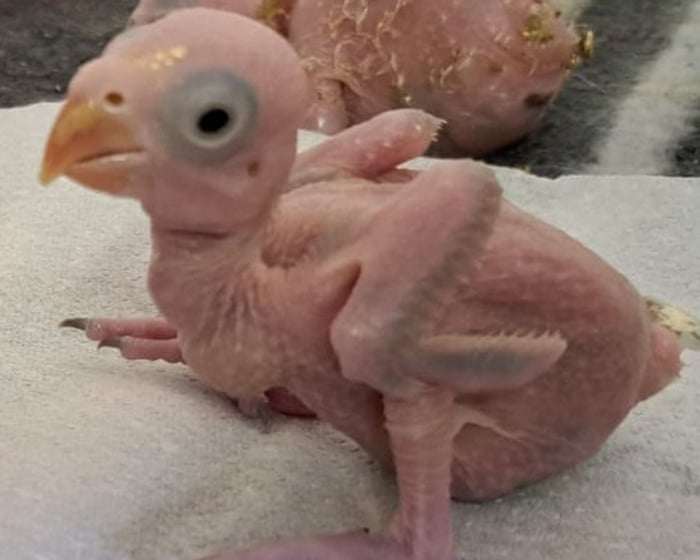
Bird eggs intercepted in homemade incubators at Johannesburg airport as officials try to halt wildlife trafficking
South African police have arrested two Thai nationals in separate incidents for allegedly attempting to smuggle endangered parrot eggs out of the country as authorities try to stem the tide of wildlife trafficking.
A 50-year-old Thai national was arrested at OR Tambo international airport in Johannesburg on 20 August, carrying 50 bird eggs in a homemade incubator in a hand-luggage bag, South Africa’s environment ministry said in a statement.
Archeologists are confronting an “unfathomable” loss as border wall construction is set to cut across ranches that are home to unique historical sites, many of which haven’t been fully studied.

 Login
Login