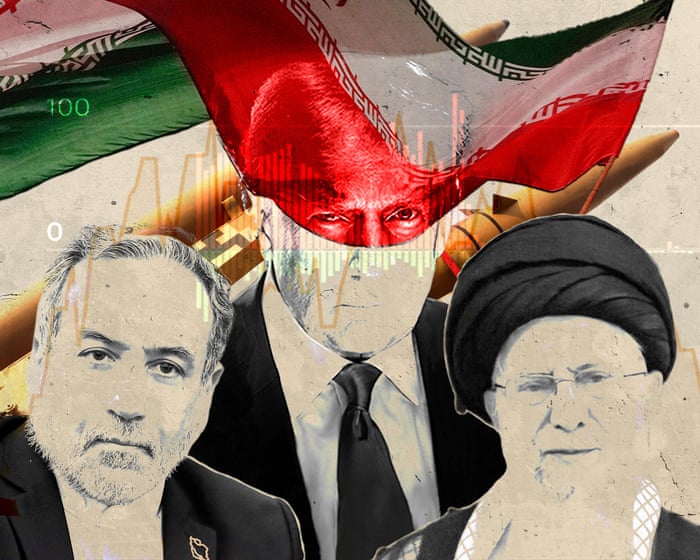
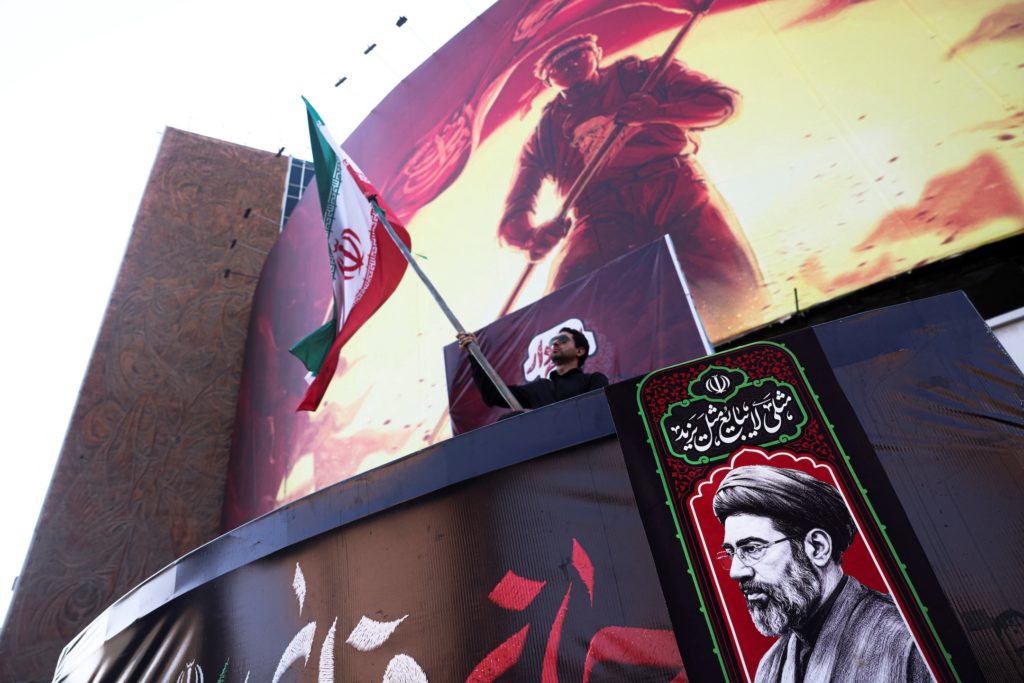
Iranians have become increasingly desperate, as they grapple with an economic crisis made worse by the conflict and grow increasingly skeptical about President Trump’s motives.
Iranians have become increasingly desperate, as they grapple with an economic crisis made worse by the conflict and grow increasingly skeptical about President Trump’s motives.
From the first US and Israeli strikes six months ago to the battle for Hormuz, this timeline plots how Trump’s war on Iran quickly became a regional conflict with global economic consequences
On 28 February 2026, the US and Israel began large-scale strikes on Iran. Tehran responded by attacking Israeli and US allies across the Gulf.
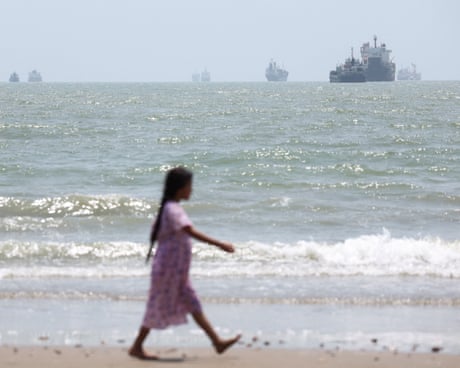
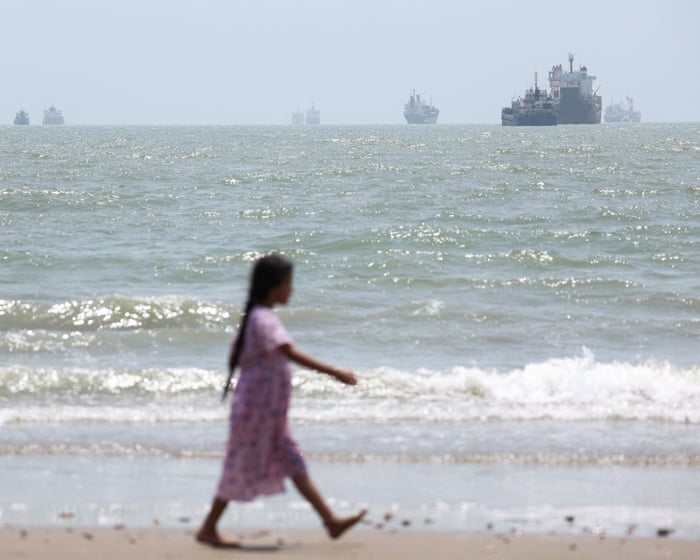
Iran’s supreme leader, Ali Khamenei, was killed on the first day of strikes, and the strait of Hormuz – a crucial waterway for transporting oil – was effectively closed soon after. The conflict quickly became a regional war with global economic consequences.
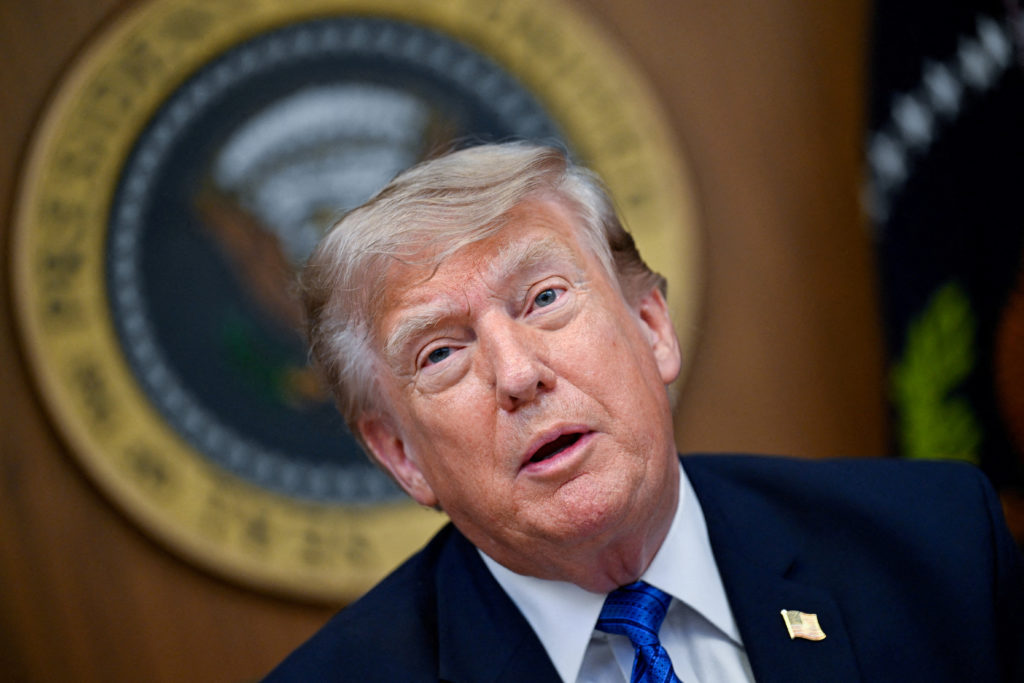
There still is no off-ramp in sight despite President Donald Trump's repeated assertions that the war has been won or a deal to resolve it was nearly complete.
Sheikh Mohammed bin Abdulrahman Al Thani has been a key mediator in the conflict, even as his country has blamed Tehran for hundreds of missile and drone attacks.
Qatar’s prime minister, Sheikh Mohammed bin Abdulrahman Al Thani, at a news conference in Egypt in August. His trip to Tehran comes at a moment of heightened tension between Iran and Qatar.
Internal calls to end war get louder as Gulf neighbours plan alternative pipelines to cut reliance on waterway
Is the strait of Hormuz, recently cited by the office of the Iranian supreme leader as “the pillar of Iran’s new security order”, and as transformative as possessing a nuclear weapon, in reality becoming a fast-diminishing asset, leaving Iran increasingly vulnerable to the new planned US wave of economic sanctions?
It is the key debate that is raging inside Iran, with many different conclusions being drawn for Tehran’s negotiating strategy. Those who warn the strait’s value as a chokehold on the world economy will erode, leaving the country without foreign exchange reserves, argue that Iran’s negotiators should seek a deal soon.
The U.S. launched what the Trump administration calls "Operation Economic Outcast" against Iran. It includes threats to increase sanctions on Iran's trading partners. The pressure comes as the administration indicates it is trying to avoid returning to war, but cannot overcome Iran's stranglehold over the Strait of Hormuz. Nick Schifrin discussed more with Miad Maleki.

 Login
Login