Clancy’s defense team argues she killed her three children under the condition, and should not be convicted of murder
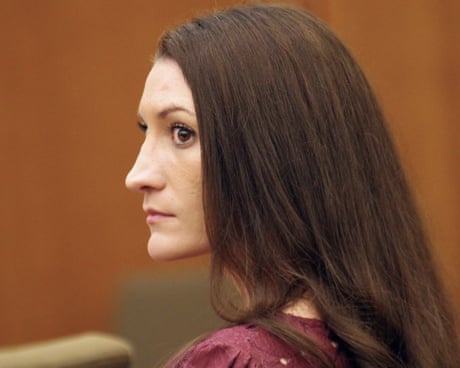
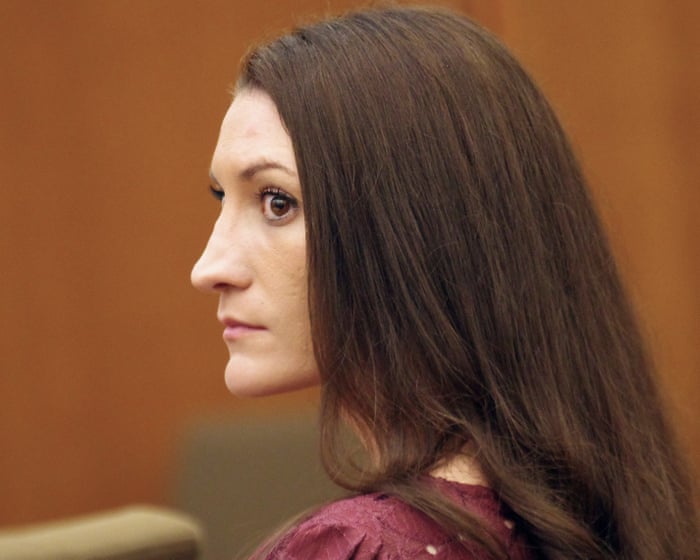
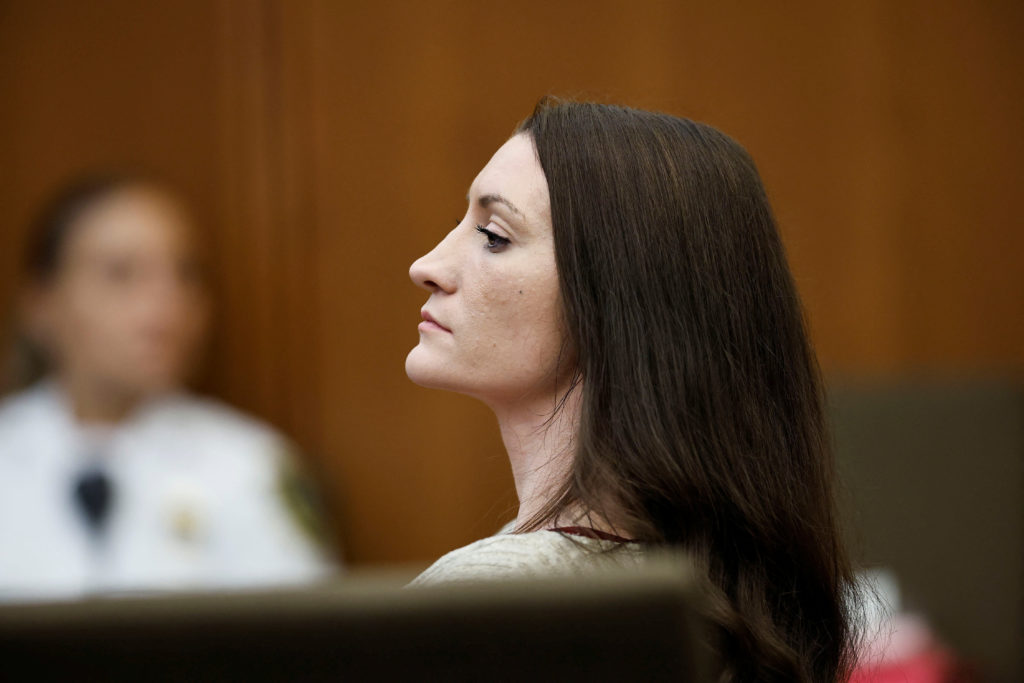
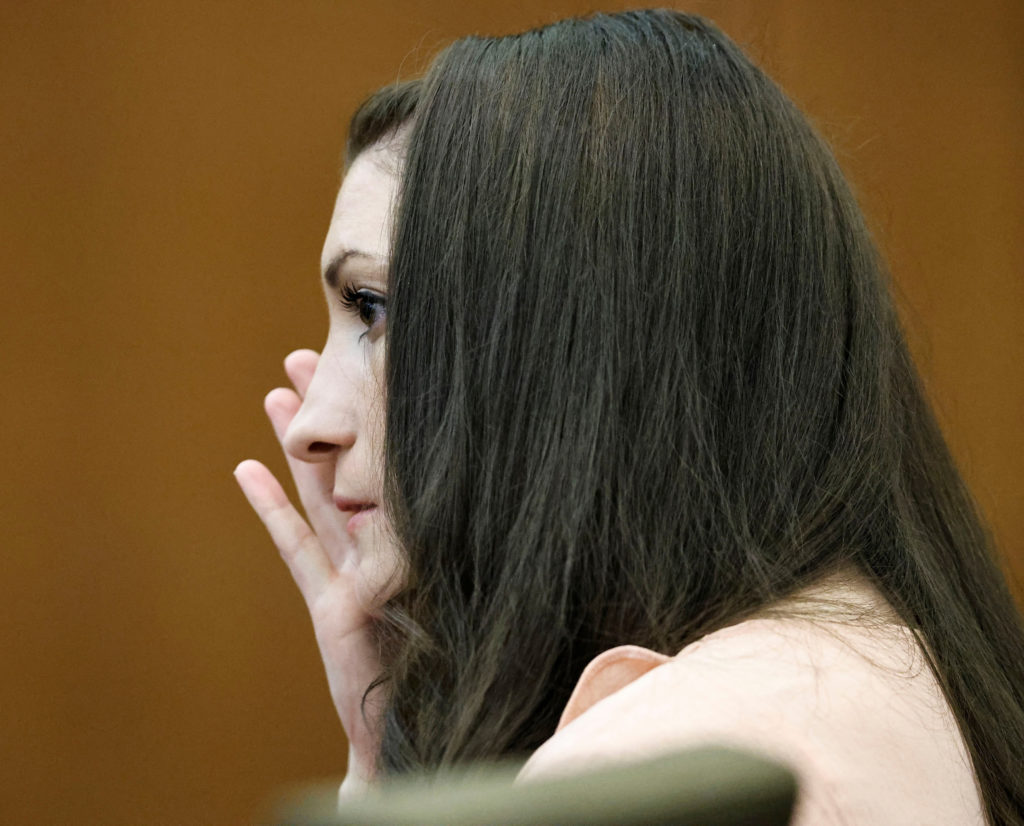
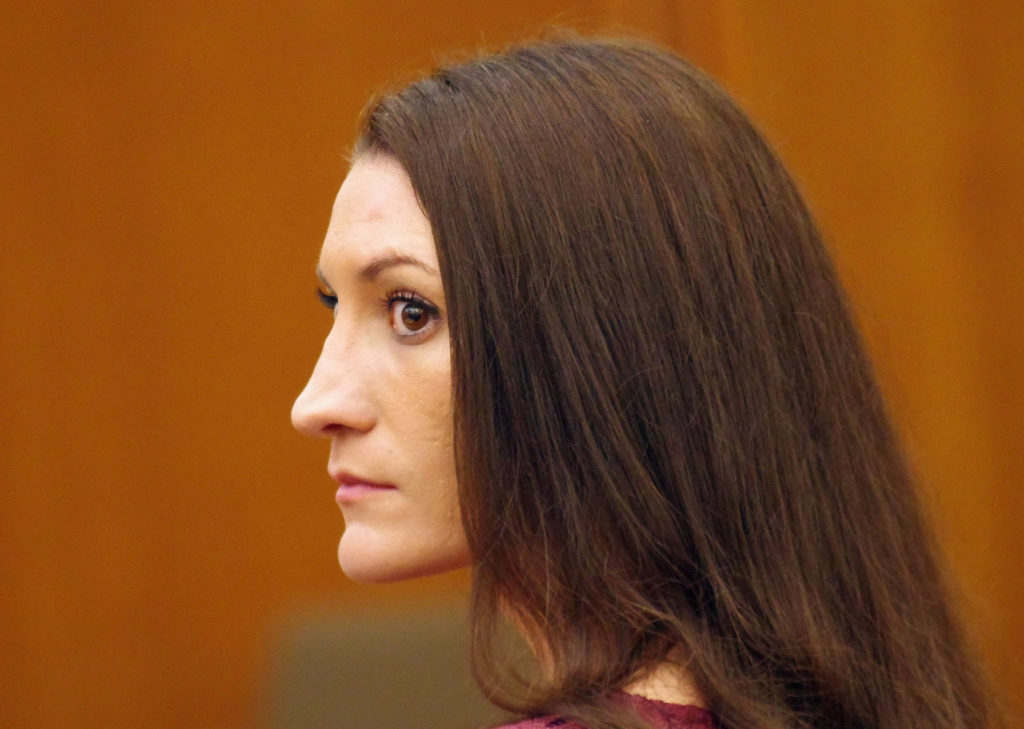
Postpartum psychosis, a rare and severe mental illness, is central to the trial of Lindsay Clancy, who has pleaded not guilty to three counts of first-degree murder. Her defense team argues that she killed her three children while experiencing the condition, which can cause hallucinations, delusions and rapid mood changes.
While the outcome of the trial may hinge on a determination of Clancy’s mental state, women who have experienced postpartum psychosis say the attention surrounding the case could help raise awareness about the need for better support, including more research and improved medical training.
Meta has agreed to strengthen its age estimates to keep kids under 13 off its platforms and teens in age-appropriate accounts, enact a hard limit of two hours a day for users under 18, block kids from the apps from midnight to 6 a.m., and hide "like" counts, among other changes.
While both sides agree she killed her children, Clancy's defense team argued she suffered from postpartum psychosis, with defense attorney Kevin Reddington stating that "lousy medical care" exacerbated her condition. Prosecutors argued she intentionally planned the killings and that the nation's healthcare system is "not on trial here."
Meta agreed to pay up to $17 billion in a settlement, putting to rest a trial where dozens of states accused it of deliberately endangering children through their platforms. The company behind Facebook and Instagram agreed to implement digital guardrails for minors and is asking other social platforms to do the same. Geoff Bennett discussed more with Colorado Attorney General Phil Weiser.
Lindsay Clancy's murder trial hasn't just dominated headlines for its tragic story and true crime fascination. For many, it has prompted a groundswell of recognition and outrage around the barriers women face when seeking care, the lack of research on postpartum mental health conditions and little education for providers.
Meta has agreed to pay $17 billion and add stronger child-safety measures to its Facebook and Instagram platforms to end a landmark trial over teen social media addiction and settle claims filed by 47 states, state attorneys general announced Wednesday.
When the NFL season kicks off next month, millions of Americans will gather around their televisions to watch athletes of comic book proportions crash into each other at breathtaking speeds. Inevitably, those players’ heads will smash into each other, leaving them dazed on the field. And according to a major new study, these repeated head-on collisions may eventually lead to a degenerative brain disease for many — if not most — of the players long after they’ve left the field.
For years now, America has been reckoning with the tension between its love for football and the growing evidence of its dangers. Those concerns can be boiled down to three letters: CTE, or chronic traumatic encephalopathy, which is the progressive brain disease that can lead to dementia, depression, suicide, and other serious mental health problems.
One major question over the past 20 years has been: Exactly how often does playing football lead to CTE? What are the risks for peewee players versus pros? How quickly does the brain deteriorate once the disease takes hold? And new research, published this week in BMJ, has provided us with some staggering answers. After analyzing the death records for hundreds of former NFL players, the co-authors concluded that at least 25 percent of the former players who died between 2016 and 2021 had CTE at the time of their death.
And the actual prevalence could be much higher, but more players’ brains would have to be given over to scientists for a CTE assessment for us to know for sure. Because among the 338 players whose brains were donated and studied, the CTE rate was an astonishing 93 percent. The question is, according to the researchers: Is that percentage skewed because the players exhibiting CTE symptoms were more likely to offer up their brain for research? Or, as the authors suggest is possible, is the real CTE rate closer to 90 percent? Only further research will be able to tell us, but even the latest estimate — one in four — is cause for concern.
It’s a stark reminder of football’s risks, delivered right on the cusp of a new season for pro, college, and high school teams around the country. And according to the Aspen Institute’s annual State of Play report, there are signs that the game’s future may actually be at risk.
More and more American parents are steering their kids away from tackle football. How long can an elite league like the NFL last when the pool of players is getting smaller and smaller — at the same time the scientific evidence of its dangers is becoming clearer and clearer?
The youth football pipeline is drying up
Despite the latest research, the NFL is going to be fine in the short term. Professional football is the biggest TV show in the country: Last year, 83 of the top 100 rated TV shows were NFL games, up from 72 in 2024. The next Super Bowl will almost certainly attract more than 100 million viewers and end up the single most-watched TV program in the US for the whole year. Football is one thing that transcends politics in an increasingly polarized America.
But with each new piece of evidence about the physical and mental costs of playing football, football’s long-term dominance looks less and less certain. Already, if you dig into the trend lines for youth participation, they reveal a real threat to the sport’s future.
Let’s start with the good news for football enthusiasts: Flag football has become more and more popular among kids, supported by investments and promotion by the NFL itself and expert consensus that it’s much safer than tackle, especially when it comes to head injuries. According to the Aspen Institute’s State of Play survey, flag football participation among kids ages 6 to 12 grew by 13.6 percent from 2019 to 2024, while tackle football play dropped 7 percent among the same age group over that time.
But it’s participation among the next age group that may be most revealing. According to the Aspen Institute, tackle football participation rates among Americans ages 13 to 17 — the prime age for middle school and high school teams — decreased 9 percent from 2019 to 2024. It has even fallen behind tennis among the teenage cohort. Many of the tweens who play flag football may never strap on a helmet to play tackle.
Even if fewer kids play tackle football year over year, the sport may still subsist on its promises of upward mobility for people who come from poorer backgrounds. With the recent introduction of compensation for college players, elite athletes can make millions of dollars in income before they even reach the NFL. It may be no surprise, then, that the young people still playing tackle football are more likely to be lower-income and live in conservative states.
Another study found that Black and Hispanic parents, who on average earn less money than their white counterparts, are more likely to see football as a path to college scholarship or even a professional career; the Washington Post reported in 2023 that the proportion of white players at the college level is falling while the percentage of Black players is rising. Football players are often thought of as modern gladiators: participants disproportionately from lower classes aspiring to riches and glory in a violent game for the viewing pleasure of the general public. That’s becoming more and more true as we learn more about its dangers.
As the annual hoopla around the NFL kickoff makes clear, football’s cultural dominance remains unrivaled among professional sports. But this new study has left even me, a lifelong football fan, wondering how much longer it can, and should, last.
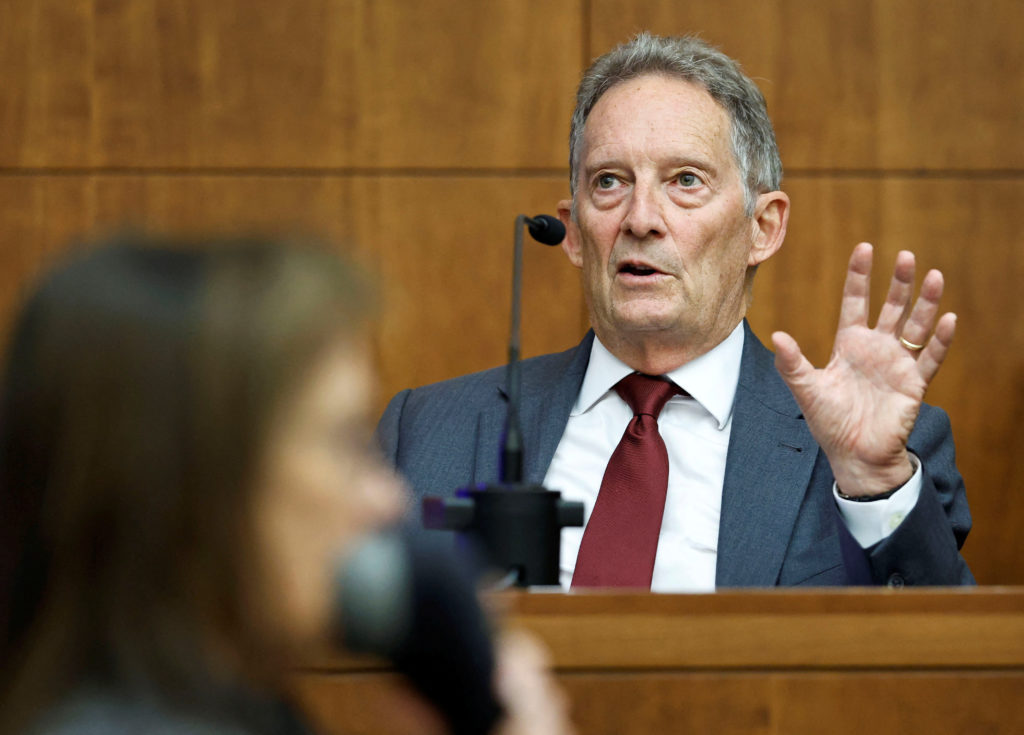
Kirk Heilbrun told jurors that he didn't believe Clancy's claim that she hallucinated a voice telling her to kill her children, who ranged from 8 months to 5 years old. He said he instead believed she took their lives so they wouldn't "suffer" after she killed herself.
Kirk Heilbrun, who examined Clancy over three days this year, said he struggled to reach a diagnosis of bipolar 2 disorder "because of all the diagnoses in the records and all the symptoms that she experienced."
But maybe I know too much, or…too little about how much to know? | Pete Gamlen for Vox
Hi readers! Shayla Love here, science journalist and longtime fan of Your Mileage May Vary. I’m honored to be subbing for Sigal Samuel while she’s out on parental leave. I’m diving into your questions as a way to help understand human nature and our choices through multiple lenses: philosophical, psychological, and beyond. Please send in any emotional, body/brain, sociological, perceptual, or other kind of life quandaries you might have.
I’m swimming in information. I have tracking apps to keep tally of my daily steps, minutes online, my calories, my sleep. Throughout the day, I am awash with data — some “actionable” and some useless. I find it a struggle to prioritize. I find myself looking up the latest betting odds for a Senate race in a state where I don’t live. (I didn’t bet on the race.) What I want to know is: What should I know less about? I’ve heard that ignorance is bliss, though I don’t often find that to be the case. But maybe I know too much, or…too little about how much to know?
Dear Un-blissfully Aware,
As a fellow know-it-all, I relate to your impulse to gather as much information as possible. I used to obstinately reject the idea that ignorance was bliss. Even if I learned something that was unpleasant, wouldn’t it be much worse not to know it?
But, as you may suspect from sharing my temperament in this arena, this approach to life can lead to hoarding knowledge like a frantic animal preparing for winter. You’re acquiring information as if it’s a scarce resource (which it’s not) and as if choosing to know something is neutral (it isn’t). What helped me understand the implications of this sort of approach was learning about the cases when people decided not to know, or the study of “deliberate ignorance.”
Have a question you want answered in the next Your Mileage May Vary column?
Fill out this anonymous form! Newsletter subscribers will get my column before anyone else does and their questions will be prioritized for future editions. Sign up here!
Several years ago, a psychologist, Ralph Hertwig, and lawyer, Christoph Engel, who both work at the Max Planck Institute in Berlin, examined what happened in the early 1990s, when the archives of East Germany’s secret police, the Stasi, opened to the public. Any person who had been living in the German Democratic Republic could check if they had been spied on. There was a pretty substantial catch, though: The spies were often “unofficial collaborators” — friends, family, teachers, or lovers who had been tasked with covertly collecting information. When the files were opened, many elected not to look. Hertwig and Engel estimated that potentially more people chose not to know what their files contained than those who did.
This goes against what we think we know about humans and how you have described yourself. Even Aristotle seemed quite certain that “all men naturally desire knowledge.” In the 1980s, the psychologist George Miller followed along in this line of thinking. He described humans as informavores: creatures with minds that constantly seek out and consume information. So, it can feel surprising to hear about occasions when people didn’t start grabbing for every available datapoint like squirrels dashing for acorns as the first winds of fall arrive.
But, as Hertwig and Engel — who collaborated on an entire book called Deliberate Ignorance: Choosing Not to Know — point out, we’re surrounded by people choosing ignorance all the time. They avoid looking at their bank statements, they skip doctor’s appointments, and they cover their ears and say “no spoilers” if someone is talking about a movie they haven’t yet seen.
Even Nobel Laureates do this. When James Watson, one of the co-discoverers of DNA’s double helix, had his own genome sequenced, he requested that a specific gene be left out: ApoE4, which can reveal an increased Alzheimer’s risk. Watson’s grandmother had Alzheimer’s, and her experience clearly made an impression on him. (Then, many in the scientific world tried to remain ignorant to Watson’s increasingly misogynistic and racist comments, until it was unignorable.)
Why do people choose not to know? The most common reason: Ignorance can be an extremely effective way to regulate any emotions that might crop up in response to knowledge. You can minimize negative feelings by, for example, not knowing that your otherwise friendly neighbor had been reporting on your comings and goings.
In a study about romantic relationships, a majority of people said they didn’t want to know if their partner had ever thought about cheating on them (but never acted on it). Other research showed that most people wouldn’t want to know the exact time of their death. Alternatively, someone could cultivate the feelings of joy and surprise by waiting to find out the sex of a baby until it’s born.
Deliberate ignorance can also be used to protect us from our biases. Scientists do blinded studies, because the knowledge of what drugs are being used can unwittingly change the outcomes or research. When orchestras implemented blind auditions, more women musicians were accepted.
Of course, deliberate ignorance can be problematic when it causes harm to yourself or others, like failing to gather basic information about your financial or physical health. In some cases, for instance, about 10 percent of people who got tested for HIV didn’t come back for their results — which could lead to further spread of the disease.
But when skipping out on knowledge doesn’t endanger you or those around you, it’s worth asking: How would this information make me feel?
This sounds like a question that’s missing from your information-ingestion habits. You don’t have to — and shouldn’t — ignore everything that comes across your desk. But your deliberate ignorance filter is turned entirely off; seemingly anything passes through it. To take just one of your examples, you mentioned fitness wearables. It can be useful to be aware of your general activity levels and your sleep, but honestly, don’t you already know enough from your memories of a workout class and how rested you feel in the morning? A quest for more detailed knowledge like this can backfire, making people more anxious, and disconnected from their actual physical experience.
It’s not just about how much knowledge to take in, it’s also about what kind. The breadth of information that you’re seeking out makes me wonder if you’re not already using knowledge to regulate your emotions by favoring superficial knowledge over the meaningful. When we face difficult tasks (even if they’re important, and we want to get them done), that’s usually when, suddenly, a Senate race in a far-off state starts to become interesting, or you find yourself scrolling a high school acquaintance’s wife’s Instagram.
In the 1990s, two technology researchers proposed the concept of “information foraging,” which was inspired by early user behavior on the web. A few years later, Webster’s dictionary announced that their word of the year was “infosnacking,” or mindless grazing for useless knowledge online in order to pass the time.
Snacking sometimes is fine, but you’ll start to suffer if you only eat chips for every meal rather than something more nutritious. I suspect you might be avoiding the slightly more challenging task of taking in other, more nutrient-dense knowledge. If you cut out the step tallies, screen minute totals, and news headlines scrolling, what could you choose to know instead?
What I’ve learned about myself is that I will always lean towards being an informavore. I can’t help it. I am hungry to know, and there is no need to totally overhaul this valuable part of who you are (as I also tell myself!). This means you don’t need to replace your infosnacking with zenfully staring at the ceiling or emptying your mind through meditation. You can still put new things into it! But you could worry less about your daily information calorie intake and spend more time thinking about the nutrition content of your knowledge diet.
Take a lesson from our many deliberately ignorant friends, and try disregarding some of the little stuff — the body tracking, the random factoids — for a period of time. But, at the same time, increase your knowledge about other subjects: a neglected hobby or a nonfiction book collecting dust on your shelf. Have a long conversation with your best friend and ask each other questions you’ve never asked before or interview an older relative about their childhood.
And remember that all of this knowledge relates back to your emotional life. Rather than asking yourself what you should or shouldn’t know, examine how you might be using knowledge to alter how you feel. Knowledge changes us. It can make us happy, anxious, excited, or sad; it impacts our decisions and how we see ourselves and other people.
In some of your newfound spaces of intentional ignorance, you may find just some surprising moments of bliss.
Bonus: What I’m reading
The ostrich may be famous for its head-burying ignorance, but that’s actually a myth dating back to the ancient Romans. Ostriches don’t hide their heads, but, rather, bury their eggs underground. I highly suggest flipping through the book Ostrich by Edgar Williams, professor of cardiopulmonary science at the University of South Wales, for a natural and cultural history of our largest living bird that is way more interesting than it needs to be.
In a moving essay in the China Books Review, poet and writer Zhang Er remembers growing up during the Cultural Revolution and receiving “torn books,” or sections of forbidden books, to read from a family member. Even with incomplete knowledge, “my world expanded with each torn book,” she writes.
Not a book, but a powerful story on the ripple effects of being exposed to new information in East Germany: the 2006 movie The Lives of Others, from director Florian Henckel von Donnersmarck, which I recently saw for the first time. A Stasi officer listens into the life of a playwright, whose own fragile ignorance about his situation in the GDR is becoming challenged.

 Login
Login