Reading view

‘They take the water, the springs dry up’: fear as Guatemalan goldmine plan is revived

After lying dormant for years, the Era Dorada project in Asunción Mita resumed this year and villagers say history is being repeated, despite promises of change

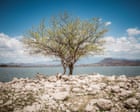
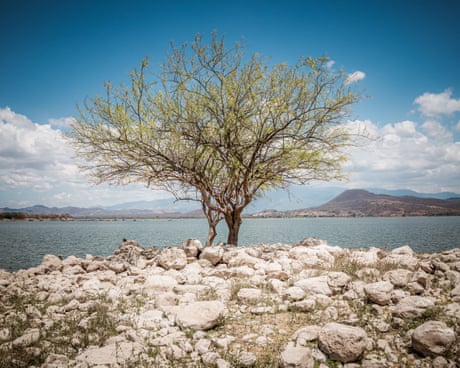
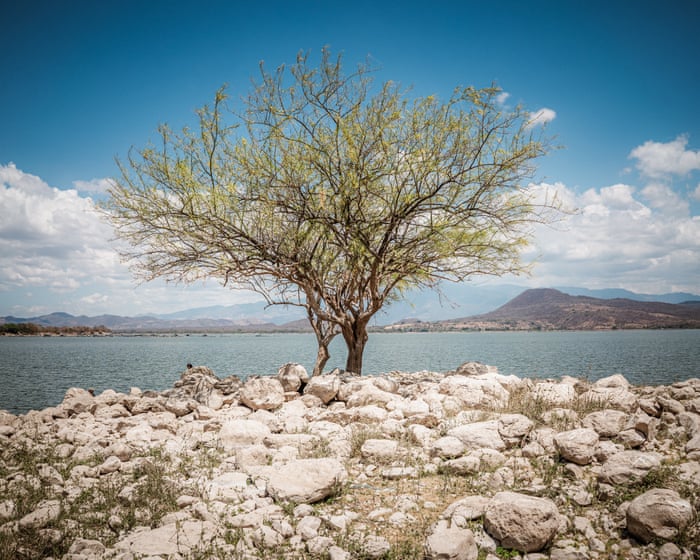
In the community of La Lima in Guatemala, Elda Dinora Ramírez, 58, looks towards a small well at the back of her home. Dusty wooden planks lie across the opening, concealing the faint gleam of water far below. “The well is drying up again,” she says.

Ramírez’s home lies less than a mile from Era Dorada – a goldmining project acquired by the Canadian multinational Aura Minerals in January 2025. After years of inactivity, the project was reactivated this year when the Guatemalan government granted Aura a construction licence.

Continue reading...
© Photograph: Euan Wallace
© Photograph: Euan Wallace
© Photograph: Euan Wallace
  •  

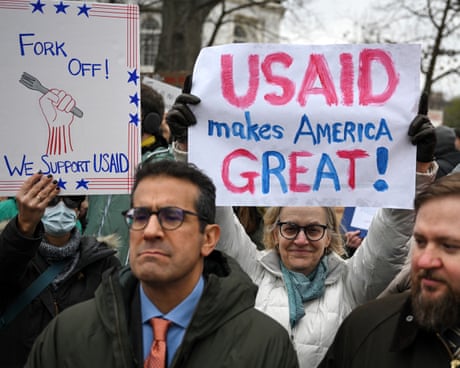
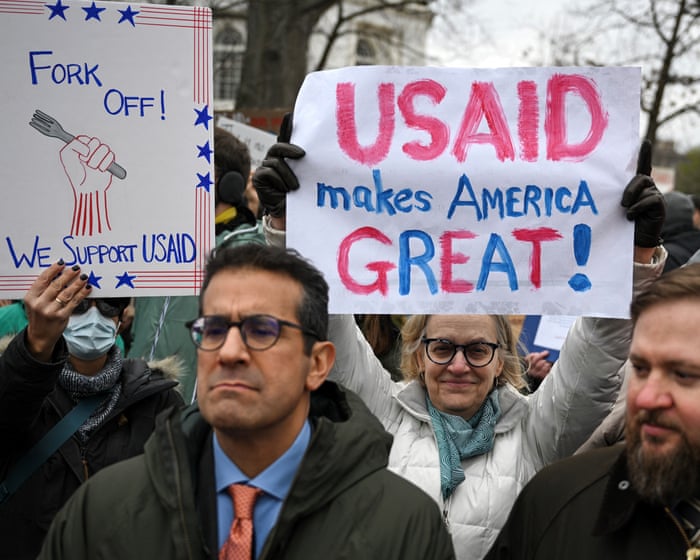
How misconceptions and woeful PR allowed Musk to shred USAID so easily | Jeremiah A Carew

A year on from the purge, with thousands of jobs cut and billions in foreign aid lost, a former leader reflects on the sorry saga – and why it would never happen to Nasa

A year has passed since I and thousands of colleagues lost our jobs at USAID. Asking myself “Why us?” I have come to the conclusion that the American public had very little idea of what we were doing and why.

Doge, the “department of government efficiency”, began its work in January 2025, with USAID as its first target, in a reckless campaign that even Elon Musk has said he would not repeat. At that moment of chaos, Americans lacked the knowledge that could contradict the false narrative presented by Musk, who called the agency a “criminal organisation” and “a viper’s nest of radical left-marxists who hate America”.

Continue reading...

© Photograph: Drew Angerer/AFP/Getty Images

© Photograph: Drew Angerer/AFP/Getty Images

© Photograph: Drew Angerer/AFP/Getty Images

  •  

How a South African town cleaned up its polluted river using stones, wood and sand

Scientists say system to treat contaminated wastewater offers a model for ensuring food security in a fast-warming climate

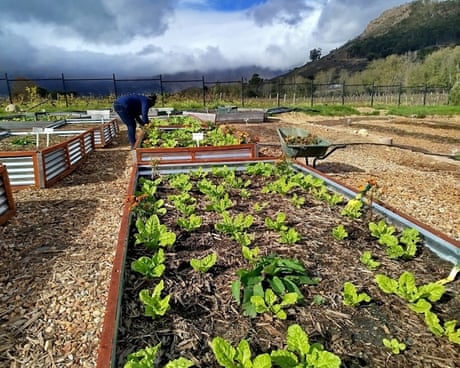
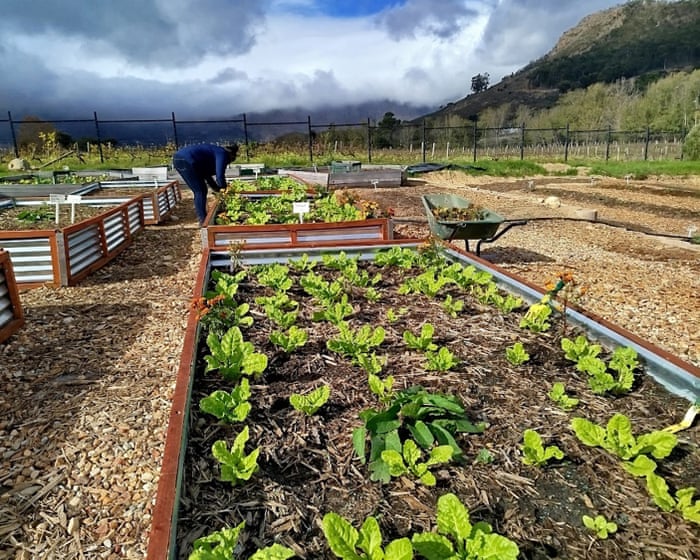
All it took to turn the murky, heavily polluted waters of South Africa’s Stiebeuel River into a resource clean enough for irrigating a community’s vegetable plots was a collection of stones, heat-treated wood and sand.

Without chemicals and using renewable energy, researchers from the University of Cape Town are cleaning 36,000 litres of water, polluted by sewage, chemicals, and traces of drugs and medication, every day to make it usable for growing food in a fast-expanding informal settlement along the course of the river.

Continue reading...

© Photograph: Courtesy of Water Hub

© Photograph: Courtesy of Water Hub

© Photograph: Courtesy of Water Hub

  •  

Sweden ends aid to Liberia in a hammer blow to women’s rights and healthcare

Sexual and reproductive services face an uncertain future as the country’s second-largest donor halts support worth hundreds of millions of pounds

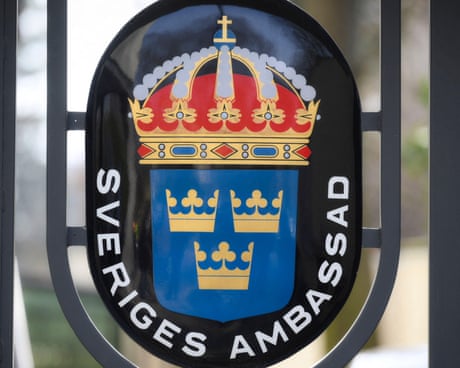
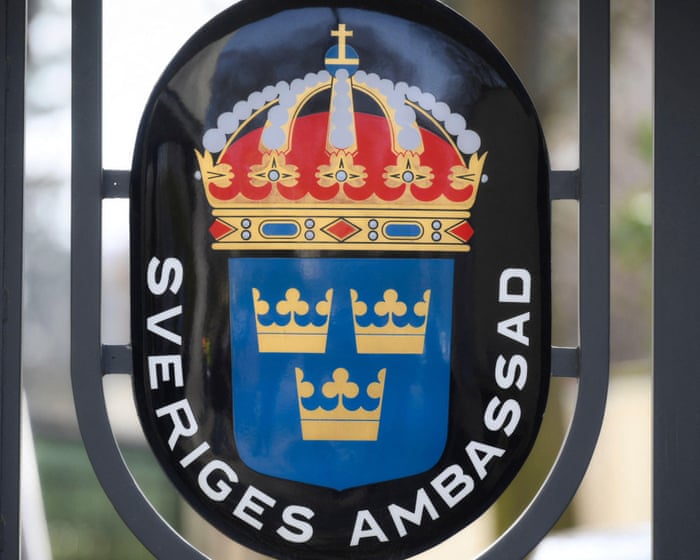
The Swedish flag is still flying above the pale blue building overlooking the Atlantic in Liberia’s capital, Monrovia, but the doors of the embassy are now closed to visitors. On 31 August, the Swedish embassy in Liberia ends a presence in the country that dates back to 1961.

The billions of kronor of aid that Sweden pipes into the west African country will end on the same day, as sweeping cuts to Swedish development funding come into effect.

Continue reading...

© Photograph: Sipa US/Alamy

© Photograph: Sipa US/Alamy

© Photograph: Sipa US/Alamy

  •  

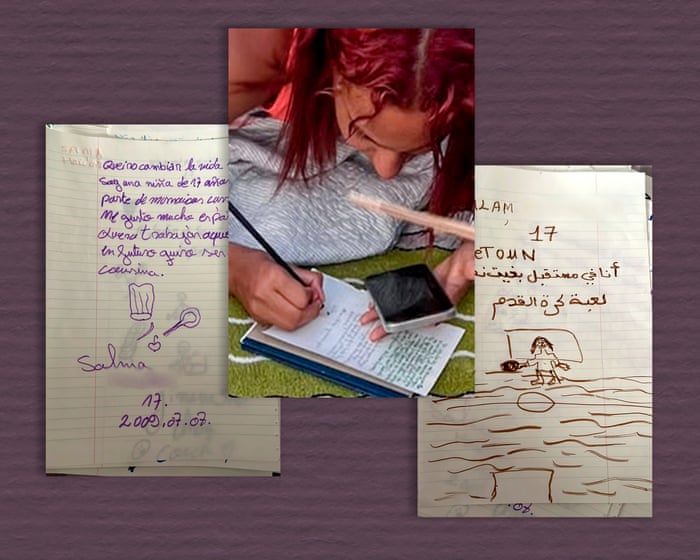
‘We want to find a better future’: teenage girls on why they risked their lives to reach Spain

More than two dozen teenagers stuck in the Spanish territory of Ceuta shared their reasons for joining the treacherous mass crossing in July

For Fatin, one of the teenage girls now living in limbo in a makeshift camp in the Spanish city of Ceuta, the decision to leave her home in Morocco began to form when she had to give up school.

She wanted to continue studying, she says, but at home she was expected to take responsibility for the housework instead. As classes and learning gave way to domestic chores, the future she had imagined for herself began to feel increasingly distant.

Continue reading...

© Composite: Soraya Aybar Laafou

© Composite: Soraya Aybar Laafou

© Composite: Soraya Aybar Laafou

  •  

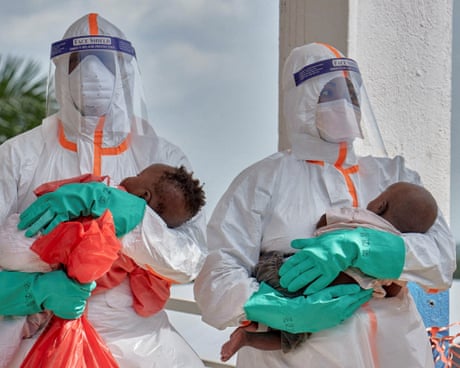
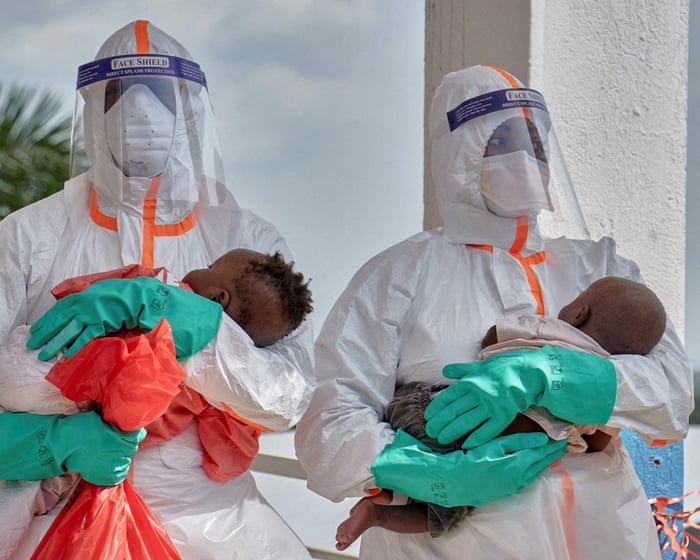
‘Behind every case, a person’: the man leading DRC’s Ebola fight on the human cost hidden behind the numbers

Prof Pierre Akilimali, who heads DR Congo’s response to an outbreak that has so far killed more than 2,700 people, says tackling the disease requires trust and respect

The statistics, says the man responsible for overseeing the Ebola response in the Democratic Republic of the Congo (DRC), are meaningless. That it is now the largest outbreak, the most deadly strain, that 100 days have passed, that the death rates keep climbing, says Prof Pierre Akilimali, should never detract from the human tragedies at the centre of this virus.

“It is behind those numbers that matters; it is the father, the child, the loved relative. Behind every case is a person and behind every person is a family. For us Congolese, we hold on to that as we work.”

Continue reading...

© Photograph: Gradel Muyisa Mumbere/Reuters

© Photograph: Gradel Muyisa Mumbere/Reuters

© Photograph: Gradel Muyisa Mumbere/Reuters

  •  

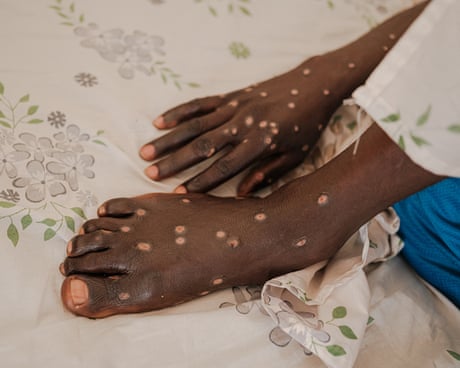
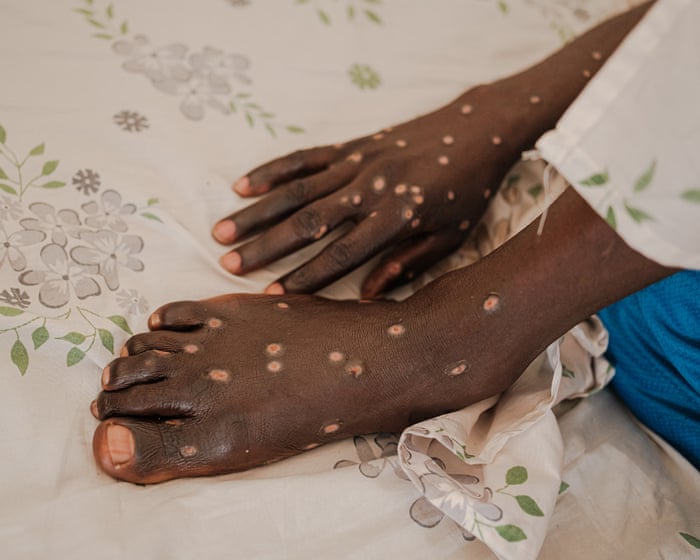
Mpox is back – and in new countries. How can this outbreak be contained?

The public health emergencies in 2022 and 2024 saw the virus reported in 145 countries, but in the new cases children appear particularly affected

A fresh outbreak of mpox in Guinea Bissau – the country’s first – means the virus formerly known as monkey pox is back in the headlines. So what has changed?

Since 2022, there have been almost 190,000 lab-confirmed cases of mpox reported worldwide in 145 countries. Before then, outbreaks of mpox tended to be relatively small and in a handful of African countries, where the viral infection was known to be endemic.

Continue reading...

© Photograph: Tchandrou Nitanga/AFP/Getty Images

© Photograph: Tchandrou Nitanga/AFP/Getty Images

© Photograph: Tchandrou Nitanga/AFP/Getty Images

  •  

Iran seeks to criminalise all contact with foreign media in ‘chilling’ crackdown

As photojournalist sentenced to 15 years, rights groups warn law would turn civic engagement into security crime

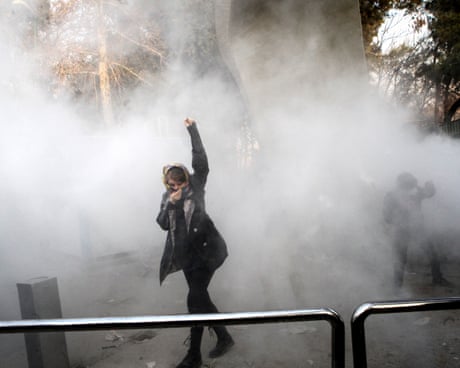
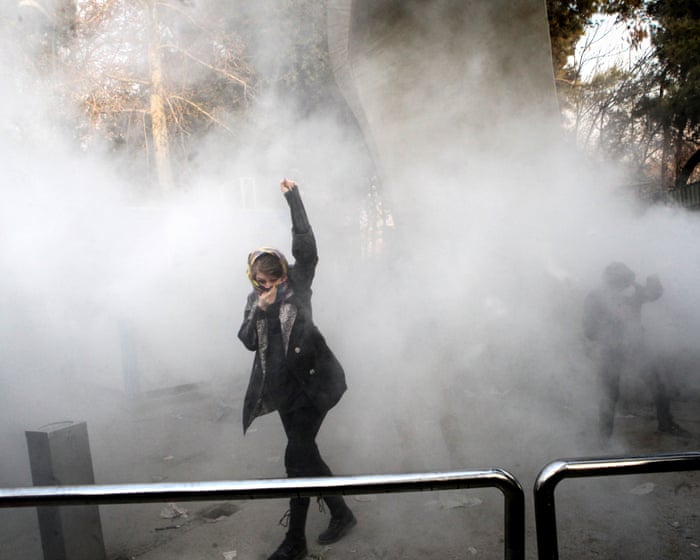
Iran has taken the first step towards criminalising contact with foreign media, in a move human rights groups have said attempts to “sever the entire Iranian society from the rest of the world”.

For journalists, researchers and even ordinary citizens, the proposed law being discussed by Iranian lawmakers this month could make speaking to international audiences and groups a potential criminal act and restrict coverage of events such as January’s mass anti-regime protests.

Continue reading...

© Photograph: Yalda Moaiery

© Photograph: Yalda Moaiery

© Photograph: Yalda Moaiery

  •  
❌