Reading view

‘Superhuman’ AI tool spots heart disease in less than 2 seconds

Technology trained on millions of routine ECGs could fast-track high-risk patients for treatment

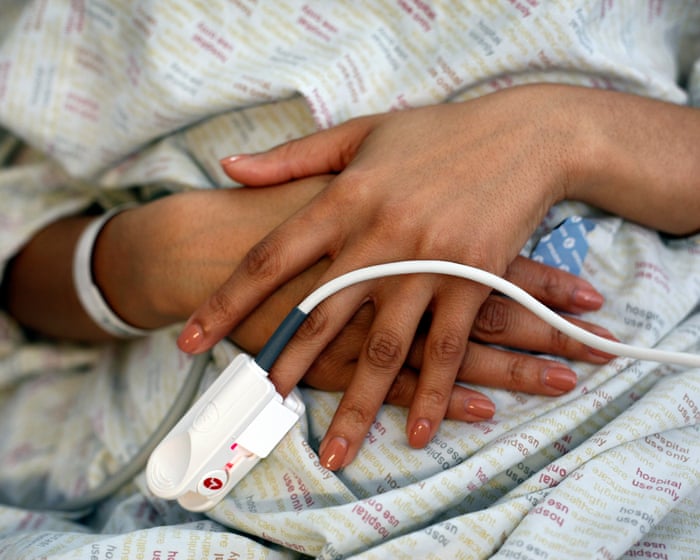
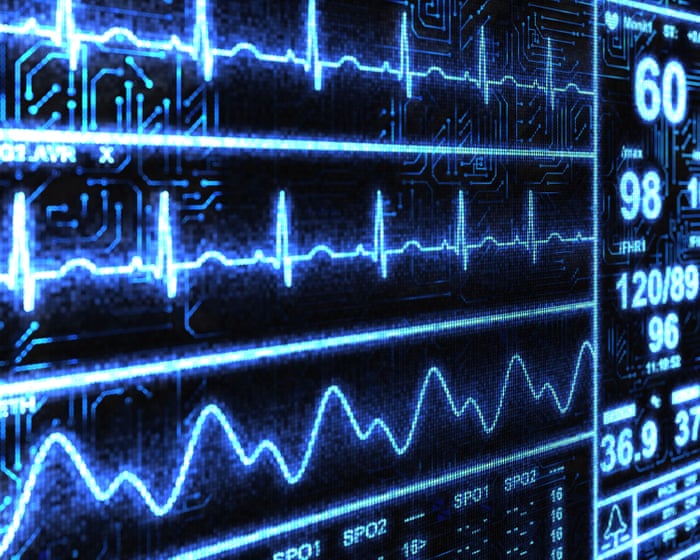
Doctors have developed a “superhuman” AI tool that can spot heart disease in less than two seconds.

The groundbreaking technology has been trained on millions of patients and works by extracting more information from a routine electrocardiogram (ECG) than the human eye can typically see.

Continue reading...

© Photograph: alengo/Getty Images
© Photograph: alengo/Getty Images
© Photograph: alengo/Getty Images


  •  

‘Superhuman’ AI tool spots heart disease in less than 2 seconds

Technology trained on millions of routine ECGs could fast-track high-risk patients for treatment

Doctors have developed a “superhuman” AI tool that can spot heart disease in less than two seconds.

The groundbreaking technology has been trained on millions of patients and works by extracting more information from a routine electrocardiogram (ECG) than the human eye can typically see.

Continue reading...

© Photograph: alengo/Getty Images

© Photograph: alengo/Getty Images

© Photograph: alengo/Getty Images
  •  

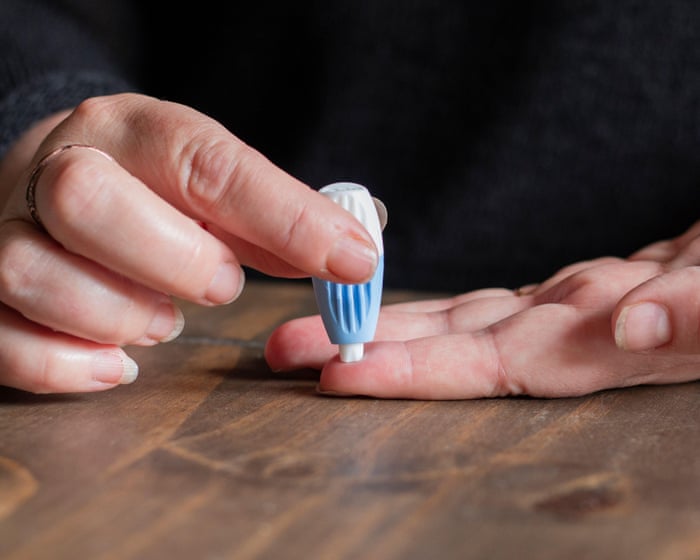
NHS to offer free high-street cholesterol tests in England

Checks at pharmacies for people aged 40 to 84 are aimed at identifying those at risk of heart attack or stroke

The NHS in England is to offer free finger-prick blood tests for cholesterol on the high street for the first time under plans to reduce heart disease and stroke deaths by a quarter within the next decade.

The seven-minute tests will be available at participating pharmacies as part of a national rollout to spot “ticking timebombs” earlier.

Continue reading...

© Photograph: Sara Sadler/Alamy

© Photograph: Sara Sadler/Alamy

© Photograph: Sara Sadler/Alamy

  •  

‘People should not feel guilty’: weekend lie-in may be good for you, experts say

Previous advice stressed risks of sleeping in but about 90 minutes extra could prevent high blood pressure

For years, experts have stressed the risks of lie-ins, warning that catching up on missed sleep at the weekend can disrupt the body’s internal clock and trigger adverse health effects.

Now analysis has produced a heartening caveat to that advice: if you do not overdo it, weekend lie-ins may be good for you, with an ideal benchmark of 1hr 27min extra in bed to protect against high blood pressure.

Continue reading...

© Photograph: Westend61/Getty Images

© Photograph: Westend61/Getty Images

© Photograph: Westend61/Getty Images

  •  

Statins can reduce dementia risk by up to 15%, long-term study suggests

The cholesterol-busting drugs are more effective the earlier in life they are taken, 15-year research project indicates

Statins can lower the risk of dementia by 15%, and the earlier in life they are taken the higher the chances of avoiding the disease, a 15-year study suggests.

The number of people living with dementia globally is forecast to nearly triple to 153 million by 2050. But experts believe almost half of dementia cases could be prevented or delayed.

Continue reading...

© Photograph: Joe Giddens/PA

© Photograph: Joe Giddens/PA

© Photograph: Joe Giddens/PA

  •  

New heart attack definition promises better care for women

Leading cardiovascular health groups reclassify overlooked causes and introduce sex-specific diagnostic thresholds

Doctors have agreed the world’s first universal definition of a heart attack, paving the way for millions of women to finally receive better treatment after decades of being “deprioritised”.

In one of the biggest procedural shake-ups in a generation, the world’s four leading cardiovascular health groups have signed off on new guidance for healthcare professionals when seeing suspected heart attack patients.

Continue reading...

© Photograph: David Sillitoe/The Guardian

© Photograph: David Sillitoe/The Guardian

© Photograph: David Sillitoe/The Guardian

  •  
❌