❌

Reading view

A working-class Alaskan Native takes on a ‘multimillionaire’ Republican for seat in Congress

Independent candidate Bill Hill is threatening to unseat Trump ally Nick Begich with a message of affordability

As Republicans fight to maintain their narrow majority in Congress, they face a unique challenge in Alaska – not from a Democrat, but from an independent commercial fisher and first-time candidate running to flip the state’s lone House seat.

Bill Hill, who is an Alaska Native and has worked in education and construction, has positioned himself as a working-class candidate who will fight to make life more affordable for people like himself and his family.

Continue reading...

© Photograph: Becky Bohrer/AP

© Photograph: Becky Bohrer/AP

© Photograph: Becky Bohrer/AP

  •  

Public sector an ‘afterthought’ to North Sea oil jobs, says Unison leader

Andrea Egan calls for same political focus on teachers, care sector and NHS and says Jackdaw decision ‘a serious misstep’

The leader of the UK’s biggest trade union has called for the same political focus to be given to NHS, education and care sector workers as there has been on those employed in North Sea oil and gas.

Andrea Egan, the general secretary of Unison, said too often public sector workers were treated as an “afterthought” by the government compared with the “massive political focus” on protecting jobs in the North Sea.

Continue reading...

© Photograph: Gary Calton/The Observer

© Photograph: Gary Calton/The Observer

© Photograph: Gary Calton/The Observer

  •  

TUC leader expects wave of union recognition in private sector over coming year

Paul Nowak says ‘hundreds, if not thousands’ of employers could sign access agreements as ‘transformative’ rules come into force

The TUC general secretary, Paul Nowak, is predicting a wave of union recognition deals in the private sector over the next year as “transformative” rules on accessing workplaces come into force.

From Friday, as part of Labour’s Employment Rights Act, unions will have the right to enter workplaces or communicate with staff electronically. From January, employers will be obliged to inform workers of their right to join a union.

Continue reading...

© Photograph: Stefan Rousseau/PA

© Photograph: Stefan Rousseau/PA

© Photograph: Stefan Rousseau/PA

  •  

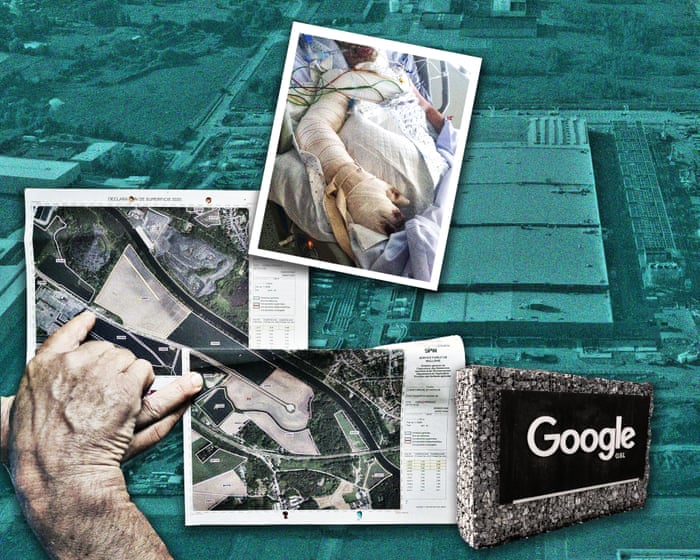
Electrocutions, disease and no pay: how workers risk exploitation in Europe’s datacentres

As thousands of datacentres are constructed across Europe, the Guardian and Investigate Europe have uncovered disturbing evidence that some workers building them are exposed to dangerous conditions and living in fear of speaking out

Sandu* checked his watch. He was winding down the last 15 minutes of his shift at a vast Google datacentre site in Saint-Ghislain, Belgium, in March, when the call came in. The 34-year-old electrical tester had already worked almost 10 hours, but says such last-minute jobs were normal: “I had no choice. People have been fired after saying no.”

The task was one Sandu had done many times before and involved a series of tests measuring the safety and integrity of the electrical wiring. A protective suit was locked away in an equipment room. The round trip would have added another 15 minutes to the job, he says, and people were waiting, so he decided not to retrieve the suit.

Continue reading...

© Illustration: Alamy/Mei-Ling McNamara

© Illustration: Alamy/Mei-Ling McNamara

© Illustration: Alamy/Mei-Ling McNamara

  •  

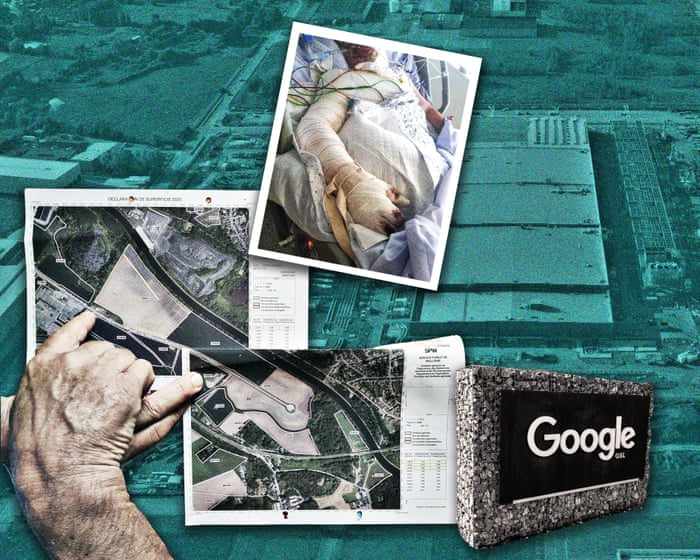
Electrocutions, disease and no pay: how workers risk exploitation in Europe’s datacentres

As thousands of datacentres are constructed across Europe, the Guardian and Investigate Europe have uncovered disturbing evidence that some workers building them are exposed to dangerous conditions and living in fear of speaking out

Sandu* checked his watch. He was winding down the last 15 minutes of his shift at a vast Google datacentre site in Saint-Ghislain, Belgium, in March, when the call came in. The 34-year-old electrical tester had already worked almost 10 hours, but says such last-minute jobs were normal: “I had no choice. People have been fired after saying no.”

The task was one Sandu had done many times before and involved a series of tests measuring the safety and integrity of the electrical wiring. A protective suit was locked away in an equipment room. The round trip would have added another 15 minutes to the job, he says, and people were waiting, so he decided not to retrieve the suit.

Continue reading...

© Illustration: Guardian Pictures/Alamy/Mei-Ling McNamara

© Illustration: Guardian Pictures/Alamy/Mei-Ling McNamara

© Illustration: Guardian Pictures/Alamy/Mei-Ling McNamara

  •  
❌