❌

Reading view

Twice as many plants and animals sold in wildlife trade as previously thought, says report

More than 100,000 species are traded globally, whether illegally smuggled, sold as ornaments or in fisheries, timber and fashion industries, study finds

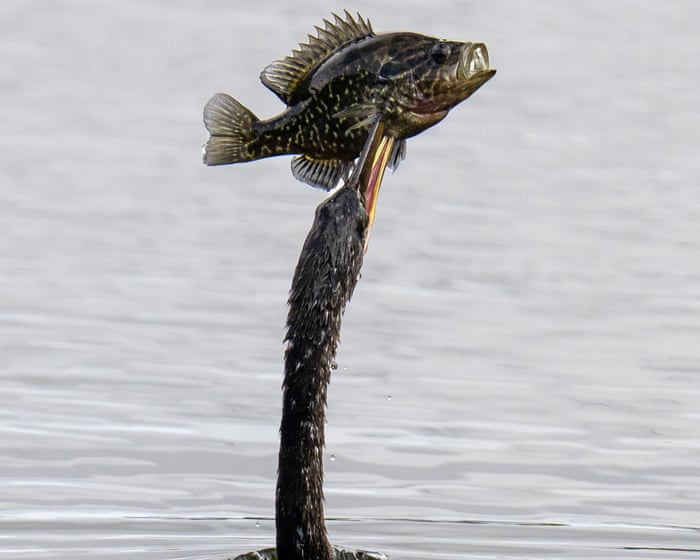
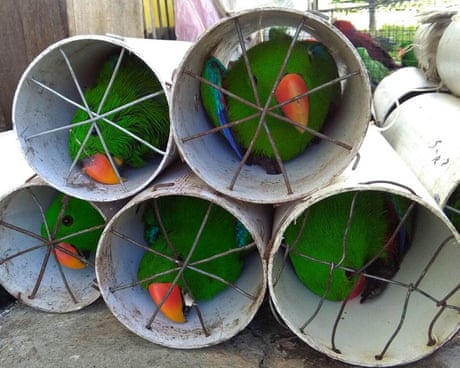
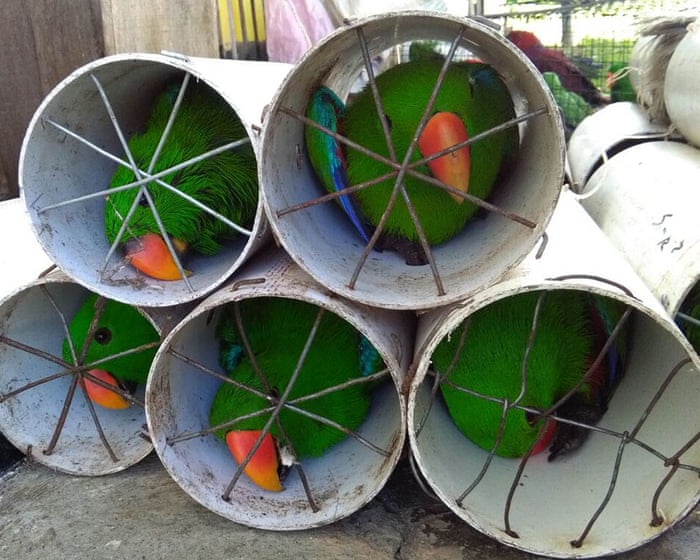
The number of plant and animal species in use or sold in the wildlife trade is more than twice as high as previously thought, researchers have discovered.

A study, published in Science Advances, warns that there are huge gaps in global assessments of how wildlife is traded, and that past estimates have failed to keep up with changes such as the boom in the online exotic pet trade, where sellers offering to post spider eggs across the world or sneak reptiles on to planes are just a click away.

Continue reading...
© Photograph: AFP/Getty Images
© Photograph: AFP/Getty Images
© Photograph: AFP/Getty Images

  •  

Public sector an ‘afterthought’ to North Sea oil jobs, says Unison leader

Andrea Egan calls for same political focus on teachers, care sector and NHS and says Jackdaw decision ‘a serious misstep’

The leader of the UK’s biggest trade union has called for the same political focus to be given to NHS, education and care sector workers as there has been on those employed in North Sea oil and gas.

Andrea Egan, the general secretary of Unison, said too often public sector workers were treated as an “afterthought” by the government compared with the “massive political focus” on protecting jobs in the North Sea.

Continue reading...

© Photograph: Gary Calton/The Observer

© Photograph: Gary Calton/The Observer

© Photograph: Gary Calton/The Observer

  •  

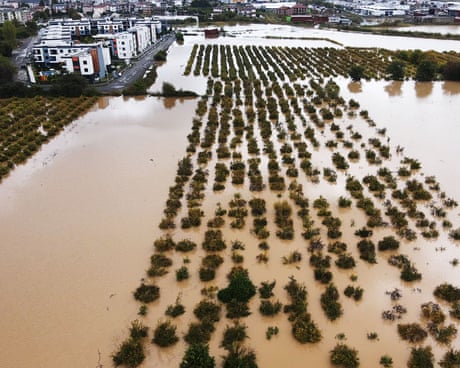
Severe rainfall and flood warnings issued for central Greece and western Turkey

Turkey has been hit by powerful thunderstorms and a fatal tornado this week with more heavy rain expected

Heavy rain and strong winds will continue to affect parts of south-eastern Europe and Turkey over the next few days, as an area of low pressure in the region has allowed for the formation of powerful thunderstorms. During a particularly intense thunderstorm in Antalya, a coastal city in the south-west of Turkey, the formation of a tornado resulted in the deaths of four construction workers on Tuesday. Authorities in Greece and Turkey have released severe rainfall and flooding warnings, as a further 100-150mm (nearly 4-6in) of rain is expected this week in central Greece and western parts of Turkey, with locally higher totals possible.

Travelling eastwards towards south Asia, strong winds and heavy rainfall have swept across the Indian regions of Odisha and Andhra Pradesh as Cyclone Arnab made landfall. With wind gusts in excess of 85mph (140km/h) and rainfall totals in some regions exceeding 200mm, the severe storm has prompted mass evacuations of more than 180,000 people, as well as widespread disruption to energy and transport infrastructure. The cyclone will weaken as it continues to traverse northwards over the coming days, though will continue to deliver heavy rain to parts of northern and central India as it does so.

Continue reading...

© Photograph: Durmus Genc/Anadolu/Getty Images

© Photograph: Durmus Genc/Anadolu/Getty Images

© Photograph: Durmus Genc/Anadolu/Getty Images

  •  

Healey’s budget cuts mean Britain is likely to miss green heating targets

Ex-energy secretary Ed Miliband’s agenda appears undermined as money is diverted from renewables to defence

Britain is unlikely to hit its targets on green heating after the cuts announced by John Healey this week, experts have warned, as critics of Ed Miliband claim the former energy secretary’s green agenda is being dismantled.

The chancellor unveiled more than £3bn worth of cuts to the energy department’s budget this week, much of which will pay for higher defence spending.

Continue reading...

© Photograph: Justin Tallis/AFP/Getty Images

© Photograph: Justin Tallis/AFP/Getty Images

© Photograph: Justin Tallis/AFP/Getty Images

  •  

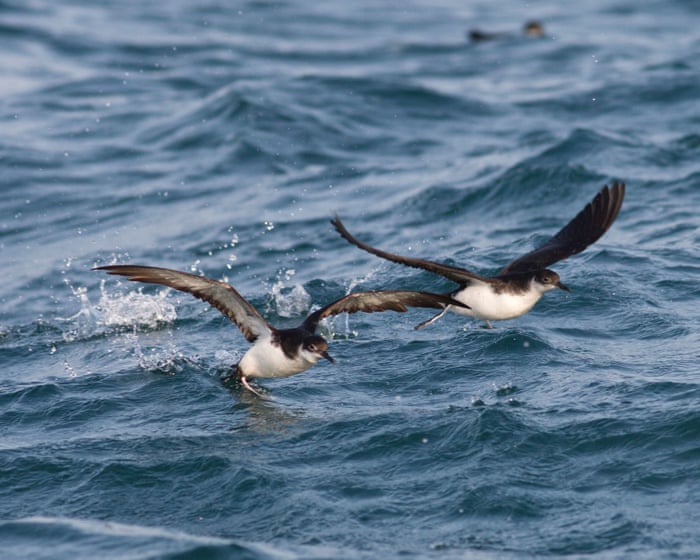
Migrating seabirds face a surprising problem: jet lag

Oxford study shows Manx shearwaters get lost when their body clocks get out of sync

Seabirds returning from foraging trips can be thrown hundreds of miles off course by a form of jet lag that arises when their body clocks get out of sync with local time, researchers say.

Tracking data from Manx shearwaters on the west coast of the UK revealed that when the birds returned home to their colonies after trips over the Atlantic, their rapid eastward flights disrupted their sense of time and navigation.

Continue reading...

© Photograph: George Reszeter/Alamy

© Photograph: George Reszeter/Alamy

© Photograph: George Reszeter/Alamy

  •  

Biodiversity Cop17 seems to be stalling. Is it time to reform the process?

In this week’s newsletter: There are too many meetings, and not enough decisions, say experts – and time is running out

• Don’t get Down to Earth delivered to your inbox? Sign up here

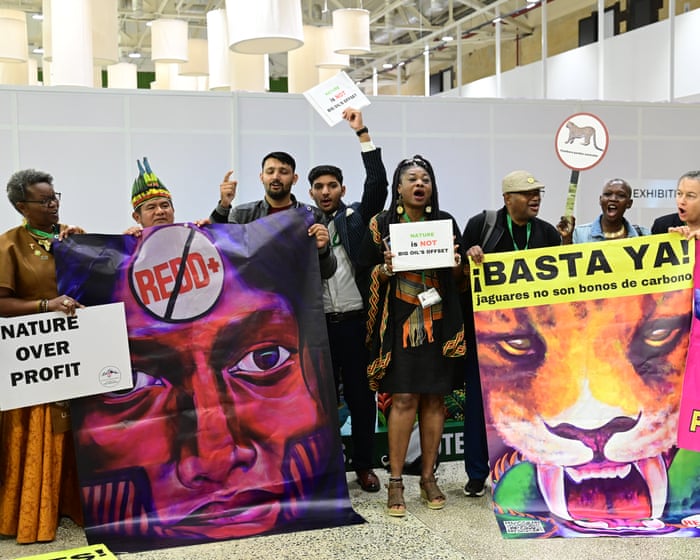
When things are not going well at an environmental summit, organisers often tell delegates that the “world is watching” in an attempt to focus minds. But spend any time at biodiversity Cop17 in Armenia and it is clear that the world’s attention is elsewhere.

The negotiating halls of Yerevan’s Meridian centre are subdued. Environment ministers have arrived from all corners of the world to plan their response to being so far behind the biodiversity targets they agreed four years ago. Right now, they appear on track to miss nearly all of them. They risk continuing the miserable record of never having met a biodiversity target they have set for themselves.

The climate crisis will destroy our economies – we learned this 20 years ago. When will we act?

Heat killed ‘staggering’ 50,000 people in Europe’s cities this summer, scientists warn

Angry Labour MPs urge leadership not to overrule energy secretary on Rosebank

Continue reading...

© Photograph: AFP/Getty Images

© Photograph: AFP/Getty Images

© Photograph: AFP/Getty Images

  •  

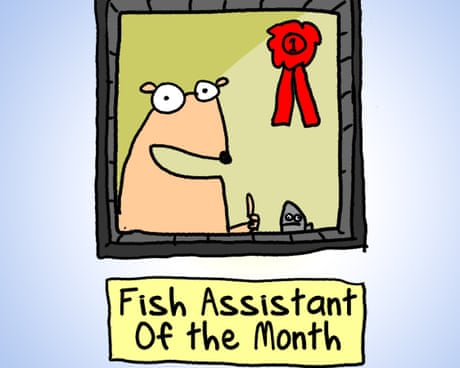
How many of these official creature kindness badges have you earned? | First Dog on the Moon

A cartoon that celebrates small acts of grace

Continue reading...

© Illustration: First Dog on the Moon/The Guardian

© Illustration: First Dog on the Moon/The Guardian

© Illustration: First Dog on the Moon/The Guardian

  •  

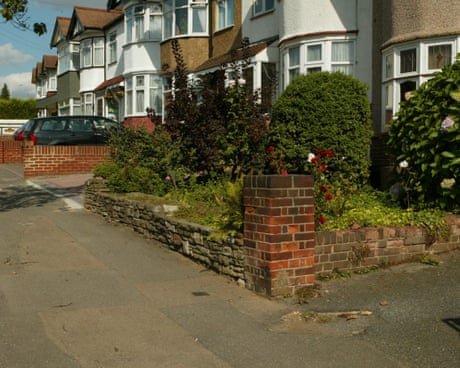
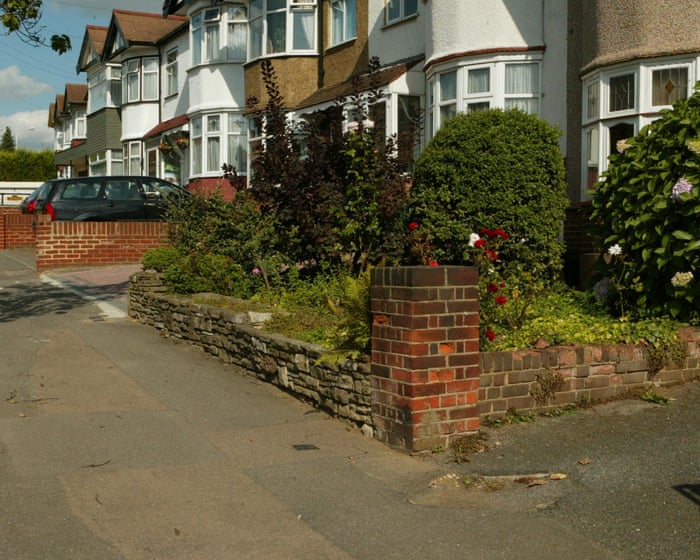
Greener front gardens could help combat air pollution and summer heat

Scientists call for incentives to preserve vegetation as study highlights benefits of plentiful planting in London

Your front garden could be a first line of defence against air pollution, according to a year-long field study in two London neighbourhoods.

The UK’s 26m gardens cover nearly 5% of the country’s land area, but they account for a much larger share in urban areas. In Greater London, domestic gardens cover 41% of the city, compared with 27% of Cardiff and 23% of Edinburgh.

Continue reading...

© Photograph: Graham Turner/The Guardian

© Photograph: Graham Turner/The Guardian

© Photograph: Graham Turner/The Guardian

  •  

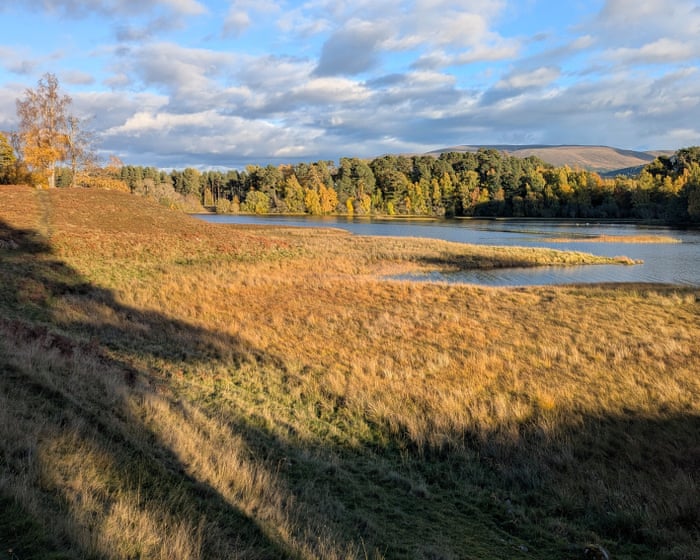
Country diary: The light and shade of autumn’s shortening days | Merryn Glover

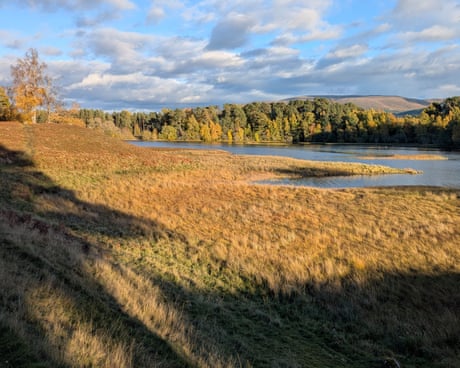
Loch Insh, Cairngorms: In my three decades in Scotland I’ve adjusted to the darkness of this time of year, and found glory in the quality of light

It is the one clear day in a fortnight of heavy cloud, wind and rain, so I am out by the loch, basking in the rays of light, breathing them in, hoarding for the weeks to come.

This time of year makes them all the more precious. Here in the Highlands, once we are past the autumnal equinox, we can almost feel the Earth tipping away from the sun as the light grows shorter each day and the night steals back. It’s a turn that is especially obvious when the clocks change and our evenings are suddenly dark.

Continue reading...

© Photograph: Merryn Glover

© Photograph: Merryn Glover

© Photograph: Merryn Glover

  •  

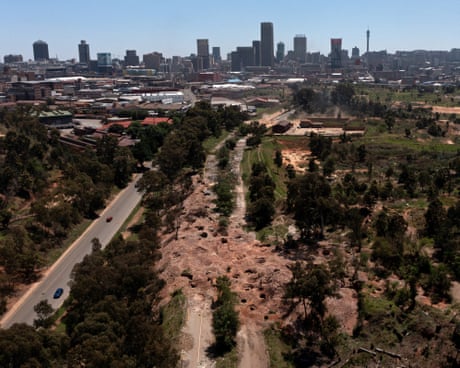
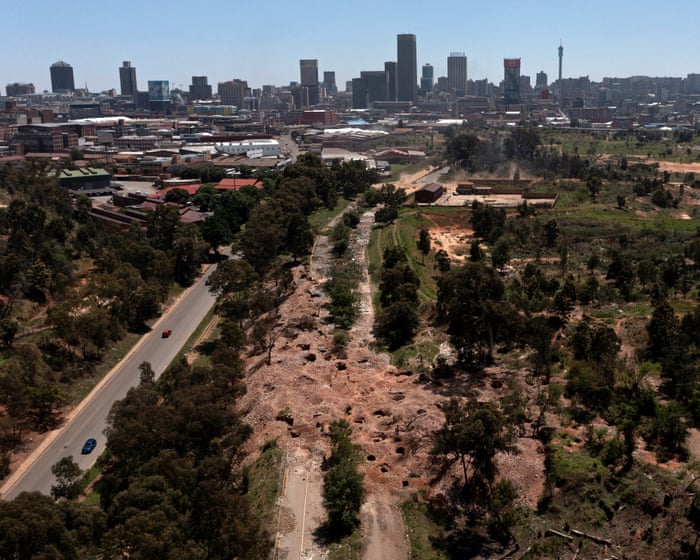
Sinkholes, scarred land and scapegoats: the scourge of illegal gold mining in Johannesburg

There is no end in sight for the drivers of illegal mining, while police action appears ineffective

Cora Bailey has been encountering illegal miners ever since she first started treating injured animals in the townships around Roodepoort, west of Johannesburg, in 1991. But as the price of gold has soared, so too has activity in the abandoned mine shafts that mark the area.

In late September, dozens of zama zamas – the name given to illegal miners in South Africa, meaning roughly “to take a chance” in Zulu – arrived to dig for gold across the dirt road from her charity, Claw (Community Led Animal Welfare).

Continue reading...

© Photograph: James Oatway/The Guardian

© Photograph: James Oatway/The Guardian

© Photograph: James Oatway/The Guardian

  •  

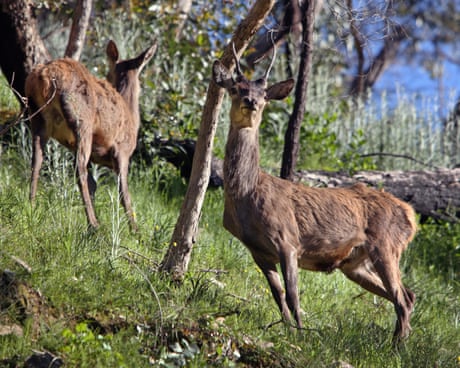
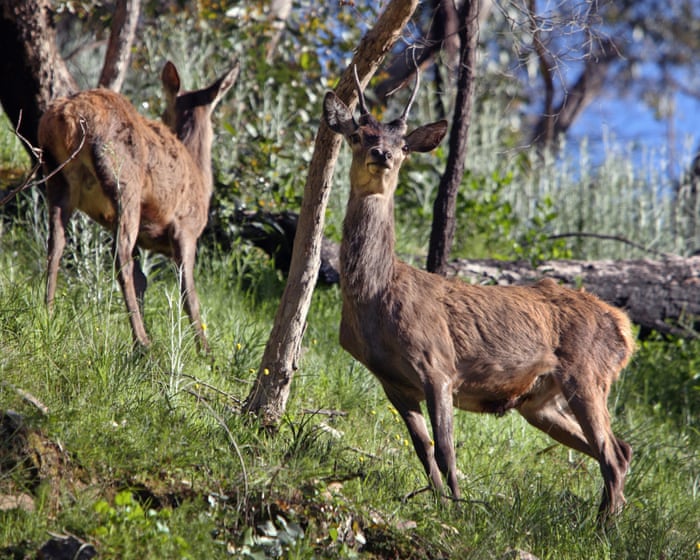
Feral deer will become Australia’s next feral pig problem without prompt action, report warns

The invasive species has increased in spread and numbers and is costing farmers millions of dollars

An unpublished government report on feral deer shows Australia is failing in its efforts to stop the spread of what one advocate warns could become “Australia’s next feral pig”.

The five years from 2020-2025 over which the national feral deer action plan was assessed covers a period in which the famously elusive species has increasingly encroached upon major cities, leading to more frequent encounters – including a memorable occasion in which two men in various degrees of undress were fined after becoming lost in the bush when they were spooked by deer while nude sunbathing.

Continue reading...

© Photograph: Bjorn Svensson/Alamy

© Photograph: Bjorn Svensson/Alamy

© Photograph: Bjorn Svensson/Alamy

  •  

El Niño-driven drought in Papua New Guinea a ‘national crisis’ as rivers dry up and local farms fail

As many as 8 million people have been affected by food shortages, electricity blackouts and health clinic closures

Extreme drought driven by an historic El Niño is affecting as many as 8 million people in Papua New Guinea, causing a cascade of issues from shortages of food and water, to electricity scarcity and schooling disruption.
An influential coalition that includes churches, trade unions and business groups has said the Pacific nation is in the midst of a “national crisis”, but there appears to be “no coordinated plan to protect vulnerable communities from the worsening impacts of El Niño.”

Continue reading...

© Photograph: Kate Newsome/CARE PNG

© Photograph: Kate Newsome/CARE PNG

© Photograph: Kate Newsome/CARE PNG

  •  

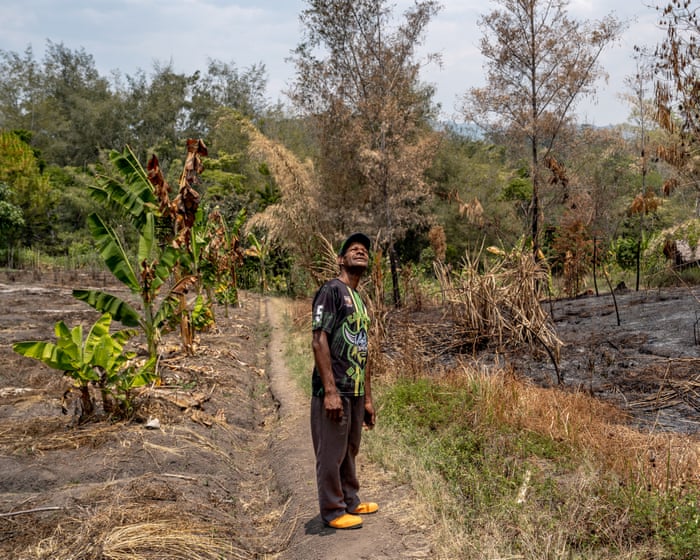
El Niño-driven drought in Papua New Guinea a ‘national crisis’ as rivers dry up and local farms fail

As many as 8 million people have been affected by food shortages, electricity blackouts and health clinic closures

Extreme drought driven by an historic El Niño is affecting as many as 8 million people in Papua New Guinea, causing a cascade of issues from shortages of food and water, to electricity scarcity and schooling disruption.
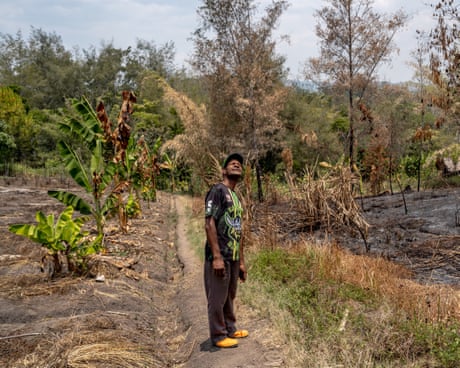
An influential coalition that includes churches, trade unions and business groups has said the Pacific nation is in the midst of a “national crisis”, but there appears to be “no coordinated plan to protect vulnerable communities from the worsening impacts of El Niño.”
Continue reading...

© Photograph: Kate Newsome/CARE PNG

© Photograph: Kate Newsome/CARE PNG

© Photograph: Kate Newsome/CARE PNG

  •  
❌