❌

Reading view

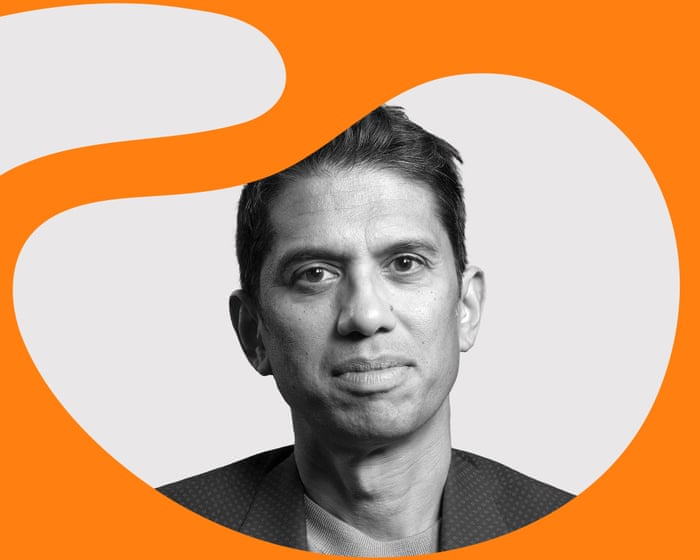
Reader Q&A: How can we radically change the way we live? Ask Aditya Chakrabortty

Guardian columnist, senior economics commentator and host of the new Radical Thinking podcast Aditya Chakrabortty is answering your questions on the big ideas around economics, society and democracy, and his new podcast

Send your questions to conversations@theguardian.com or join the discussion on Friday from 8am

thegreatfatsby asks: Do you think the fact that Gabriel Zucman, who is a recognised authority on wealth tax is given more respect, time and attention by the mainstream media than Gary Stevenson, who has worked eloquently and tirelessly to spread the debate about the terrible consequences of inequality and whose ideas and analysis are almost identical is because of our cultural fixation on class prejudice?

Aditya says: I’ve followed Gabriel Zucman (and Emmanuel Saez and Thomas Piketty) for a long time, and find his work rigorous and thought provoking. I don’t always agree, but I appreciate their acceptance that taxes on wealth are part of the fight against ever-increasing inequality.

I think Gary Stevenson is eloquent and compelling and is fighting a good fight. His book tells a story very well. But I don’t accept the insistence on a ‘wealth tax’ (as opposed to taxes on wealth) as being the only way we fight everything from inequality to the far right. We have to look at workers’ rights, housing, public ownership, greater democracy in economics and politics as well.

In the age of algorithm, simple, strong messages cut through. But the truth is often more complex.

Aditya says: What a nice question, Marija. I try to read a lot and write a diary. Unfortunately, I have the handwriting of a GP so I can’t read old entries. The other thing is I try to shirk my mobile phone.

Continue reading...

© Composite: Guardian Design

© Composite: Guardian Design
© Composite: Guardian Design
  •  

How do we make new economic ideas a reality? – Aditya Chakrabortty answered your questions

Guardian columnist, senior economics commentator and host of the new Radical Thinking podcast Aditya Chakrabortty answered your questions on the big ideas around economics, society and democracy, and his new podcast

thegreatfatsby asks: Do you think the fact that Gabriel Zucman, who is a recognised authority on wealth tax is given more respect, time and attention by the mainstream media than Gary Stevenson, who has worked eloquently and tirelessly to spread the debate about the terrible consequences of inequality and whose ideas and analysis are almost identical is because of our cultural fixation on class prejudice?

Aditya says: I’ve followed Gabriel Zucman (and Emmanuel Saez and Thomas Piketty) for a long time, and find his work rigorous and thought provoking. I don’t always agree, but I appreciate their acceptance that taxes on wealth are part of the fight against ever-increasing inequality.

I think Gary Stevenson is eloquent and compelling and is fighting a good fight. His book tells a story very well. But I don’t accept the insistence on a ‘wealth tax’ (as opposed to taxes on wealth) as being the only way we fight everything from inequality to the far right. We have to look at workers’ rights, housing, public ownership, greater democracy in economics and politics as well.

In the age of algorithm, simple, strong messages cut through. But the truth is often more complex.

Aditya says: What a nice question, Marija. I try to read a lot and write a diary. Unfortunately, I have the handwriting of a GP so I can’t read old entries. The other thing is I try to shirk my mobile phone.

Continue reading...

© Composite: Guardian Design

© Composite: Guardian Design

© Composite: Guardian Design
  •  

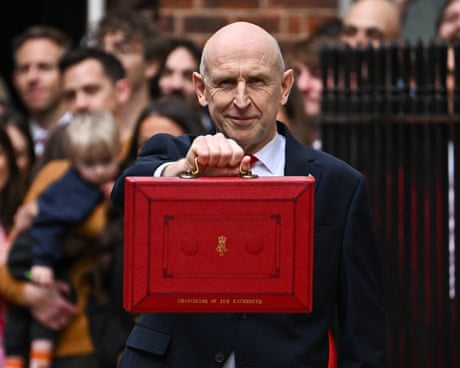
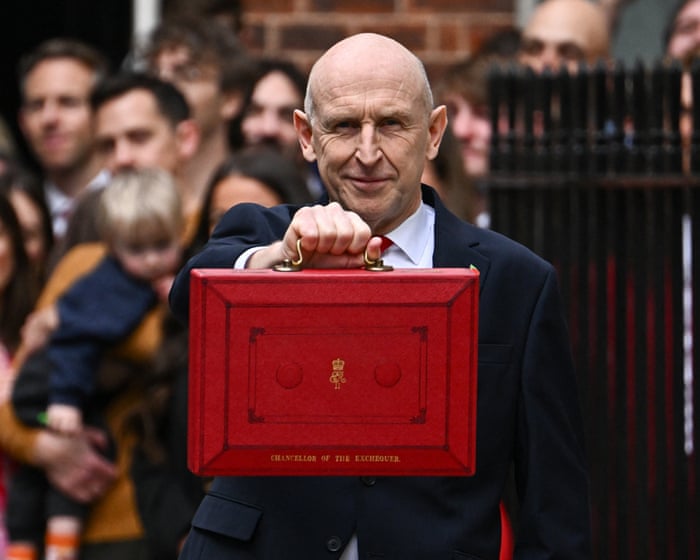
Healey’s budget paves way for ‘brutal’ spending review next year, warns IFS

Thinktank says chancellor has given himself a mountain to climb after ducking big decisions in low-key speech

John Healey has paved the way for a “brutal” spending review next year after his budget failed to cover a £28bn shortfall in the public finances needed to avoid a return to austerity, according to Britain’s leading tax and spending experts.

A day after his address to the Commons, the Institute for Fiscal Studies (IFS) said the chancellor had left himself a mountain to climb by ducking several big decisions in his debut tax and spending statement.

Continue reading...

© Photograph: WPA/Getty Images

© Photograph: WPA/Getty Images

© Photograph: WPA/Getty Images

  •  

US economy grows faster than expected in report out just ahead of elections

Growth is in sharp contrast to ​households’ assessment, reflected in ‌Trump’s record-low approval ratings

The US economy grew faster than expected in the third quarter as resilient consumer spending and AI-driven ⁠business investment more than ⁠offset the impact ​of higher oil prices stemming from the conflict in the Middle East.

Gross domestic product (GDP) increased at a 3.4% annualized rate last quarter, the commerce department’s ⁠bureau of economic analysis said in its advance estimate of the third quarter GDP on Thursday. Economists polled by Reuters had forecast GDP advancing at a 3.2% pace.

Continue reading...

© Photograph: Jeenah Moon/Reuters

© Photograph: Jeenah Moon/Reuters

© Photograph: Jeenah Moon/Reuters

  •  

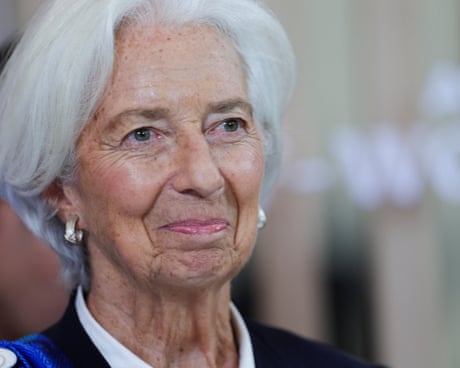
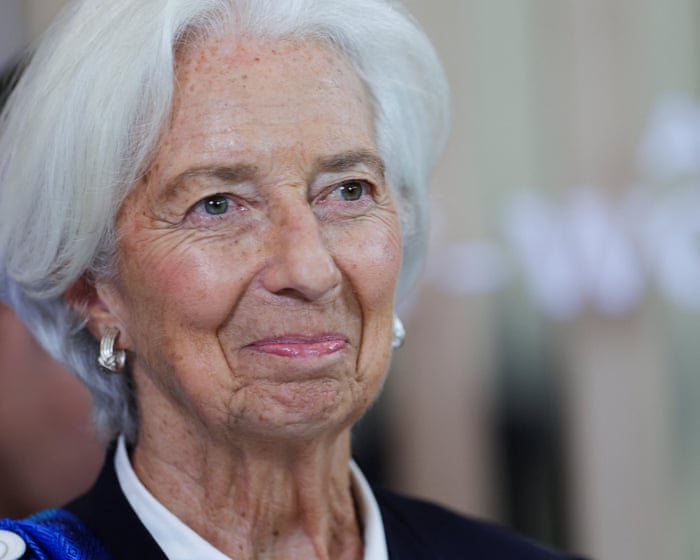
Europe’s central bank chief, Christine Lagarde, steps down for ‘freedom of speech’

Possible candidate to run World Economic Forum departs ECB nine months early, saying she wants to speak her mind about world affairs

Christine Lagarde, the eurozone’s top central banker, has said she is stepping down nine months early to speak her mind about world affairs and confront the “misrepresentation of the truth”.

Ending months of speculation about her future at the European Central Bank, Lagarde said she would quit her role as president in March rather than October next year because the rules of neutrality that governed her job prevented her from influencing debate about financial and economics affairs.

Continue reading...

© Photograph: Athit Perawongmetha/Reuters

© Photograph: Athit Perawongmetha/Reuters

© Photograph: Athit Perawongmetha/Reuters

  •  

UK politics: Burnham denies preventing ministers from speaking about plans for closer relationship with EU – as it happened

Prime minister wrote to ministers saying he did not want them to ‘advocate for specific options or opine on the likely outcome of the process’

Selling nicotine-free vapes to children under the age of 18 has become illegal from today, the government has said.

Children were already banned from buying vapes containing nicotine. But, under the Tobacco and Vapes Act, shops across the UK will now be banned from selling nicotine-free vapes, and nicotine pouches, to children.

Vaping can be a way to help established adult smokers who are already addicted to nicotine from tobacco to swap to a less dangerous product. Vaping is considered safer than smoking, but that is a low bar. Vapes should therefore never be used by children or non-smokers.

Some children have already come to harm from bad reactions to vapes. The long-term health harms of vaping in today’s children will only become clear over time. They are however unlikely to be good; inhaling multiple, often heated, chemicals into the lungs may well do irreversible harm.

Continue reading...

© Photograph: Darren Staples/AFP/Getty Images

© Photograph: Darren Staples/AFP/Getty Images

© Photograph: Darren Staples/AFP/Getty Images

  •  

‘Why has the Chancellor left the wealthiest untouched?’ – our money and economics writers answered your questions

The Guardian’s money and economics editors Hilary Osborne and Heather Stewart answered your questions on energy prices, tax thresholds and the global events pressuring the economy.

FelonMarmer asks: What is going to stop landlords just transferring their tax increase onto tenants, while complaining about how hard done by they are?

Heather says: Unfortunately, there’s nothing to stop landlords passing their higher tax bills onto their tenants, aside from what the local rental market will bear. Indeed, the Office for Budget Responsibility did suggest one result of this and other recent policies (the 2p rise this year followed another 2p last year) could be “a steady rise in rents,” as some landlords whack up rents and others leave the market altogether. I think John Healey’s answer would probably be a fairness one - that income made through renting out property should be taxed more heavily than that earned through work.

Heather says: That’s a really good question: Labour strategists are adamant that they wouldn’t. I can’t help thinking that voters were so convinced the public services were in a dire state, they could have accepted the argument that taxes needed to rise. Certainly, the Tories didn’t seem to get much electoral credit for Jeremy Hunt’s desperate cuts to national insurance contributions in his last couple of budgets. But we’ll never know.

Another question is whether Labour should have bust the manifesto promises - either when they first got in, on the basis the public finances were worse than they thought; or at some point in the last year, given the impact of the Iran war (which has added £14bn to the government’s interest costs this year alone).

Continue reading...

© Composite: Guardian Design

© Composite: Guardian Design

© Composite: Guardian Design
  •  
❌