❌

Reading view

Racism needs to be understood as a global phenomenon – our humanity depends on it

In order to eliminate global racism, we must dismantle the ideological architecture that allows it to thrive worldwide

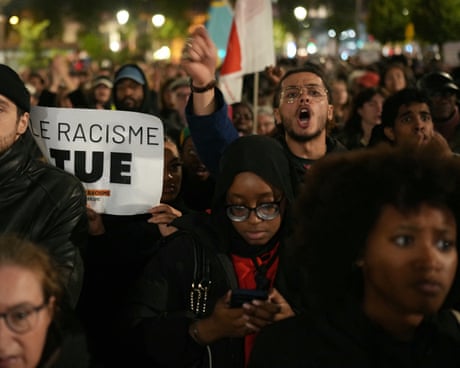
Around the world, racism is fueling a new wave of global unrest. In recent weeks, demonstrations in France turned violent amid mounting frustrations over socioeconomic and racial inequities, led by a younger generation that has had enough. Earlier this month, the Green party of England and Wales’s decision to define Zionism as a form of racism sparked controversy and renewed public debate about what racism is and who gets to decide it. In September, electoral gains by Germany’s far-right Alternative for Germany (AfD) party raised alarms in a nation with a dangerous history of racist, antisemitic fascism. And for the past year, the Trump administration has pushed ahead white supremacist agendas throughout the United States, highlighted by violent Immigration and Customs Enforcement (ICE) raids targeting people by race, regardless of citizenship status.

To understand each of these examples of racism in isolation would be a mistake. They are connected. Racism is not merely a series of random occurrences affecting certain people in certain places. It is more than institutional discrimination in schools or workplaces or even systemic inequalities in healthcare and policing. Racism is an interconnected, global phenomenon, spreading throughout our human ecosystem and embedded in world order. This global racism, which I name and define in my new book Global Racism: A Challenge for the World, is dangerous – it underpins wars and threatens our very humanity.

Anna Spain Bradley is the author of Global Racism: A Challenge for the World and a professor of law at the UCLA School of Law

Continue reading...
© Photograph: Dimitar Dilkoff/AFP/Getty Images
© Photograph: Dimitar Dilkoff/AFP/Getty Images
© Photograph: Dimitar Dilkoff/AFP/Getty Images
  •  

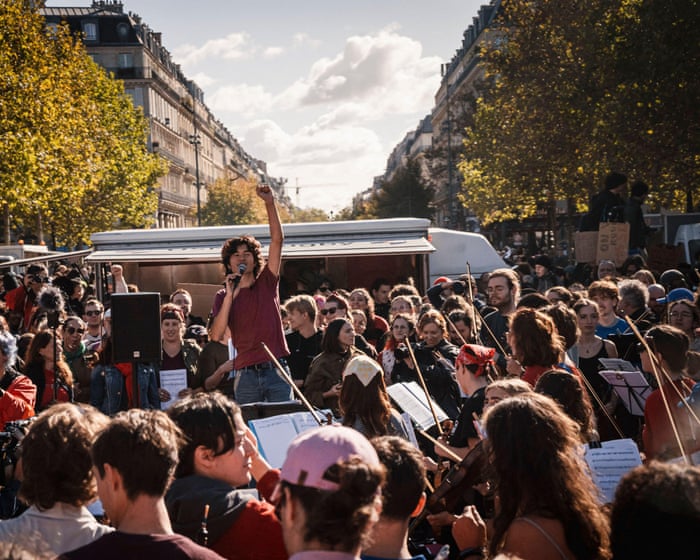
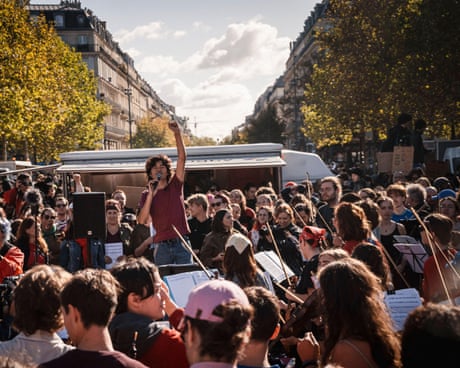
Their orchestra is not a sacred object but a tool for struggle – Paris’s musicians join the frontline

L’Orchestre du Nouveau Monde’s young musicians went viral for their defiant performances during the last week’s protests in France. They belong to a fine tradition of radical orchestras. Also, today, what music should soundtrack the Traitors?

They were the last people standing – or rather playing – during last week’s student protests in France, as gas canisters landed in double-bass cases. L’Orchestre du Nouveau Monde, co-founded by young conductor Étienne Jarrier and his friends when they were still teenagers, aren’t a typical orchestra. With their manifesto of activism and social justice, the orchestra is not “a sacred object of beauty, but a tool for struggle”, through civil disobedience, outreach in schools, demonstrations and concerts, all to “present a different kind of classical music – one reconnected to reality”.

The new world Jarrier and his group dream of is “anti-racist, anti-capitalist, feminist, environmentalist and committed to de-growth”, and their way of working is deliberately provocative, not only to so many of the dominant directions of travel in the political world, but also to the institutions of classical music. They play scrappily passionate performances of La Marseillaise, of music from The Avengers, of Dvořák’s New World Symphony and protest songs but the ONM judge the quality of their performances not by playing the right notes in the right order, but by their consciousness-raising impact, whether they’re staging performances at Place de la République in Paris or at the foot of a glacier.

Continue reading...

© Photograph: Sipa US/Alamy

© Photograph: Sipa US/Alamy

© Photograph: Sipa US/Alamy

  •  

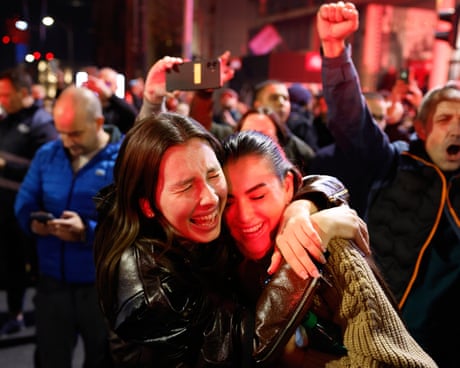
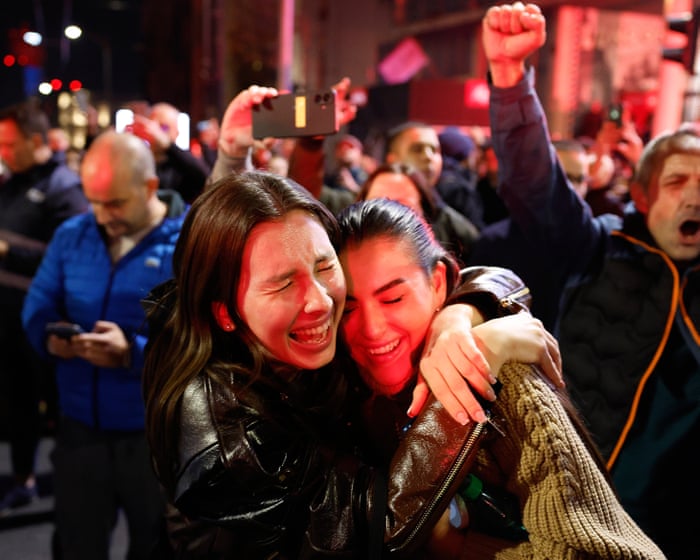
In Serbia, a new type of democracy is taking hold, and Europe is watching closely

A movement that began in outrage has delivered remarkable election upset, showing that change is possible and prompting questions over what comes next

• Don’t get This Is Europe delivered to your inbox? Sign up here

In April of last year, dozens of students set off from Serbia, intent on making it to Strasbourg, France on bicycles. The aim of the arduous, 13-day transcontinental journey was simple: to make their voices heard in Europe and beyond.

In their home city of Novi Sad, students had been holding near-daily protests after a deadly roof collapse at the city’s main railway station. As their push for accountability and justice spread across the country, it was met with baton-wielding police, teargas and a political class that branded these young people as traitors.

Continue reading...

© Photograph: Marko Drobnjaković/AP

© Photograph: Marko Drobnjaković/AP

© Photograph: Marko Drobnjaković/AP

  •  

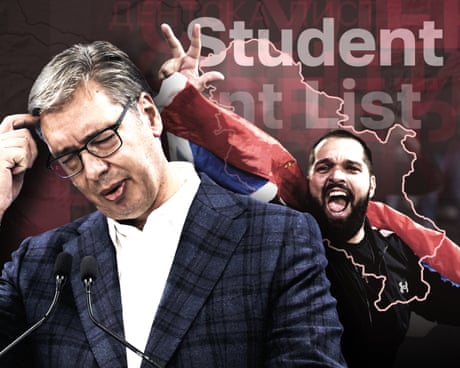
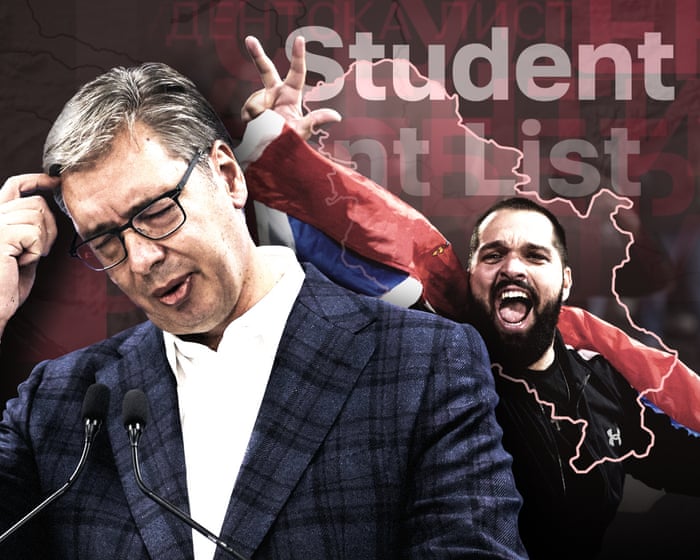
How students rocked Serbia’s presidential election – video explainer

The long-serving leader of Serbia, Aleksandar Vučić, has conceded defeat, ushering in a seismic political shift after a historic election that pitted ​the increasingly authoritarian leader against a student-led movement that had spent two years protesting against his government. As news broke that Vučić’s 12 years in power had come to an end, celebrations erupted on the streets of Belgrade and other cities. But how did we get here - and what happens now? The Guardian's Europe live correspondent, Jakub Krupa, explains

Continue reading...

© Photograph: Guardian

© Photograph: Guardian

© Photograph: Guardian

  •  
❌