Reading view

‘Not just Hollywood crap’: Mike Leigh on the East End communist who brought world cinema to the UK

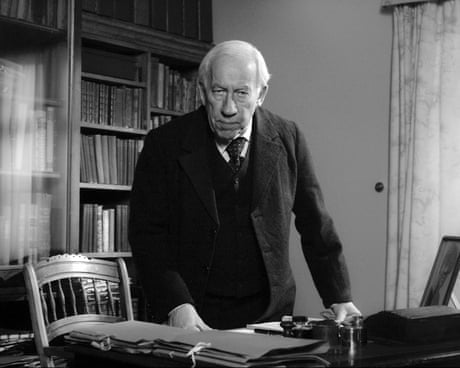
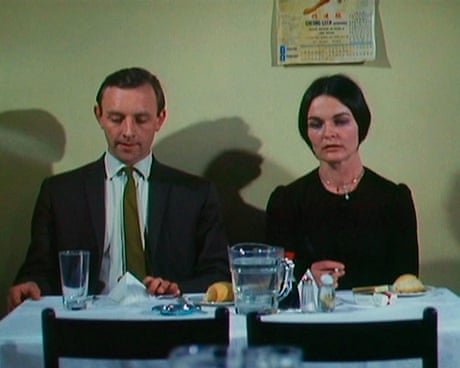
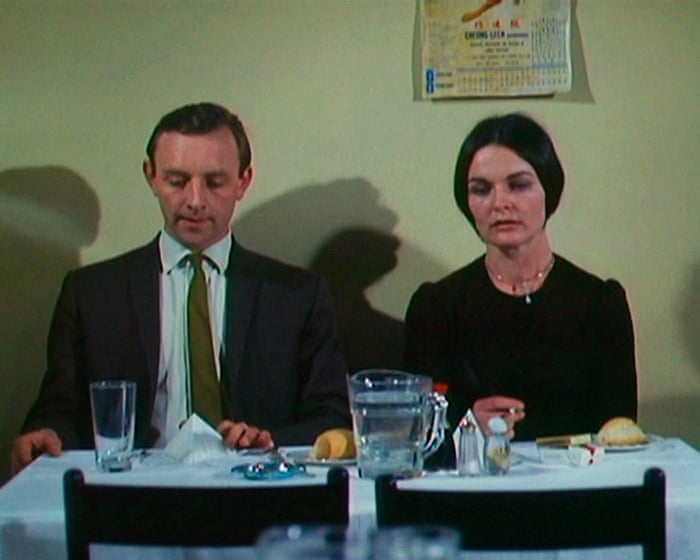
A new season at the BFI celebrates Contemporary Films and its founder Charles Cooper, who bet on Britain taking to Ingmar Bergman, Yasujiro Ozu, Stayajjit Ray – and a young Mike Leigh

Occasionally, vital pieces of the cultural jigsaw disappear without anyone really noticing. This, sadly, was the fate of Contemporary Films, the British film distributor that popularised sophisticated, grownup international cinema – foreign language mostly – in the UK, and heralded the arrival of the auteur generation with directors such as Ingmar Bergman, Satyajit Ray, Andrzej Wajda and Yasujiro Ozu.

Contemporary, and its founder Charles Cooper, weren’t the only game in town – Kenneth Rive’s Gala was a fellow traveller – but Contemporary got there first, setting up shop in 1951, first with short films for the then popular film society sector, and moving into features with the 1952 Japanese film Children of Hiroshima. Its marketplace clout faded rapidly in the early 1990s, when it was a victim of changing industry practices. But amazingly, the company is still with us – and is planning a 75th anniversary series of screenings to showcase its history.

Continue reading...

© Photograph: Everett Collection Inc/Alamy
© Photograph: Everett Collection Inc/Alamy
© Photograph: Everett Collection Inc/Alamy


  •  

‘Led us down such a dark path’: documentary explores how 9/11 changed America

In Netflix film Turning Point: Generation 9/11, the lives of people forever impacted by the terrorist attack on 2002 are explored

Twenty-five years on, memory is giving way to history. Soon the US will cross the point where half its population were born after 11 September 2001 or were too young to remember the day that terrorists crashed planes into the World Trade Center in New York, the Pentagon in northern Virginia and a field in Shanksville, Pennsylvania.

“When I do that math, I get to the bomb at Hiroshima – that’s how distant it is,” says Brian Knappenberger, 56, director of a new Netflix documentary, Turning Point: Generation 9/11. “When we talk about the second world war, for our generation it seemed like a long time ago but, for the current generation of 20-year-olds, that’s how long ago it was.”

Continue reading...

© Photograph: COURTESY OF NETFLIX

© Photograph: COURTESY OF NETFLIX

© Photograph: COURTESY OF NETFLIX

  •  

Summer box office 2026: what can we learn from the hits and misses?

It was a bumper season for Hollywood, almost back to pre-pandemic levels, with Tom Holland blockbusters winning out, but there was still a string of disappointments

As the world continued to burn and temperatures reached worrying highs, most of us decided to take refuge in the cinema this summer. It provided some relief for audiences, but even more so for the industry at large, with the season pushing past the magic $4bn mark to become the biggest since 2019, up 20% from last year. There were the expected hits (Spider-Man never misses), but there were also unprecedented breakouts (we were obsessed with Obsession) and surprise underperformers (are kids Minions-ed out?)

So at the end of a season with epic highs and cavernous lows, what lessons can Hollywood learn?

Continue reading...

© Composite: Alamy

© Composite: Alamy

© Composite: Alamy

  •  

The Extractor review – Indonesian hostage-rescue thriller has surprising thread of gentleness at its core

Iko Uwais directs and acts in the story of a band of elite soldiers who must rescue a group of researchers taken captive in the jungle

Can an elite team of soldiers rescue a band of innocent hostages from a bunch of mean old terrorists? Yes, probably, since there are few (if any) action movies in which the hostages are wiped out and the terrorists win. Not to be confused with the Extraction action franchise starring Chris Hemsworth as a mercenary named Tyler, nor with action thriller Escape Plan: The Extractors, starring Dave Bautista as a prison security expert named Trent, this is an Indonesian action thriller in which actor/director Iko Uwais plays a soldier named Timur. The film was actually called Timur originally, but there’s no denying that The Extractor is a more commercial title (unless you are particularly interested in the medieval Mongol khanates) and will attract more viewers to this tale of hostages, heroes and long-ago childhood friends.

In some ways, though, the rebrand is a shame, because the new title suggests the film is more generic than it is. While the basic plot, in which a bunch of researchers are taken hostage in the jungle by an armed group of wrong ’uns, is hardly unique, there are sequences in the film that stand out from the direct-to-video action content mill. In Indonesia, timur means “east”, where the sun rises, and it carries the connotation of hopefulness. That softer feeling in the original title is a key part of the film’s identity, which includes sentimental flashbacks to the childhoods of various characters whose lives have taken tragically different paths. (Can you imagine a world in which a terrorist and a soldier knew each other as children? The Extractor can.)

Continue reading...

© Photograph: Signature Entertainment

© Photograph: Signature Entertainment

© Photograph: Signature Entertainment

  •  

Beveridge revisited: Simon Callow film celebrates the radical co-founder of Britain’s welfare state

Christine Edzard’s The Man With the Plan tours the country with a timely message about tackling want, disease, squalor, idleness and ignorance

A new film that addresses issues fundamental to the new prime minister’s declared mission will star Simon Callow as a historical British political figure.

The hero of The Man With the Plan is William Beveridge, who helped to lay the foundations of the postwar welfare state. It shows that the Liberal peer was much more radical than is usually assumed – and certainly far more so than Churchill anticipated when he asked Beveridge to draw up a report into the future of Britain’s fragmented social insurance and national health system after the second world war.

Continue reading...

© Photograph: Sands Films Production

© Photograph: Sands Films Production

© Photograph: Sands Films Production

  •  

Pin de Fartie review – spoonerist remix of Samuel Beckett’s Endgame finds fresh absurdity in Argentina

Beckett’s masterpiece is given a postmodern cinema slant, with characters in different locations, music and humour in a free and fanciful interpretation

Remember remixes? Where you take a song and swap out parts of it with new or pre-existing material, changing it just enough to be still recognisable? Argentinean director Alejo Moguillansky applies this quintessentially postmodern aesthetic to film with a funky cinematic remix, or even series of remixes, of Samuel Beckett’s one-act play Fin de Partie, AKA Endgame. The result feels a little retro and possibly a bit too pleased with its own cleverness, and the spoonerist title is juvenile. But in the end this really achieves something with both the source material and the remix that’s fresh, pleasingly provocative, and at times moving.

Beckett’s 1957 absurdist masterwork has just four characters on stage throughout, two of whom do most of the talking: cantankerous blind, disabled Hamm banters with his servant/slave Clov, while Hamm’s parents, Nagg and Nell, live in dustbins upstage and talk rather less. There’s an air of apocalyptic doom, much talk of drugs, food and, above all, time running out.

Continue reading...

© Photograph: Publicity image

© Photograph: Publicity image

© Photograph: Publicity image

  •  
❌