Reading view

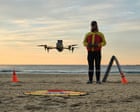
Sydney’s beaches enter the drone age to get swimmers back in the water after spate of shark attacks

Seventy beaches across New South Wales are part of the $34m dawn-to-dusk drone monitoring program, which one expert has called ‘the best technology we have at the moment’

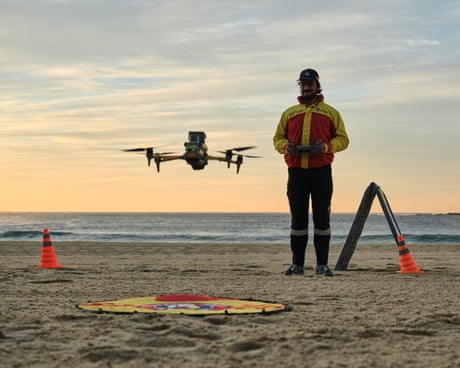
“Hey Taha, what’s the visibility like?” shouts a man with a towel slung over his shoulder.

“Uh, nice,” says Surf Life Saving New South Wales drone operator Taha Kafil-Hussain.

Continue reading...
© Photograph: Rémi Chauvin/The Guardian
© Photograph: Rémi Chauvin/The Guardian
© Photograph: Rémi Chauvin/The Guardian

  •  

Sydney’s beaches enter the drone age to get swimmers back in the water after spate of shark attacks

Seventy beaches across New South Wales are part of the $34m dawn-to-dusk drone monitoring program, which one expert has called ‘the best technology we have at the moment’

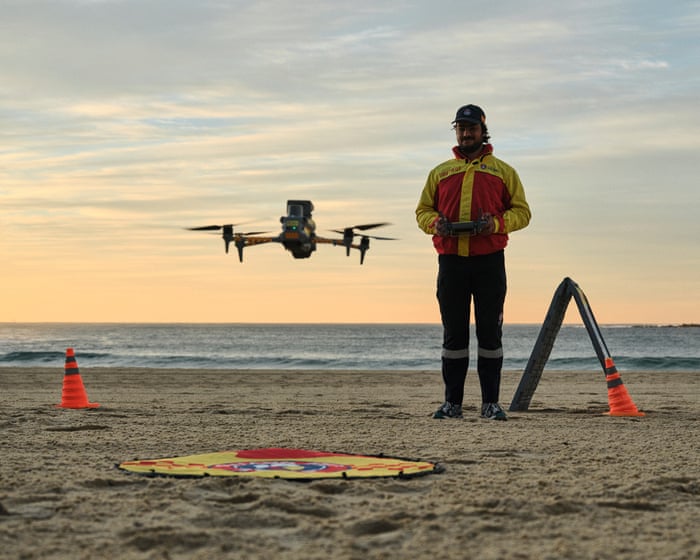
“Hey Taha, what’s the visibility like?” shouts a man with a towel slung over his shoulder.

“Uh, nice,” says Surf Life Saving New South Wales drone operator Taha Kafil-Hussain.

Continue reading...

© Photograph: Rémi Chauvin/The Guardian

© Photograph: Rémi Chauvin/The Guardian

© Photograph: Rémi Chauvin/The Guardian
  •  

Could humans ever communicate with whales? - video

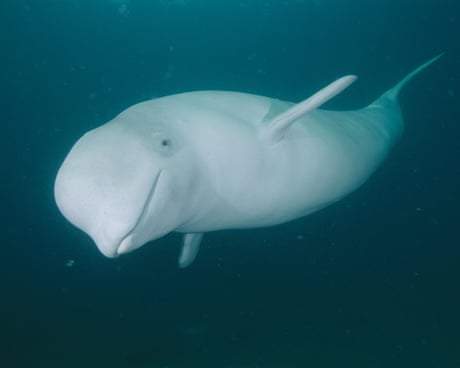
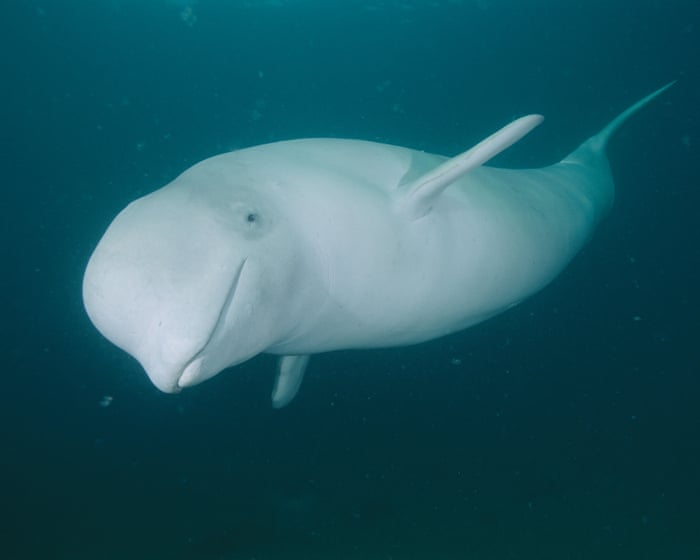
Ever since the earliest known recording of whale song was made in 1949, researchers have been captivated by the wails, rumbles, clicks, grunts and squeals of their communication. As technology improves, scientists are decoding the intricate patterns that make different species’ vocalisations distinctive. Madeleine Finlay hears from Emma Bryce, a journalist who has spent months investigating human efforts to understand whale song. She explains how this knowledge could help us better protect whales from human-made harms.

Credits:

1. Valeria Vergara/Raincoast Conservation Foundation

2. Footage courtesy of Raincoast Conservation Foundation - Obtained for research under SARA permit XMMS 4 2026

3. Video by Amanda Cotton/Project CETI

4. Footage courtesy of Valeria Vergara and GREMM. Obtained for research under SARA permits QUE-MM02-2016 and QUE-LEP-001-2018

5. Project CETI

6. Project CETI

Continue reading...

© Photograph: Getty Images/National Geographic Creative

© Photograph: Getty Images/National Geographic Creative

© Photograph: Getty Images/National Geographic Creative

  •  

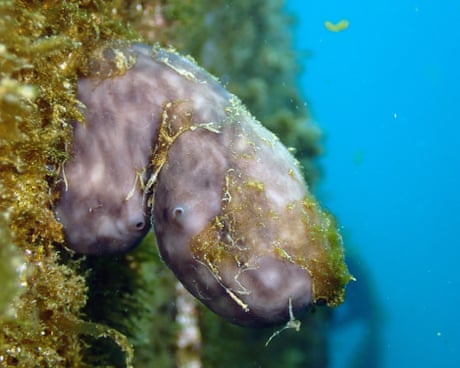
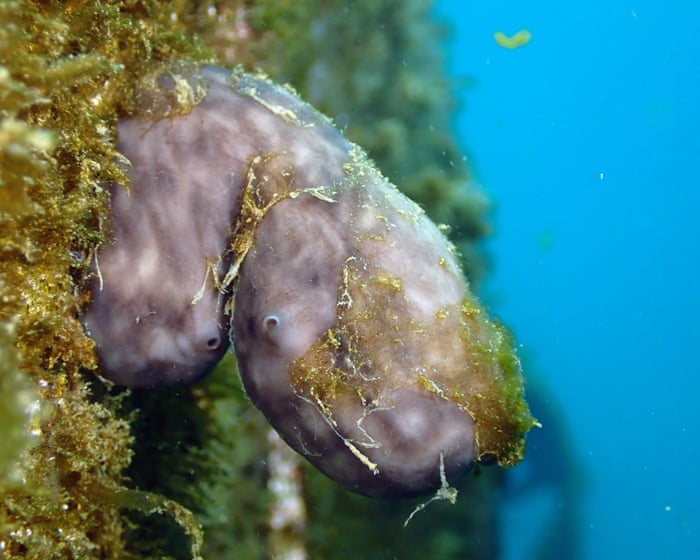
Could this humble sea sponge clean up the world’s ports?

The chicken liver sponge has sailed through a test of its ability to filter pollutants in a harbour in Spain’s Costa Brava

In the polluted waters of Marina Palamós on Spain’s Costa Brava, Manuel Maldonado, a sponge biologist, noticed something unusual last month: red starfish had started settling in the area.

Nearly two years earlier, the Spanish National Research Council scientist and his colleagues had begun transplanting sea sponges into the port to study whether they could survive in its polluted waters.

Continue reading...

© Photograph: Carlota Escarré

© Photograph: Carlota Escarré

© Photograph: Carlota Escarré

  •  
❌