Reading view

Summer of 2026 was UK’s hottest on record, Met Office says

Meteorologists say average mean temperature of 16.5C was made 130 times more likely by climate crisis

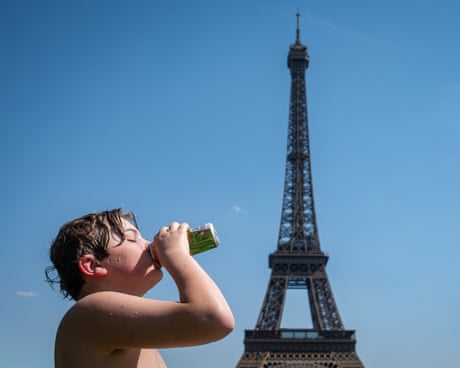
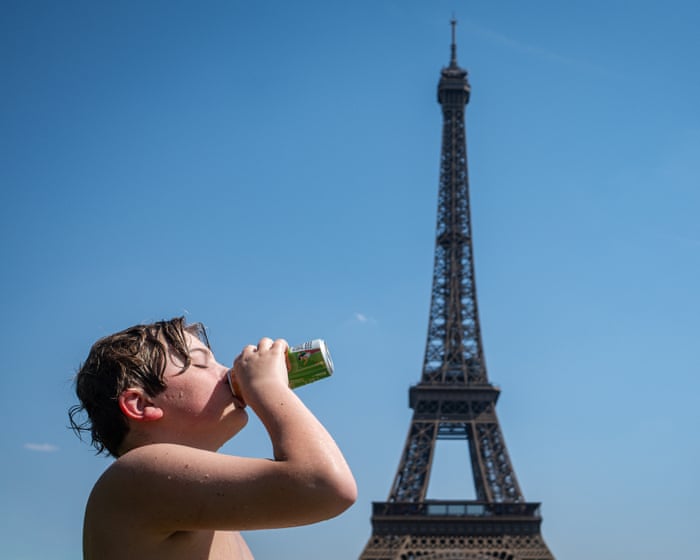
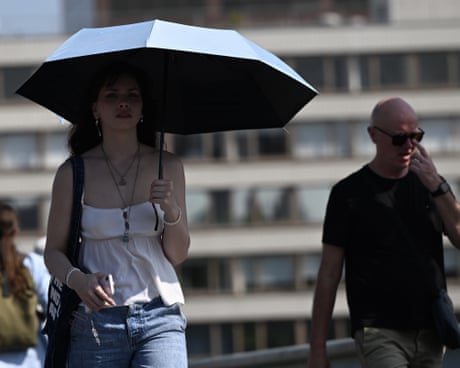
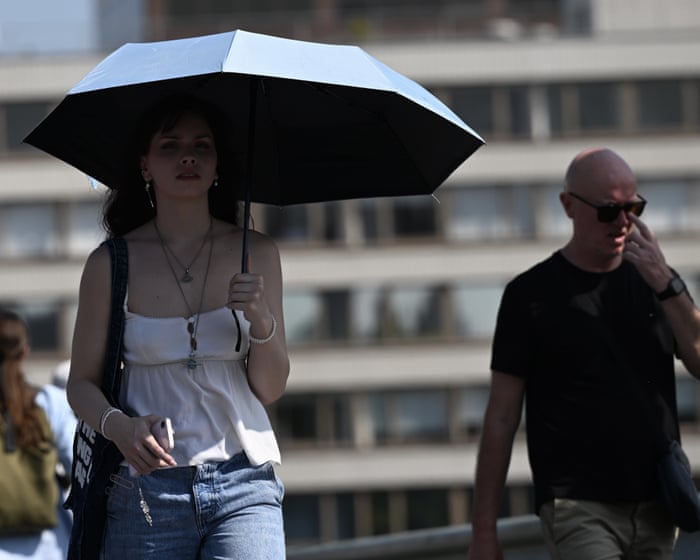
This year’s summer was the UK’s hottest on record, according to provisional data, and the Met Office said the season’s mean temperature was made 130 times more likely by the climate crisis.

Record-breaking and back-to-back heatwaves have scorched much of Europe. In England, temperatures peaked at 38.1C (100.1F) at Kew Gardens in London on 13 August, and June had already been confirmed as the country’s hottest since records began in 1884. Scientists have said these heatwaves are only possible because of the climate crisis driven by burning fossil fuels.

Continue reading...

© Photograph: Anadolu/Getty Images
© Photograph: Anadolu/Getty Images
© Photograph: Anadolu/Getty Images


  •  

Summer of 2026 was UK’s hottest on record, Met Office says

Meteorologists say mean average temperature of 16.5C was made 130 times more likely by climate crisis

This year’s summer was the UK’s hottest on record, according to provisional data, and the Met Office said the season’s mean temperature was made 130 times more likely by the climate crisis.

Record-breaking and back-to-back heatwaves have scorched much of Europe. In England, temperatures peaked at 38.1C (100.1F) at Kew Gardens in London on 13 August, and June had already been confirmed as the country’s hottest since records began in 1884. Scientists have said these heatwaves are only possible because of the climate crisis driven by burning fossil fuels.

Continue reading...

© Photograph: Tolga Akmen/EPA

© Photograph: Tolga Akmen/EPA

© Photograph: Tolga Akmen/EPA

  •  

Nepal’s glacial collapse foreshadowed a future of climate disaster | Michael Mann

The deluge capped a summer of extreme climate events, from deadly heatwaves to wildfires. We must take action now

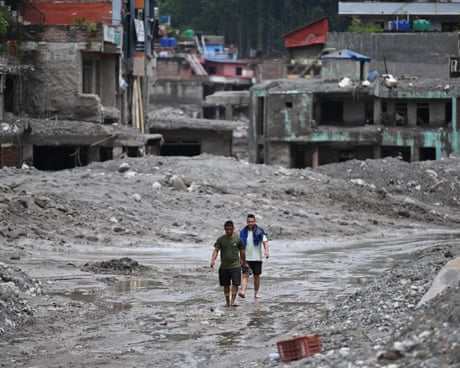
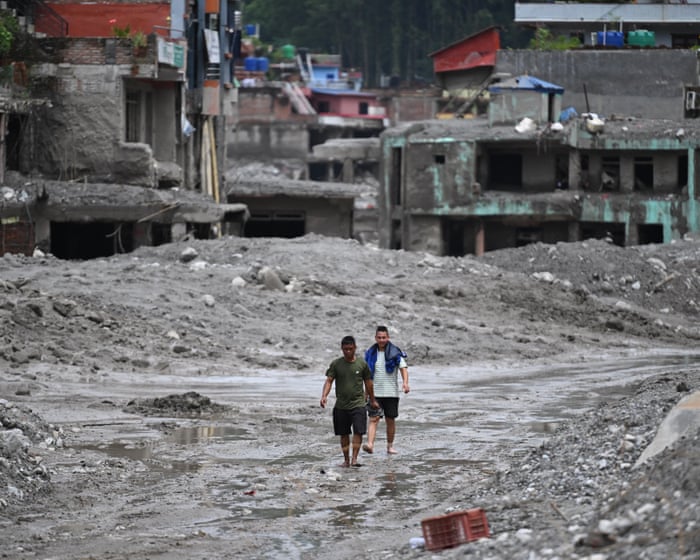
For millennia, the high peaks of the Himalayas were held together by an invisible, frozen cement – permafrost and glacial ice that bound ancient rock into seemingly unshakable fortresses. But as the planet continues to warm, this alpine glue is liquefying.

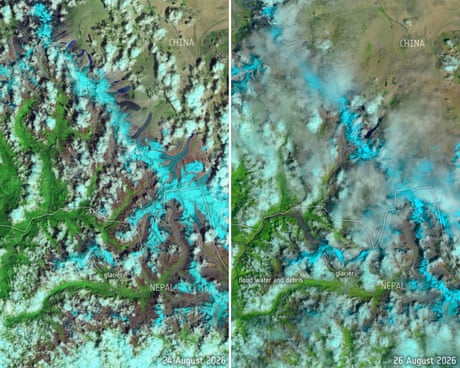
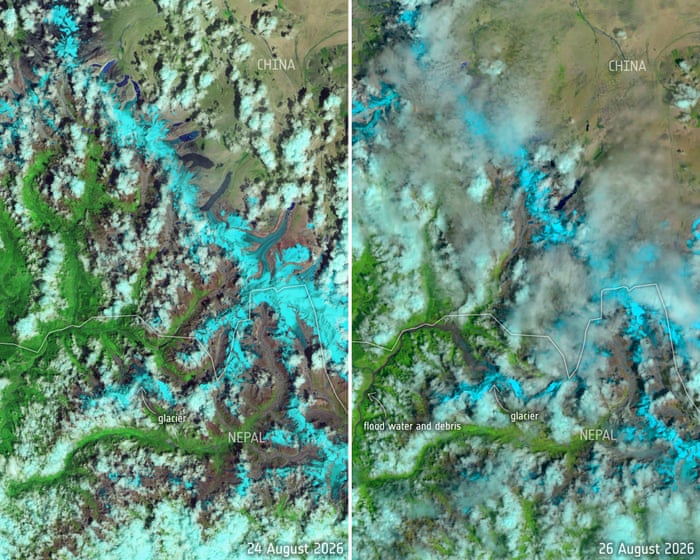
The glacial collapse and deluge in Nepal and Tibet was not a freak weather event; it was the structural failure of a mountain itself, nature’s latest commentary on the deadly consequences of human-caused planetary warming. And it was the exclamation point on a summer of extremes, illustrating with a sole unnatural disaster the apocalyptic future that lies in store if we fail to take dramatic climate action.

Continue reading...

© Photograph: Prabin Ranabhat/AFP/Getty Images

© Photograph: Prabin Ranabhat/AFP/Getty Images

© Photograph: Prabin Ranabhat/AFP/Getty Images

  •  

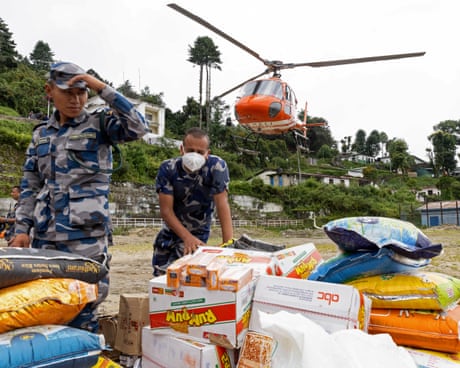
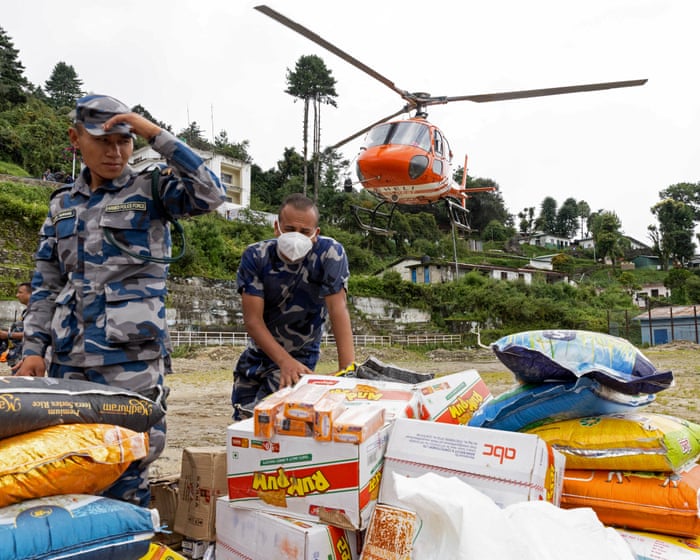
Nepal-Tibet floods: millions at risk from glacial floods in Himalayas in years to come, UN warns, as death toll passes 1,000 – latest updates

‘Technology cannot move fast enough to prevent loss’, official says, as rescue efforts for the 4,500 still missing continue

Nepal last week turned down foreign ​involvement in general search and rescue but said it needed specialised services and advanced technological support in areas such as life-detecting machines, large refrigerators and pre-fabricated bridges.

Aid worth more than $42m has poured into the country and Nepal is now working with experts from other countries to help with rescue operations.

Continue reading...

© Composite: ©ESA

© Composite: ©ESA

© Composite: ©ESA

  •  

Cities sweltering and the smell of the middle ages: has the climate crisis killed Instagram’s Euro summer? | Brigid Delaney

Who dreams of having a Euro summer now when staying in an ancient, uncooled building in the Old Town is like trying to sleep in a wood-fired pizza oven?

This week the Euro summer comes to an end – and so does a certain type of posting on Instagram.

Waiting at the bus stop in the grey winter dawn, a slanting rain soaking your trouser leg, you can warm yourself by scrolling your feed and seeing pictures of Australians enjoying a Euro summer. There it is again – azure Greek coves, plates of barbecued sardines, the yachts rented by the hour, and selfies on the balcony of some Paris Airbnb, drinking wine in the long, blue night.

Continue reading...

© Photograph: Annice Lyn/Getty Images

© Photograph: Annice Lyn/Getty Images

© Photograph: Annice Lyn/Getty Images

  •  

The Nepal and Tibet flood is a warning: melting snow and ice will bring more disasters around the world | Bill McGuire

In Alaska, the Himalayas, the Andes, Greenland, and perhaps also the Alps, deadly chain reactions are just waiting to be triggered

You may not have felt it, but the earth beneath our feet is getting twitchier, and global heating is to blame. As temperatures surge and climate breakdown accelerates, interactions between climate and geology are becoming ever more apparent – as marked by last week’s horrific events in Nepal and Tibet. We still have a bit of a blind spot when it comes to the idea that a changing climate can impact what scientists call the geosphere, but the evidence has long been incontestable.

In 2021, a similar deluge ripped through a series of mountain valleys in the Indian Himalayan state of Uttarakhand, severely damaging two hydroelectric power plants and taking about 200 lives. In August 2025, a colossal landslide in an Alaskan fjord created a 500-metre-high wave in an area frequented by cruise ships. A few months earlier, the collapse of part of a glacier in Switzerland’s Valais canton caused a debris-laden torrent that destroyed and buried most of the already evacuated village of Blatten.

Bill McGuire is professor emeritus of geophysical and climate hazards at UCL. His latest book is The Fate of the World – a History and Future of the Climate Crisis

Continue reading...

© Photograph: Arun Sankar/AFP/Getty Images

© Photograph: Arun Sankar/AFP/Getty Images

© Photograph: Arun Sankar/AFP/Getty Images

  •  

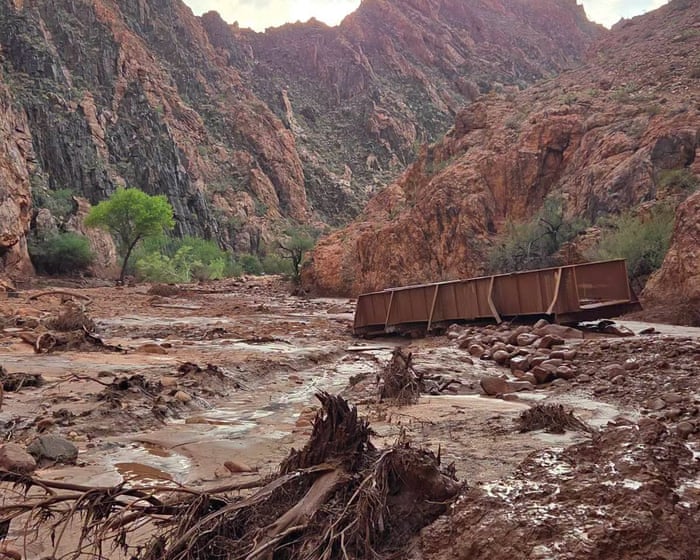
How intense rains in the Grand Canyon turned into a deadly disaster

Flash flooding in Arizona tourist destination was likely triggered by compounding climate factors, such as drought and warming in Pacific Ocean

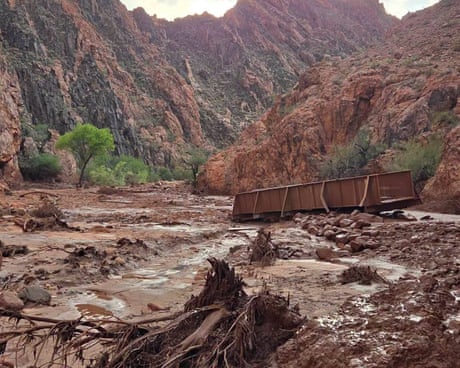
A deadly flash flood in the Grand Canyon over the weekend was likely driven by a confluence of climate factors, including drought, wildfire scarring and warming temperatures in the Pacific Ocean that can supercharge storms.

At least two people have died, nearly 80 people were rescued and one remained unaccounted for after a surge of water and debris swept through the immensely popular tourist destination on Saturday, fueled by torrents of rain that hit the national park’s Bright Angel Creek area.

Continue reading...

© Photograph: Jonathan Bailey via NPS

© Photograph: Jonathan Bailey via NPS

© Photograph: Jonathan Bailey via NPS

  •  

How intense rains in the Grand Canyon turned into a deadly disaster

Flash flooding in Arizona tourist destination was probably triggered by compounding climate factors, such as drought and warming in Pacific Ocean

A deadly flash flood in the Grand Canyon over the weekend was probably driven by a confluence of climate factors, including drought, wildfire scarring and warming temperatures in the Pacific Ocean that can supercharge storms.

At least two people have died, nearly 80 people were rescued and one remained unaccounted for after a surge of water and debris swept through the immensely popular tourist destination on Saturday, fueled by torrents of rain that hit the national park’s Bright Angel Creek area.

Continue reading...

© Photograph: Jonathan Bailey via NPS

© Photograph: Jonathan Bailey via NPS

© Photograph: Jonathan Bailey via NPS

  •  
❌