 Login
Login
The Guardian view on Trump’s immigration crackdown: who will have fewer rights next? | Editorial
The president’s deportation machine is creating a class of people inside the US who have fewer protections against the power of the state
Is the Trump administration creating a group in the US with fewer protections against executive power owing to their immigration status? Its often openly racist actions suggest so. US Immigration and Customs Enforcement (ICE) claims to target “the worst of the worst” – undocumented migrants who commit violent crimes. Yet the Guardian reported that over half of those arrested in July had no criminal convictions or pending charges. That month, ICE made record arrests and deportations, apprehending 1,500 people and removing 1,100 daily.
When campaigning, Donald Trump falsely claimed that Haitians were “eating the pets”. In office, his administration moved to end temporary protected status (TPS) for Haitians. In June, the supreme court let the protection expire, leaving about 350,000 people at risk of deportation to a country gripped by violence and instability. The court’s decision means more than 1 million TPS holders from 13 nations previously considered too unsafe to return to are now at risk of deportation. Many have lived and worked legally in the US for years.
Do you have an opinion on the issues raised in this article? If you would like to submit a response of up to 300 words by email to be considered for publication in our letters section, please click here.
Continue reading...
© Photograph: Al Drago/Pool/Al Drago - Pool/CNP/Shutterstock
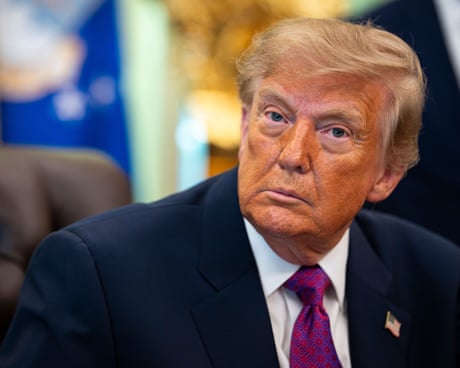
© Photograph: Al Drago/Pool/Al Drago - Pool/CNP/Shutterstock
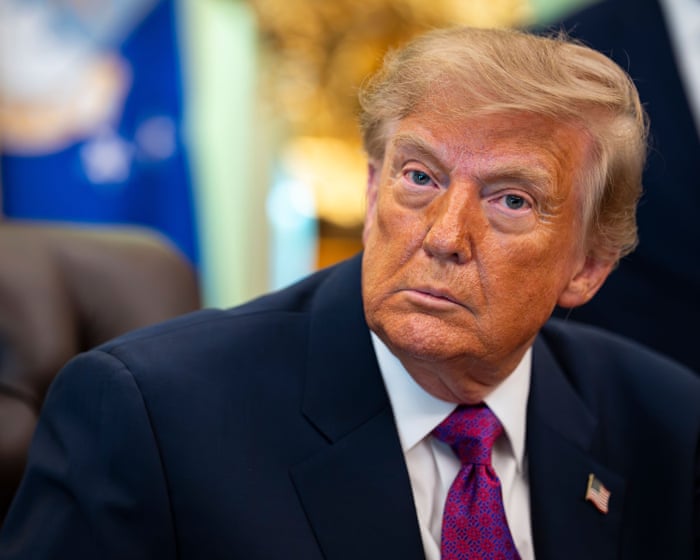
© Photograph: Al Drago/Pool/Al Drago - Pool/CNP/Shutterstock