Reading view

What makes a song flop?

Drake, a bearded man with braids, sings into a microphone on stage while gesturing with his left hand.
Drake performs on stage at Wireless Festival 2025 in London. | Simone Joyner/Getty Images for ABA

Quite a few music artists are in their flop era right now. Think about it: Drake hasn’t been the same since Kendrick Lamar knocked him out in their 2024 beef. Katy Perry once dominated the charts, but her recent releases haven’t been fireworks. And there was once a point where it felt impossible to step foot in a workout class without hearing Lizzo, but her latest album fizzled out. 

Some examples, in other words, are obvious. But what does it really mean for a song to flop? According to Tom Breihan, executive editor at StereoGum and author of the book The Number Ones Twenty Chart-Topping Hits That Reveal the History of Pop Music, it’s all relative. 

“There’s a million songs on Spotify that nobody will ever hear,” he told Vox. “Those songs are not necessarily flops because they did not necessarily come with expectations. When a major artist does not reach whatever benchmark they or their fans or their label expect for them, it can be embarrassing. People love to seize upon that embarrassment and take off running with it.”

Why do some songs flail while others succeed? And how does an artist bounce back from those unmet expectations? We find out that and more on this week’s episode of Explain It to Me, Vox’s weekly call-in podcast.

Below is an excerpt of my conversation with Breihan, edited for length and clarity. You can listen to the full episode on Apple Podcasts, Spotify, or wherever you get your podcasts. If you’d like to submit a question, send an email to askvox@vox.com or call 1-800-618-8545.

Are the songs that flop bad? Is that why they’re flopping? 

In some cases, yeah. You can definitely pick out a few and be like, “That wasn’t the one.”

A lot of it is just timing and luck. Sometimes an artist comes along at the exact right moment and builds up goodwill and puts out the right song for themselves. Sometimes they misread the room in sort of howlingly, clangingly obvious ways, and they end up not doing well. 

It’s happened to plenty of great people. Plenty of stars have bounced back from having flops, but it does happen. 

What are some really good songs that have flopped? 

As an online indie music critic, my prototypical example is Emotion by Carly Rae Jepsen. She had had this gigantic global breakout smash with the song “Call Me Maybe.” The album that she put out after this is this brilliant, layered, excellent pop record that became, I would say, influential upon the idea that you could be a pop star who was a cult artist, like an indie rock band or an underground rapper. But it didn’t sell. It didn’t do numbers. So in its moment, it was a critically beloved flop. 

How much of becoming a hit is about the music itself and how much of it is about virality and marketing? 

Those things are so bound up with each other. A lot of the time, artists are making songs that are engineered to go viral, or they’re making songs that comment on their own public perceptions. 

When someone like Lizzo comes along and puts out a record that doesn’t do well, it becomes a bigger story than just, “Oh, people weren’t feeling this song.” It becomes, “Oh, people don’t like this person,” or “This person has run out of goodwill.”

Like a Lizzo song: You hear her persona jumping through the speaker, whether the song does well or not. So the song and the artist become inextricable from each other. The song and the marketing become inextricable. 

There is another example of an artist who has gone from really high highs to very low flops that I would love to get into, and that’s Katy Perry. I feel like we’ve come a long way from Left Shark at the Super Bowl. What happened there? 

Katy Perry has had the career that pop stars used to have, where they have a crazy dominant stretch where they’re knocking out hit after hit after hit, and they’re unstoppable. Then everything kind of tails off over time. One album has five No. 1 hits. The next album has two No. 1 hits. The next album has no significant hits at all, but a couple top 10s. 

She put out an album right at the beginning of the pandemic. You can say, “Well, that one didn’t do well, and that’s not her fault.” Then she spent a long time on American Idol as a judge; she spent a long time playing Las Vegas residencies. And then she was like, “That’s it. I’m quitting American Idol. I’m coming back. I’m being the pop star that you all want me to be.“

She made a bad album. She also reunited with Dr. Luke, who was the co-writer and producer of lots of her big hits but who, in the time since she stopped working with him, accusations were made. Kesha, who was friends with Katy Perry when she came up, was the person making those accusations. So there’s a lot for the internet to glom onto there.

“Especially now, a song can debut at No. 1 based on streams and conversation, and then it can disappear from the charts.”

That’s how a song goes from being a bad song to a notorious flop — when not only does the song not perform, it actually burns up a lot of the goodwill that this person has had. 

What songs did everyone maybe expect to be huge, but then bombed? 

It is possible for a song to be a No. 1 hit and still a flop. Especially now, a song can debut at No. 1 based on streams and conversation, and then it can disappear from the charts. 

In 1996, Michael Jackson released “You Are Not Alone.” The song debuted at No. 1. It fell pretty quickly. The album didn’t do that well. The song ultimately is not remembered that well, and has really entered the notorious shadow zone over the years. 

Are there examples of songs that critics hated initially, and then over time became classics?

So many. The songs that were hits and were universally regarded as irritating in their time have a great hit rate. People were annoyed by “MMMBop,” by Hansen, or “Wannabe” by the Spice Girls. 

There were certainly critics who understood ABBA when they were popping off, but they were, I would say, widely regarded as a punchline. Now that is just an impeccable, beautiful, influential pop catalog. 

A song like the Quad City DJ’s “”C’mon N’ Ride It (The Train)” was not a song the critics were really lining up to praise in the 1990s, but as a person who was a child then, I can tell you that song goes so hard and never stopped going hard. 

What’s the biggest misconception people have about pop music success? 

I think the biggest misconception is the idea that a label or a corporation can engineer a giant hit. They can observe trends. They can put their money into promotion. But you never know what people are going to actually grab onto and what they’re not. 

There are things that they can do to create the impression that something is connecting, but you need to have real sustained success to have everybody be like, “Okay, no, this actually is huge.”

How do artists tend to respond if they’ve entered a flop era?

There’s a grand, beautiful history of artists who instead of trying the same thing over and over again, they become behind-the-scenes figures. They write songs for other people, or they produce, or they become managers. 

Max Martin, who is now ahead of John Lennon, but behind Paul McCartney in terms of songwriters with No. 1 hits, he was the lead singer for a Swedish band in the ’80s that was trying to be Bon Jovi, and they never caught on. His band was called It’s Alive. You can look their songs up online. They’re not that great, but he wound up making all these incredible records with all these different people. 

There’s a lot of that. That has happened many, many times throughout pop history. It’s certainly one way to deal with the flop problem.


  •  

The Bridge review – a funny, furious odyssey through occupation

Assembly George Square studios, Edinburgh
Writer and actor Alaa Shehada turns a simple bus trip from the West Bank into a vivid tale of bureaucracy, humiliation and resistance

It is the simplicity of the task that gives this story heft. Recalling his formative years in the West Bank, actor and writer Alaa Shehada is asked by his mother to go on a bus journey that would take a couple of hours in any other part of the world.

His mission is to deliver a plastic jerry can filled with the family’s home-pressed olive oil to his aunt in Jordan. His obstacle is the 180m crossing point known variously as the Dignity Bridge, the Allenby Bridge and the King Hussein Bridge, depending on your political standpoint.

Continue reading...

© Photograph: PR

© Photograph: PR

© Photograph: PR

  •  

Women in UK arts feel they do not have equal opportunities for roles, says report

Exclusive: Research says sector is fixated with young talent, with most women experiencing unconscious bias or sexism

Women working in the arts believe they do not have equal opportunities for roles, especially as they get older, according to a report saying that the industry is fixated with “young and emerging” talent.

Nearly all (95%) women working in the arts thought gender inequality persisted, while three-quarters (75%) reported experiencing unconscious bias or sexism, according to a survey of 76 arts professionals. More than two-thirds (69%) felt that age negatively affected their career success – a figure that rose to 100% among those working in artistic rather than managerial roles.

Continue reading...

© Photograph: PA Images/Alamy Stock Photo/Alamy Live News.

© Photograph: PA Images/Alamy Stock Photo/Alamy Live News.

© Photograph: PA Images/Alamy Stock Photo/Alamy Live News.

  •  

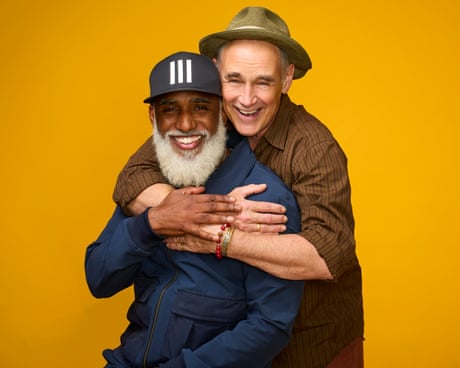
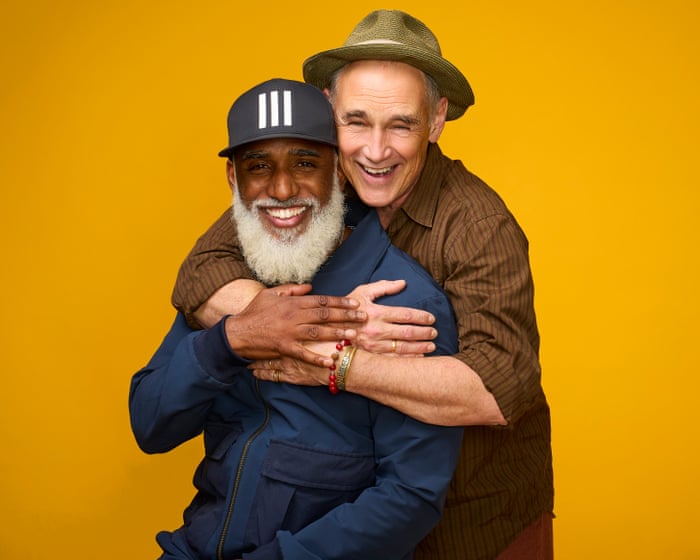
‘That’s what saved me’: Darren Raymond and Mark Rylance on the prison drama workshop that brought them together

A masterclass led by the actor helped set Raymond on a new path. Now the head of a theatre company, he has coaxed his friend back to the stage for a show to encourage young people to fall in love with performing

Darren Raymond doesn’t remember having any significant interest in acting when he was growing up. And when he met Mark Rylance for the first time, on Christmas Eve 2004, he had never heard of the multi-award winning actor. These days, things are very different: Raymond is the artistic director of Intermission Youth, the London-based arts charity and theatre, and is directing his friend Rylance in the lead role of Tartuffe (Remixed), Raymond’s adaptation of the Molière play, which opens at London’s Marylebone theatre this week.

It’s fair to say neither could have anticipated they’d still be in touch this long after their initial meeting. “Unlikely companions” is a tired cliche by this point, but that doesn’t make it any less true to say that on the surface, the two had very little in common. Raymond was a young twentysomething raised on an inner-city housing estate and serving a prison sentence at HMP Brixton. Meanwhile Rylance was twice his age, a successful professional actor, and artistic director of Shakespeare’s Globe. Nevertheless that meeting, at a Shakespeare workshop in the prison, turned into a professional connection, which soon evolved into a solid friendship.

Continue reading...

© Photograph: Seamus Ryan

© Photograph: Seamus Ryan

© Photograph: Seamus Ryan

  •  

Women in UK arts feel they do not have equal opportunities for roles, says report

Exclusive: Research says sector is fixated with young talent, with most women experiencing unconscious bias or sexism

Women working in the arts believe they do not have equal opportunities for roles, especially as they get older, according to a report saying that the industry is fixated with “young and emerging” talent.

Nearly all (95%) women working in the arts thought gender inequality persisted, while three-quarters (75%) reported experiencing unconscious bias or sexism, according to a survey of 76 arts professionals. More than two-thirds (69%) felt that age negatively affected their career success – a figure that rose to 100% among those working in artistic rather than managerial roles.

Continue reading...

© Photograph: PA Images/Alamy Stock Photo/Alamy Live News.

© Photograph: PA Images/Alamy Stock Photo/Alamy Live News.

© Photograph: PA Images/Alamy Stock Photo/Alamy Live News.

  •  

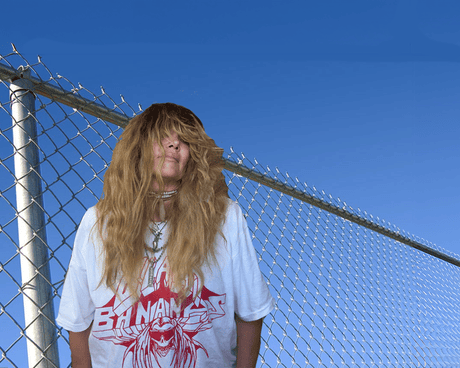
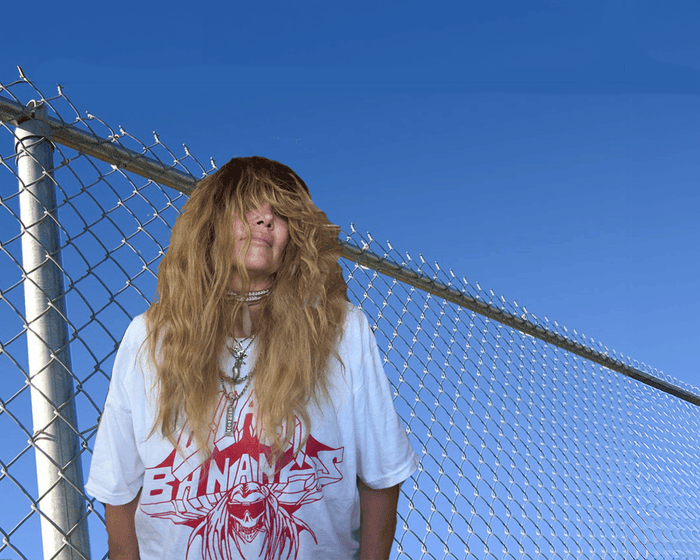
‘After I had my cat stolen, I would listen to Funkadelic and cry and cry’: Jennifer Herrema’s honest playlist

The Black Bananas singer knows all the words to Rapper’s Delight and relates to AC/DC, but which song reminds her of a heartbreaking theft?

The first song I fell in love with
Van Halen’s Runnin’ With the Devil. I was five or six and I went to visit my cousin Tommy who was much older. He was on a hockey team and we went to see them practise before the game and they had Runnin’ With the Devil on really loud. I was like: “Wait, what’s this?!”

The song I do at karaoke
You Shook Me All Night Long by AC/DC. Me and Brian Johnson – my voice has that thing, you know?

Continue reading...

© Photograph: Bunny Biskit

© Photograph: Bunny Biskit

© Photograph: Bunny Biskit

  •  

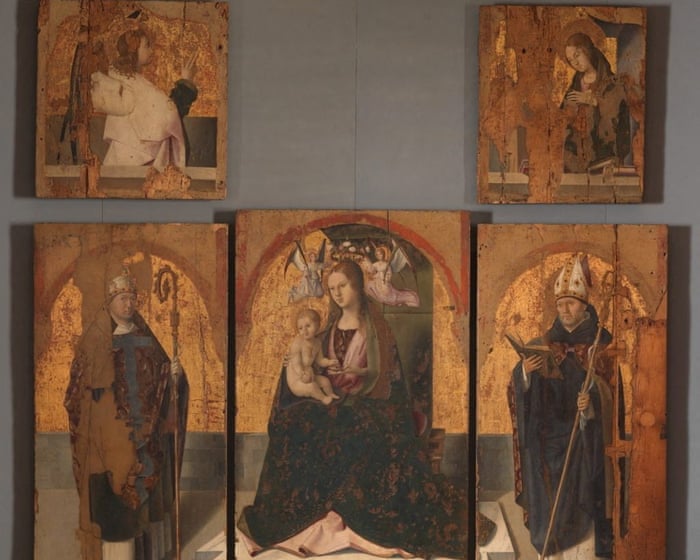
Messina mystery: theft of Renaissance art from Sicilian museum leaves investigators baffled

How did thieves pull off robbery of Antonello da Messina’s 15th-century masterpiece – and why did they leave part of it behind?

At about 8.47pm on the evening of 15 August, while tens of thousands of worshippers filled the streets of central Messina for a religious festival, at least two men cut through the fencing surrounding the regional museum, located a few miles to the north on the outskirts of the Sicilian harbour city.

Capitalising on the fact that the streets around the museum were unusually quiet, the men forced open a side door with a crowbar, gaining direct access to a display case containing the five surviving panels of the Renaissance master Antonello da Messina’s polyptych Polittico di San Gregorio, his most important work, and a small double-sided painting. Undisturbed, they removed the works from the building and fled.

Continue reading...

© Photograph: Museo Regionale Accascina Messina/Reuters

© Photograph: Museo Regionale Accascina Messina/Reuters

© Photograph: Museo Regionale Accascina Messina/Reuters

  •  

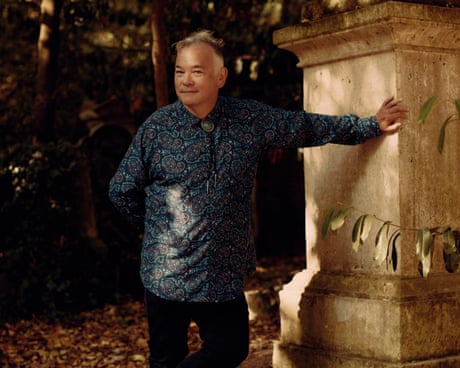
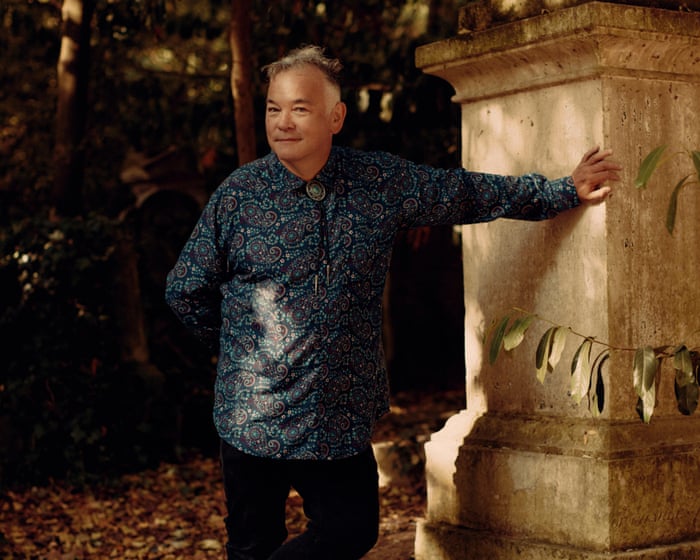
‘I was miserable for a lot of this century’: Stewart Lee on divorce, his adoption and the twisted children’s poem that explains his life

After a rocky few decades, the standup is nearing 60 – and finding contentment at last. But what does his grotesque retelling of The Owl and the Pussy-cat tell us about his inability to connect with people?

Stewart Lee is somewhat fretfully tidying his kitchen. Nothing is exactly where he left it two months ago to go on tour. Plus, he says, “I’ve come back with a load of records that need to be alphabetised, and that’s really stressing me out.” His house is miles from minimalist – posters everywhere, for spaghetti westerns, avant-garde Welsh harpists, the Fall (who he said in an interview in 2005 were the love of his life) – but if anything was an inch out of place, he’d notice. He puts things away with theatrical flourish, like a guy doing an impression of a guy who needs things just-so, for the comic effect of how absolutely impossible that guy would be, but at the same time, it’s funny because it’s true.

In the show he’s been away for, Stewart Lee vs the Man-Wulf, he – a 58-year-old lefty – enters into breakneck dialectic with toxic masculinity in werewolf form (age unknown). “Things have got worse in the 18 months I’ve been doing it,” he says. “I need to really amp the werewolf up. He would be much more explicitly racist and homophobic and transphobic now. But you don’t want people to be really upset in the room.” It feels quite a 2026 dilemma, being unable to even satirise the right without causing the distress it lives for.

Continue reading...

© Photograph: sophia spring/The Guardian

© Photograph: sophia spring/The Guardian

© Photograph: sophia spring/The Guardian

  •  

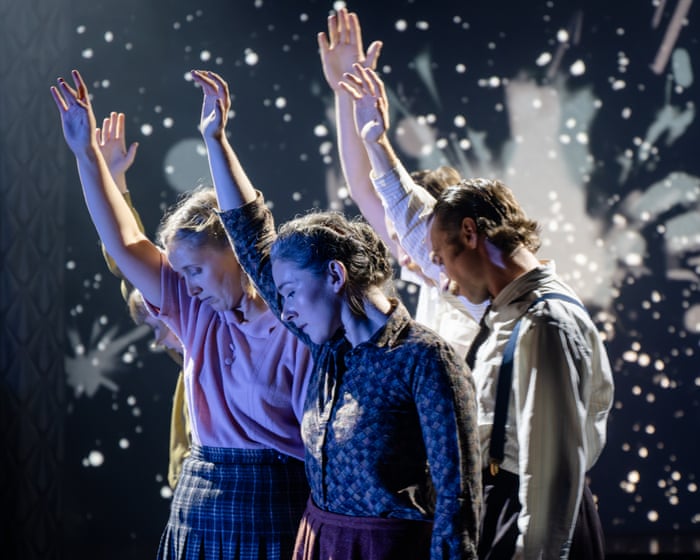
When Prophecy Fails review – gripping dive into a doomsday cult

Studio theatre, Edinburgh
Groupwork’s physical theatre show captures the real story of a midwest mystic from the 50s and the followers she drew, in all their eerie ordinariness

In the early 1950s in the American midwest, a woman known by the alias of Marian Keech awoke in the night with the urge to write. But the words that came out weren’t her own: it was the voice of her late father, she was sure. Other voices from the beyond began to use Marian as a conduit, ultimately Jesus Christ himself, which is how Keech came to be at the centre of a doomsday cult of seemingly ordinary citizens convinced the world was about to end, but that they would be rescued by aliens from the planet Clarion.

It is such a good story, one that was captured in a landmark social psychology study at the time as well as the book When Prophecy Fails, that you could argue Scottish theatre company Groupwork don’t have a lot to do. But their treatment of the tale is deceptively simple in a very well-crafted show that does no more and no less than it needs to.

Continue reading...

© Photograph: Tommy Ga-Ken Wan

© Photograph: Tommy Ga-Ken Wan

© Photograph: Tommy Ga-Ken Wan

  •  

Tom Cruise, Olivia Colman and the return of Rocky: the best films of autumn 2026

Old favourites Shaun the Sheep, Dune, Jane Austen and Godzilla join Charles de Gaulle, the Peasants’ Revolt and queer identity in Spain

See all of our unmissable autumn arts recommendations here
Big tech goes to Hollywood: is Silicon Valley ready for a silver-screen reckoning?

All release dates are UK and subject to change

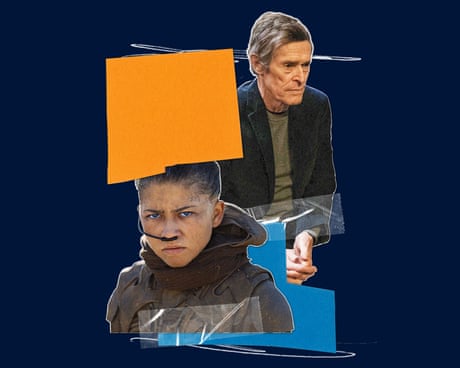
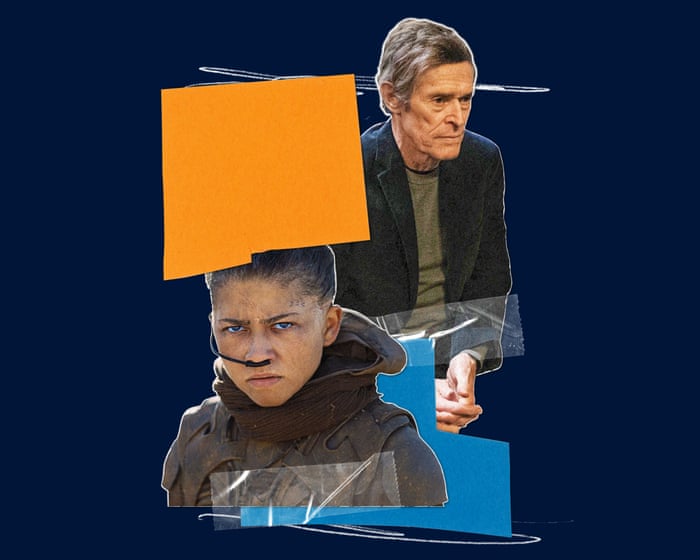
Willem Dafoe is typically grizzled and poetic for this study of a near-retirement postal worker who, it turns out, was a beatnik rhymester of cachet – but no lasting renown – back in the day, and who has now been rediscovered by a new generation of literary hipsters. Director Kent Jones, adapting a novella by Arthur “La Ronde” Schnitzler, was the longtime head of the New York film festival; he might be in for a spot of late fame himself. AP
• 4 September

Continue reading...

© Composite: Guardian Design/Alamy

© Composite: Guardian Design/Alamy

© Composite: Guardian Design/Alamy

  •  

Big tech goes to Hollywood: is Silicon Valley ready for a silver-screen reckoning?

Its moguls are ripe subjects for drama, and there is huge anticipation for forthcoming features The Social Reckoning and Artificial. But other projects have failed as the film industry is increasingly colonised by IT empires

Tom Cruise, Olivia Colman and the return of Rocky: the best films of autumn 2026
See all of our unmissable autumn arts recommendations here

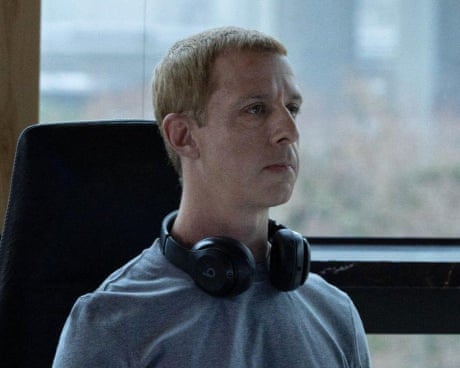
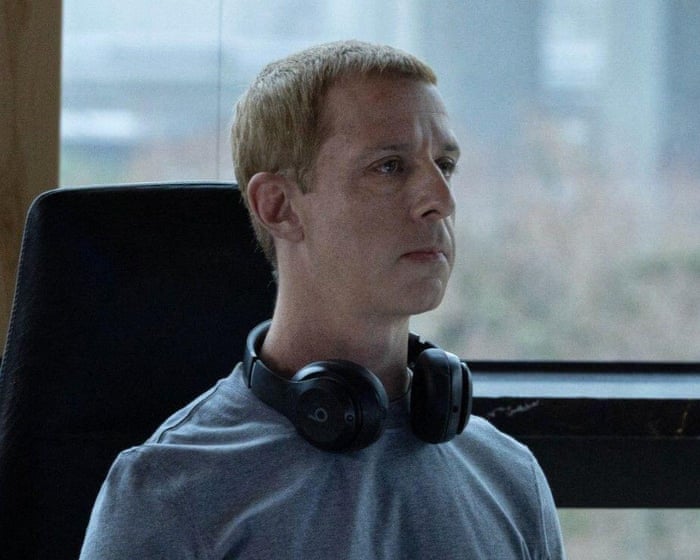
‘I know there are easier enemies to make,” tech reporter Jeremy Allen White tells his colleague in a recent trailer for The Social Reckoning. “The mafia would be an easier enemy to make,” comes the reply. They’re talking about Mark Zuckerberg’s Meta, but they might as well be discussing big tech as a whole. As The Social Reckoning promises to underline, it’s become clear that these people are not on our side – “us” being the whole of humanity except billionaire tech overlords and their mates. But for an industry that loves a clear-cut baddie, Hollywood has barely landed a blow on the tech industry. Now it finds itself in mortal danger of being absorbed by it. Is it too late to fight back?

The Social Reckoning’s predecessor, The Social Network, showed how this kind of thing is done. It was pacy, buzzy and full of weirder-than-life characters – not least the young Zuckerberg, portrayed by Jesse Eisenberg as an obnoxiously smart mogul-in-the-making, whose mission to connect the world stood in stark contrast to his own social deficiencies. Directed by David Fincher and co-written by Aaron Sorkin, it was also a commercial and critical hit, winning three Oscars. But a big part of what made The Social Network work, and makes its sequel such a threat, is that it was about the actual, real-world Silicon Valley, which is where a lot of recent entertainment has gone wrong.

Continue reading...

© Photograph: Everett Collection Inc/Alamy

© Photograph: Everett Collection Inc/Alamy

© Photograph: Everett Collection Inc/Alamy

  •  

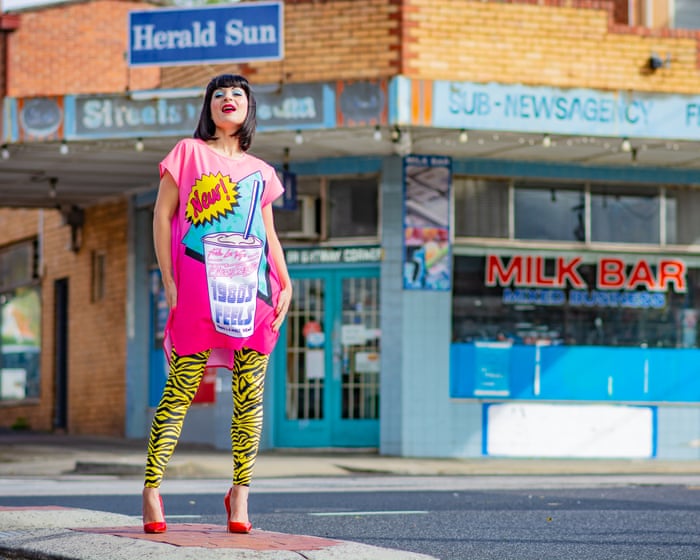
Big things and pink poodles: Frida Las Vegas’s tour of Australian kitsch – in pictures

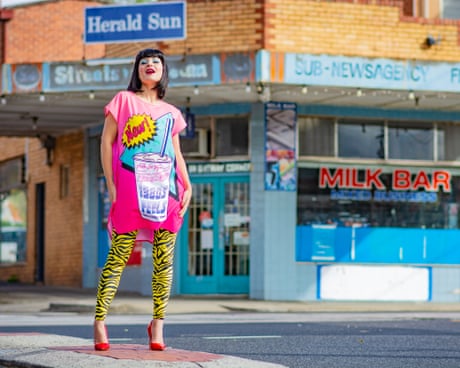
Stavroula Adameitis, AKA Frida Las Vegas, is an Adelaide-based artist and designer known for her camp, pop art aesthetic. A typical work might feature palm trees, poodles, Greek pillars or bin chickens (Australian white ibises), sometimes all at once. Does it veer into kitsch? ‘I hope so,’ she says. ‘Nostalgia, colour and fun can be very energising, and the feeling we get from these objects in popular culture binds us together.’

The term kitsch comes from the German verkitschen, meaning ‘to cheapen’. In the 19th century it was deployed by elites to look down on the supposedly trashy vulgarity of art for the masses. ‘The idea still carries negative connotations,’ says Adameitis. In her new book, she invites us to stop sneering and start relishing Australia’s unparalleled genius for kitsch: ‘Good kitsch laughs with you not at you. It brings people along for the ride.’

Continue reading...

© Photograph: Eamon Donnelly

© Photograph: Eamon Donnelly

© Photograph: Eamon Donnelly

  •  
❌