Reading view

Tax promises, defence targets and Iran: Andy Burnham’s budget headaches

As economic circumstances worsen, the PM’s commitments have left him and the chancellor in a tight spot

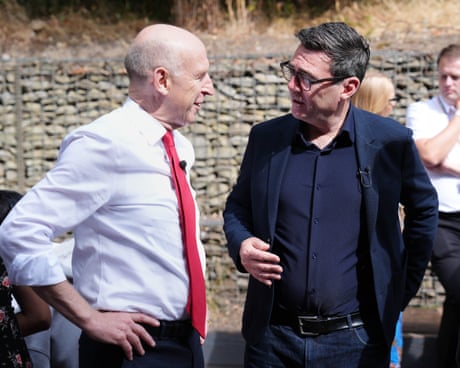
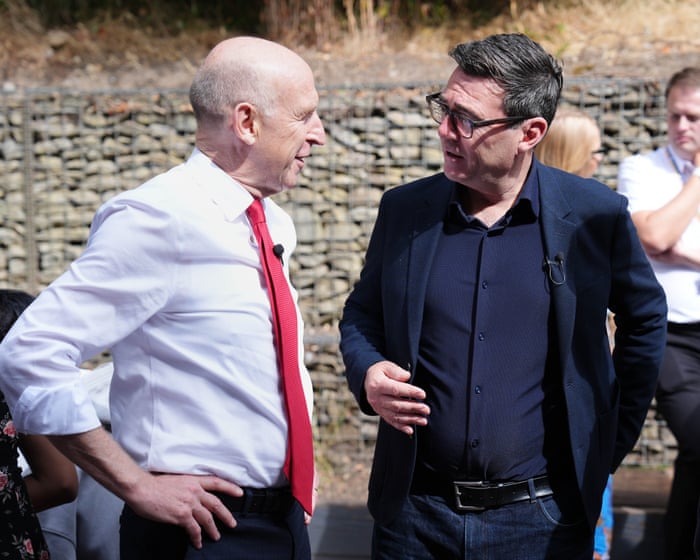
When Andy Burnham made his first speech after returning as an MP, he promised that as prime minister he would oversee “the most significant change moment in our politics for 40 years”. His style, direction and communication has been a big shift from Keir Starmer’s approach, but as he heads into the autumn, the new prime minister faces some very similar problems.

With an early budget in late October, and worsening economic circumstances, Burnham has made promises and commitments that put him in a tight spot. Here are some of the constraints over the coming months that Burnham and the chancellor, John Healey, must contend with in their autumn budget.

Continue reading...

© Photograph: Annabel Lee-Ellis/PA
© Photograph: Annabel Lee-Ellis/PA
© Photograph: Annabel Lee-Ellis/PA

  •  

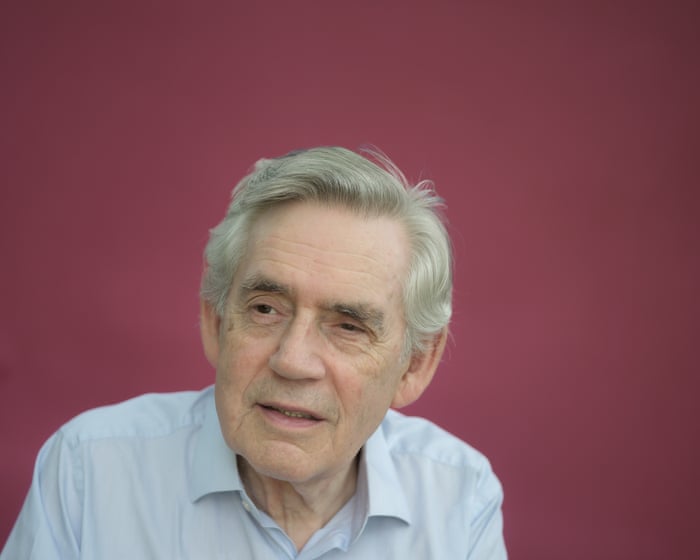
‘I don’t want to be a backseat driver’: Gordon Brown on Burnham, billionaires – and his vision for a better Britain

The former UK prime minister is still shaping politics (even if he doesn’t want to interfere). He talks about keeping his temper, staying fit – and why he won’t pay £90 for a Scotland football shirt

It’s a Monday in August and as England burns in dystopian heat, Gordon Brown and I are in his office at the top of his house in North Queensferry, overlooking the moody waters of the Firth of Forth. It’s hard to recall the top of my own sauna-like house in London as we stand here in the cool, wearing wool suits and necessary socks, my coat slung over the back of a chair. “I was watching Raith Rovers – the local football team – on Saturday,” Brown says, “and it was really cold. There was a wind blowing in from the sea.” He asks if I’ve heard the famous joke – “Scotland’s only got two seasons: July and winter”– then chuckles. It’s one of his favourites. (I’ll hear him tell it three times today.)

That’s not to say Fife has been untouched by the multiple heatwaves. They had a few sunny days. One hit 24C – “a shock”, Brown says, July temperatures typically being 15-17C. He stood in his kitchen and considered the modest patch of grass at the back of the house. “I never imagined being out in the garden in the summer. I never imagined it because it’s either raining or too cold.” Once out, he found himself battling a “very dangerous” nest of wasps. One family member was stung, then there was the rigmarole of specialists in thick gloves and protective suits undertaking its removal. By the time that was done, the sun had gone in.

Continue reading...

© Photograph: Margaret Mitchell/The Guardian

© Photograph: Margaret Mitchell/The Guardian

© Photograph: Margaret Mitchell/The Guardian

  •  
❌