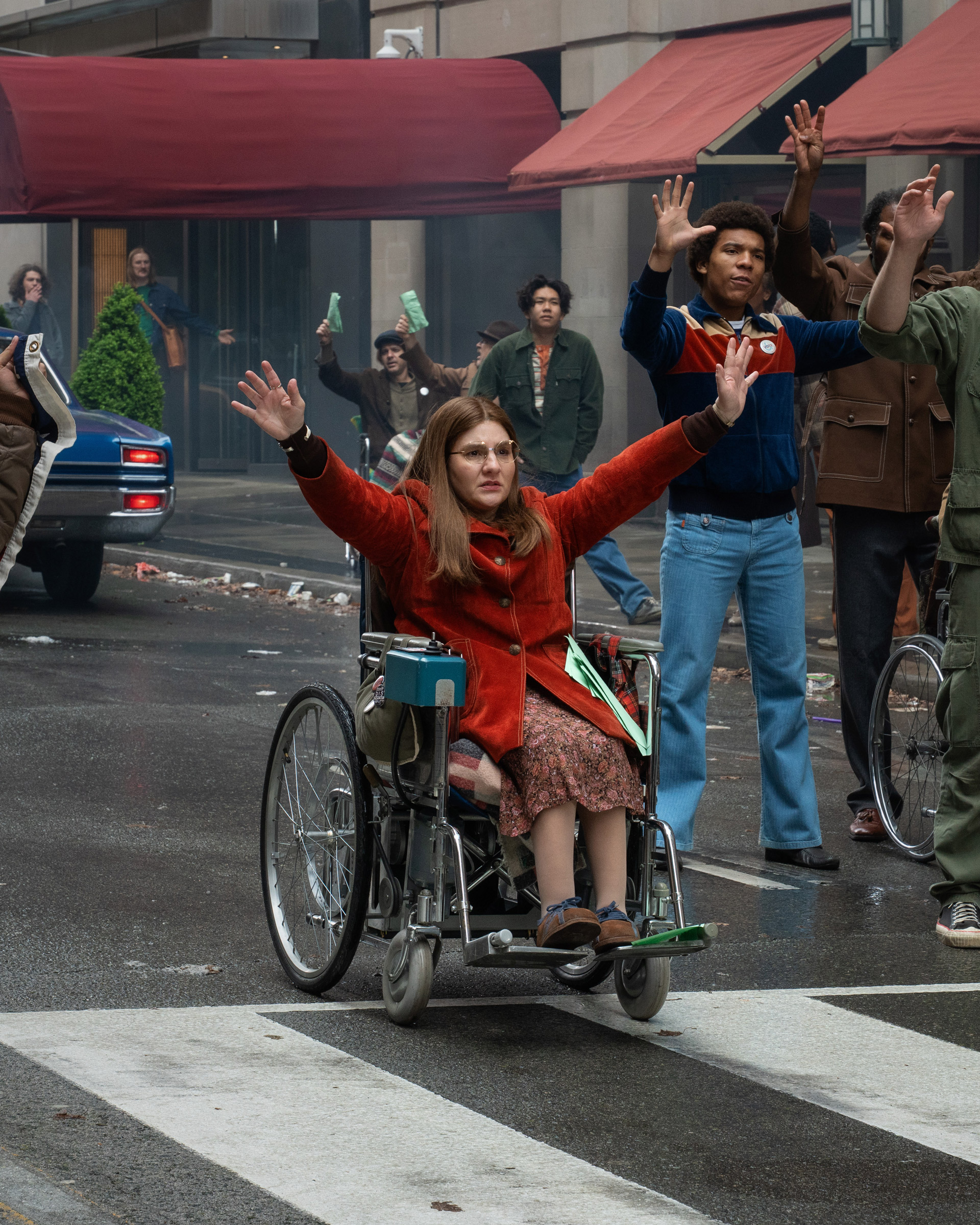
Ruth Madeley stars as the titular character in 'Being Heumann' —Apple
The night before an airline lost my wheelchair was among the most dazzling of my life. I sat at a long table in the back of an L.A. movie theater as talented writers, actors, and creatives read aloud the draft of a movie script I’d co-written with Oscar-winning filmmaker Siân Heder. I felt the thrill of people laughing at just the right moments. I clocked cheeks shiny with tears. But more than anything, I marveled over the possibility that this movie might actually get made. When I was a newly paralyzed kid in the ’90s, with freshly fitted leg braces, I watched Forrest Gump overcome his disability by running so hard his own braces literally fell off. Months after I started college, I watched a recently disabled boxer ask her coach to end her life in Million Dollar Baby. In my formative years, the stories of disability I saw were scarce, unrecognizable, and often harmful.
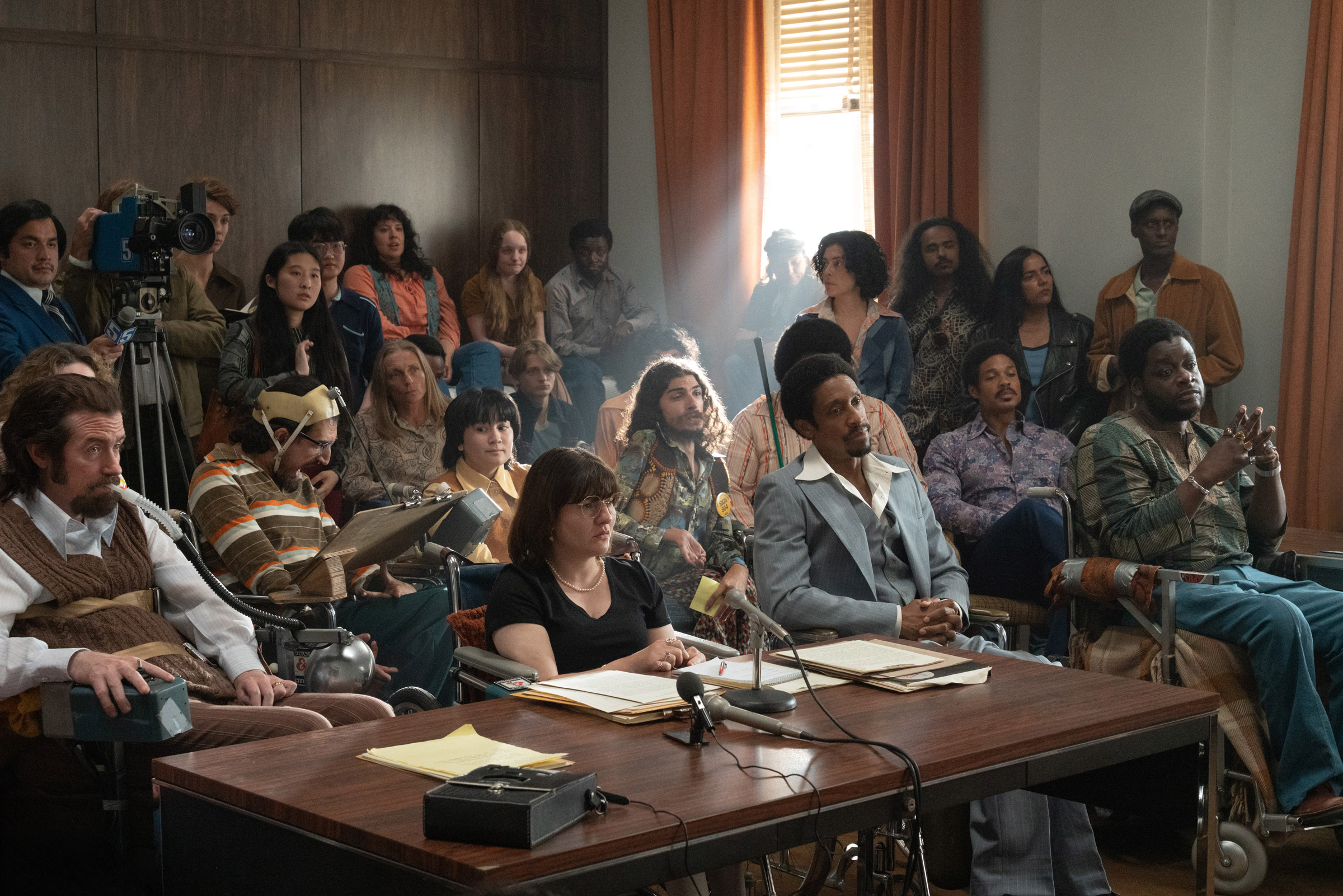
Our script, Being Heumann, tells the real-life David and Goliath story of a standoff between the U.S. government and a group of scrappy disabled protesters that changed the course of American history. The fight revolved around Section 504 of the Rehabilitation Act, a tiny bit of legislation that reframed how we think about disability in our communities. Instead of positioning its embodiment as a personal tragedy that inevitably excludes people from society, the language of 504 suggested that our exclusion had been largely created and should be corrected. The law passed in 1973, but after years without any moves to implement it, Judy Heumann led over 100 disabled people and nondisabled allies in a sit-in at the Department of Health, Education, and Welfare in San Francisco. They lived in those halls for almost a month as the government tried to push them out, cutting off their water supply and phone lines. When it became clear that they weren’t going to buckle, the government relented, agreeing to implement 504. The very group that had been deemed expendable took on the most powerful and won. It still holds the place as the longest peaceful occupation of a federal building in U.S. history.
Section 504 paved the way for the Americans with Disabilities Act (ADA), the first civil rights law for disabled people in the world. Thanks in large part to disabled WW II vet and my Kansas Senator, Bob Dole, it passed in 1990 with nearly unanimous bipartisan support and was signed into law by President George H.W. Bush when I was 4 years old. Even if they’re not consistently or completely fulfilled, these laws changed our world in their insistence that physical and mental impairment alone should not and would not preclude us from participating in our communities—going to school; voting; receiving care in a hospital; being considered for a job for which we’re qualified; and accessing our libraries, post offices, public transit, housing, and more. In other words, Section 504 and the ADA protect every American citizen; if there is one thread that binds us together, it is that every single one of us will acquire a disability if we live long enough. Still, I, like most Americans, never heard a whisper of this history growing up.
It wasn’t until I worked on this script that my perspective considerably expanded. It was like putting on a pair of night-vision goggles: the curb cuts, accessible bathroom stalls, and ramps radiated a new story. Someone had fought for me to be here. It didn’t wipe out the inaccessibility and stigma that still exist in my life, but it enriched my understanding of the bigger story I was living inside.
When I first joined the Being Heumann project, I was nervous about earning Judy’s trust. I remember sitting in my car, phone pressed against my sweaty ear, as she asked me questions about my life. “So you went to school with your siblings?” My attendance at the school down the street from my house was never a question, while Judy’s mother battled for years to get her daughter a spot in even a basement classroom. “And what was it like for you applying for teaching positions?” My wheelchair was never mentioned in job interviews, while Judy was denied a teaching license because her wheelchair was deemed a fire hazard. Recapping my life to The Judy Heumann, I saw more clearly than ever before how she and other activists had shaped it. Even as I’d sat on the edges of inaccessible playgrounds or been pushed out of unsustainable work cultures, the full life I live today would not exist if someone hadn’t fought hard for my inclusion before I was born. I wanted Judy to know that my outrage over the exclusion disabled people still face didn’t diminish my appreciation for the gifts she had granted us. I think I convinced her I could hold both stories as true.
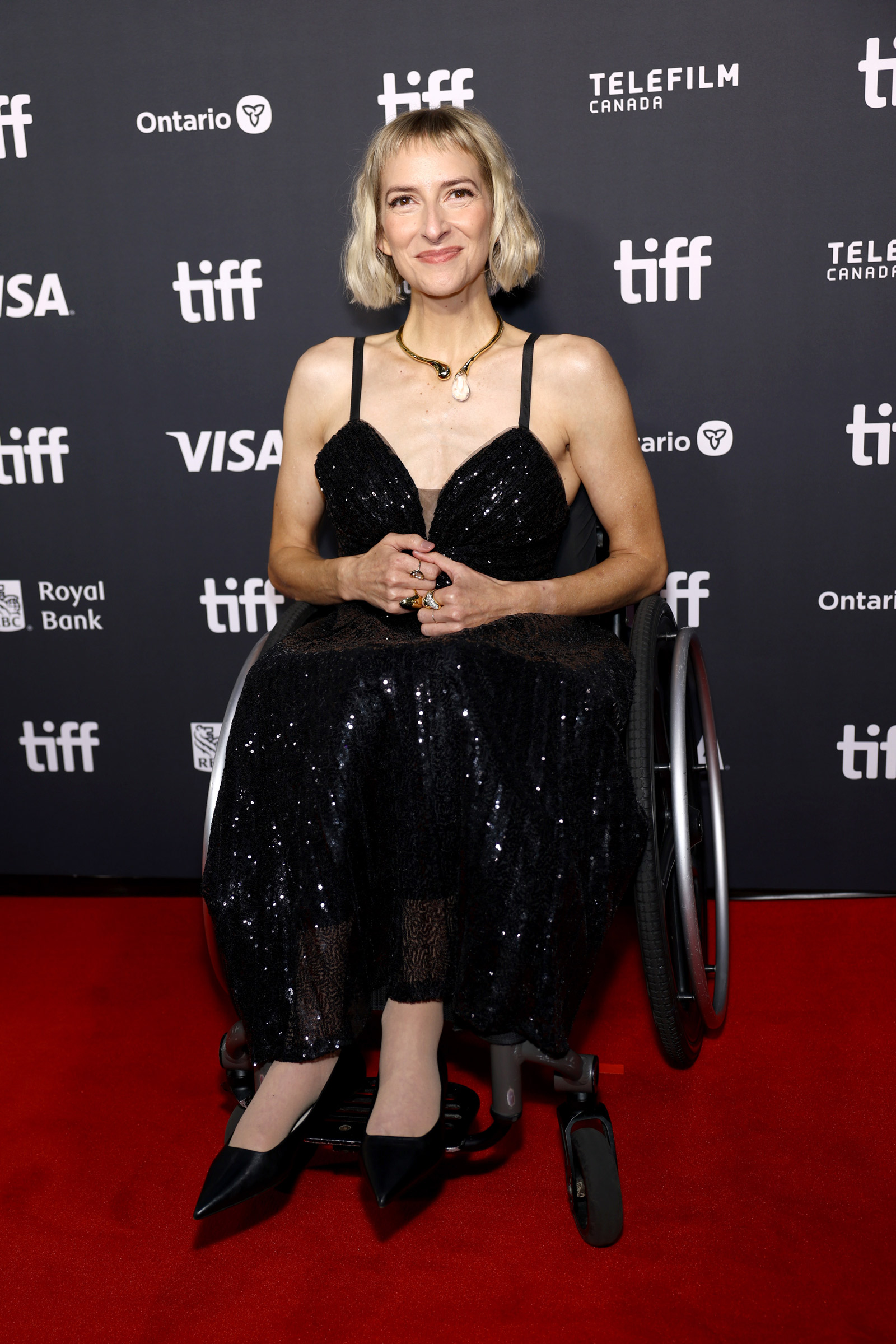
Taussig at the Toronto International Film Festival on Sept. 10 —Arturo Holmes—Getty Images
While it didn’t make the final cut, one of the scenes performed at our table read told the story of the time Judy was forcibly removed from a plane when the airline insisted she needed a care attendant or a note from a doctor to fly. Someone expressed appreciation that airlines are now more accommodating to wheelchair travelers. Siân looked at me knowingly. “Well, they’re still not great,” she said.
And so when I flew home from the reading, I can’t say I was surprised to find upon landing that my wheelchair, which cost more than my car and is fully customized to prevent pain and pressure sores, was missing. In its absence, I was placed in an airport wheelchair—although, given that it was not self-propelling, it feels more apt to call it a cart. Because airplanes don’t have accessible bathrooms, I hadn’t peed in eight hours, but without wheels that I could push myself, I couldn’t get to a toilet without help. I almost always fly alone, but out of sheer luck, my husband had accompanied me on this trip. We watched the people from the last flights pour out the doors until the floor was empty. Over an hour later, the airline informed us they had no idea where the wheelchair was. I felt like I was being sent home with body parts missing.
The next day, as I sat at my kitchen table, calling the same customer-service numbers again and again, a -familiar feeling thumped in my chest. While we worked on the script, I wanted to capture the frantic helplessness that can come when your basic rights are not in your control. You can hold up a protest sign, put your body on the line, hurl your voice to the sky, write yet another email to legislators, and still, it often feels like you are entirely at the mercy of a few people at the top who aren’t even listening.
Two days later, my husband found the frame of my wheelchair dropped off on our doorstep, scratches across the front, two parts dangling. They never found the wheels. A replacement pair arrived three weeks later.
While I recounted the ordeal to Siân, we marveled at the irony. Here we were, telling the story of a woman who took on the airlines for disabled passengers to have equal access to travel, and 50 years later disabled travelers still take the very real risk of our lives being upended every time we fly. We have come so far. We have so far to go. I saw the dichotomy everywhere. It was my generation’s job, I thought, to build on the progress Judy’s had fought for. What I didn’t realize at the time, however, is that we wouldn’t just be advancing it—we’d be defending it as well.
Almost a year to the date of that hopeful, disastrous flight home, I found out that Apple Studios had greenlighted the making of Being Heumann. I texted Siân gleeful curse words in disbelief. In the coming months, I saw a big film studio prioritize authentic disability casting for more roles than I could count on my hands and ask good questions about how to make the filming process accessible for them. I think I stopped breathing while I watched Ruth Madeley channel Judy’s chutzpah on her audition tape. Every time I thought of my younger self getting the chance to watch this story with these characters, my eyes welled. There is no way to quantify what it would have meant to see bodies like mine do something as ordinary as get dressed, go to work, or receive care, let alone hook up, party, fight, cry and win together. To see the world reflected back to me as I experienced it—pushed out by stairs and curbs, racing wheelchairs down hallways, sitting eye level with butts.
'Being Heumann' tells the story of how a group of protesters, including Heumann, fought for the implementation of Section 504 of the Rehabilitation Act, a federal civil rights law —Apple
It was right in the middle of this dreamy bubble that I first learned about a new lawsuit, Texas v. Becerra, filed by the attorneys general in 17 states, seeking to make Section 504 unconstitutional or dismantle all of the detailed protections that it lays out. I scoured the internet for any reporting from mainstream news outlets. The silence stunned me. I went directly to the lawsuit itself, and as I squinted into the legalese, I recognized arguments that sounded identical to the ones posed in the 1970s. We’d written these sentiments into the mouths of our most skeptical characters: disabled people are a burden on the rest of us; we shouldn’t be forced to integrate them into our communities.
Over the course of two years, the lawsuit evolved; it was updated as Texas v. Kennedy, the people made noise, and many states dropped out. Then in June, the Justice Department’s Office of Legal Counsel issued a memo asserting that Section 504 and the ADA don’t actually mandate that states support disabled people to remain integrated in their communities. Instead, this memo claims, sending people to live in institutions—away from their families, friends, and beds—is an acceptable option. This position is in direct conflict with the way disability-rights law has been interpreted by courts for decades. And, in addition to the human cost, it doesn’t make fiscal sense. For example, according to the Kansas Department for Aging and Disability Services and the Disability Rights Center of Kansas, sending one person with an intellectual or developmental disability (I/DD) to live in an institution can easily cost well over $310,000 a year. Providing home- and community-based services with an I/DD waiver for this same person would cost, on average, $70,000 a year. The discrepancy is similarly steep for someone with a physical disability. So at least in this case, it costs less to include us.
Even so, that memo set the foundation for a joint proposal from the Department of Justice and the five remaining states that ultimately ended the case. They asked the court to vacate critical language about integration, and in September the judge agreed. Now the law remains on the books—only Congress can change the legislation itself—but it’s been utterly gutted, despite the loud outcry from disability advocates across the country and the way it had been applied since the protesters won their fight in 1977. It’s hard not to interpret this move as anything other than a profound disregard for the value of disabled life.
And yet, even as the lawsuit and memo wound their way through the government, the Toronto International Film Festival welcomed Being Heumann as its opening-night film. I rolled across the red carpet in my black sequined dress and scratched-up wheelchair frame, taking in the wide expanse of our embodied disabilities, each of us glammed out and feted for our talents. It felt like living inside two timelines: one where my government undercuts the foundations of laws that have long protected all of us, the other where the hubs of culture celebrate the incredible story behind the passing of those same laws. As Judy’s life’s work is threatened, audiences around the world are learning her name. The past is asserting itself into the present, the future is teetering toward the past, all inside one surreal moment. I’m trying to hold onto the contradiction, never allowing the significance of one reality to eclipse the other.
I wish Judy were here to give us our marching orders—to make the monster lurking around the corner feel a little smaller with the force of her voice. I wish she could take in the wild power of her own story moving across a screen and witness this outpouring of recognition, gratitude, and celebration. She died unexpectedly while we were working on the film. In fact, many of the 504 leaders have passed away—Brad Lomax, Ed Roberts, Kitty Cone, Ron Washington, Hale Zukas. Their generation came of age in a world where doctors routinely told parents they should send their disabled children away to live out their lives in institutions, but their activism fundamentally changed the lives of all of us coming up behind them. Now that we are the adults in the room, what legacy will we leave behind?
I find myself thinking a lot about the work culture can do where legislation drops off. As we continue to fight for the laws Judy and her peers helped make real, I wonder about the ripples of an entertaining movie that isn’t here to force a lesson but bring to life a vivid story of disability as a dynamic, nuanced, deeply human experience. I wonder if one film might beget more. Perhaps this kind of authentic representation of disabled life could be a fixture that younger generations will one day take for granted. Maybe storytelling can insist on our shared humanity in the ways legislation can’t.
Because, even as I see now more than ever how essential laws can be, I don’t want just laws; I also want a society that values disabled people enough to implement them meaningfully and fully. I want whole communities invested in the great, ongoing project of building a world for all of us. I think Judy would co-sign my enormous appetite. I no longer believe human evolution inevitably bends toward including more of us, but if she taught us anything, it’s that we don’t show up because the outcome is guaranteed; we show up because it isn’t.
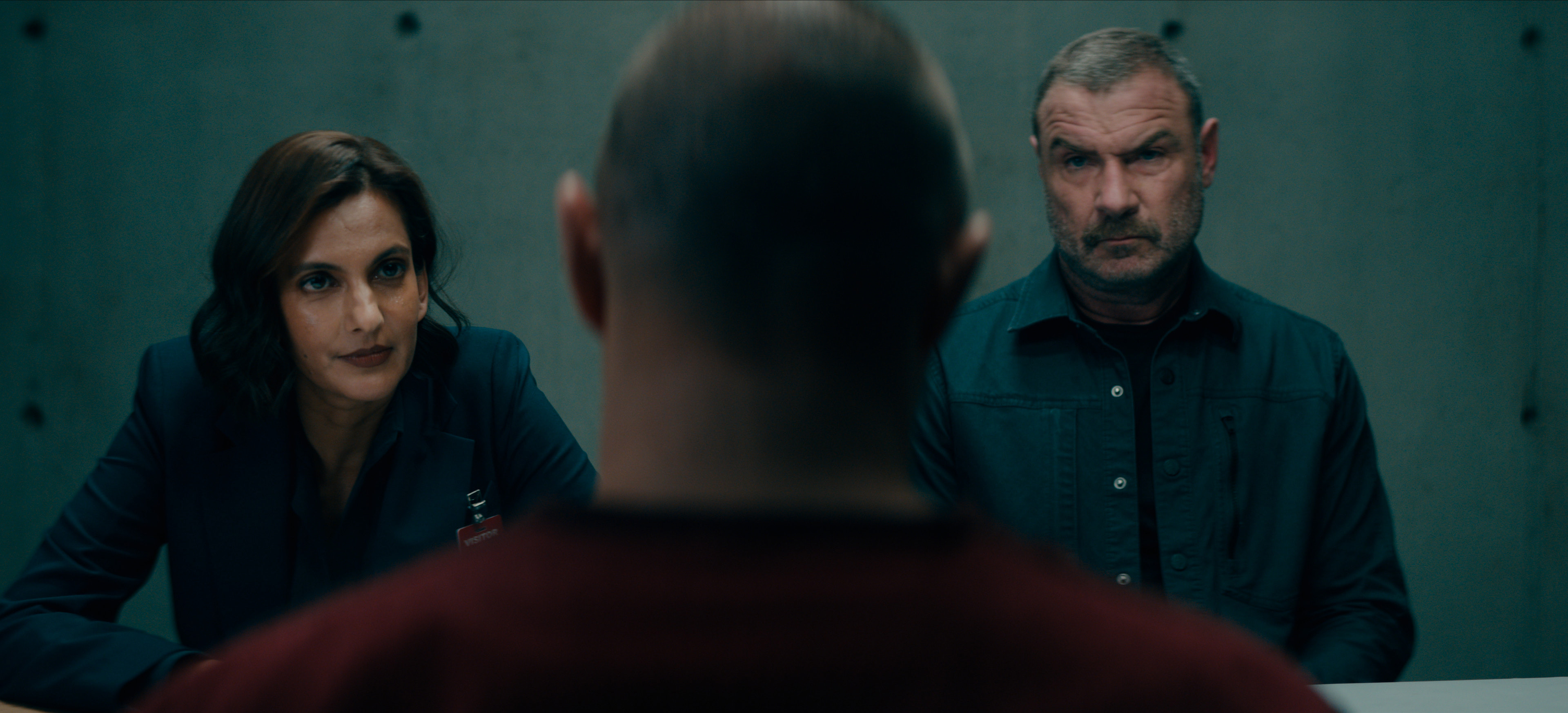
Stephen Graham, left, and Liev Schreiber in Nocturne —Apple TV
Nocturne is everything you would expect from a 21st century prestige crime drama. Adapted from a series of best-selling Scandinavian mystery novels, the Apple TV thriller, premiering with two episodes on Oct. 30, casts a genuine movie star (Liev Schreiber) as a brilliant yet broken detective immersed in a case that has become an all-consuming obsession. The large ensemble represents multiple law-enforcement agencies, victims, bystanders, and a singular alleged serial killer played by an actor on a hot streak (Stephen Graham). Children’s lives are at stake. A risky undercover operation is undertaken. Relationships simmer, until suddenly they’re at a full boil. Collateral damage piles up. Progress is glacial, with essential bits of backstory meted out in stingy flashbacks. Underlying every scene is an atmosphere heavy with dread, as though this sordid scenario has arisen not merely from the brain of one twisted villain, but out of a rot at the heart of society.
It’s a prototypical slow burn. This format, in which one complex investigation spans a season or more, wasn’t new to American TV when AMC’s Nordic noir adaptation The Killing became a sensation in 2011. (In this respect and many others, Twin Peaks, for one, was ahead of its time.) But the convergence of streaming, an ideal venue for binge-friendly serialized storytelling, and an audience for ambitious television that had been growing for more than a decade facilitated its proliferation as a cinematic alternative to the formulaic procedurals that still predominate on broadcast networks. The most acclaimed and discussed mystery shows of the past 15 years—True Detective, Mare of Easttown, Fargo, even Only Murders in the Building—have been, with few exceptions, slow burns. Yet, as Nocturne’s mixed success suggests, the tropes and limitations of the style become more apparent with each new title.
Zazie Beetz in Nocturne —Apple TV
In one welcome deviation from the norm, whodunit seems clear from the beginning. Confined in the bowels of a Pennsylvania psychiatric hospital, the serial killer Jurek Walter (Graham) calmly coaxes an inmate in the adjacent solitary cell into suicide. When a boy thought to be one of his victims, Michael (Landon Valentin), turns up, filthy and feeble but alive, years after he and his sister went missing, a new hunt for the girl begins. Schreiber’s Jonah Lynn, a Philly cop and military veteran who is now retired and a bit reclusive, was instrumental in the original investigation. Michael’s return draws him back in, along with an FBI agent, Saga (Zazie Beetz), who is a surrogate daughter to Jonah. As Quinn, a rigorous colleague from the bureau (Poorna Jagannathan), and the weary local police chief (Bill Camp) lead the search, Saga goes undercover as a patient at the hospital and Jonah goes rogue, to the surprise of no one who has ever worked with him. They don’t just want to find the sister; they want to catch Jurek masterminding violent crimes from his cell, thereby proving he’s coherent enough to rot in a real prison.
A slow burn can only be as compelling as the personalities and ideas its pace affords it time to explore. Creator Rowan Joffé and his cast, adapting the Joona Linna novels by Lars Kepler (a pen name of Swedish husband-andwife team Alexander Ahndoril and Alexandra Coelho Ahndoril), do craft a few fascinating characters. Beetz’s Saga is a spookily canny mix of actor, detective, and daredevil, inhabiting her cutesy-until-she’s-not patient persona so fully, you might start to doubt she’s fully faking it. Graham weaponizes the soft masculinity that he wielded so movingly as the horrified father of a homicidal teen incel in Adolescence. It’s his cunning performances of compassion that set Jurek apart from the typical thriller psycho and make us believe he has the capacity to pull off logistically inconceivable feats of cruelty. Rory Culkin adds tension as Karl, a sensitive hospital worker whose anger at the way superiors use him as a pawn leaves him vulnerable to Jurek’s manipulation.
From left: Poorna Jagannathan, Stephen Graham, and Liev Schreiber in Nocturne —Apple TV
What happens outside the institution isn’t nearly as gripping. Strong actors like Camp, Jagannathan, and Chrissy Metz, who plays Michael’s mother Ida, are saddled with underwritten characters. Everything we know about Jonah—that he’s brooding, single-minded, and willing to break rules in pursuit of justice—is a cliché of the genre, as is his odd-couple partnership with the stiff but well-intentioned Quinn. I got the sense, around the season’s midpoint (seven out of 10 episodes were provided for review), that Joffé was holding some of these characters at arm’s length in order to shock us with revelations about them later. But the extended delay in supplying basic context about Jonah, in particular, comes off as too much of a contrivance. It also distances us from the show’s implicit questions about whether laws and protocols enable (or prevent) justice, and how people like Jonah and Saga should weigh the rewards of dangerous, personal missions against the threat of harm these crusades pose.
Nocturne’s small-town Pennsylvania setting is guaranteed to earn it comparisons to Mare of Easttown and its spiritual sequel, Task. Beyond the dutifully adopted (and, to my ears, pretty accurate) accents, though, it lacks the specificity of those shows, both created by area native Brad Ingelsby, with regard to the region and its people. It doesn’t have the same curiosity about or patience in depicting the characters’ lives outside the Jurek case, either. Viewers got invested in Kate Winslet’s Mare because we got to watch her try to keep up with her precocious teenage daughter and endure the harsh words of her judgmental mom. (It didn’t hurt that said mom was played by Jean Smart.) As Robbie in Task, Tom Pelphrey had space to show us a criminal who was also a lonely, newly single father desperate to provide for his beloved children.
As any connoisseur of the hundreds of crime serials TV has produced since The Killing can tell you, there are only so many murder plots. But there are as many unique characters as there are human beings on planet earth. A slow burn that doesn’t make use of such a rich source of fuel is apt to fizzle out.
When it comes to representing the famous and addicted, Hollywood seems to know only two stories. Both begin with a passionate talent who longs to make an impact on the world. Then, as no less an expert on this subject than Courtney Love memorably put it, they get what they want and they never want it again. Afflicted by affluenza or impostor syndrome or the newfound knowledge that success can’t heal their internal wounds, they escape into substance abuse. It’s only in their final chapters that the two narratives diverge. Some lucky souls hit rock bottom, get clean, and live happily ever after. The rest die young.
It would be easy to slot Matthew Perry, the Friends star who died from ketamine and drowning in October 2023, into the latter category. But in the intimate three-part Netflix documentary The One About Matthew Perry, director Mary Robertson (Quiet on the Set: The Dark Side of Kids TV) honors his memory by resisting that simplistic binary. Yes, addiction (and a cadre of enablers who are now serving time for their roles in his death) killed Perry at 54. It’s also true that he spent more than 25 years surviving it, fighting to act and write and enjoy his friendships and make his family proud and fall in love. Instead of hiding that struggle, he used his fortune to aid others in their recoveries and his platform to advocate for a broader understanding of addiction as the illness that it is.
Robertson captures all of this in straightforward, chronological order, through emotional interviews with family and longtime friends, as well as Perry’s own startlingly frank reflections in media appearances and his 2022 memoir, Friends, Lovers, and the Big Terrible Thing. The absence of major celebrities, whether by design or otherwise, limits the fond platitudes. In their place are vivid behind-the-scenes anecdotes and candid memories of who he was offscreen—the ambition, charm, humor, and magnanimity, but also the pain he was capable of inflicting on those who loved and needed him. His sister Mia Perry Bowick, a psychotherapist, is the most insightful presence, embracing grief and ambivalence as she ties her big brother’s highs and lows to early family dynamics.
With all due respect to Chandler Bing, Perry’s greatest contribution was his vulnerability, even when the image of him it exposed wasn’t flattering. In its honesty, this documentary continues that work.
Correction, Oct. 27
The original version of this story misstated the last name of the series' director. She is Mary Robertson, not Mary Robinson.
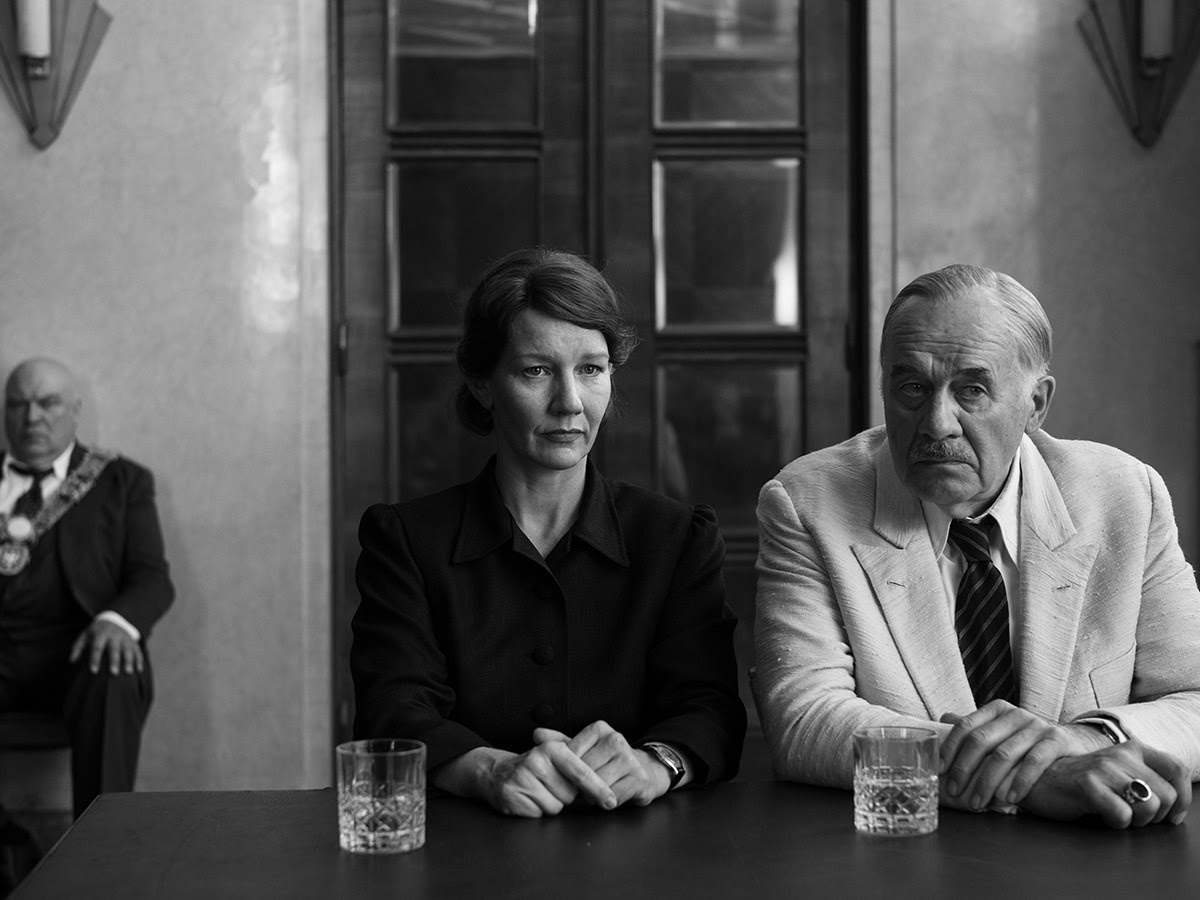
Sandra Hüller and Hanns Zischler in Fatherland —Courtesy of Mubi
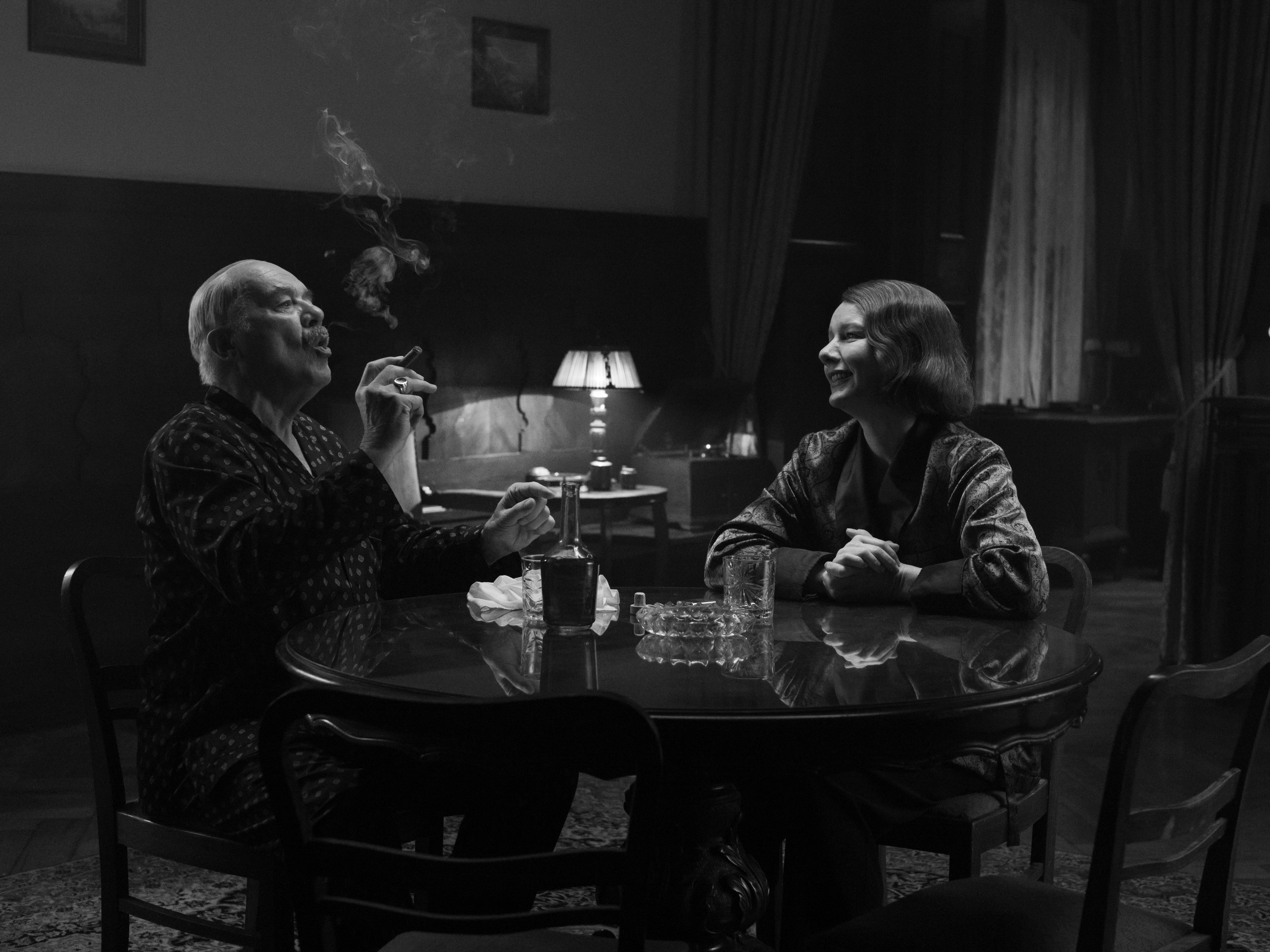
The title of Pawel Pawlikowski’s extraordinary, compact drama Fatherland has a double meaning. In this somewhat fictionalized story of Thomas Mann’s brief 1949 visit to Germany, the Nobel Prize-winning author, after having lived in exile in California for 16 years, is challenged with finding his mooring in a country he can no longer call home; if it’s his fatherland, it long ago turned its back on him and his ideals. But fatherland can also be a state of mind where fathers live, a state both more specific and more elusive than fatherhood. In Pawlikowski’s telling of this portion of Mann’s story, it’s during this trip that Mann learns of the death of his son, Klaus—also a writer, though not as successful as his father—by suicide. If the elder Mann feels any emotion when he hears this news, it’s frozen inside him, a bubble of feeling isolated on its own ice floe. Fatherland, so secure in its rigid borders, is a cold, cold place.
Mann’s freedom from this interior island prison happens in the film’s last five minutes, a wordless reckoning that’s as quietly moving as anything you’ll see at the movies this year. But that moment wouldn’t hold so much power if Pawlikowski—with the help of his cowriter, Hendrik Handloegten—weren’t so skilled at sketching in the feathery details leading up to it. Pawlikowski is also the director of the 2013 Ida, as well 2018’s Cold War, pictures that, like this one, deftly balance postwar Eastern Bloc realities with the truth that all humans strive for connection and belonging. These aren’t dour movies, but serious, lustrous ones, less “political” pictures than movies about people trying to sort out what living really means.
At the beginning of Fatherland, no one—not even the aged Mann, played here in a quietly extraordinary performance by Hanns Zischler—has figured that out. The movie opens with a long-distance phone call: Mann’s semi-estranged son Klaus (August Diehl), living in Cannes and clearly in emotional distress, has reached out to his sister Erika—we’ll later realize it’s Sandra Hüller’s voice we hear on the other end of the line. Erika, an actress, writer, and onetime race-car driver, has become her father’s assistant, and she now urges Klaus to join her and their father on the trip they’re about to undertake, from California to the “new” barely postwar Germany. In the year of Goethe’s 200th birthday, Mann will be accepting two awards, one in Frankfurt, in the West, the other in the East, in Weimar: his justification is that his literary idol was born in one city and died in the other, though it’s obvious that Goethe couldn’t have imagined that chasm that would open between the two within 200 years' time.
Zischler and Hüller —Courtesy of Mubi
Both cities are in transition, and in crisis, though neither wants to admit as much. In Frankfurt, a gray city crumbling at the corners and still finding its footing after the war, though somehow doing its best to pretend all is well, Mann and Erika are greeted by the mayor and hustled off to a press conference. There, the esteemed man himself answers the respectful but probing questions of journalists. Once they learn that he’ll also be traveling to the East, it’s not lost on them that doing so could make him a target at home in the States, where anti-Communist storm clouds have long been gathering. And there are other, more spiritual questions for him to consider. An American journalist, a woman who, it turns out, is an old friend of Erika’s and possibly a former lover (she’s played by Anna Madeley), asks him where he feels his true home is, now that he’s an American citizen. His answer is courtly but honest. He may live in the United States, he says, “but where my Heimat is, my home, is a much more difficult question.” He’s a man between states, both literally and figuratively.
In Weimar, the chief way to welcome a returning hero is apparently to greet him with a somber folk song sung by a choir dressed in dark clothing; at one point, he’s serenaded by a group of children singing the then-newly pened East German national anthem. Mann accepts it all gracefully, but there’s also something a bit quizzical and lost in his expression. He’s jarred by one alarming moment: a wild-eyed man appears at the hotel suite where he and Erika are staying, begging him to reveal in his speech that the nearby former concentration camp Buchenwald is now being used as a detention center for political prisoners. The man is whisked way by officials before he can finish his spiel, though it’s doubtful any of it has swayed Mann at all. In both the East and West, when it’s time to address the audiences who have eagerly gathered to hear his thoughts, he gives heartfelt speeches, anchored in the legacy of Goethe, about the power of art to transform and sustain not just individuals, but whole nations. He seems to truly believe, as he says at one point, that art doesn’t recognize borders—or at least, he truly wants to believe it.
Through all of this, Hüller’s Erika serves her father dutifully. When necessary, she translates his responses to journalists into fluid French; she attends cocktail parties in his honor, even when it means suffering the indignity of running into an oily, traitorous, Nazi-loving ex-husband she’d rather forget forever; she drives her father through the countryside, and though we can’t see her face as she does so, we wonder if this particular task gives her some joy, given her car-racing past. But through it all, because Hüller is such a subtly expressive actor, almost gossamer in the ways she shifts moods, we see the ways in which her resentments toward her father can’t help simmering to the surface. When she learns of her beloved brother’s death, her composure doesn’t crumple visibly—only somehow we know her emotional reserves are folding in and flattening like a house of cards. And when she sees how little this event seems to trouble her father, she can barely go through the motions of helping him on his mission, which, as he seems to envision it, is to save his homeland with his lofty views on art.
How these two find their way back to one another, and to a place of acknowledged and shared grief, is a kind of unspoken miracle that unfolds in last 15 minutes or so of this elegant, remarkably economical movie. Artistically and emotionally, Fatherland accomplishes more in its 82-minute runtime than any two-hour-plus movie released this year. Cinematographer Lukasz Zal, who also shot Ida and Cold War, renders Fatherland in the same satiny black and white, as well as the same serenely squarish, or Academy, aspect ratio. Every frame is spare, elegant, intimate, and the film moves along so gracefully that you’re barely prepared for how exhilarating, and how quietly devastating, its final moment is. At one point, Hüller’s Erika tells her father that Klaus had once said he felt Bach made him feel life was worth living. Her father shrugs that information off, but the final moments of Fatherland—incorporating a serendipitous conjuring, like a specter, of “Jesu, Joy of Man’s Desiring”—bring it back to him. Can a person have more than one Heimat? Or can that place of spiritual belonging shift over time? Perhaps Bach had the answer. Perhaps he put it in a piece of music, for us to find when we most need it, in a church or even in a movie.
Renate Reinsve and Sebastian Stan star in Fjord —Courtesy of Neon
From the Palme d’Or-winning abortion drama 4 Months, Three Weeks, and Two Days (2007), to the institutional corruption-themed Graduation (2016) and beyond, Romanian auteur Cristian Mungiu’s body of work has always concerned itself with the human cost of systemic oppression and bureaucratic faultlines. With the searing legal and familial drama Fjord, which earned Mungiu his second Palme at the 2026 Cannes Film Festival in May, the filmmaker once again brings his signature sense of slow-burning tension to the clash between individual and societal codes of morality. Except this time, he shrewdly flips the script. With the story of a religious immigrant family of seven facing an uphill battle against Norway’s child protection services (known as Barnevernet), Fjord dares to imagine a scenario where well-intentioned progressive values can backfire as severely as rigidly conservative ones if they disregard basic human principles like empathy, compassion, and respect.
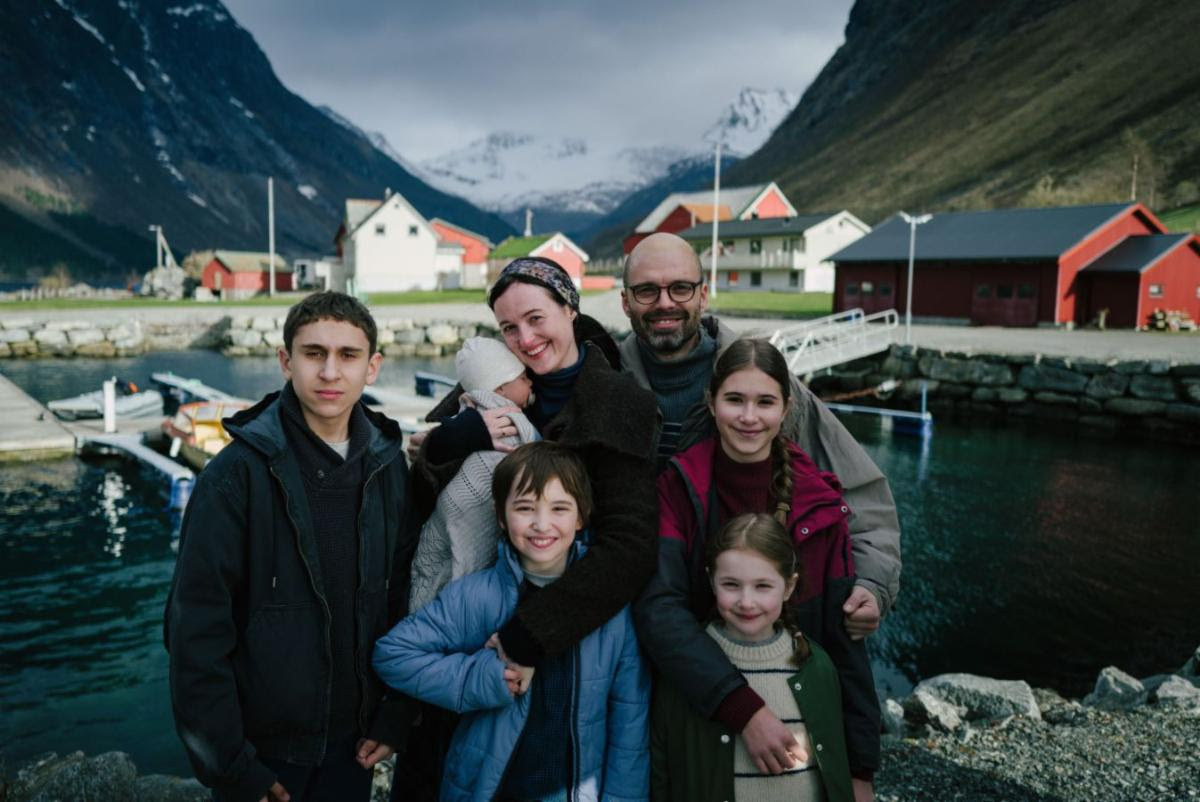
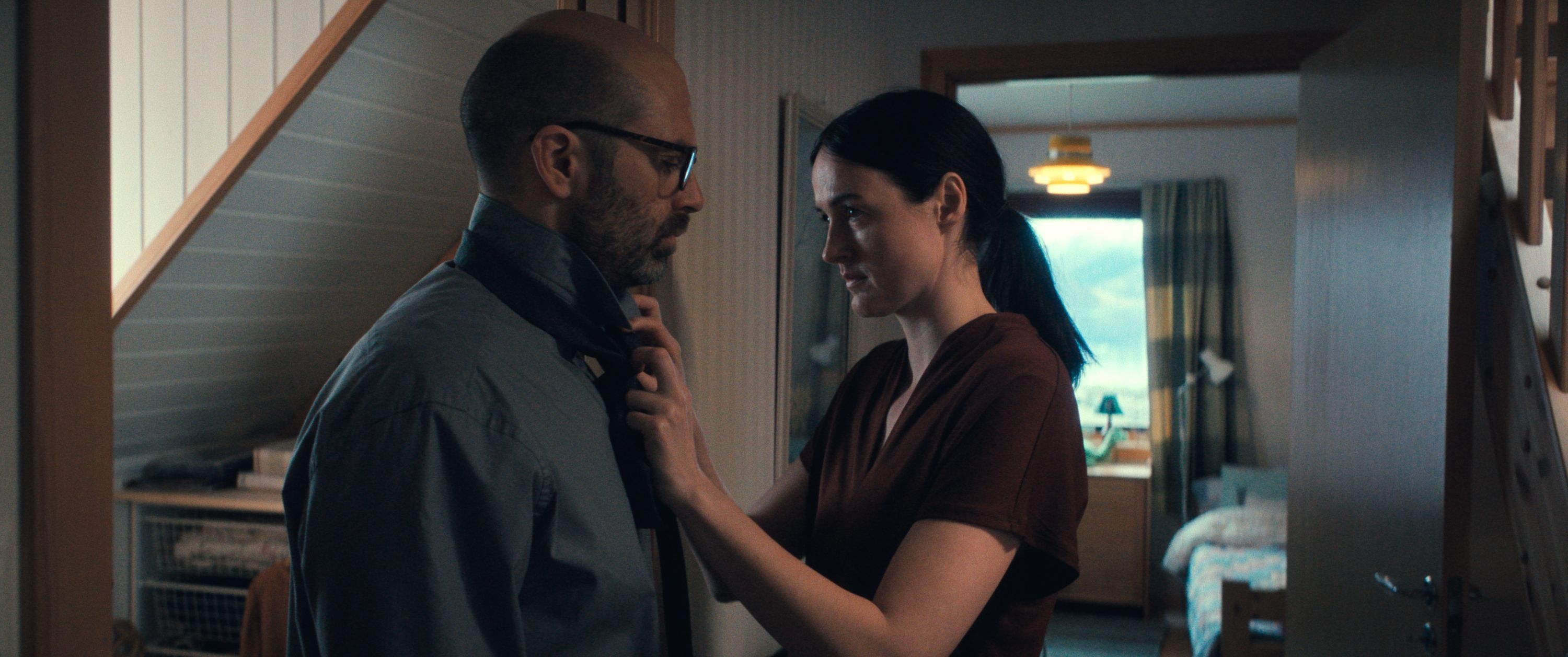
Written by Mungiu, Fjord follows Mihai and Lisbet Gheorghiu, a Romanian engineer and Norwegian nurse played by Sebastian Stan and Renate Reinsve, respectively. Set in their modest ways, the couple tries to settle into their lives in Norway, having moved there after the death of Mihai’s parents to be closer to Lisbet’s family. Raising their five children with a conservative ethos, they don’t quite mesh with the liberal community that surrounds them. But their eager kids still build close friendships with the children of their progressive neighbors, Mats and Mia Halberg, a development that further underscores the two families’—and consequently, the two belief systems’—political and practical differences.
Tensions rise in town when the kids’ school raises child-abuse allegations against the Gheorghius after teachers notice some mysterious bruising on one of their kids. While the film never spells out their precise origins, Barnevernet steps in at once, separating their five kids (including a baby, still breastfeeding) from Mihai and Lisbet, placing them in foster care after the couple admits to some physical discipline that would be considered mild in Mihai’s culture, but is against the law in Norway. Claiming that they are being harshly discriminated against due to their religion and conservative beliefs, the couple asks help from Mia, an attorney, to represent their case in the Norwegian court.
The real court case that loosely inspired Fjord
Stan and Reinsve as Mihai and Lisbet Gheorghiu —Courtesy of Neon
Joining TIME on Zoom recently, Mungiu emphasizes that “the film is fictional. It’s not a reenactment associated with any one particular case.” Still, there were a number of real-life court cases that intrigued him as a storyteller with a journalism background. Chief among them was that of the Bodnariu family, who occupied international headlines for several months after they were separated from their five children in November 2015. Pentecostal parents Ruth and Marius were accused of domestic violence, with worldwide protests criticizing what dissenters called harsh and hasty steps taken by Norwegian social workers without proper evidence. In Romania, one of the indirect results of the wildly popular case went as far as a constitutional referendum in 2018 that aimed to alter the definition of a traditional family and prevent same-sex marriages. (The referendum eventually failed due to low turnout.)
“So you couldn’t avoid the Bodnariu case,” recalls Mungiu. He followed the story as it remained in the papers, and during that time and the years that followed, Mungiu began to notice other cases that displayed a similar pattern. “Whenever there was this encounter between, let's say, families coming to Scandinavia from more conservative parts of the world, there was a cultural clash.” What eventually convinced him to pursue the topic through a film was a recent-enough realization that the world somehow became more illiberal than it used to be. “I thought that through this story, I could talk about the [confrontational] state of the world today. People are not listening to the other group. I hope that the world can be a bit more rational than this.”
Upon deciding to write Fjord, Mungiu read everything he could online, moving to Norway for several extended periods to investigate the country’s child-protection laws and relevant cases on the ground. His process involved talking to several families involved with child protection cases and their relatives, as well as journalists who covered cases like the Bodnarius’, court interpreters, police officers, NGO representatives, and various different religious groups. “Finally, I talked to Barnevernet about these cases in general,” he adds. “They were willing to also give details about how things have changed.”
One key tool Mungiu didn’t have access to was the recording and transcription of the Bodnariu trial, which is among the reasons why Fjord had to be largely fictional. “Norwegian authorities said only the family could have access to the recording if they came over. But the family knew that they couldn’t come over. Because if they did, they could be arrested,” he explains. “The family was trying to get their justice in the European Court of Justice, but they first had to utilize all the legal procedures [in Norway]. And because they left Norway before having a final decision about their proceedings, they couldn't get a positive answer from the European Court of Justice.”
The audience is on trial too
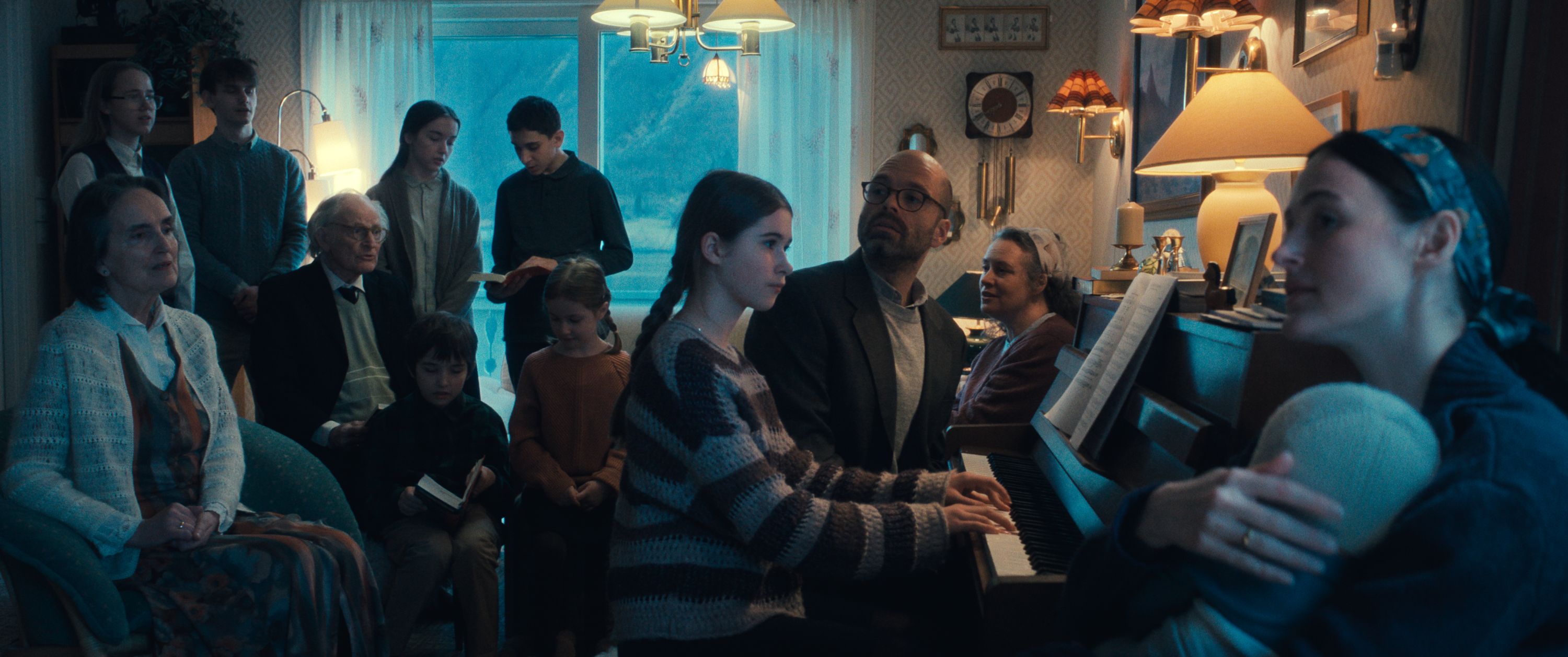
Vanessa Ceban, at the piano, plays eldest daughter Elia —Courtesy of Neon
Mungiu draws a direct connection between Fjord and his previous film, R.M.N. “In that film, I was trying to investigate how a conservative society reacts when someone who’s different from them comes into their world. We know that they’re not very welcoming or willing to accept differences. They don't understand that there's a bigger world out there. In Fjord, I really wanted to reverse this paradigm and to understand what happens when the conservatives are the minority in a progressive, liberal society.” According to Mungiu, we might expect that type of society to be more empathetic and inclusive, treating minorities with more compassion. But through his investigations, he got the sense that whoever’s in the majority feels entitled to impose their own point of view onto others. “This is not a good example that we wish to set for the conservative part of the society,” Mungiu reflects. “We shouldn't be behaving the same way they behave.”
On these grounds, the central question of Fjord is whether anyone can be truly objective toward people whose values they don’t share. The Gheorghius’ conservatism, for example, means they oppose same-sex marriage. So can viewers both disagree with the couple on those grounds, while also feel that they are being treated unfairly by Barnevernet? It is a challenge that is essentially at the heart of the American justice system, which asks potential jurors to set all their biases aside and only assess the case in hand through proven facts. “I noticed that saying, ‘I'm here to [only] judge if they are guilty of what they are charged with’ isn’t easy, because you are biased by your own point of view of the world. But I hope that this is what the audience is going to do. The reason why I wanted to tell this story from this neutral perspective is that it is a rare opportunity of inviting not just one bubble that you sympathize with in your regular life. The other bubble exists and dialogue is needed to make the society a little bit more peaceful again. So I took this position of a mediator, if you will.”
A visual style in service of the film’s thesis
To accentuate the connection between Fjord’s searching themes and lean visuals, Mungiu purposefully embraced long shots and continuous takes beginning during the scripting phase, in order to fully immerse the audience in the conflicting world of the characters in a neutral fashion. Indicating that he avoids many of the mainstream filmmaking methods that he finds manipulative, “I don't use anything [distracting] within the scene,” Mungiu says. “I don't use coverage. I don't use music. I don't have funny angles. The camera doesn't move unless it follows a movement in the shot. I try to do this in a sober way, just with the actors and their emotions. I think it's a respectful way of telling the audience, ‘You are adults like we are, you are as smart as I am, so feel free to see [for yourself] what's more important in this shot, or who the main character is.’”
Similarly, he carefully scouted locations in sync with his ideas around isolation and lack of communication. “It was important for us to set this story in a small community, with two houses at the end of this fjord in a lovely but somehow curled world,” he explains. “It’s very majestic, and [it’s a location where] people will have to talk to one another eventually because there's nobody else around.”
He remembers an anecdote about the real inhabitants of the two houses he uses in the film for the Gheorghius and Halbergs, who were in fact not communicating with one another. That all changed shortly after the production convinced one of them to allow the film crew to shoot in his house. Mungiu recalls the homeowner saying, “I will let you, but my neighbor is very grumpy. He hasn’t talked to me in the 10 years that we have been neighbors, so you are going to have problems with him." But when the crew contacted the owner of the other house, they found that he was quite open-minded. “We asked him, ‘Do you have a conflict with your neighbor?’ He said, ‘No, but none of us have started a conversation, so I let him enjoy his privacy.’ At the end, they were communicating normally, and we had a very good relationship with both of them.”
Can a person ever really be fully objective?
No matter how neutral Mungiu tried to stay throughout his research process, there were some moments that made him face his own biases. “I went [to Norway] with this idea that I will meet a society that is not at all religious. This is the idea that we project onto the Protestant north.” As such, he was surprised to notice deeply rooted religious leanings there, especially among older people with a connection to the Norwegian church. He also learned about the younger population’s attraction to new neo-cult movements. “I watched at least a couple of documentaries about this phenomenon. People are really worried that the younger generations are [drawn to] these new cults. So I noticed that the people there are just as inclined to have religious beliefs as any other.”
With this discovery, Mungiu eventually eliminated various scenes in Fjord which would have insinuated that Norwegian people saw the world in a more rational way only because they weren’t religious. “Making decisions on rational grounds is of course a very good thing to do,” Mungiu explains. “But [there is also] this need of belonging to something bigger than just [rationality] that we all feel. Some people still long for the discomfort that there's something bigger than them. And as long as this belief places them on the right side of the world through [tolerance] and [inclusivity], I think we should be tolerant to it.”
“You shouldn't answer radicalization with radicalization”
Sebastian Stan in Fjord —Courtesy of Neon
His time in Norway also led Mungiu to learn more about the Sami people. “I didn’t know much about them before, but the Sami population sets a good [historical] example about how bigger communities and countries were not acting in an ethical way towards minorities. You can see this in the U.S. as well, [in the way] Native Americans were treated,” he adds. “And I think that we should learn from this [that] maybe this ‘we want to civilize you’ idea is not the most ethical one,” he reflects, clarifying that while everyone should obey the laws and respect the culture of the country they live in, real integration cannot happen by enforcing one’s own values onto others. “That won't change [the way] someone thinks. You will just frustrate them, [reinforcing] that there is a hypocrisy in the world.”
Mungiu cautions against the ongoing ideological war that he says is moving in the wrong direction across the globe. “I don't want to be preachy, but hopefully there's something that stays with you after you watch a film like Fjord,” he reflects. “I took the risk of talking about things that people need to listen to even if they’re not nice. Don't kill the messenger. It's time to start to have a dialogue and this is what cinema can do.”
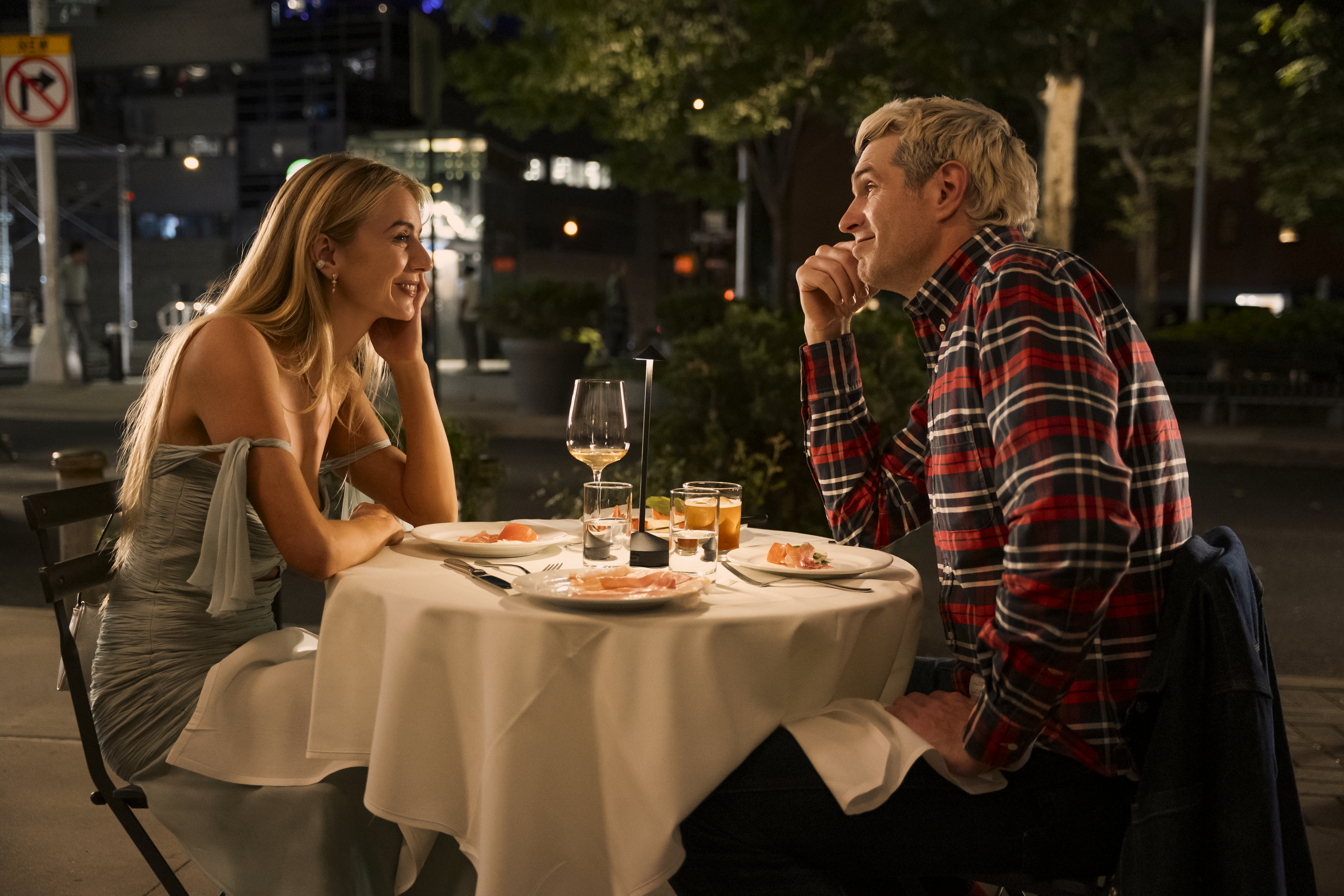
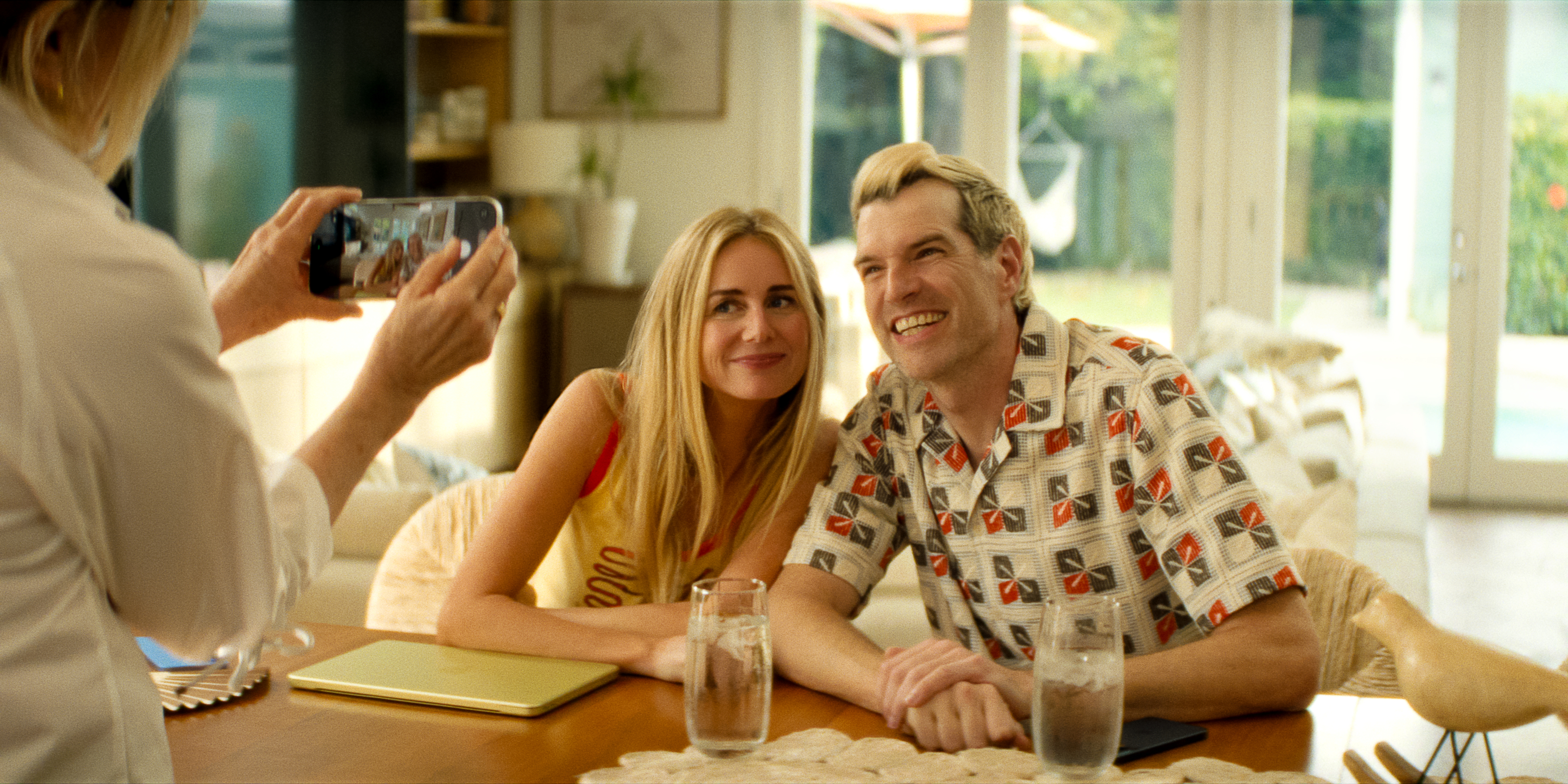
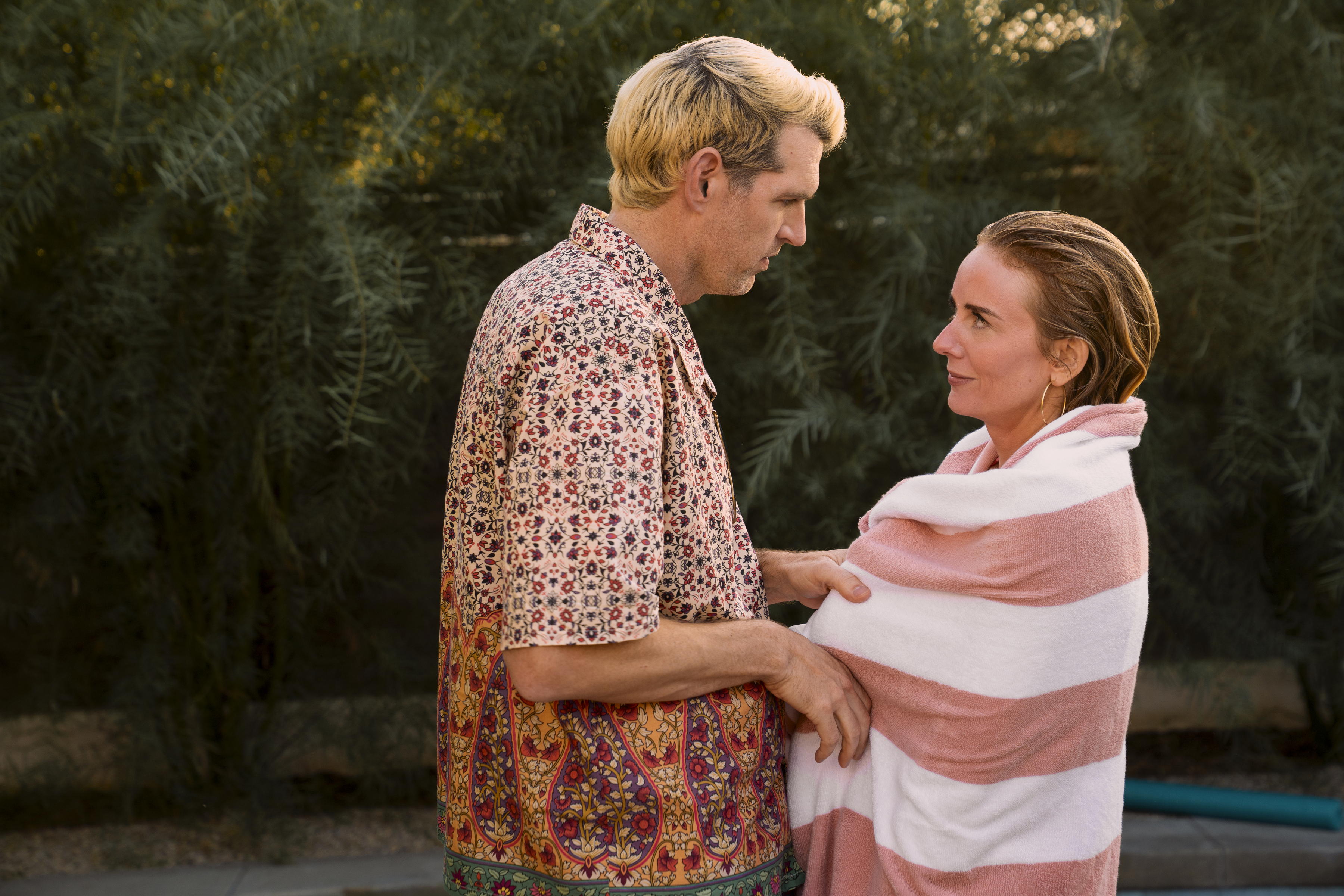
Justine Lupe and Timothy Simons in Nobody Wants This Season 3 —Emily V. Aragones—Netflix
This article discusses the full third season of Nobody Wants This.
Joanne and Noah are going to make it. Two seasons of so many highs and lows, will-theys and won’t-theys, makeups and breakupshad gotten a bit repetitive. So it comes as a relief that Season 3 of the Netflix romantic comedy Nobody Wants This all but guarantees us Kristen Bell’s formerly secular sex podcaster and Adam Brody’s hot rabbi will live happily ever after. With Joanne taking conversion classes, the couple checks off commitment milestones in quick succession: cohabitation, then engagement, and, in the finale, an unplanned exchange of wedding vows after the bride emerges, officially Jewish, from an ocean mikvah. It’s a lovely, duly earned culmination of their interfaith courtship. But it raises the question of where the show can go from here.
The season’s other main storyline—and sole substantive source of conflict—suggests that creator Erin Foster and her co-showrunners, Jenni Konner and Bruce Eric Kaplan, are staking its future on the relationship between Joanne’s erratic, underachieving sister, Morgan (Justine Lupe), and Noah’s eccentric, underachieving brother, Sasha (Timothy Simons). Morgan is fresh off her latest ill-advised romance, an ethically dubious relationship with her ex-therapist (Arian Moayed) that imploded at their engagement party. Sasha is separating from his wife, Jackie Tohn’s Esther. (This is her choice, probably because writers remainsensitive following complaints about the portrayal of Jewish women in the first season and wanted to avoid making hot, blonde Morgan the cause of the split.) And so the best buddies, who’ve been flirting since Season 1, are finally single at the same time. But is it actually a good idea for the show to bring them together, as it briefly does in the second half of this season? I’m of two minds about that.
Justine Lupe and Timothy Simons in Nobody Wants This Season 3 —Netflix
What the Morgan-Sasha romance has going for it is the unlikely, off-kilter yet undeniable chemistry between Lupe and Simons, which has somehow surpassed even the electric connection of Bell and Brody’s soulmates. (Let’s take a second to appreciate the versatility of Simons, whose other great performance was as Veep’s toxic West Wing staffer Jonah, a character who would never be attractive to anyone.) Morgan is a brash, blunt, benignly self-absorbed icon in her own mind who also, in her darker moments, fears she’ll never get her life together. Awkward, self-deprecating Sasha is genuinely dazzled by her. For a guy who sacrificed his youth to marriage and fatherhood, she represents all the fun he never got to have. And because they’ve never seemed like viable partners for each other, they have a better rapport than either could manage on a date with someone who’s more their type. “Act the way you act with me,” Morgan advises Sasha as he apprehensively delves into the apps. “You should pretend that you’re talking to me every time you talk to anyone, because I bring out the most charming side of you.” She’s conceited, as usual, but she also happens to be right.
The most refreshing aspect of their friendship is their mutual honesty. So it was clever of Foster, Konner, and Kaplan to make that the driver of their storyline this season. When Sasha fills in for Joanne on the sisters’ podcast, his banter with Morgan is, of course, gold. He explains how he has used the Let Them theory to make peace with professional setbacks—then she calls B.S., and goes on to improvise her own Make Them theory, a pure expression of her aggressive approach to getting what she wants. The episode goes viral. Morgan starts to see a future for herself as a self-help author. Sasha is there to encourage her to dig deeper when her early attempts at writing fall flat. And she can be counted on to inform him that his “lucky shirt” is not exactly the chick magnet he imagines it to be. Yet they also frequently build each other up.
Each faces more disappointment as the season goes on. Morgan blows a meeting with a publisher (Poorna Jagannathan, in her third of four high-profile TV role this year. Hey, I’m not mad about it). Sasha tries to force a connection with a woman who gets confused when he mentions the social contract. So they’re both in a tender place when Morgan impulsively invites him to accompany her to New York, where she’s been booked to talk Make Them with Andy Cohen on Watch What Happens Live. The season’s seventh episode is almost entirely devoted to the trip. That it is such a pleasure to, er, watch what happens between them is a testament to the power of great characters to reinvigorate old genre tropes. From the shopping montage where Sasha buys Morgan a dress, Pretty Womanstyle, to her earnest speech as they walk the High Line, to the false starts that end with them in bed, familiar rom-com beats feel exciting because of the affection we have for these two. Morgan’s epiphany that, “When I was younger, I always fell for people I wanted to be seen with. And now I think I just wanna be with someone who sees me,” could be a Carrie Bradshaw koan. It hits, though, because it’s so true to her character arc.
Timothy Simons and Justine Lupe in Nobody Wants This Season 3 —Katrina Marchinowski—Netflix
But what’s the endgame for Sasha and Morgan? Presumably in order to save some material for Season 4, Nobody Wants This pulls them apart just hours after their hookup. Sasha awakens to a note that says Morgan has hopped on an earlier flight home. There, she crashes out in bed, resigned to the impossibility of a long-term relationship with her future brother-in-law. When it dawns on Joanne that her sister is serious about Sasha, she gives Morgan her blessing. Yet by the time Morgan tracks him down and delivers another big monologue (“I don’t wanna half-ass you”), he’s decided he can’t endure her avoidance so soon after Esther left him. Then he sleeps with Esther, who’s dating a rich guy a full generation her senior (Steven Weber), laying the groundwork for an absolutely disastrous encounter between Joanne’s and Noah’s families at the mikvah.
No end to the season could have been more apt than Joanne and Noah pledging their eternal love while, in a gorgeous beachfront rental just steps away, their parents and siblings tear each other apart. And, again, the scenes Sasha and Morgan share have become some of the most exhilarating of the show. But Nobody Wants This has always been better with isolated situations and screwball dialogue than it is with big-picture plot. With that in mind, I worry it’s written itself into another corner with this relationship. A Season 4 love triangle, with Sasha forced to choose between Esther and Morgan, could only lead back to the same old referendum on Jewish women. If the two Jewish brothers did both end up with the two gentile sisters, that would make its own, somewhat discouraging statement on the latter issue.
Even if you can get past those implications, it’s hard to imagine Morgan and Sasha’s long-term romance arc going anywhere worthwhile, narratively speaking. We’ve already seen the culture clash, the parental pushback, the conversion drama. Are we going to do the same thing all over again, with the same abrasive mother-in-law, brief breakups, and tearful reunions—except with lower stakes because Sasha isn’t a rabbi? I’m not saying nobody wants this. I just need to be convinced.
Spotify told investors its rollout of QR code verification to ensure Family Plan members live in the same household is not a "crackdown," just a routine improvement.
Sydney Loofe, whose murder is explored in Swipe Right on the Devil —Courtesy of Hulu
Nebraska native Sydney Loofe was looking for love, or at least for some fun, while scrolling through Tinder back in 2017. But the resulting date quickly went wrong, and she never made it back home. The new three-part Hulu true crime docuseries Swipe Right on the Devil tells the harrowing tale behind Loofe’s 2017 murder, how she was lured into a satanic BDSM ritual for so-called witchcraft, and how her murder led to authorities uncovering a years-long scheme run by two cult leaders. It tells the story, in part, through interviews with surviving women who escaped the cult weeks prior to her murder.
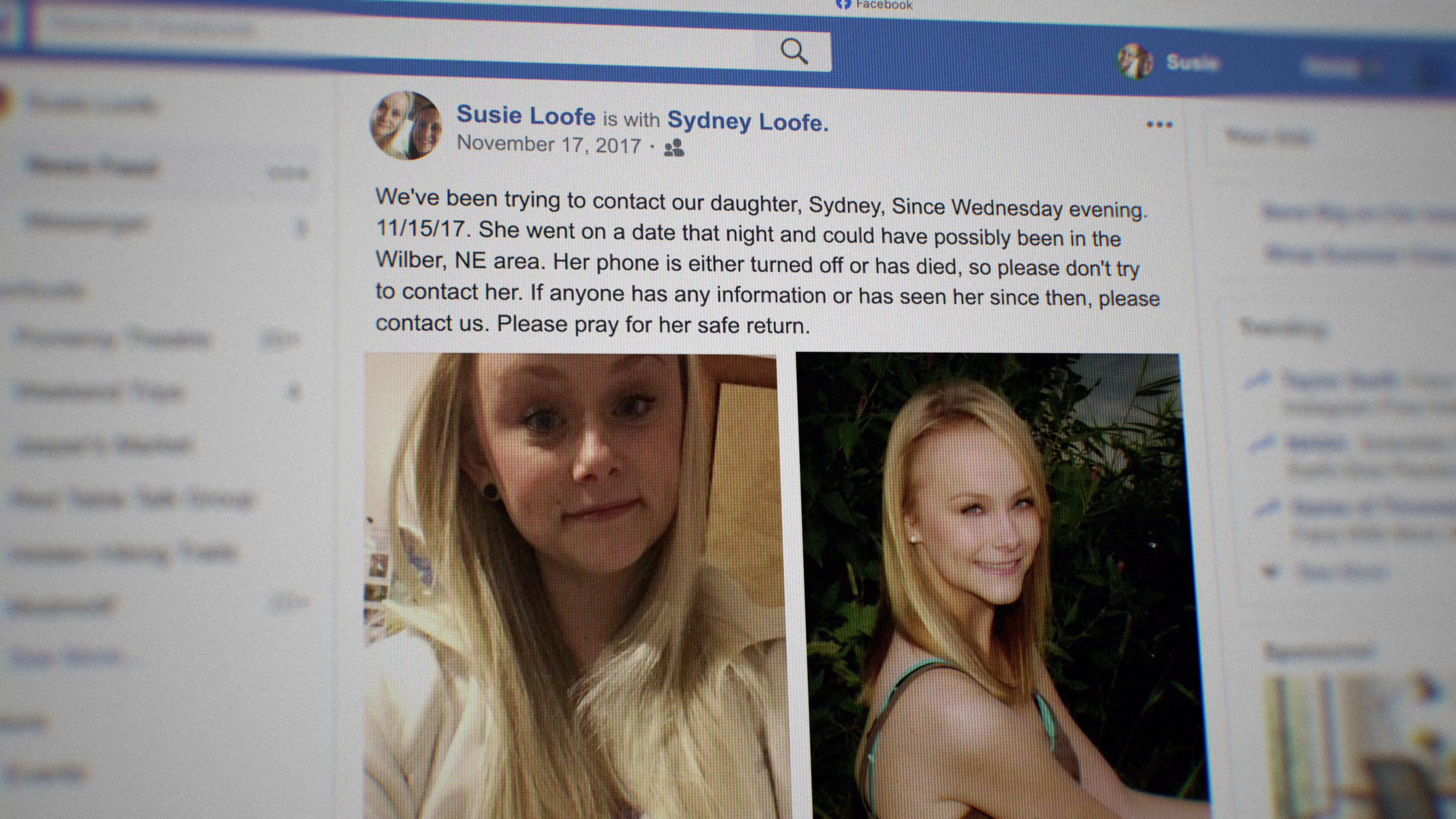
The docuseries marks the first time the Loofe clan is sharing their side of the story, along with Nebraska investigators and an FBI agent assigned to the case. Loofe’s mother Susie Loofe wrote on Facebook that her family had been contacted by at least 100 production companies looking to make a documentary about the murder before putting their trust in Imagine Documentaries.
Swipe Right on the Devil director and executive producer Brian Biegel tells TIME that Loofe’s “mysterious disappearance” quickly became a far more “complex [story] than the headlines suggested.” Biegel, who previously worked with FBI officers while helming the ESPN 30for30 documentary The Counterfeiter, spent approximately three years immersing himself in the Loofe case. The experience forever changed his views on the occult: “As a documentary filmmaker, I'm naturally skeptical and always looking for evidence, but I also believe there are aspects of the human experience we don't fully understand,” he says. He spent years talking with the man convicted of Loofe’s murder and hearing firsthand from the women he drew into his orbit. “I wouldn't say this experience made me a believer in the supernatural, but it did make me more open-minded about what might exist beyond the physical world.”
A Meet-cute gone awry
A Facebook post from the period when Loofe was missing —Courtesy of Hulu
Loofe, a 24-year-old hardware store clerk at Menard's in Lincoln, Neb., first connected on Tinder with a woman she believed to be named Audrey. Loofe went on two dates with “Audrey.” But she never came home from the second one, on Nov. 15, 2017. When she didn’t show up for work the next day, Loofe’s coworkers called the police to do a wellness check at her home; the officers found her car in the driveway and her purse still in her apartment. Loofe was reported missing.
It was then that one of Loofe’s friends took matters into their own hands: They created a fake Tinder profile to find Audrey, who seemed to be the last person Loofe had made contact with. Loofe’s friend matched with Audrey and gave her details to investigators, who soon discovered that the phone number belonged to a 23-year-old woman named Bailey Boswell. The search for Loofe continued.
Her family held out hope that she would be found unharmed. But their prayers went unanswered. Loofe’s remains were found in garbage bags on Dec. 4 along the state highway in rural Clay County, Neb. She had been dismembered into 14 pieces, in what seemed to be a ritualistic manner. Her left upper arm was never recovered, and her internal organs were still missing. Authorities then set out to find out what really happened to the woman her family described as “the crystal-blue-eyed girl with a soft heart”—and why.
A self-proclaimed vampire and his witches’ coven
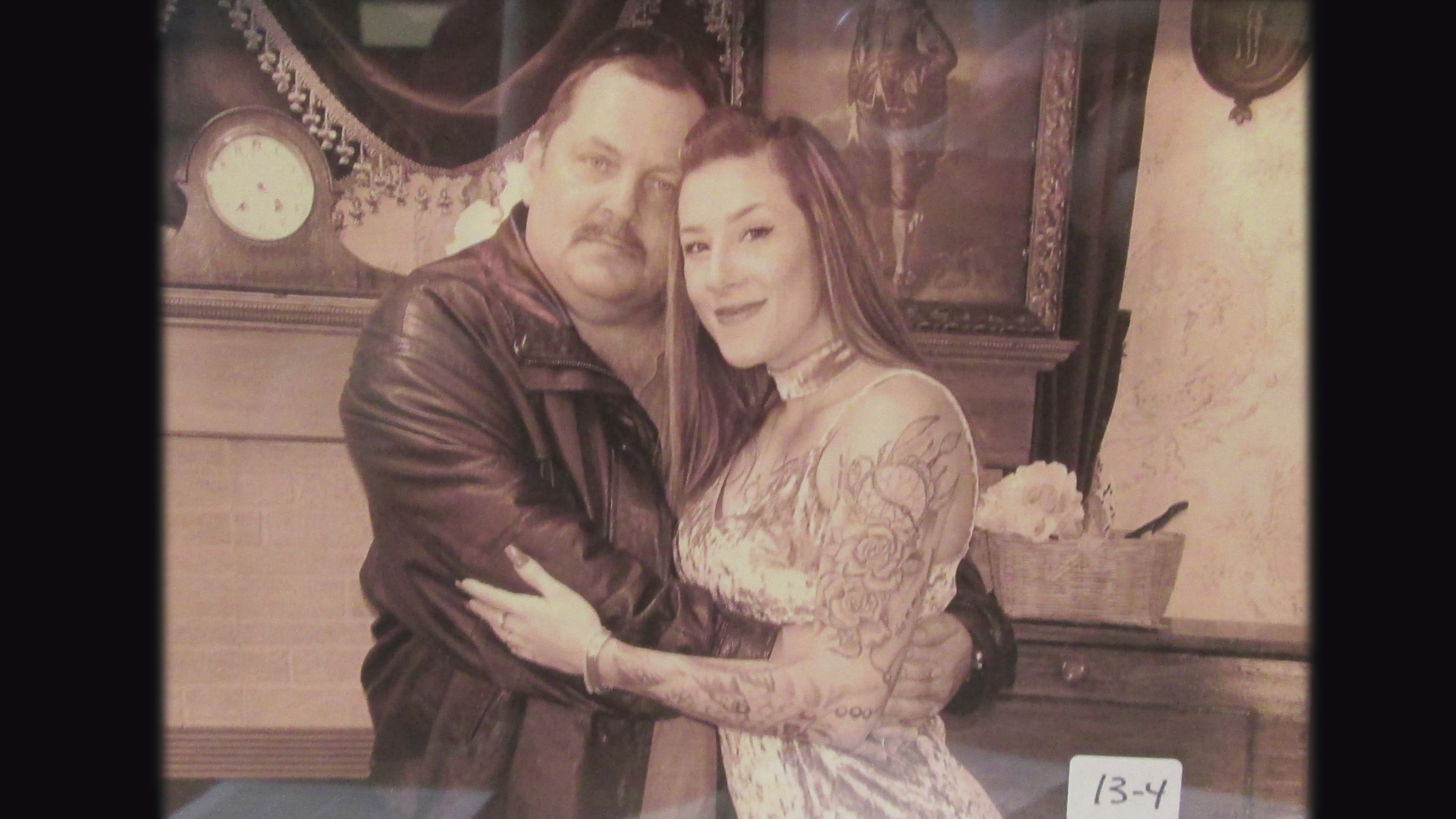
Aubrey Trail and Bailey Boswell —Courtesy of Hulu
Boswell’s social media apps were just the beginning of the disturbing investigation. Boswell turned out to be part of a couple with Aubrey Trail, 51, a self-declared vampire. The duo shared an apartment and both had extensive criminal histories, including theft and financial scams, across various states. Loofe was just one of the many targets that both Boswell and Trail had found on Tinder to try to lure into their makeshift “coven” under a cult-like manifesto.
A trio of women in their early 20s, all of whom have chosen to remain anonymous, testified in court and later in Swipe Right on the Devil that they had each met Boswell on Tinder, and were soon also introduced to Trail. They were showered with expensive clothes, spa treatments, and drugs, and given weekly allowances ranging from $150 to $200. The cost? Participating in group sex with Trail (“Daddy”) and Boswell (“Mommy”), while also helping the couple sell stolen goods. The women each testified that Trail would call himself a “vampire,” and claim that he had supernatural powers such as being able to fly and read minds. Trail also told the women that they were all now “witches” belonging to his cult, with Boswell as their leader.
Both Trail and Boswell claimed they were practicing witchcraft and black magic with required ritualistic violent acts to gain entry to their coven. Trail told the members of the “coven” that they would have to torture someone and complete a killing in order for him to gain more power as their messiah; he also wanted to film the murder and share the profits of the snuff film with each of them. The women claimed they left Trail’s cult shortly thereafter in November 2017, right before Boswell lured in Loofe.
After authorities discovered that Trail was connected to Boswell, they searched the couple’s home and found a BDSM dog leash, duct tape, “a sauna suit with the crotch cut out, zip ties, a hatchet, a plastic drop cloth smeared with blood, and a book on anatomy.”
In the trailer for Swipe Right on the Devil, one of the women claims that Trail told her after meeting on Tinder that he and Boswell “knew witchcraft and had 12 women [and] needed a thirteenth to complete the coven.” Another survivor describes how Trail had “rules” for the coven which included being naked while around him and allowing him to watch lesbian encounters. The documentary features a segment in which one of the women tells an officer that to be in the “the inner circle,” he said she would “have had to kill somebody and take their soul.”
“While this is fundamentally Sydney's story, it's also about the other young women manipulated by Aubrey Trail and Bailey Boswell at a vulnerable time in their lives, when they were searching for something universal: love and connection,” says Biegel. “They spoke candidly about the challenges of finding queer relationships in their conservative Midwestern communities, and how Bailey exploited that loneliness through Tinder. Once drawn into their world, they found themselves trapped in a disturbing web of manipulation, witchcraft, and demands to kill as a path to supernatural power.”
Biegel’s fellow executive producer and Imagine Documentaries executive Christopher St. John addsthat the team behind docuseries was “struck by the bravery of the three women who tell their stories at the center of this series.” St. John continues, “They lived through such an incredibly traumatic experience, but they still believe it’s valuable to share the story, whether in court or on camera.” He says the team elected to tell the story in three episodes because they had too much material to do the story justice in a feature-length film, and even still, there were elements that didn’t make it into the final cut. “Hopefully, viewers will really get an accurate sense of their thinking and where they were during this intense period of their lives.”
A swift confession before a tumultuous trial
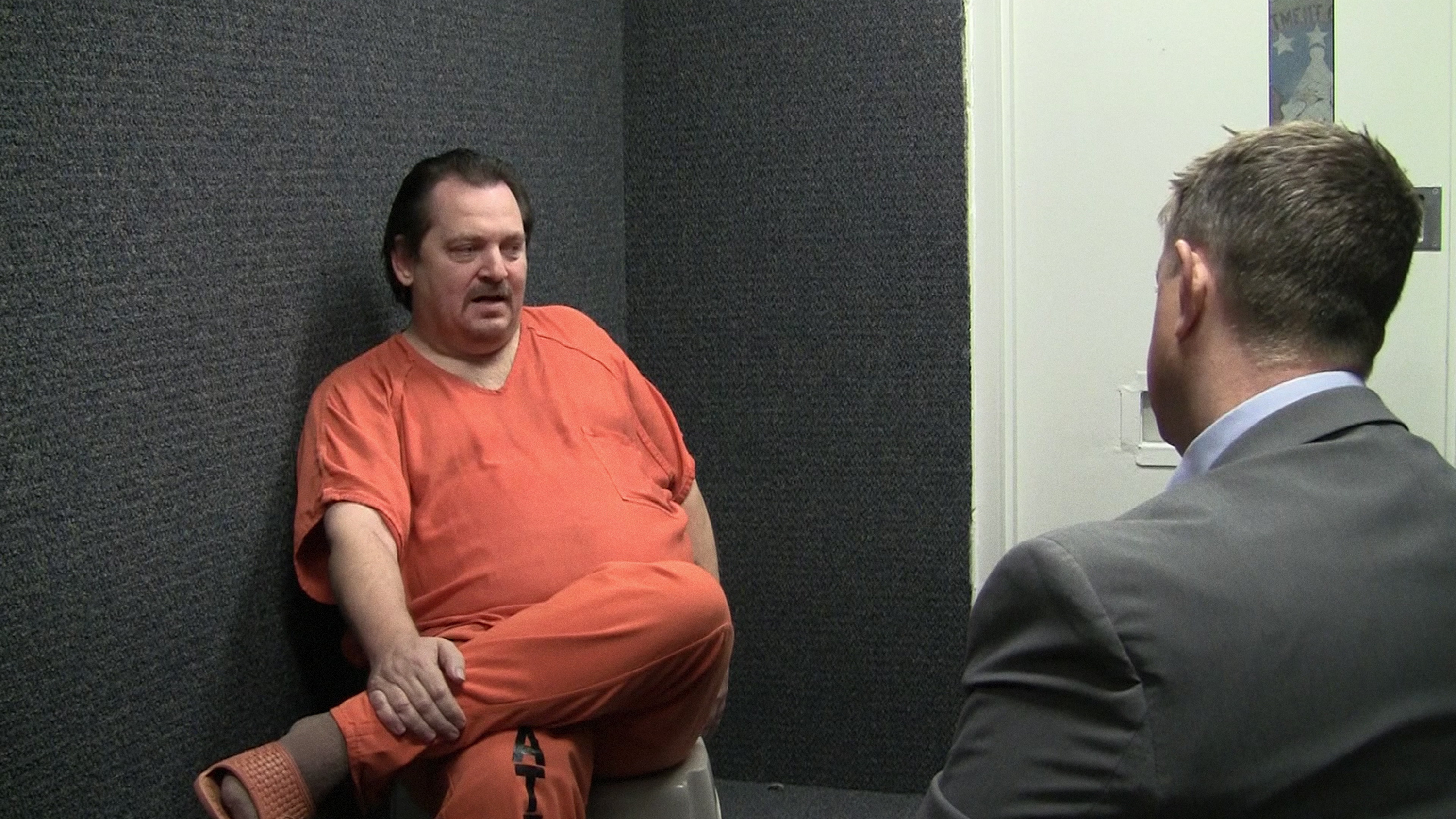
Aubrey Trail during questioning —Courtesy of Hulu
Trail confessed to Loofe’s killing right away, but maintained that her death was an accident. He told the police that he had engaged in consensual BDSM acts with Loofe and two other women, with the participants paying him $15,000 to film. Trail said that he had strangled Loofe with an extension cord during an erotic act and did not intend to kill her. Following her death, Trail dismembered Loofe’s body to avoid getting caught. He emphasized that Boswell was not part of the crime at all. During messages uncovered throughout the investigations, Trail is shown telling Boswell that he should be the one taking all the blame, and that she should change her narrative to come across as another “victim.”
During the three-week trial, Trail yelled out in court that Boswell was “innocent” and then slit his throat with a shank; the trial was put on hold as he was rushed to the hospital and recovered. Trail also suffered from two heart attacks and a stroke over the course of the case being presented to a jury. He changed his story during the trial, telling the jury that he killed Loofe out of fear that she would “expose my lifestyle.”
Trail was found guilty on all counts of first-degree murder, conspiracy, and improper disposal of human remains. He was sentenced to death on June 9, 2021. Trail currently is on death row and petitioned the state of Nebraska in August 2023 to set his execution date; Trail is 10th in line on death row for the state. The first and only execution via lethal injection in Nebraska took place in 2018, with the execution of convicted murderer Carey Dean Moore. Trail’s appeal in 2025 was denied.
It was during Trail’s time on death row that he started to open up to Swipe Right on the Devil filmmaker Biegel. Over the course of a year, Biegel sought to gain Trail’s trust and participation. “Ultimately, that persistence gave us something rare in true crime: 360-degree access to the story, allowing us to explore its many layers and conflicting perspectives,” explains Biegel.
Boswell stood trial in September 2020. There was ample physical evidence for the case against her, including DNA found on a latex glove that was in the same trash bag as Loofe’s remains. Boswell was found guilty on all counts of first-degree murder, conspiracy, and improper disposal of human remains in October 2020, and was sentenced to life imprisonment in November 2021.
“I don't see Swipe Right on the Devil as another true-crime retelling. It's a discovery of a mystery, unfolding for the first time through the firsthand accounts of those who lived it,” says Biegel. “This isn't a whodunnit: It's a whydunnit. What really happened to Sydney Loofe, and why? The series explores the unsettling collision of ancient witchcraft beliefs and modern digital dating culture. [These are] two killers who, by their own accounts, would have continued killing had they not been caught so soon.”
Loofe's legacy
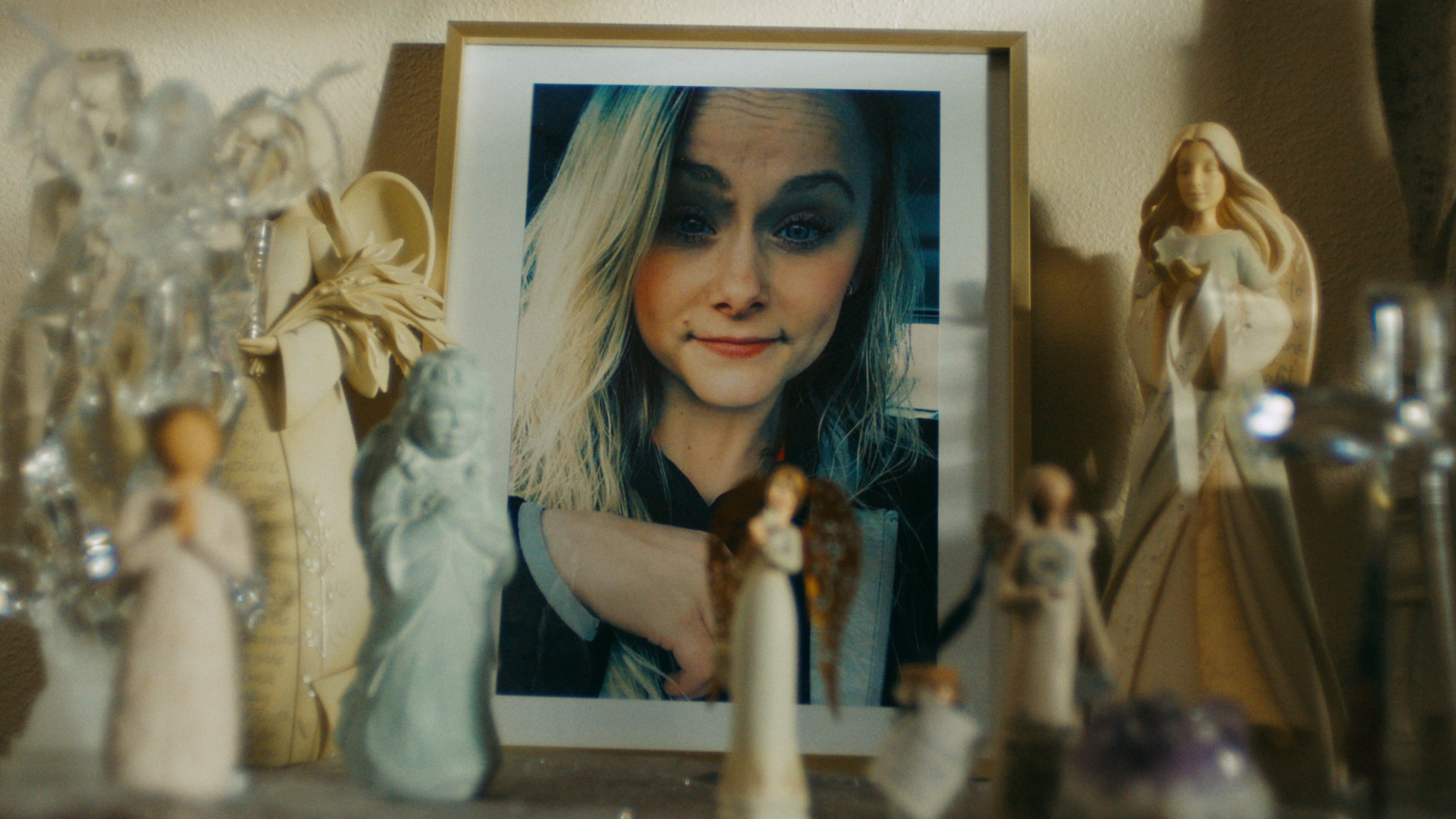
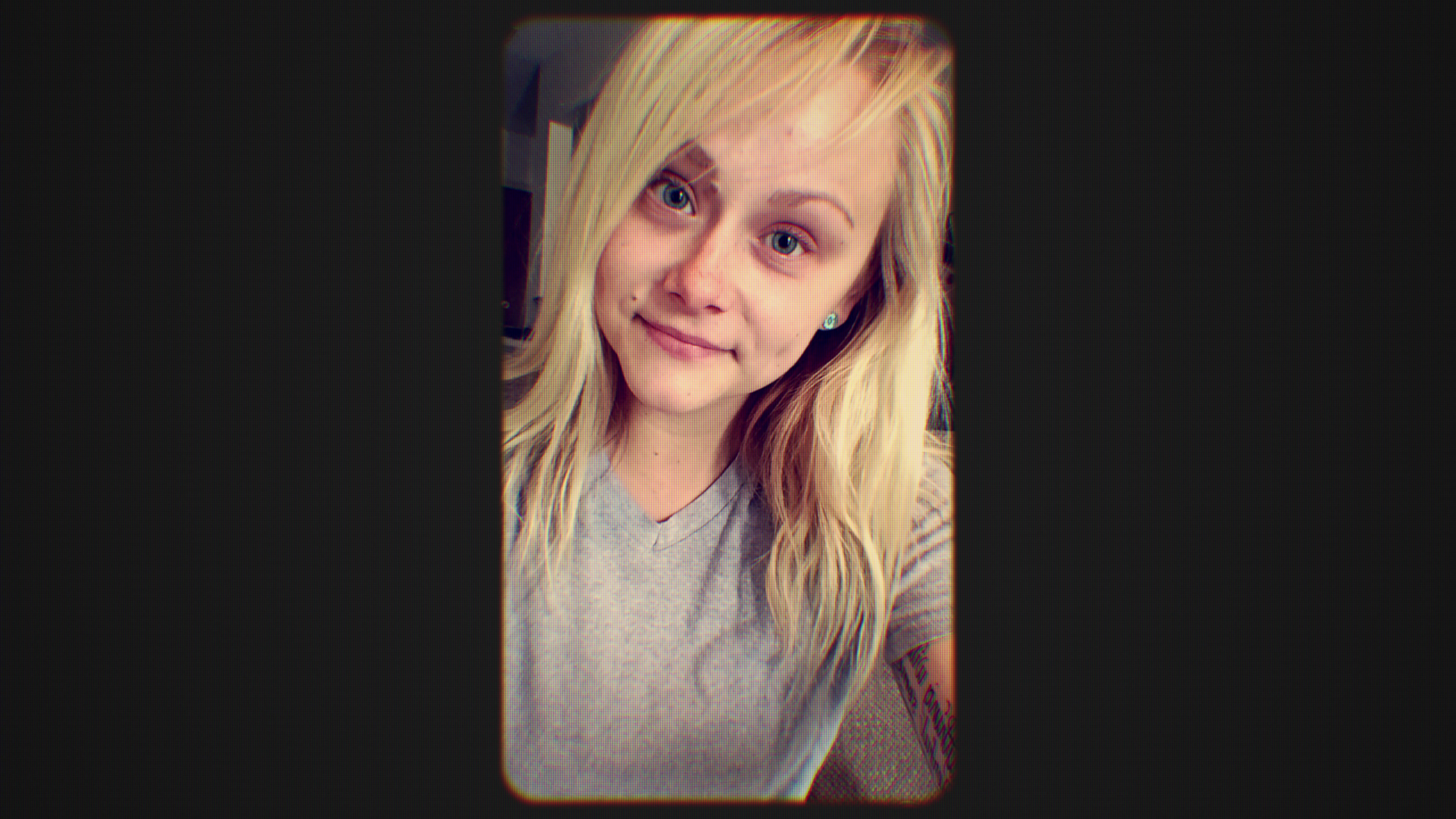
Sydney Loofe —Courtesy of Hulu
Sydney Loofe’s family launched the Sydney Loofe Foundation in 2019. The foundation has raised more than $30,000 to be awarded in scholarships and $26,000 to be distributed to community causes. “Sydney, with a ‘y,’ never stopped to ask ‘why’ when it came to helping others,” the Loofe family wrote on the foundation website. “Although she often struggled physically, financially, and emotionally, she opened her home and heart to others. And those who knew Sydney knew of her love of family, her affinity for animals and pets (especially cats), her interest in fishing as a pastime, her fascination with beautiful crystals, and her soft heart…Sydney Loofe was a unique child of God, one who proudly had this tattooed on her arm, ‘Everything will be wonderful someday.’ Her family holds tight to the faith that indeed in heaven, that is true.”
Correction, Oct. 22
This story originally misstated the month in which Bailey Boswell was sentenced to life in prison.It was November 2021, not July 2021.
Nearly two dozen farms across the country are featuring a Dolly Parton themed corn maze this fall. ABC News' Reena Roy takes us along as she finds her way through one of them in New Jersey.

 Login