❌

Reading view

In One Brief Moment All Eternity by Elif Shafak review – what Madame Bovary thought of Flaubert

This audacious portrait of the French author through the eyes of his women is Shafak’s love letter to literature in dark times

In Frantumaglia, her collection of essays on writing and reading, Elena Ferrante writes that she has sometimes dismissed Gustave Flaubert as a “misogynist”, angered by his invention of as callous a mother as Emma Bovary. In other moods, however, she has wondered whether Flaubert allows his female characters to say what “women truly think and say and live but do not dare write”.

Ferrante’s ambivalence is, I think, the most fitting feminist response to Flaubert’s novel. It’s tempting to castigate him as a male writer who kills his female character because he can’t imagine any other end for a transgressive woman; to reproach him for not giving Emma Bovary the profundity of emotion with which Tolstoy imbues Anna Karenina. But this isn’t the whole story, because Flaubert was so complex a figure: restlessly self-doubting even as he more than held his own in an age of cocksure egos; ecstatically happy in his solitary states of aesthetic creation precisely because they could throw him outwards into other people’s stories and minds.

Continue reading...
© Photograph: Collection Christophel/Alamy
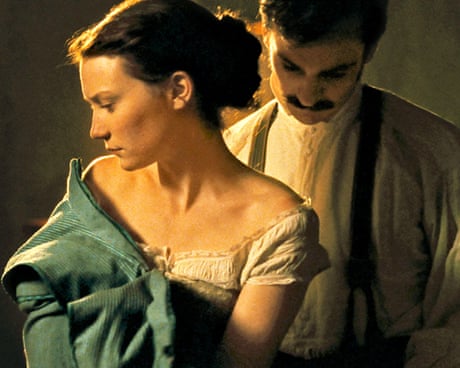
© Photograph: Collection Christophel/Alamy
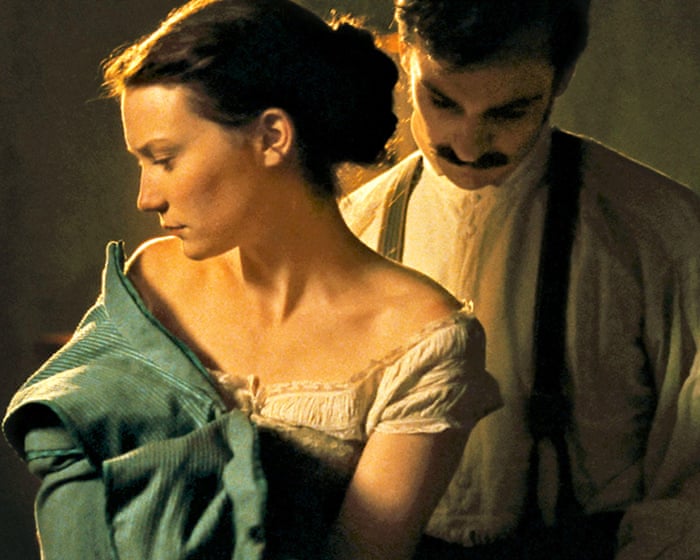
© Photograph: Collection Christophel/Alamy


  •  
  •  

Time Being by Jude Cook review – a smart existential tale of midlife

A fatal mistake sparks this juicy melodrama, in which a philosophy professor navigates the guilt of being a survivor

What if, battered by cancer and cancer treatment, you decided to end your life? And what if it went wrong and you lived, but a friend died in your place? Would you tell the police the truth? Or reason that there’s no point punishing your grieving, bruised self any further, especially when – in the first bit of good news you’ve had for years – you learn that your treatment may finally be working?

It’s the kind of moral question that London philosophy professor Esther Luck loves throwing at her students. But Jude Cook’s third novel makes the dilemma bracingly personal. As it opens, Esther, who has ovarian cancer, is waiting in a toilet cubicle on the fifth floor of her university building – the only one without CCTV – for the arrival of her dodgy French ex, Michel. He has agreed to shoot through the door and end her misery. But someone else arrives first. Laura is the department’s fragrant superstar, with her BBC presenting gig and handsome barrister husband. She finds an empty stall, Michel gets the wrong door, and Esther is left guilty, panicked and alone on the loo as Laura’s blood pools on the floor.

Continue reading...

© Photograph: Sarah Raymond

© Photograph: Sarah Raymond

© Photograph: Sarah Raymond

  •  
❌