Frontline near Russian-occupied city in southern Ukraine quiet for first time in years ahead of planned evacuation
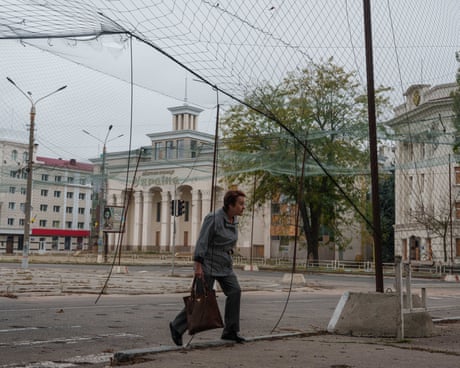
A local ceasefire in a southern Ukrainian city under Russian occupation appeared to be holding on Tuesday, with both sides ceasing drone attacks ahead of an apparent evacuation of about 2,000 trapped and desperate civilians.
The temporary truce began at 3am in Russian-controlled Oleshky. The city sits on the Dnipro River and is about 3 miles (5km) from Kherson, a larger city on the opposite bank. Ukrainian troops recaptured Kherson in autumn 2022.
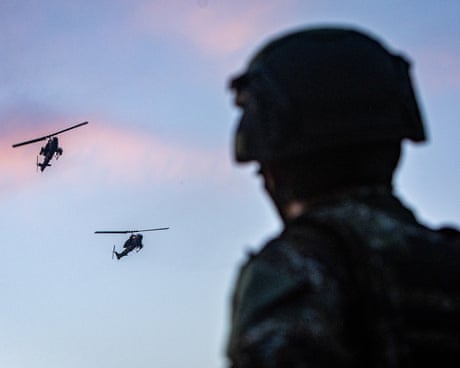
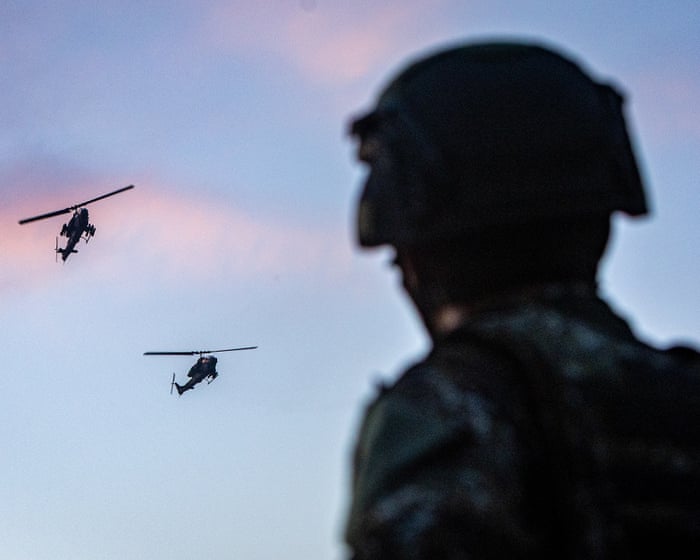
The U.S. Army is training Apache pilots to shoot down drones as militaries around the world assess the efficacy of 20th-century technologies in a new era.
Much has been said about how Ukraine should treat Russian prisoners of war. Less attention has been paid to the emotional struggle for the Ukrainians tasked with that work.
A foreign affairs expert’s bleak assessment of the state of global security
Are we on the brink of a new world war? This bleak subject is increasingly invoked by leaders, soldiers and officials, from Donald Trump to Vladimir Putin to the heads of our military and intelligence services. It’s an urgent theme, then, for the FT foreign affairs columnist Gideon Rachman to explore in his latest survey of global diplomacy. Rachman draws his title from the expression, sometimes attributed to Trotsky: “You may not be interested in war, but war is interested in you” – the idea being that conflict doesn’t much care whether we like to think about it or not: it will come knocking on our doors regardless.
Clearly, humanity is in a particularly unsafe spot right now, but seeing our security issues laid out like this, catalogued and mapped and analysed, they seem almost overwhelming. To summarise: the most powerful, nuclear-armed states – the US, China and Russia – are led by unscrupulous, self-dealing “strongmen”, each of whom is playing with the nationalist “Great Again” politics epitomised by Trump. Democracy is being rolled back around the world, and even bastions of liberalism such as the UK, France and Germany seem vulnerable to takeover by the Putin-friendly far right. The so-called rules-based international order and its institutions – the UN, the WTO, Nato – are being deliberately undermined by the aforementioned strongmen, and are as weak now as they have ever been.
The comments came after the disruption in the country’s satellite service. Earlier, Ukraine said drones using Starshield, the Pentagon-funded service, were back to normal speeds.
The United States once declared that Ukraine’s fight was the front line in a global battle for freedom. Now the Trump administration is sending money to Moscow.
Oil drilling rigs in Prudhoe Bay, Alaska. The Polar LNG plan called for the company to tap into the giant load of natural gas available in the state’s northern reaches.
Senators have warned the White House they will withhold confirmation votes until the administration ensures the restoration of communications capabilities used by Ukraine’s military.
Representative Brian Fitzpatrick, Republican of Pennsylvania and a former F.B.I. agent who worked on Russian counterintelligence in Kyiv, said he doubted the communication problems were accidental.
Donald Trump speaks during an RNC fundraising event at Mar-a-Lago on October 16, 2026. | Eric Lee/Getty Images
This story appeared in The Logoff, a daily newsletter that helps you stay informed about the Trump administration without letting political news take over your life. Subscribe here.
Welcome to The Logoff: President Donald Trump is cozying up to Russia again.
What’s happening? On Wednesday, Russia released an American prisoner, 74-year-old retired teacher Stephen Hubbard, back to the US. The US, Trump said in a social media post, “out of respect for President Trump, was not required to give anything in return.”
Hubbard’s release is unquestionably good news. But Trump is wrong: In just the last month, his administration has delivered for Russia in more ways than one, often inexplicably and despite bipartisan condemnation.
What is Trump doing for Russia? Late last week, he waived upcoming economic sanctions on Russia that he had only recently signed into law after they passed Congress with overwhelming bipartisan support. He also:
Announced — seemingly without talking to either party — a Russia-Ukraine “energy ceasefire” favorable to Russia (which has since fallen apart);
Temporarily interrupted US intel sharing with Ukraine and played a role in interfering with Ukraine’s access to Starlink, which helps power the country’s drone warfare against Russia; and
Called on Ukrainian President Volodymyr Zelenskyy to be replaced.
Last month, Trump also invited Russian President Vladimir Putin to the annual G20 summit later this year, which would mark Putin’s first appearance since 2019.
What does Trump get out of all of this? There’s Hubbard’s release, but taking that on Trump’s own terms (muddled though they are), the US didn’t give anything to secure it — which means that all of those favors have amounted to not much at all, other than papering over Russia’s role as an international bad actor and breaking with US allies in Europe.
Why does this matter? Trump’s Russia embrace comes at an awful time for Ukraine, which, as the New York Times reported earlier this month, is facing a Russian campaign to “freeze Ukrainians into submission” as winter approaches. Nevertheless, on Wednesday, Trump envoy Steve Witkoff called Putin a “humanitarian.”
And with that, it’s time to log off…
I was delighted to learn about the US’s new national park yesterday, its 64th. Chiricahua National Park — until Tuesday, only a national monument — is the first new park in six years. Located in southeastern Arizona, it’s also called the “Wonderland of Rocks,” according to the Washington Post; you can read more about it here with a gift link.
Have a great evening, and we’ll see you back here tomorrow!

 Login