 Login

Lab testing giant Quest Diagnostics confirms patients’ personal and health data was compromised during breach
Quest is the latest in a series of healthcare technology companies that have been hacked in recent months.

Case filed in 2022 by patient unable to afford medicine leads to cap on drug prices for millions who face ruin if diagnosed
The Indian government has moved to reduce the price of cancer drugs after a retired bank clerk took her case to the supreme court.
From next month, 137 cancer drugs in India will be cheaper as the government tries to tackle the tragedy of poorer patients either forgoing treatment, selling land or falling into debt to meet the high cost of some medicines, which are making large profits for hospitals and pharmacists.
Continue reading...
© Photograph: Rupendra Rawat/Alamy

© Photograph: Rupendra Rawat/Alamy

© Photograph: Rupendra Rawat/Alamy

Moderna and Merck reported on Oct. 22 that a customized cancer vaccine for people with late-stage melanoma can reduce the risk of cancer recurrence or death over two years by 42% compared to current treatment.
The results will be presented at the European Society of Medical Oncology meeting in Madrid on Oct. 24.
The study involved more than 1,130 people with Stage 2B to Stage 4 melanoma, all of whom had their tumors surgically removed. Some were then randomly assigned to have a cancer vaccine custom-made after their tumors had been genetically sequenced. They received that vaccine, called intismeran, once every three weeks for up to nine doses, along with Keytruda, a checkpoint inhibitor, every six weeks for up to nine cycles, for about a year. Others were randomly assigned to receive a placebo vaccine and Keytruda.
Intismeran, developed jointly by Moderna and Merck, represents a new way to harness the immune system in cancer, by training immune cells to recognize 34 specific proteins on tumor cells. The mRNA coding for these proteins, or antigens, are encased in a lipid particle in a similar way to Moderna’s COVID vaccine, which used mRNA from the COVID virus’ spike protein. Using this mRNA approach, once cells start making the foreign proteins coded for by the mRNA, the immune system sees them as intruders and mounts a response against them—and the latest data show that the approach works not just against viral proteins but also against those found on tumors.
Keytruda contributes a key part of the response by removing the brakes that keep immune cells from recognizing and attacking tumor cells because they originate from normal "self" cells.
“I was surprised by the fact that the results replicated the Phase 2 [study] so closely,” says Dr. David Berman, chief development officer at Moderna, referring to an earlier stage study the companies released in June that the combination lowered the risk of cancer returning or death by 49% over five years. That study also reported that the therapy lowered the risk of the cancer spreading to other sites by 59% compared to the checkpoint inhibitor alone. “This Phase 3 [study] included a much broader population, so the hypothesis was that the treatment effect would be harder to see. There was a lot of suspicion going in that these results would not be as good as those in the Phase 2. But the fact that they reproduced almost exactly what we saw initially in the Phase 2 blew my mind.”
The companies report that the effect seems to start six months into the therapy—an important insight in understanding how immune-based approaches may work in cancer. “We think it’s because the immune system takes time to be activated,” says Berman. That includes making sure that immune cells like T cells, which are critical to recognizing and controlling cancer, have time to learn to detect tumors. Berman says these results could also help to explain why only about 30% of cancer patients respond to the checkpoint inhibitors, a powerful new tool in cancer that allows immune cells to see tumors rather than thinking they are "self" cells and therefore not foreign. “This shows us that in a significant percentage of patients, the checkpoint inhibitors are not doing anything because the immune system hasn’t even been educated to recognize the cancer cells,” he says of the potential role that the mRNA-based intismeran may play. “That’s where we now need to focus—on how to better educate the immune system. It’s a big leap, a big piece of information, that there is now another way to educate the immune system to recognize cancer.”
Data on overall survival of people on the combination therapy isn’t available yet.
Moderna and Merck are studying the intismeran-Keytruda pairing in other cancer types in nine other studies, such as pancreatic and gastric cancer, as well as in three late-stage trials of non-small cell lung cancer. They are also exploring the role of using intismeran alone in an early study in lung cancer.
Traditionally, personalized therapies have not been practical as medical treatment because of their high cost and long timeline to develop. But Berman is confident that the bespoke process of making an individualized mRNA cancer vaccine for each patient is both scalable and potentially affordable. “We have scaled down the technical footprint and have plans to scale up [the program] to look at different tumors,” he says. “The nice thing about the [mRNA] system is that it’s purely enzymatic, so no cell cultures need to be grown.” Another advantage of using mRNA is its speed—scientists at Moderna can develop a customized vaccine based on a patient’s tumor within weeks—critical for any patient with cancer.
Correction, Oct. 23
The original version of this story misstated the length of time of a study that showed a 49% reduction in recurrence of cancer. It was over five years, not over a year.


Americans are furious about the state of our healthcare system.
A recent KFF poll found 60 percent of US adults worry about the cost of medical care — more than gasoline, food and groceries, or their rent or mortgage. One in three Americans say they worry every day or almost every day about their ability to afford healthcare, per a new survey from the Pew Research Center. There seems to be a growing appetite for reform, too: More than 65 percent of Americans say they support the government spending more tax dollars to lower healthcare costs.
Democrats are trying to weaponize those frustrations against the Republicans who currently hold Congress and the White House. By a 2-to-1 margin, voters say they trust Democrats over Republicans on healthcare. That could mean single-payer Medicare-for-all or a new public insurance option or maybe something else. What all this energy leads to will depend on what happens in November. The candidates themselves are framing the stakes in those existential terms.
Our political wellness landscape has shifted: new leaders, shady science, contradictory advice, broken trust, and overwhelming systems. How is anyone supposed to make sense of it all? Vox’s senior correspondent Dylan Scott has been on the health beat for a long time, and every week, he’ll wade into sticky debates, answer fair questions, and contextualize what’s happening in American health care policy. Sign up here.
“Medicare for all is where we need to go,” Abdul El-Sayed, the Democratic candidate in the Michigan Senate race whose support for the policy has been widely covered, said during an August interview with CNN. “And my hope is, both coming out of the 2026 midterms and then out of 2028, that we’re going to be on our way to a Senate majority to be able to get this done.”
Real change will have to wait for the 2028 presidential election and a new occupant in the White House. But this year’s midterms are still a make-or-break moment: The candidates who get elected this year, and how they shape the upcoming presidential primary debate and actions in Congress, will determine whether healthcare reform happens at all.
If you’re fed up with the state of American healthcare, and you want to see a change, you should show up for the midterms on Tuesday, November 3.
The classic pattern in American elections is that more voters go to the polls during presidential campaigns than during the midterm elections when only House and Senate seats are on the ballot. Turnout has started to tick up for the midterms in recent years, but it still trails behind presidential years. Midterms suffer from the perception that there’s not as much at stake if the White House is not on the line.
But that’s never been strictly true.
Midterm elections are extraordinarily important in shaping the future of policymaking, even if the payoff is delayed. They help determine both the character of the Congress that could eventually pass a major bill after the next presidential election, and the kind of ideas and policies that are going to be prioritized.
“Voters should see 2026 and 2028 as the elections that will guide the next big change in our healthcare system,” said Natalie Davis, CEO and co-founder of the advocacy group United States of Care, in a statement to Vox. “These elections will be how voters’ demands are heard — and will tell us whether the next real window for change will come with serious reforms or missed opportunity.”
A walk through the recent history of healthcare reform should help make the stakes of the 2026 elections clear.
In 2006, the national mood looked similar to what we’re seeing today. A very unpopular Republican president was in office, and the country had soured on his agenda. George W. Bush’s foreign wars and his misguided attempt to overhaul Social Security gave Democrats an opportunity to win big in the 2006 midterms — and they did. Dems won more than 30 seats and secured a comfortable majority in the House. In the Senate, they won six seats and narrowly took control of that chamber too.
It was a resounding rejection of the Bush administration, and it set up the next decade of Democratic policymaking. At the highest level, the midterms gave energy to the progressive wing of the Democratic Party, united as they were around their opposition to the Iraq War, and that energy carried over to the presidential primary. Barack Obama defeated Hillary Clinton and won the presidency, springboarding off of the excitement that started with the 2006 elections.
Dems’ success in the midterms also helped put lowering healthcare costs at the forefront of the Democratic agenda. That encouraged both Obama and Clinton to develop detailed healthcare policy proposals during their primary campaigns and ultimately set the stage for the Democrats to pursue the Affordable Care Act once they had full control of the government in 2009.
And then there is the literal size of the congressional majorities that parties need to pass their agenda. Voters may not spend much time thinking about whip counts, but one or two elections in a midterm year can ultimately decide the fate of the next president’s agenda.
Part of the reason Democrats were able to pass the ACA was that they built on their huge wins in 2006 with more wins in 2008 and held massive congressional majorities once Obama was sworn in. And once the debate over healthcare reform really got started, they needed every single vote. It was especially important in the Senate: Democrats had exactly 60 votes in 2009. That meant if all of them united together, they could pass filibuster-proof legislation — so long as nobody defected. That was only possible because in 2006 Mark Pryor won a Senate seat in Arkansas, Sherrod Brown triumphed in a Senate race in Ohio, and Jon Tester beat an incumbent Republican in Montana.
Without those wins in 2006, the Democratic legislative agenda in 2009 would probably have looked different. They might’ve had to pursue a more limited healthcare reform plan; maybe the ACA wouldn’t have passed at all.
The 2006 midterms both created the opportunity for the ACA — and set the limits on what the legislation could actually achieve. Democrats had that 60-seat Senate majority, but within it were many more moderate members. Policies like the public option (which would have authorized the government to create its own health insurance plan to sell alongside private insurance) couldn’t get sufficient support. That is the dilemma of policymaking: You need those swing-seat members to win, which often means tacking to the center, but you also can’t pass anything they won’t get on board with.
Nevertheless, that is a good kind of political problem to have, one which Democrats would be thrilled to face in January 2029. All of which brings us to 2026. What are we going to do now?
It all starts with the vote count. Most projections expect the Democrats to win between 10 and 20 House seats. But the difference between 10 and 20 could be substantial. The cushier the majority, the further you can push the policy agenda. More than 30 House Democrats actually voted against the ACA, but they could still narrowly pass the bill because of the huge majority that they had started building in 2006.
If you live in one of the districts — like Arizona’s Sixth or Colorado’s Eighth or Florida’s 22nd, to name just a couple of the 21 toss-up races identified by the Cook Political Report this year — that forecasters say is competitive this year, you could have an outsized say in what the future of policymaking looks like. But even in safe districts, you should vote: Elections are the most reliable way we have to gauge public opinion, and strong victories for the candidates who prioritize healthcare send a message.
The same goes for the Senate. If Democrats sweep all of the competitive races, they could have up to 55 seats in the Senate in 2027 — with a chance to build on it in 2028. If you are a voter in Kansas, Michigan, Ohio, Texas, Alaska, Maine, New Hampshire, or Iowa, your ballot carries extra weight for the next steps in US healthcare reform. If the Democrats can reach 60 votes again in 2029, they would have much more flexibility about what to pass. Even if they fall short of that magic number, the more of a cushion they have above 50, the more likely that their Senate leaders can find support for altering Senate rules for the filibuster and get an ambitious bill approved.
If there is ever going to be a path to a true healthcare overhaul, it starts with this year’s elections. If you want to see a change, you can vote — and you can do more than that.
The results of this year’s midterms will also set the terms of the debate among Democrats. We are likely to see “show” bills advanced by Dems next year that may have no chance of being signed by President Donald Trump, but that will give us a sense of what kind of policies the party wants to pursue and how much support there is for them. Believe it or not, the first Medicare prescription drug negotiations bill passed the House in 2007 after Democrats’ big wins in 2006 — even though the policy didn’t become law for another 15 years. The broader public may not pay much attention to this kind of doomed-to-fail legislation, but it is often a window into the future.
“One challenge for Democrats is finding the next big health care idea beyond the Affordable Care Act that will resonate with voters and respond to their affordability concerns,” said Larry Levitt, executive vice president for health policy at KFF. “One big difference between now and 2006 is that back then there was already a lot of coalescing around ideas that ultimately led to the ACA. All the major Democratic candidates for president in 2008 supported something like that. I’m not sure that’s true now, at least not yet.”
Democrats are already aligning on a wide range of healthcare ideas, from reviving the public option to free primary care to the full-blown Medicare-for-all supported by progressive candidates, some of whom are in competitive elections. If El-Sayed wins the Senate race in Michigan, for example, that could supercharge a debate around Medicare-for-all. It could also provide momentum to any progressives who run for president — Alexandria Ocasio-Cortez, to name one obvious example — and decide to make Medicare-for-all a pillar of their platform.
But if El-Sayed and other progressives were to fall short, that could make Democrats more timid about being ambitious in the 2028 campaign and afterward. Still, he’s far from the only candidate in a crucial race to put their support behind Medicare-for-all. There is Randy Villegas in an important California House race. Troy Jackson has bet on it as part of his bid to topple Sen. Susan Collins in Maine. All of these races will send a signal to the party about what the public wants and is willing to turn out for.
In some ways, winning elections is the easy part. Legislating is hard, and any eventual healthcare law will surely involve compromises and unexpected surprises. Who knows what will be happening in the world in 2029?
“The bottom line is: 2026 is a healthcare election,” the leaders of the advocacy group Protect Our Care wrote in a campaign memo this month. “After November, it’s up to Democrats to keep up the fight to deliver relief to families and make healthcare affordable and accessible for every American.”


Amber Kostka, who owns The Stockpot restaurant in Hampton Roads, Va., says she has tried to do right by her employees by offering them health insurance, alongside good wages and a 401k.
But as costs have risen—premiums have roughly tripled since the company first started offering health insurance in 2018—her employees are increasingly telling her they can’t afford health insurance. That’s even though she splits the cost of premiums with employees, which are roughly $400 a month.
Instead, employees are dropping out of the plan and going uninsured, she says. About 35% of her eligible employees now buy the employer-sponsored health insurance, she says, down from 50% prior to COVID. She wants to warn them about the risks of going without insurance, she says, but also knows their finances are extremely tight. “It’s just a cost thing, at the end of the day,” she says. “You can’t stop paying for groceries.”
Her employees aren’t alone. The share of working-age U.S. adults without health insurance rose to 11.2% in 2026, up from 8.9% in 2024, according to new research from the Commonwealth Fund. People don’t have health insurance because the costs of everything—including gasoline, housing, and food—are rising, and they’re deciding they can’t afford to pay for even employer-sponsored plans like Kostka’s. “The whole system just seems like a complete gamble with people’s lives,” she says.
Some people are looking at the price of plans on the Affordable Care Act marketplace and deciding they can’t afford health insurance. Premiums on the ACA marketplaces increased by an average of 58% in 2026 after Congress decided last year not to renew expiring subsidies.
Ironically, these uninsured Americans may be helping drive the cost of health care even higher, fueling a cycle in which health insurance gets more expensive, forcing more people to drop coverage. As hospitals field more uninsured patients, they have to pass the costs of uncompensated care onto someone. “When providers have to provide a lot of uncompensated care, how do they make themselves whole? They raise prices,” says Beth Umland, director of employer research for Marsh, the health benefits consultant company formerly known as Mercer.
Of course, having more uninsured Americans isn’t the only reason costs are rising. A Marsh survey of employers recently found that they expected total health benefit costs per employee to rise 8.2% in 2027, the highest increase since 2003. One reason was that the consolidation of health systems was leading to higher prices, as some systems had monopolies in certain markets. Another was that lower government spending for public health programs was leading to higher costs for private sector plans.
“This is starting to feel—’unsustainable’ is the word you hear,” she says.
Many of the reasons why health care costs are rising may seem minimal until you start adding them up, Umland says. For example, more doctors are using AI scribes in care, which are helping them bill for more services, making care more expensive, she says. A clause of the No Surprises Act, which was passed by Congress in 2020 to protect patients from surprise medical bills but which allows disputes to be settled by arbitration, has also added billions to costs, she says.
There are also increasingly more treatments available for patients, and those treatments are more expensive than the ones they’re replacing, she says. One example: GLP-1s, which may save insurers money in the long run on health costs but which are expensive upfront. “That’s just a whole new category of expense that didn’t exist before,” she says.
In its survey, Marsh found that many employers were planning to pass costs onto employees after years of trying not to do so.
Overall, workers are paying on average about $7,471 annually towards premiums for employer-sponsored family health benefits this year, up 9% from 2025, according to a new employer health benefits survey from KFF. Workers at small firms with less than 200 employees—like Kostka’s—are especially hard hit, paying about $9,687 towards family coverage: $2,847 more than workers in larger firms.
And even as they pay more for health care, the plans available to them are getting costlier to use. The average deductible for employer sponsored plans has increased 34% over the last 10 years, according to KFF.
Kostka says there have recently been fewer health insurers in her area to choose from. Two years ago, she switched from just buying insurance outright for her employees, which many small businesses do, to self-funding the plan. She was able to do this because her employees are relatively young and healthy, she says, making her risk of incurring big medical costs for cancer or a catastrophic illness relatively low.
But she knows she’s just a major diagnosis away from being dropped from the self-funded plan, she says. “It’s a little bit of a gamble right now,” she says.
There are some things employers can do to push back against high health care costs, says Jim Winkler, chief strategy of the Business Group on Health, which published its own recent survey of employers which projected health care costs to rise 9% in 2027, the highest forecast the group has ever recorded.
Some employers are dropping coverage for GLP-1s for weight loss to save money, he says. Others are trying to drive employees toward what are called Centers of Excellence—essentially hospitals or medical practices with high ratings that may save money in the long-term since employees won’t need to return again and again for care. Some employers are also telling employees to try to find cheap, legitimate medications where they can—from sites like GoodRx, for example—and reimbursing them, rather than getting medications from a pharmacy benefit manager.
“We’re just painting a really challenging picture for health care costs,” he says, “which leads employers down the path of needing to find things to do to take action to mitigate them.”
A small number of employers are deciding not to offer health care at all and are instead offering employees cash to buy their own plans through the ACA marketplace. This option, called an ICHRA (Individual Coverage Health Reimbursement Arrangement) is pushed by Republicans, Winkler says, and was introduced during the first Trump Administration.
Small employers, though, often can only choose from available plans, and if there aren’t many, they don’t have much room to negotiate.
It’s a problem facing Mas Torito, owner of Kokoro restaurant in Denver. He spent close to $150,000 in premium payments for his employees in 2025 and is on track to spend $200,000 in 2026. That’s about 2.7% of revenues; most restaurants only have margins of 2-3%.
“Really since COVID, every single year feels like there are these extra pressures on us,” he says.
Kokoro has been in business for 40 years, and some of Torito’s employees have been working at the restaurant the whole time. He suspects that having an older pool of employees is part of what’s driving his health care costs up every year.
“I think they see the number of claims and costs every year going up,” he says, “and that translates into higher premiums.”
Like Kostka, Torito is committed to offering health insurance for his employees, even as his own costs rise. And like Kostka, he’s hearing from more employees that they can’t afford it. Now, only about 40% of his employees buy the insurance, he says.
“I get it,” he says. “The deductible keeps going up every year, the insurance keeps going up. It’s enough where people are really thinking, ‘Hey, do I want insurance or not?’”

Christina Applegate, the actor who has been one of the most visible faces of multiple sclerosis since her 2021 diagnosis, made a stunning revelation this week: She does not have MS after all. And her doctors still don’t know what is causing her debilitating symptoms.
“I’m back at square one,” Applegate told fellow actor Jamie Lynn Sigler, who does have MS, on Sigler’s podcast MeSsy. “I was not happy at all. Everybody else was so happy.”
It is a harrowing predicament for Applegate, and hopefully her medical team is able to get her the diagnosis and treatment she needs. But the fact is, her experience is not unique. Even as more and more Americans get diagnosed with multiple sclerosis, misdiagnosis remains all too common. According to one meta-analysis, roughly 15 percent of MS diagnoses may actually be false positives.
How could such a common medical condition — roughly 1 million Americans are living with the disease, about one in every 350 people — remain such a mystery? After Applegate’s announcement, I called some leading experts on MS to ask why diagnosing the disease is such a challenge, and what they want people to know. Here’s what I learned.
Multiple sclerosis is an autoimmune condition: The body mistakenly attacks cells meant to protect your brain and spinal cord, and the resulting damage interrupts nerve signals and causes the disease’s telltale symptoms of motor impairment, tingling sensations, and vision problems. Some people experience a rollercoaster of relapses and remissions; others see the disease steadily progress, eventually leading to serious disability.
The reality is, scientists still don’t really know what causes MS to develop, said Dr. Andrew Solomon, a neurologist at the University of Vermont who specializes in MS. Smoking is a known risk factor. Obesity and metabolic problems play a role, but we need more research. Even the precise role of genetics remains something of a mystery. “We don’t really know what causes or triggers the autoimmune response in any given individual,” Solomon said.
And that’s where the challenge in diagnosing it begins.
First, the testing can be imprecise; there is not a single test that reliably diagnoses MS. If a doctor suspects their patient may have MS, they usually undergo an MRI, which their physicians then scour for lesions that are typically associated with the disease. But those scans are still subject to interpretation: Other rare conditions sometimes resemble MS in imaging, as can diseases of blood vessels in the brain. You can also receive a spinal fluid analysis to check for abnormalities in your immune system, which the vast majority of MS patients have.
The nature of MS symptoms adds to the difficulty. They can often be vague early on: brain fog or fatigue or a general malaise. The tingling or vision problems can be similar to symptoms for other conditions that are not MS, and they are easily dismissed if they go into temporary remission, as often happens during the initial phases of the disease.
“Neurological symptoms sometimes can be vague — numbness, pins and needles — and it’s usually short-lived,” Dr. Saud Sadiq, chief research scientist and director of the Tisch Multiple Sclerosis Research Center of New York, told me. “Unless they’re taken seriously initially, they may be ignored because by the time the patient goes through the healthcare system and is actually referred to a neurologist, the symptoms have abated.”
If your doctor is diagnosing you with MS, ask directly: What’s the evidence?
One 2025 study by Solomon and his colleagues found that 40 percent of people who had later been diagnosed with multiple sclerosis were initially misdiagnosed with a different disease.
“Because it’s so heterogeneous, it doesn’t present in the same way in everybody and can have varying severity, it can be hard to diagnose sometimes,” Solomon said.
Lastly, when people are experiencing debilitating symptoms, there is pressure to deliver some diagnosis — and that may push some doctors to leap to MS even if they are not sure, Solomon said. The recent advent of effective treatments that help manage the disease’s symptoms, especially when it is caught early, may add to that pressure, even if the better course would be to continue monitoring the person before they start a medication.
“There may be a lot of clinicians who, if they can’t find a better explanation than MS, may be inclined to diagnose MS, even if they don’t really meet our diagnostic criteria, because they’re worried about missing a window of opportunity to treat somebody,” Solomon said.
There is reason to hope the MS misdiagnosis problem could get better. The National Multiple Sclerosis Society released new diagnostic criteria in 2024 that Solomon said more physicians should become familiar with to better distinguish MS from problems like migraines or vascular disease. And because imaging is involved in diagnosis, there is optimism that AI could be a powerful new tool in delivering more accurate results.
The good news is that MS, when diagnosed properly, is a treatable condition these days. “The prognosis with new drugs is extremely good for long-term care,” Sadiq told me. “If patients stick to treatment at a good MS center, you can look forward to a life without disability in 2026.”
So it is worth being vigilant and talking to your doctor if you experience any concerning symptoms. You should seek care if you have numbness or pins and needles that persists for more than 24 to 48 hours, Sadiq said, or have motor problems, like one hand won’t work as you try to play piano. Dr. Annette Langer-Gould, who develops and evaluates programs for MS care at Kaiser Permanente, said numbness in your abdomen, chest or back, as opposed to your extremities, is a particular cause for concern. If one eye has normal vision and the other is blurred, that’s another good reason to get checked out.
If you do get tested, make sure the actual images of your MRIs end up being reviewed by an expert in MS. “The most common reasons the disease is still misdiagnosed are related to the providers’ lack of expertise usually in reading MRI scans,” Langer-Gould said. The spinal tap may sound scary, and doctors sometimes don’t recommend them because their insurance reimbursement is low — but they add to the confidence of a diagnosis. They are worth it, she said.
“American patients are very afraid of the spinal tap,” Langer-Gould said. “My message to patients is: Listen, just get the spinal. This way we’ll be sure.”
And do not be afraid to seek a second opinion for such a serious diagnosis, Sadiq added. Every state has a recognized MS center. If your doctor is diagnosing you with MS, ask directly: What’s the evidence? If your doctor is recommending that you start treatment, it could also be worth checking whether they have a relationship with a pharmaceutical company that affects how you perceive their judgment, Langer-Gould said.
People who have already been diagnosed may also be shaken by the Applegate news and question whether their own diagnosis might be wrong. Solomon said that folks should have a frank conversation with their physician about how exactly their case met the diagnostic criteria. With proper imaging and the spinal fluid tests, you can get to a confident diagnosis for the vast majority of people. But be your own advocate to make sure you’re satisfied.
“For many people, the diagnosis actually can be very straightforward,” Solomon said. “We really have no question about what it is.”

Immune-based treatments for cancer have become the biggest new advance in tackling tumors, and the latest approval could make a big difference for some people with rectal cancer.
On Oct. 19, the U.S. Food and Drug Administration (FDA) approved dostarlimab (brand name: Jemperli) to treat a specific type of rectal cancer called microsatellite instability-high (MSI-H)/mismatch repair deficient cancer. This cancer is caused by the accumulation of certain genetic mutations that prevent rectal cells from repairing DNA damage and accounts for 5-10% of rectal cancers. In a study of 154 people with this type of rectal cancer who were treated with dostarlimab, 68% had a complete clinical response at one year, which meant doctors could not see evidence of tumors on imaging or other methods for tracking the tumors. In the study, which the drug's manufacturer, GSK, submitted to the FDA, people received nine infusions of the drug: once every three weeks for six months.
“Not only did they reach clinical complete response, but they maintained that for a year,” says Dr. Andrea Cercek, section head of colorectal cancer at Memorial Sloan Kettering Cancer Center and principal investigator of the study. (Some of the earliest patients have continued to remain tumor-free for even longer. ) “That really suggests that the response is durable and real.”
Dostarlimab is a checkpoint inhibitor, which means it releases the brakes that hold back the immune system from recognizing and attacking tumors. The drug allows immune cells to destroy cancer, making it a powerful weapon for seeking out cancer cells no matter where they spread or hide.
“We have completely leapfrogged over standard of care with a simple immunotherapy that melts the tumor away,” says Dr. Luis Diaz, head of solid tumor oncology at Memorial Sloan Kettering and one of the trial investigators.
Standard treatment for rectal cancer involves chemotherapy, radiation, and surgery to remove the rectum that requires patients to wear colostomy bags for the rest of their lives. The dostarlimab approval means more patients whose tumors have specific mutations could avoid those aggressive therapies altogether. “We have patients who would have lost the ability to bear children who have had children because this therapy replaced chemotherapy, radiation, and life-altering surgery in one swoop," Diaz says. "That’s a big deal.”
Kelly Spill is one of them. Diagnosed in 2020 when she was 29, shortly after having her first baby, Spill spent nearly nine months trying to figure out why she continued to have constipation and see bloody discharge in the toilet. Because she had recently given birth, doctors first attributed the symptoms to her pregnancy, and when they persisted after delivery, to internal hemorrhoids. It wasn’t until a doctor ordered a colonoscopy that they found a tumor.
“The doctor told me it was Stage III colorectal cancer, and that the treatment plan would include chemo, radiation, and surgery. And that I would never carry another baby again, and would most likely have a colostomy bag for the rest of my life,” says Spill. “It didn’t seem real until I heard the words that I was not going to carry another baby. I immediately stopped thinking about me, and started thinking about my husband and what it meant for my son. We had just started our lives together; we were supposed to have all these kids.”
Sascha Roth also faced devastating news when she was diagnosed with rectal cancer in 2019 after seeing blood in her stool. A resident of Washington, D.C., she had a friend with a similar diagnosis who had received chemotherapy, radiation, and surgery and recommended his surgeon at Memorial Sloan Kettering. Roth assumed she would follow the same strategy, but she learned that she had Stage III cancer and that she wasn’t a good candidate for surgery because the tumor was located so low in the rectum. Her tumor also had mutations that suggested it wouldn’t respond well to chemotherapy.
“It was a double whammy that threw me down,” she says. But the surgeon introduced her to Cercek, who was waiting to hear from the FDA about starting an immunotherapy trial for patients like Roth. “They told me I would be the first patient in the study, and there wasn’t scientific evidence that it would work.” Still, Roth wanted to try. She agreed to become Memorial Sloan Kettering’s first patient on the study, and then spent two months waiting for the FDA to greenlight the trial so she could begin receiving the drug. “I was calling Sloan Kettering incessantly to see if the FDA approved [the study],” she says. “The second the FDA gave its stamp of approval, Dr. Cercek’s team called me to New York to start the first round of treatment less than a week later.”
Not long after that, at Spill's first appointment at Memorial Sloan Kettering to discuss chemotherapy, she learned that the mutations on her tumor made her a good candidate for a study they had just begun. Only three patients had enrolled ahead of her (including Roth), so there was no data on whether it would actually treat her cancer. Spill, who was at the appointment with her mother, decided she had nothing to lose by joining the trial. “If it doesn’t go well, we could go back to option A,” Spill remembers her mother saying.
By her second infusion, Spill felt the tumor was shrinking because she no longer had major constipation. By the fourth infusion, scans showed the tumor had shrunk by 50%. The study originally called for patients to get chemotherapy, radiation, and surgery if needed after six months on dostarlimab. But a nurse pulled Spill’s mother aside after that appointment to tell her that the first three patients in the study did not need any additional treatments because their tumors had disappeared. Following Roth’s results, the study was revised to make chemotherapy, radiation, and surgery an option only if needed: if the tumors hadn’t gone away. It wasn’t a guarantee that Spill would have the same results as those first patients, but “it gave me hope, and all I could think about was maybe I could have another baby,” she says.
After all of her dostarlimab infusions, Spill, too, no longer had any tumor left and was declared cancer-free. Her doctors advised her to wait two years before trying to get pregnant again to ensure the cancer wouldn’t return. Once she was cleared, she got pregnant and gave birth to a girl in 2023, and later a boy in 2025. “I am now five years cancer-free, and last September got the boot from Memorial Sloan Kettering,” she says, meaning she no longer needs to follow up with her oncologists there. She now sees her primary care doctor for colonoscopies every two years.
“I see beauty in absolutely everything in life now,” Spill says.
Not only does the immunotherapy appear to work well in treating these rectal cancers, but it also comes with relatively few side effects. About 20% of those in the study reported fatigue, rash, diarrhea, and uncontrollable itching. Roth, who received her infusions during the COVID lockdown, drove from D.C. for her treatments and was able to make the roundtrip in one day. "It's just proof that you can really do the things you want to do. I didn't feel tired or sick after [the treatment], and there was never a time when I was at home recovering," she says. "I watched my mom and dad go through standard chemo and radiation and anticipated that would be what my treatment was like. It was nothing like that."
Cercek says the results point toward a potentially new model for managing some rectal cancers, which may include relying on immunotherapy like dostarlimab and monitoring patients more carefully before automatically turning to chemotherapy, radiation, or surgery. Some of the patients in the trial who were treated on dostarlimab underwent surgery after finishing their infusions if their doctors still felt there might be tumors remaining. Among them, despite the doctors’ suspicions, 80% did not turn out to have evidence of tumors in their specimens, says Cercek.
Dostarlimab is already approved to treat endometrial cancers with the same mutations and costs $10,000 to $12,000 per dose out of pocket, although GSK has a manufacturer's savings program to cover that cost for some patients.
“We still have a lot of learning about what complete clinical response means,” she says, and with immunotherapy, that might mean a more patient-centric, individualized approach that involves more time for the immune system to respond to the immunotherapy and become trained to attack the cancer. “If it looks like the tumor is responding, we need to give it more time with better techniques to determine whether or not the tumor is truly gone.”
Cercek and her team are studying the best ways to monitor how tumors respond to dostarlimab by looking at snippets of genetic information that tumors shed in the blood, or more advanced imaging to accurately capture changing tumor sizes. “We need to improve on those techniques but also to teach the oncology community that there is a very, very high chance that the tumor might disappear, even if it might not look like it at six months. We need to continue watching and waiting and giving it time.”
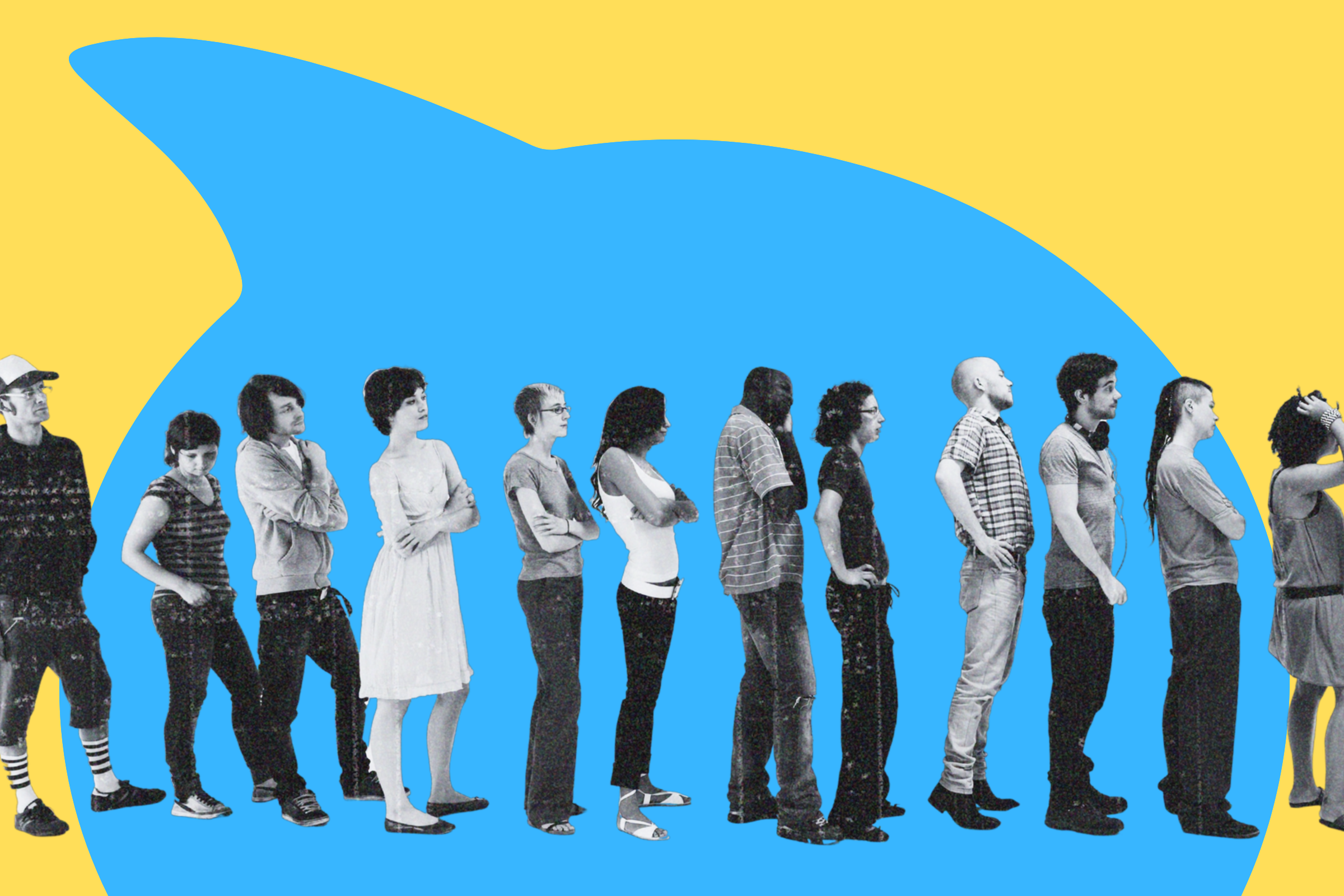
Wait a second. You’ve been standing in line for 20 minutes, famished and desperate to order one of the viral bagels that keep selling out—or for six hours outside a concert venue, determined to claim a spot at the barricade to see your favorite band.
And then someone strolls up and slips in line ahead of you. Apparently, the rest of you have been standing around for the ambiance.
How much of a sin are line-cutters committing? “You are ripping the fabric of society apart,” says Nick Leighton, an etiquette expert and co-host of the podcast Were You Raised by Wolves? Queue-jumpers have to live with that, he adds. “But worse, we have to live with you.”
Here’s exactly how to handle this maddening situation—including when and how best to speak up.
If a stranger jumping ahead of you feels strangely personal, Richard C. Larson, a professor emeritus of data, systems, and society at MIT who has studied queuing, understands why. “We only have a finite number of minutes of life on Earth,” he says. The cutter’s implied message: “A minute of my life is worth more than a minute of yours.”
Before you decide whether to confront the offender, think about what speaking up would accomplish. Are you trying to reclaim your turn or get revenge? Sometimes, the impulse is “to sort of let them know you think they’re a jerk,” says Ryan Martin, a professor of psychology and dean of the College of Arts, Humanities and Social Sciences at the University of Wisconsin–Green Bay, known online as the Anger Professor because he studies strong emotions.
Martin would speak up to help someone recognize “that what they did wasn’t OK and that I wanted them to go to the back of the line,” he says. But he’d also consider: “What is going to allow me to have the kind of night I want to have?” If you spend the concert replaying a confrontation instead of singing your happy heart out, you’ve lost more than your place in line.
Leighton's gut check for situations like these is to ask yourself: Is this the hill you want to die on? “That’s always a good etiquette question,” he says.
Consider your safety, too. If the person seems hostile or you feel uneasy approaching them, you can ask staff for help or let the cut go. “Health and safety always trumps etiquette,” Leighton says.
Marie Helweg-Larsen, a professor of psychology at Dickinson College who studies social norms, has explored what makes line-cutting so rage-inducing. For a 2008 study, she and a colleague surveyed U2 fans waiting for prime concert-floor spots, asking how they would react to hypothetical line-cutting scenarios.
Interestingly, fans reacted just as negatively to someone cutting behind them as ahead of them—even though their own place wasn’t affected. “You have to have people follow the rules,” she says, “or your investment into the line falls apart.” Helweg-Larsen’s co-author also heard fans invoke a higher authority when someone misbehaved: “Bono wouldn’t like that!”
You don’t need a rock star’s moral authority—or a grand speech—to point out where the line starts. Helweg-Larsen’s suggested opener: “Excuse me, but the line starts down there.” Aim for an “‘I’m just trying to be helpful’ kind of vibe,” she says.
That approach gives the person a chance to correct their mistake without having to defend their character. And you don’t have to believe it was an innocent oversight to deliver the message graciously. “Even if they’re doing it on purpose, you still need to use that tone,” Leighton says.
He’s been on the receiving end of a polite correction himself: At a deli, he once joined what he thought was the back of the line, only to discover he’d guessed wrong. He was happy for someone to point him in the right direction.
If you decide to speak up, do it promptly. “Your window of opportunity is short,” Leighton says. “As soon as it happens, that’s when you need to say something.” Waiting until you’ve spent five minutes glaring at the back of someone’s head won’t make the conversation any easier.
For a line that represents a serious investment of time, Martin suggests spelling that out: “Hey, I’m not sure you noticed, but there’s actually a really long line here, and people have been waiting all day.” You’ve identified the problem and given them an opening to say “Oops.”
Of course, some situations are murkier than a stranger breezing past the entire queue. Someone returning from a bathroom break is different from four friends arriving hours later to join the person who saved their places. Leighton is sympathetic to a water or restroom run. Holding spots all day for a last-minute entourage? “I don’t love that,” he says.
Sometimes, your kind reminder won’t be met with the same level of helpfulness: They saw the line. They’re staying put. Now what?
If you feel comfortable continuing, Martin suggests a firmer follow-up: “I really think you should go back to the back of the line.” You’re making a direct request without adding an insult.
Larson advises skipping any confrontational nicknames or demands—like “What do you think you’re doing, bud?” You’re pointing someone toward the back of the line, not challenging them to a duel.
If the person still refuses to move, resist the urge to keep arguing. “We can’t control everybody,” Martin says. Continuing to push someone who’s already refused could lead to “a more significant confrontation.”
At a concert venue, amusement park, or other staffed location, you can ask an employee or security person to step in. “You can always appeal to a higher authority,” Leighton says. Whether they’ll enforce the rules is another question, but it’s an option worth trying when the cutting is particularly egregious.
If you decide to drop it, drop the parting shot, too. A sarcastic “Must be nice!” might feel irresistible, but Leighton advises against adding more rudeness to the encounter. “It will not achieve anything,” he says.
As Larson puts it, “A fight can ruin your whole day—or life.”


The Ebola virus is spreading at an unprecedented rate this year.
In the first five months since the outbreak began in the Democratic Republic of Congo (DRC), the World Health Organization (WHO) has reported 9,415 confirmed cases and 4,536 deaths in the country. While the virus has remained relatively contained by the DRC’s borders, case counts in neighboring Kenya and Uganda are also climbing (albeit more slowly). There are 20 confirmed cases in Uganda and eight in Kenya, and much of central and eastern Africa has tightened its borders.
The last major Ebola epidemic of this scale began in 2014 and continued through 2016 in West Africa. Over that period, it ultimately killed more than 11,000 people throughout West Africa. Nearly four years later, a smaller outbreak plagued Congo in its North Kivu region, leading to 2,229 deaths before it was contained.
The 2026 crisis hasn’t yet reached the same levels as the 2014 outbreak, but the speed of its spread is far greater.
As the chart below shows, around 150 days after the outbreak was declared, 2,599 Ebola cases had been reported in the 2014 West African epidemic. At the same time point this year, the number of cases came to 8,978 and has continued to climb.
One of the reasons the latest epidemic has been so difficult to slow down can be traced back to the fact that it’s a different viral strain — known as Bundibugyo — than the ones behind previous epidemics.
The Bundibugyo virus comes from the same family as the Ebola virus that caused the 2014 West Africa and 2018 Congo epidemics, causing the fatal fevers associated with Ebola. But the rare strain is different enough that it doesn’t respond to the same medical solutions. While the Zaire virus led to vaccines and treatment to mitigate the spread, we still don’t have a vaccine for Bundibugyo.
That doesn’t mean Bundibugyo is entirely novel, though. The 2026 outbreak is the third outbreak related to the Bundibugyo viral strain: In 2007, Uganda faced a minor outbreak, and the eastern province of Congo, which is now the epicenter of the epidemic, saw a handful of cases in 2012.
Luckily, these two outbreaks were contained in a span of months, largely due to efforts by the country’s Ministry of Health and international aid partnerships with the WHO, the US Agency for International Development (USAID), and international humanitarian organizations such as the UN Children’s Fund and Red Cross.
More than a decade later, these efforts have been substantially curbed by USAID cuts. Tracing requires physical testing capacity: the tests themselves, health workers, and protective equipment for those treating suspected cases. Reduced access to such resources is especially dangerous with strains like Bundibugyo – in the absence of an effective vaccine, tracing the spread of disease and isolating potential disease contacts is especially important.
But cuts to aid, which covers disease surveillance efforts, made it more difficult to identify this year’s Bundibugyo outbreak until it was too late, creating a “critical four-week detection gap between the onset of symptoms of the presumed index case…and the laboratory confirmation of the outbreak,” according to a WHO situation report from May.
In August, the United States aimed to close at least some part of the vacuum it left, providing an additional $242 million to its $23 million original pledge in May.
Aside from international efforts, DRC faces the added layer of internal conflict and humanitarian crisis. The eastern provinces, including Ituri, have experienced years of conflict that have weakened the public infrastructure, including the healthcare system. Last year, nearly 25 percent of Congolese people faced food insecurity, and 4.5 million children were clinically malnourished, creating a population especially vulnerable to disease. The violence has also overwhelmed hospitals and displaced millions, disrupting the public health response, especially as mistrust in health authorities also runs rampant.
Even as emergency trials for a vaccine are underway, many of the factors that have facilitated the rapid spread may make treatment and outreach still more difficult. It’s hard to predict when the current outbreak will be handled, and how many more people will be affected before it does.

At first glance, chair yoga might seem like a workout just for older adults with mobility issues. The gentle, accessible workout offers a modified take on the ancient movement and meditation practice, usually from a seated position. No one’s asked to climb down onto the floor or independently hold themselves upright in tricky standing postures—which makes it ideal for those with limited strength or balance.
But experts say chair yoga shouldn’t be pigeonholed, because anyone can benefit. “It is a practice that meets you where you are,” says Divya Balakrishnan, a yoga instructor in New York City. “You’re still using your strength and flexibility, just in other ways.”
A yoga teacher named Lakshmi Voelker first began adapting some yoga poses to a chair in 1982 to make the practice more accessible for a student with arthritis. Since then, numerous instructors have found ways to use a chair for adapted versions of a surprising number of traditional yoga movements, like lunging warrior poses and standing-to-lying sun salutations.
While students typically crouch, sit, and lie down on a mat in traditional yoga classes, the chair, in a way, brings the floor closer. Some chair yoga classes are done entirely seated, moving through modified variations of classic yoga sequences without ever asking participants to get up. Other classes transition between sitting and standing while holding onto the back for a little extra help with balance, or doing poses like downward dog with hands on the seat instead of reaching to the floor.
In a sense, the chair is simply another prop. “Just like you would use a strap or blocks to increase the accessible range of motion or bring different awareness to the body, the chair can be used in a similar way,” says Jessica Pate, a Boston-based yoga teacher.
Experienced yogis also use a chair for athletic feats that wouldn’t be possible on a mat alone. In particular, the Iyengar style of yoga uses a yoga chair (designed with an open back and a completely flat seat) for advanced postures like an upside-down inversion where the yogi’s shoulders rest on two chairs while their head hangs in between.
“There's an infinite number of ways that you can use the chair,” says Jules Mitchell, a Las Vegas–based yoga educator.
Research on the physical benefits of seated chair yoga has found that practitioners tend to improve their functional fitness and experience a decrease in how much pain interferes with their daily life. Much of that research has focused on older adults, who generally have a lower baseline of fitness than younger, healthy adults. It’s unlikely that people who are in peak shape would see as much benefit.
“You're not challenging your muscles or your balance as much as traditional yoga,” says Justin Smith, an assistant professor at Wichita State University who recently co-authored a case series on the benefits of chair yoga.
But that doesn’t mean it’s a waste of time for more athletic folks.
For experienced yogis, doing yoga from a chair can offer new ways to explore familiar movements, says Pate, who incorporates a chair into many of her regular yoga classes. By sitting, the body’s weight gets distributed differently, which makes the muscles engage in new ways and can bring a fresh awareness to the body. “For example, with Warrior 2, having the chair underneath [my] pelvis, I'm able to feel where my sit bones are,” she says. This can help people better recognize if their hips are twisted or tilted.
Although most people assume that sitting makes everything easier, that isn’t always the case. Sometimes the challenge just changes: Pate says she actually feels her outer hips working harder in Warrior 2 on a chair than they do when she’s standing in the pose because she’s forced into a more neutral alignment, and bigger muscles can’t take over.
Sitting on a chair can also sometimes help people go deeper into poses. Say you’re trying to target your glutes with a Figure 4 pose, where one ankle rests on the opposite knee as you bend forward. When you’re seated, you’re able to focus more on the stretch because you’re not struggling to balance, Balakrishnan says. “If I was doing a standing Figure 4, half of my attention is going to be on the standing foot and keeping myself upright, so I may not sit as deep,” she says.
The same is true for breathing. Pate says that the extra support of the chair makes it easier to focus on breathing deeply and intentionally—something that many students forget to do once poses get challenging.
One group that might particularly benefit from chair yoga is people who are stuck sitting in front of a computer all day. “For anyone who works at a desk, it is a lifesaver,” Balakrishnan says. A simple seated yoga routine can relieve tight, achy joints, and multiple studies have found that chair yoga can significantly reduce stress. Balakrishnan regularly takes yoga breaks right from her chair, doing neck rolls, spinal twists, or anything else her body is craving to bring some movement and mindfulness back to her day—without feeling like she has to stop what she’s doing and carve out time for a full yoga session. “You don't have that mental barrier of, ‘Okay, let me get out of my chair, go roll out my yoga mat, go get my blocks,’” she says. “It requires less of you to begin the practice.”
There’s also a simpler reason to do seated chair yoga: It just feels good. The low-key movement can help stretch out tense muscles and get some blood flowing without feeling like you have to do a workout that impresses anyone. Smith says that all the participants in his case series were incredibly enthusiastic about their routine. “You can tell that they really just love chair yoga,” he says.
Seated chair yoga may not build Olympic athlete–level strength and agility. But experts agree it still has plenty to offer, no matter your age or fitness level. “We all can benefit from calming down, observing our sensations in our body, and getting in a little bit of stretching,” Mitchell says.

The last time you went for a walk, you might have focused on your favorite podcast, a call to your sister, or the number of calories your Apple Watch said you were burning.
Meanwhile, on a walk around her neighborhood, Kim Bernard noticed everything that was yellow: “A manhole cover, a yellow rain jacket, a fire hydrant, the numbers on someone's mailbox,” recalls the Maine-based artist. A “children at play” sign, part of a Pennsylvania license plate, and even a bucket of cat litter became part of the neighborhood’s palette.
Bernard was on a color walk, a simple scavenger hunt organized around intentionally noticing a certain color—and how much of it is hiding in your ordinary surroundings. We asked experts why you should make the activity part of your routine and how it can brighten an otherwise ho-hum day.
About a year ago, Bridget Campbell, a content creator in Venice, Calif., realized she had become tethered to her phone. Even as she moseyed along the Venice canals, she brainstormed business ideas instead of admiring the colorful homes and flowers along the water. That’s when she decided to do a color walk, a concept she had stumbled upon on social media.
“It was a way to get out of my mind and come back into my body, slow down, and be present,” she says. While an ordinary walk might leave her mind racing toward work, looking for a particular color gave it something else to do, effectively putting all that other mental chatter on mute.
That’s exactly why color walks work so well: They encourage focused attention, says Cheryl Fisher, a licensed clinical professional counselor in Annapolis, Md., and associate professor of clinical counseling at Alliant University. She describes a “skim-scan-scroll world,” where it’s easy to move through your surroundings without really seeing them. Searching for color gives you a reason to look up from your phone and pay attention to what’s in front of you.
It also gives people who don’t consider themselves particularly creative an easy place to start, says Mari Reisberg, a licensed professional counselor and creativity coach in Boulder, Colo. Choosing a color to focus on provides a bit of structure while leaving plenty of room for discovery.
Reisberg still finds surprises on neighborhood sidewalks she’s traveled many times. “Oh my gosh, I’ve never seen that before,” she’ll think. Even on the most familiar routes, “There’s so much joy that shows up,” she says.
There are lots of ways to play color roulette and figure out which shade to hunt for. You could, of course, opt for your favorite color. Fisher collects paint swatches, cuts them up, and tosses them into a basket so people can draw one before heading out. A teacher once shared an even simpler approach with her: Have kids pick a color from their clothing, then look for matches along the way. You can even choose midway through your walk. Campbell sometimes spots an orange flower and decides that’s the color she’ll look for the rest of the way.
How specific you get is up to you. Finding nine fuchsia objects on a 15-minute walk? “It’s pretty difficult,” Bernard says. Reisberg sometimes opts for a particular shade, like midnight blue or sky blue, to give her eyes a more precise target. On other days, green is plenty. “There’s no right or wrong way to do it,” she says.
Once you’ve settled on a color, head outside and see where it turns up. You don’t need a picturesque trail or a neighborhood full of flower gardens. Campbell encourages people who think their surroundings are too gray to give it a try anyway: Color can pop out in places you’ve passed countless times without a second glance.
When you find a match, resist the urge to mentally check it off and rush toward the next one, Fisher says. Spend a moment looking at what caught your eye. “The real gift is sitting with it and not just finding it,” she says.
You don’t have to keep your discoveries to yourself, either. “You can do it with a friend, you can do it with your mom,” Campbell says. Searching together gives you something new to talk about.
If you want a souvenir, snap photos along the way. Bernard asked participants in a color walk she led to select their nine favorite images and arrange them into a grid. Together, the collections resembled a patchwork quilt of color. You could make your own collage or save a few pictures to revisit when you need inspiration.
Or simply enjoy the walk. “We live in a day and age where everything is content,” Reisberg says. Sometimes she takes photos to share; other times, the discoveries are hers alone. If the whole thing feels a little silly at first, that’s OK, she says. Adults aren’t always used to indulging this kind of curiosity. “Keep giving it a little more space, a little more opportunity to surprise you.”

Hepatitis B can be a silent killer. It can pass from mother to child during birth and can spread through contact with infected blood or semen. Among babies infected before they turn 1, up to 90% develop a chronic, potentially lifelong infection, for which there are treatments but no cure. People may not even know they have the virus until their liver fails or they develop cancer, years later. Early-in-life hepatitis B infections, left untreated, lead to a 1 in 4 lifetime chance of developing liver cancer.
In the U.S., hepatitis B vaccination became routinely recommended for all infants in 1991; later guidance specified that the first dose should happen within 24 hours of birth. However, in Dec. 2025, the U.S. Centers for Disease Control and Prevention (CDC) under the Trump Administration moved to cease recommending this practice for babies born to mothers who test negative, instead advising a shared decision-making model where parents and clinicians decide together what is medically appropriate: a dose shortly after birth, or a first dose "no earlier than 2 months of age." (For babies born to mothers who test positive or whose status is unknown, the CDC continues to recommend a dose shortly after birth.)
A new study, published today in Annals of Internal Medicine, uses computer modeling to simulate the hepatitis B infection status of an entire year’s worth of children born in the U.S. under the new recommendations over their first 20 years of life. The researchers find that if only about 26% of children are vaccinated—an estimate of what would occur under shared decision-making—chronic hepatitis B cases would rise by 225%.
The American Association of Pediatrics continues to recommend vaccination at birth against hepatitis B for all infants, and 15 states have sued the Trump Administration over vaccination schedule changes.
“It's been challenged in many states and by professional societies, but we wanted to add some evidence to the conversation about what the potential impact of those changes could be,” says Dr. Amir Mohareb, an infectious-disease researcher at Harvard Medical School and Massachusetts General Hospital who is an author of the new study.
The simulation modeled how many of 3.6 million children, born the same year in the U.S., would develop hepatitis B under a number of scenarios, including if the former CDC recommendations continued to be followed, if the initial dose (also called a “birth dose”) was delayed, and if a shared decision-making scenario was employed.
The model suggests that if the first dose is delayed until 2 months old, and only 75% of infants get it, then there would be a 19% increase in chronic cases compared to if every child received their first dose at birth. With a 26% vaccination rate at 2 months, the number climbed to 225%.
This study modeled only at a single year of births, notes Mahoreb. “Imagine that happening year after year after year after year. That could quickly become thousands and thousands of new infections, and even a small number of new infections could result in lifelong chronic infection that could be detrimental to families, lead to more cases of cancer, and [become] costly to the health care system,” Mohareb says.
Two other recent modeling studies have looked at the impacts of changing hepatitis B vaccine recommendations. One found that if vaccination no longer occurred at birth, a substantial increase in screening pregnant women for the virus would be necessary to keep infection numbers in infants down. Another, looking at the economic ramifications, found that even if every child eventually received the vaccine, delaying the first dose by 2 months yielded an additional $16.4 million in health care spending on new infections.
“All three of these studies complement each other, in a good way, and provide some modicum of evidence so that we don't need to risk doing a clinical trial or testing this on people,” Mahoreb says. “We have done those experiments.” Decades ago, he continues, clinical trials already proved the efficacy of the existing approach, “so that we would have the benefit now of advancing medical progress and not needing to reopen that question.”

Jalen Hurts is expected to miss the rest of the NFL season after doctors diagnosed blood clots in both lungs, ESPN and NFL Network reported.
The Philadelphia Eagles quarterback has deep vein thrombosis (DVT) and bilateral pulmonary emboli, according to an Oct. 19 statement from the team. He is clinically stable and has no significant functional limitations, they said, but needs blood thinners—and can’t participate in contact activities, including football, while taking them.
“Jalen’s prognosis is very good, and we expect a full recovery,” the statement said.
The news raises questions beyond football: How do you recognize a blood clot? What does treatment involve? And why can some people stop blood thinners after a few months while others take them for life? We asked doctors who aren’t involved in Hurts’ care what everyone should know.
Deep vein thrombosis, or DVT, occurs when a clot forms in a vein deep inside the body, often in the leg. Those veins carry blood back toward the heart. They’re different from superficial blood clots——Hurts’ original diagnosis—which form closer to the skin, explains Dr. Geoffrey Barnes, a cardiologist and vascular medicine specialist at University of Michigan Health.
The distinction matters because deep-vein clots are more likely to break loose and travel through the heart into the lungs. Once a clot lodges in an artery there, it causes a pulmonary embolism.
DVT often causes pain, swelling, and redness or a darker skin color. Patients commonly tell Barnes, “My entire calf and ankle are swollen.” One leg might look noticeably different from the other.
An injury can make those symptoms easier to dismiss. “If you’re worried that you have a DVT, it’s important that you get medical care quickly,” Barnes says. Seek a same-day evaluation through your doctor, urgent care, or an emergency department rather than waiting to see whether it goes away.
Unexplained shortness of breath, chest pain, coughing up blood, or fainting require emergency care because they can signal a pulmonary embolism. A dry cough without a cold, pain when taking a deep breath, or a racing heart can also be clues, says Dr. Stephan Moll, a hematologist and professor of medicine at the University of North Carolina who runs an Athletes and Blood Clots Clinic.
Some pulmonary embolisms cause only mild symptoms—or none at all. People can mistake the discomfort for bronchitis, pneumonia, or a strained muscle, Moll says.
Clots become more common with age. Other risk factors include surgery, injury, prolonged inactivity, cancer, certain inherited conditions, and estrogen-containing medications. But young, active people can develop them, too.
To check for a leg clot, doctors usually use ultrasound. They move a handheld device over the skin to get pictures of the veins underneath, gently pressing as they go. A normal vein should flatten under that pressure.
With a clot, “you can’t squeeze it closed because that solid clot is in the way,” Barnes says.
Doctors typically use a specialized CT scan to look for clots in the lungs. Finding them in both lungs doesn’t, by itself, establish how sick someone is, Barnes says. Doctors also check oxygen levels, blood pressure, and whether the heart is struggling to pump blood through the lungs.
Pulmonary embolisms range from mild cases to medical emergencies, Moll emphasizes. Some people need treatment in the hospital, including medication that dissolves clots or a procedure to remove them. Many others can be treated with anticoagulants, commonly called blood thinners.
Blood thinners help keep clots from growing and prevent new ones from forming. “They do not dissolve blood clots,” Moll says. Your body gradually breaks down the existing clot, though some people are left with scar tissue.
Many people with DVT can take medication at home, Barnes says. Some people with lower-risk pulmonary embolisms can, too.
Treatment for DVT or pulmonary embolisms generally lasts at least three months. “For the first three months it’s uninterrupted blood thinners,” Moll says.
After that, doctors weigh the chance of another clot against the risk of bleeding from continued medication. What caused the clot helps guide that decision. Someone who developed one after surgery may be able to stop once treatment is complete and that temporary risk has passed. “But if this kind of came out of the blue,” Barnes says, longer-term treatment may make sense. Cancer, continued immobility, and certain clotting disorders can also affect the decision.
Having a scan that looks better doesn’t automatically mean it’s time to stop medication, Moll says. Doctors generally follow symptoms rather than ordering repeated scans to watch a clot disappear.
Even someone who stops daily medication may need a prevention plan for future surgery or another period of increased risk. “Risk factors vary, and the length of treatment varies, and the recovery varies,” Moll says.
A blood-clot diagnosis doesn’t necessarily mean you need to stay on the couch.
“I’m not asking them to go for a jog or run a marathon,” Barnes says. “But I want them to be up and walking around as much as they can tolerate,” gradually doing more every day.
Getting tackled is another matter. Blood thinners make bleeding harder to stop, so a collision or fall—especially one involving a head injury—can become much more dangerous. When it comes to contact sports like football, “I would not let an athlete play on blood thinners,” Moll says.
For some athletes who need long-term treatment, specialists may consider a carefully managed, intermittent medication schedule after the initial three months, Moll says. It isn’t suitable for everyone and requires expert oversight; patients shouldn’t skip doses to play sports. Ask your doctor which activities you can safely return to and when.
Keeping your legs moving can also help reduce the risk of future clots. On long flights, Barnes recommends getting up to walk every one to two hours. While you’re seated, pretend your big toe is a pen and trace the alphabet with it to get your ankle moving and help pump blood through your legs. “You can do that just sitting in your seat. Nobody knows,” he says. If you’ve recently had a clot, check with your doctor before flying.
Some people feel much better relatively quickly. Others experience lasting damage to the veins after DVT, which can leave blood struggling to flow back up the leg. That can result in what doctors call post-thrombotic syndrome: “chronic swelling, chronic pain, chronic leg heaviness,” Moll says. After a pulmonary embolisms, some people continue to have shortness of breath, chest discomfort, or fatigue, particularly if the clots haven’t fully cleared.
Depending on what’s causing the symptoms, treatment might include compression stockings for leg swelling, specialized rehabilitation, or a procedure to address damaged veins or lingering clots. Tell your doctor if those symptoms linger. “We have treatments that we can offer to try and make that better,” Barnes says.
