 Login

Automattic begins layoffs following board upheaval and executive departures
Sources say more cuts could follow as the company looks to improve its finances.

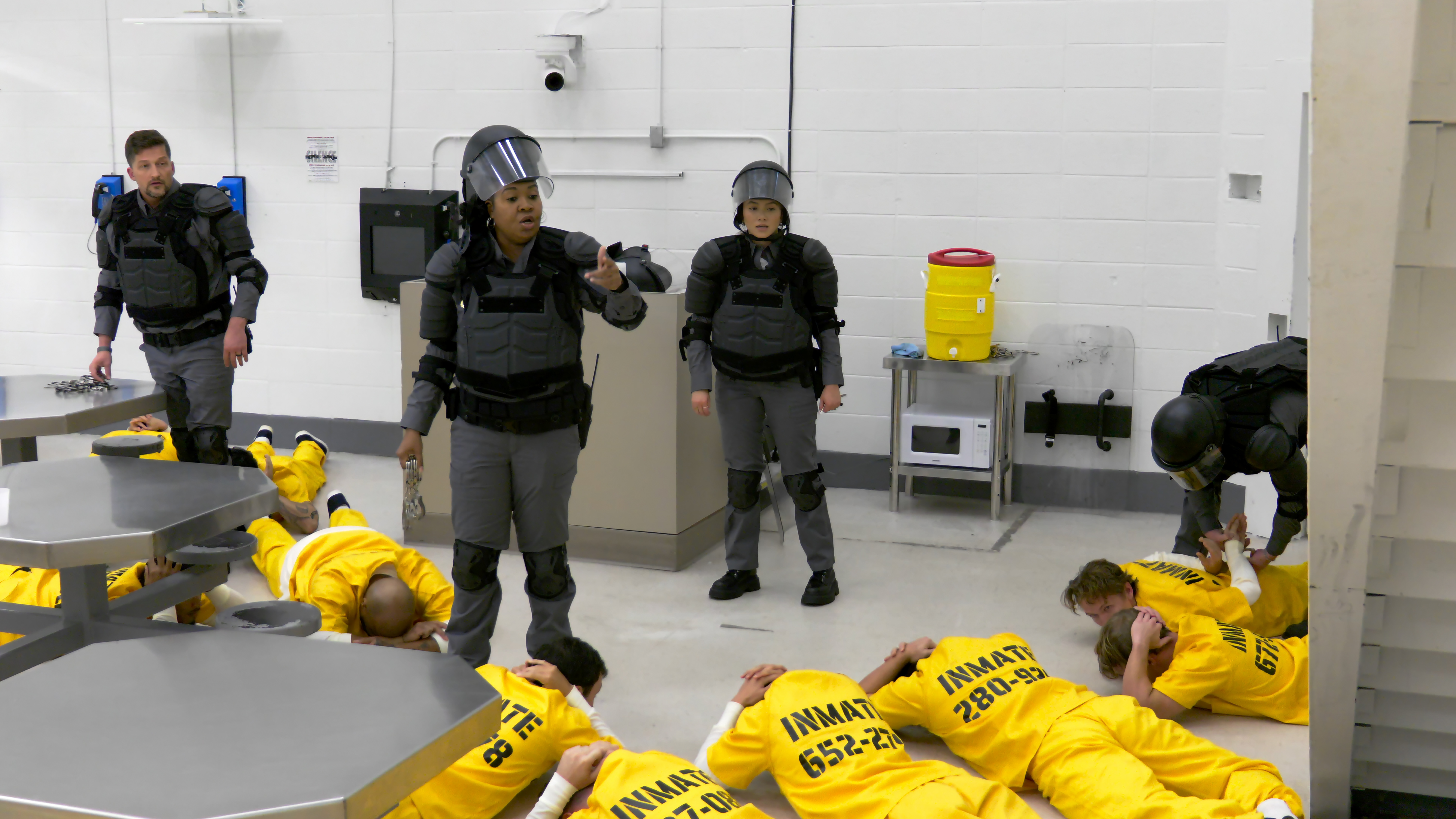
This article discusses all six episodes of Netflix’s The New Stanford Prison Experiment.
For decades now, scholars have argued over what—if anything—we should have gleaned from the Stanford Prison Experiment. That it was unethical to place two dozen male college students in a university basement repurposed as a prison, designate a few of them guards and the rest prisoners, and encourage the former to discipline the latter, was apparent by the time its mastermind, Stanford psychology professor Philip Zimbardo, ended what was supposed to be a two-week exercise after only six days. As the extent of Zimbardo’s manipulation came to light, the 1971 study lost credibility in academic circles, even as its pop-cultural legend kept growing. Fifty-five years after it was conducted, perhaps the only definitive conclusion to draw from the Stanford Prison Experiment is that the Stanford Prison Experiment is not worth repeating.
But just try telling that to the reality-TV machine, let alone a platform currently at work on the third, all-celebrity season of a competition series that cheerfully (and, of course, non-lethally) recreates the horrors of its international hit anticapitalist battle royale thriller Squid Game. The New Stanford Prison Experiment, Netflix’s take on a project that was always more convincing as improvisational theater than as scientific research, isn’t even television’s first crack at Zimbardo’s study. The BBC got there first with The Experiment, in 2002, whose earnest attempts to correct for the original’s missteps yielded a more nuanced, if still inherently flawed, look at authority. That the Netflix version of what can now be best understood as a reboot of a famous franchise feels less like social psychology and more like a high-concept season of Big Brother is no surprise. What’s most perplexing is its choice to incorporate female participants in a limited way—and its failure to make any real sense out of what they bring to the experience.
Aware that the televised resurrection of a notoriously inhumane experiment was bound to draw scrutiny (the mere announcement of the show’s existence touched off a wave of incredulity), the producers of the six-episode series take pains to make both their safety precautions and their high-mindedness visible. Instead of a retrofitted academic building, the inmates are sequestered in a real housing pod of a Georgia correctional facility. The 30 voluntary participants are said to come from all walks of life, though what we find out about their backgrounds is generally limited to hometown, racial identity, and line of work. According to executive producer Jane Lipsitz, each “underwent psychological screenings prior to entering the experiment.” There’s a safe word any of the participants can, and some do, use to leave the roleplay early.

The appearance of legitimacy is further reinforced by a panel of three experts who provide commentary on what’s happening in the pod. Michael Cantrell, who brings 30 years of experience working in federal corrections, games out the results of the guards’ strategies. Journalist Trymaine Lee, who has covered stories ranging from Hurricane Katrina to the power of the Black electorate, was presumably tapped to bring insight into big-picture issues such as race, violence, and the justice system. But the show keeps the experts’ interjections so brief that he’s rarely afforded more than a quick sound bite. Filling a limited version of the host role is Alison Wood Brooks, a behavioral scientist on the faculty of Harvard Business School. It’s she who introduces the series with a speed-run summary of Zimbardo’s study and its “ethical breaches,” as well as the true but comically vague observation that “in today’s world, the study of power couldn’t be more relevant.” So, Brooks says, it seemed like the right time to retry the experiment in hopes of more accurately answering its original question: “Does power corrupt?”
It doesn’t take long to notice that only three of the 30 participants are women—and all of them join the five men selected as guards. It’s not hard to guess why there are no female inmates. Correctional facilities are segregated by sex. Throwing men and women together in close quarters for 14 long, monotonous days is a recipe for uncomfortable, sexually charged interactions, if not full-on harassment or assault. Of course, similar dangers exist in single-sex environments. Abuse of power seems particularly likely when male guards are put in charge of female prisoners, yet precisely this dynamic is the reality in many American prisons. I suppose untrained, inexperienced guards might be expected to pose a greater threat. But you would think that the same safeguards put in place to protect participants’ physical and mental health could be extended to enable a truly coed experiment. (The show doesn’t have much to say about the existence of transgender, nonbinary, or even queer people behind bars.)
The architects of New Stanford might’ve avoided all of the above and still meaningfully included women by running parallel exercises in separate pods. Instead, they only examine the behavior of three women—a number so small, it precludes any claim of representativeness—in positions of authority over men. One of them, Laura Berens, is the CEO of her own business and thus presumably comfortable in a leadership role. Shavonnah Jefferson, whose background as a security guard also seems relevant here, has no trouble asserting herself. “You have to speak up,” she says. “Because if you do not, people will run you over.” Yet only Kiana Gaona, a young, devoutly Christian social media manager elected head guard by her shiftmates, gets much screen time in early episodes. Professing to believe in gender equality despite her choice to submit to her husband, she’s a bit erratic. She makes the extreme decision to give an outcast inmate a position of power, then veers dramatically in the opposite direction, punishing him and a fellow dissident with 23 hours of confinement to a cell for talking about a rebellion.

It’s these scheming inmates and the two male guards who initially claim control of their respective shifts who dominate the show for most of the season. There’s an interesting, if under-analyzed, contrast between the latter men’s leadership styles. Chris Lee, a prototypical new-school executive, wants to wield influence by inspiring his charges, while Chet Hudson, an oil rig supervisor, likens his new job to breaking horses. The resulting inconsistency fosters a bit of unrest. But it’s only after an extremely reality TV plot twist in which Lee, Hudson, and their fellow male guards switch roles with the most rebellious prisoners that a truly telling storyline emerges. Hudson, who as a guard had been the strongest proponent of a strict hierarchy, starts saying things like: “When people unite, no matter what, they’re in control of the power.” Then he makes a big deal of leaving the experiment early, claiming that he has nothing to learn from being a prisoner. For a certain kind of person, one that’s really having a moment right now in American politics, inequality only becomes a concern once they lose their place at the top.
Although the men’s role reversal remains the dominant drama, the shakeup also puts a new spotlight on the women, who are reassigned to an all-female shift. They quickly settle on Berens as head guard, citing her leadership experience. (It’s worth noting that neither of the two Black guards, Jefferson and Nicholas Washington, are shown to be considered by their peers for head guard.) “The female shift gave me an opportunity,” Berens reflects. “Obviously, the guys on my shift weren’t treating me super equal.” Unfortunately, this isn’t obvious based on the footage we’re shown, and it certainly doesn’t explain why Berens, the sole woman on her original shift, joined the majority that elected Hudson head guard. Regardless, she proves to be the most competent leader in the experiment, striking the right balance between firm rules and humane treatment. Her best moment happens when the shift made up of rebellious ex-prisoners loses control and she steps in to quiet the inmates and advise her counterpart to protect his guards.
Aside from the self-evident notion that some women make strong leaders (and some men weak ones), it’s hard to know what the takeaway from the introduction of an all-female shift is supposed to be. Maybe because they really do all respect women in positions of authority, or more likely because they don’t want millions of people watching them act sexist on TV, the inmates barely adjust their behavior when Berens’ team walks in. Another probable reason for their compliance is that they’re so intent on antagonizing the ex-inmate shift, which many feel is being rewarded for bad behavior. The women don’t come into the pod with the same baggage.

The expert commentators don’t really help make sense of the situation. When it comes to the gender issue, they could’ve supplied context about differences in how men and women typically wield authority or how men tend to perceive women in power. Maybe they did and that footage didn’t make it into the final edit. Either way, we see a lot of the experts noting that the all-female shift is fascinating without digging into specifics. The closest we get to synthesis comes from Berens. “I guess I really did have 22 men listening to me,” she marvels, attributing her success to kindness, humor, and mutual respect. “What if there are more women leaders who can lead in this type of way?” This is a subject far older than this Lean-In-era epiphany, yet New Stanford stops short at gesturing faintly in the direction of conversations that could theoretically be had.
The series’ shallow approach to gender doesn’t just weaken its depiction of the three female participants. It also neglects to acknowledge the explicitly gendered aspects of the male hierarchy, with its charismatic, physically strong leaders and smaller, less socially adept outcasts. In that sense, New Stanford replicates an ancient form of patriarchal bias that casts men as the norm and women as an atypical other. Maybe it’s silly to criticize something as inherently unserious as a reality show for failing to internalize the lessons of The Second Sex. But this particular reality show tries to justify its controversial existence by proclaiming its seriousness with regards to psychology, philosophy, and current events. So it seems fair to judge it by those lofty ambitions.
To that end, it isn’t only gender that the series glosses over. Racial disparities occasionally surface—one Black inmate justifies his obedience to authority by explaining that for his community, fighting back might result in an “accidental shooting”—yet go largely unexamined. Anyone hoping for timely debate over the purpose or efficacy of the criminal justice system is bound to be disappointed. By the time the guards are dismissed, in the finale, so that the prisoners can take responsibility for their own fates, the whole “experiment” feels like a bait-and-switch. New Stanford wants to reel in viewers with the notoriety of the original study and the promise that hot buttons will be pushed. But then, perhaps because the producers are afraid to alienate any segment of Netflix’s diverse audience, it shrinks from every opportunity to make meaning out of what happens in that housing pod. And so, as different as the two exercises are, this latest Stanford Prison Experiment becomes as pointless as the first one.
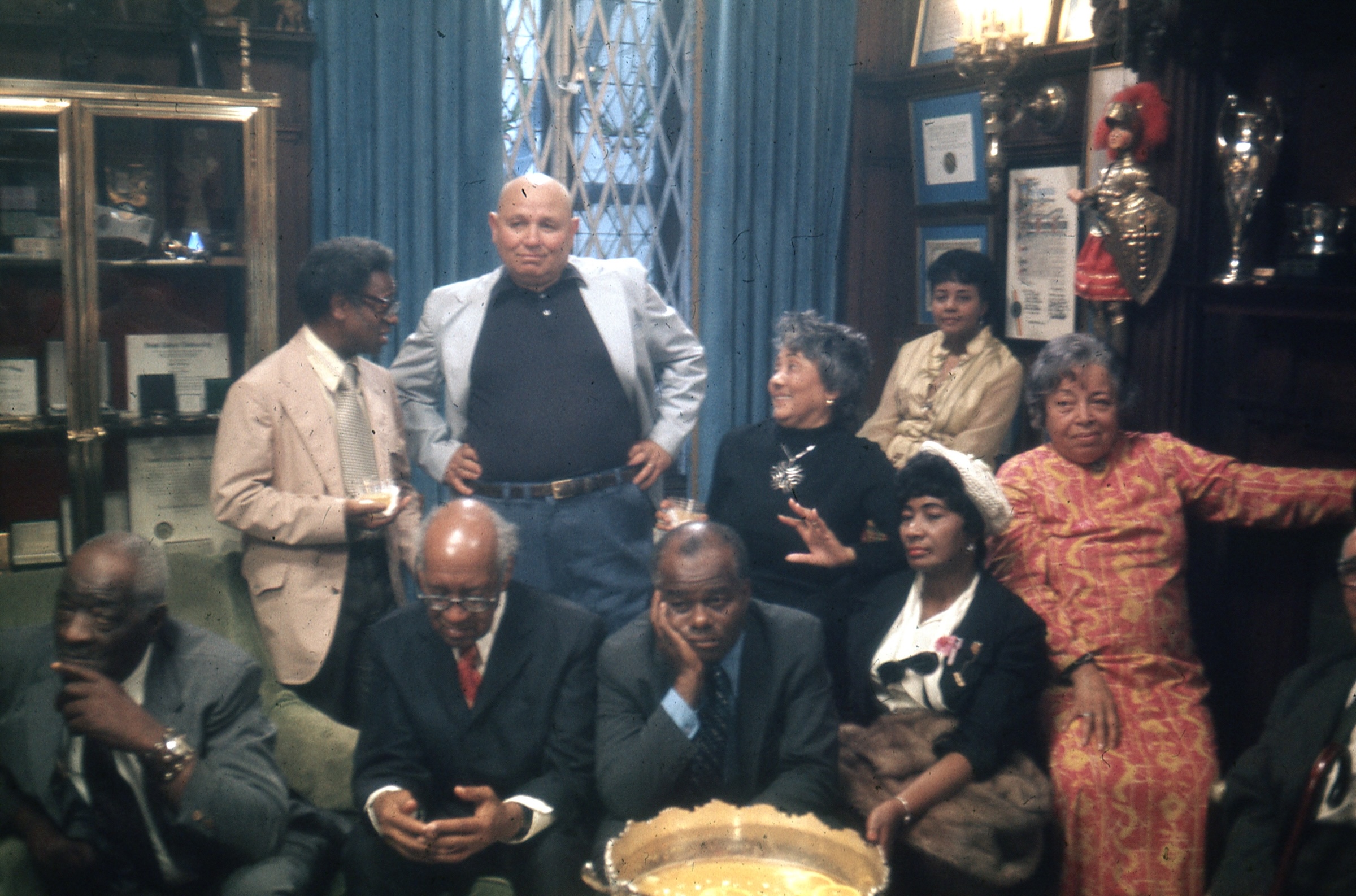
In 1972, filmmaker William Greaves arranged what we now know was one of the great parties of the 20th century: He commandeered the Harlem apartment of Duke Ellington and arranged for a special group of old friends and colleagues, many of whom had not seen one another in 50 years, to reconnect. The invitees were key figures of the Harlem Renaissance, including muralist Aaron Douglas, poet and novelist Arna Bontemps, society editor Gerri Major, jazz pianist and composer Eubie Blake, and many more. Greaves’ aim was to film the event—he appointed his son, David, as one of the cinematographers—and turn it into a documentary that would serve not just as a record of how these people lived and what they accomplished, but as a way of thinking about how we honor those who are a repository for our past. For a few hours in 1972 Harlem, it was circa 1925 again. This group of people laughing, arguing, and reminiscing about a great era of American history—and also about members of their cohort who were long gone—recaptured lightning in a bottle. And yet the resulting film, Once Upon a Time in Harlem, is one we almost didn’t see.
Greaves, who’d made a name for himself with experimental documentaries like Symbiopsychotaxiplasm: Take One (1968), as well as establishing the pioneering public television program Black Journal, considered his Harlem Renaissance film to be one of the most important projects of his life. But although he worked on it off and on for years, he wasn’t able to complete it before his death, in 2014. At last, the film he envisioned has been brought to life by David Greaves and his daughter—William’s granddaughter—producer Liani Greaves. Once Upon a Time in Harlem is one of the great documentaries of its era, and certainly of this year. It’s history that breathes.
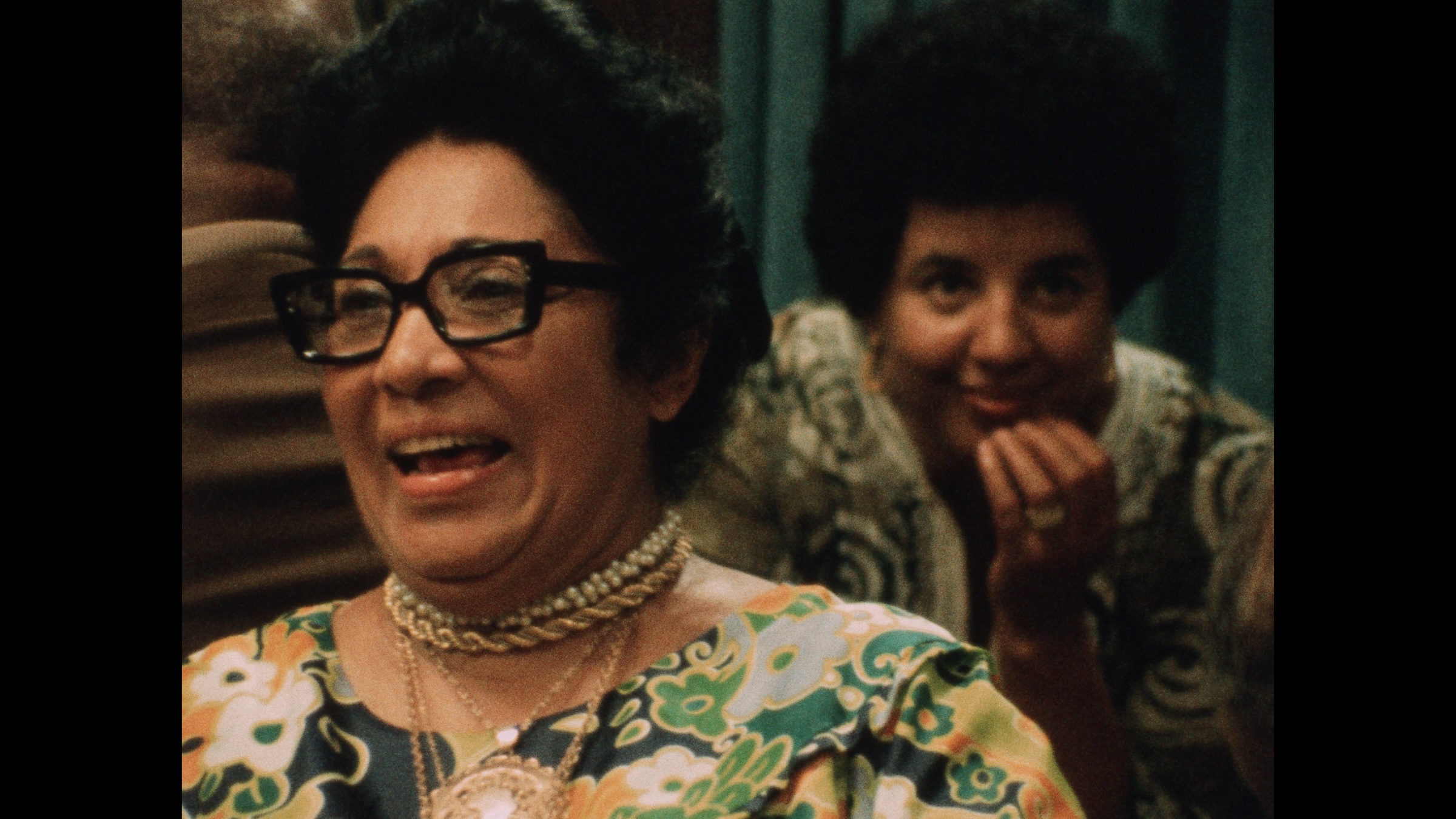
Ellington's elegantly appointed flat fills up quickly; for the viewer, it’s like dropping into a party right in the middle, as clusters of beautifully dressed people greet one another, embracing, laughing, talking. (Ellington himself was ill and unable to attend.) The guests make themselves at home: Photographer James Van Der Zee, who took extraordinary portraits of the major “show people” of the 1920s, as well as everyday citizens of Harlem, steps up to Ellington’s piano and runs through a few graceful, rippling phrases. We learn that he was trained as a classical musician before turning to photography, just one reminder of the ways people in the arts often need to find a means to support themselves—and sometimes those means can leave us with a lasting record of an era, as we can see from Van Der Zee’s gorgeous, expressive portraits, which flash on the screen like a blessing. Painter and activist Richard Price Nugent, when asked what it was like to be a part of the Renaissance, can’t really say. “While you’re living it, it is the now,” he reflects. Actor Leigh Whipper, the first Black man to join Actors Equity and one of the oldest in the group, and publisher and bookseller Richard B. Moore, recite long poems and passages from the era by memory. Moore calls up Claude McKay’s brilliant, lacerating poem “If We Must Die” as if he’d just learned it yesterday, but you know he’s been living with it for years.
Conversations swell through the room in waves, often prompted by Greaves himself, who was not just a filmmaker but also a poet and sculptor, a man who acted and danced. (The film has been brilliantly edited by Anne DeMare and Lynn True.) Ida Mae Cullen, the peppery widow of poet Countee Cullen, pipes up to remind the group, vigorously, that the Harlem Renaissance really lasted for just one decade, the 1920s, though its ripples began years before and resonated for decades after. For this group, politics and art are so entwined as to be indistinguishable. At one point, a vigorous yet civil cross-talking argument breaks out over the principles and philosophy of Back-to-Africa activist Marcus Garvey: there’s mutual respect in this room, but no such thing as consensus. Among other things, Once Upon a Time in Harlem might make you yearn for an era when people, including intellectuals, really knew how to dress: society editor Major, resplendent in a bold, patterned dress, sports about 10 glittery bracelets on each wrist and pulls it off with aplomb.
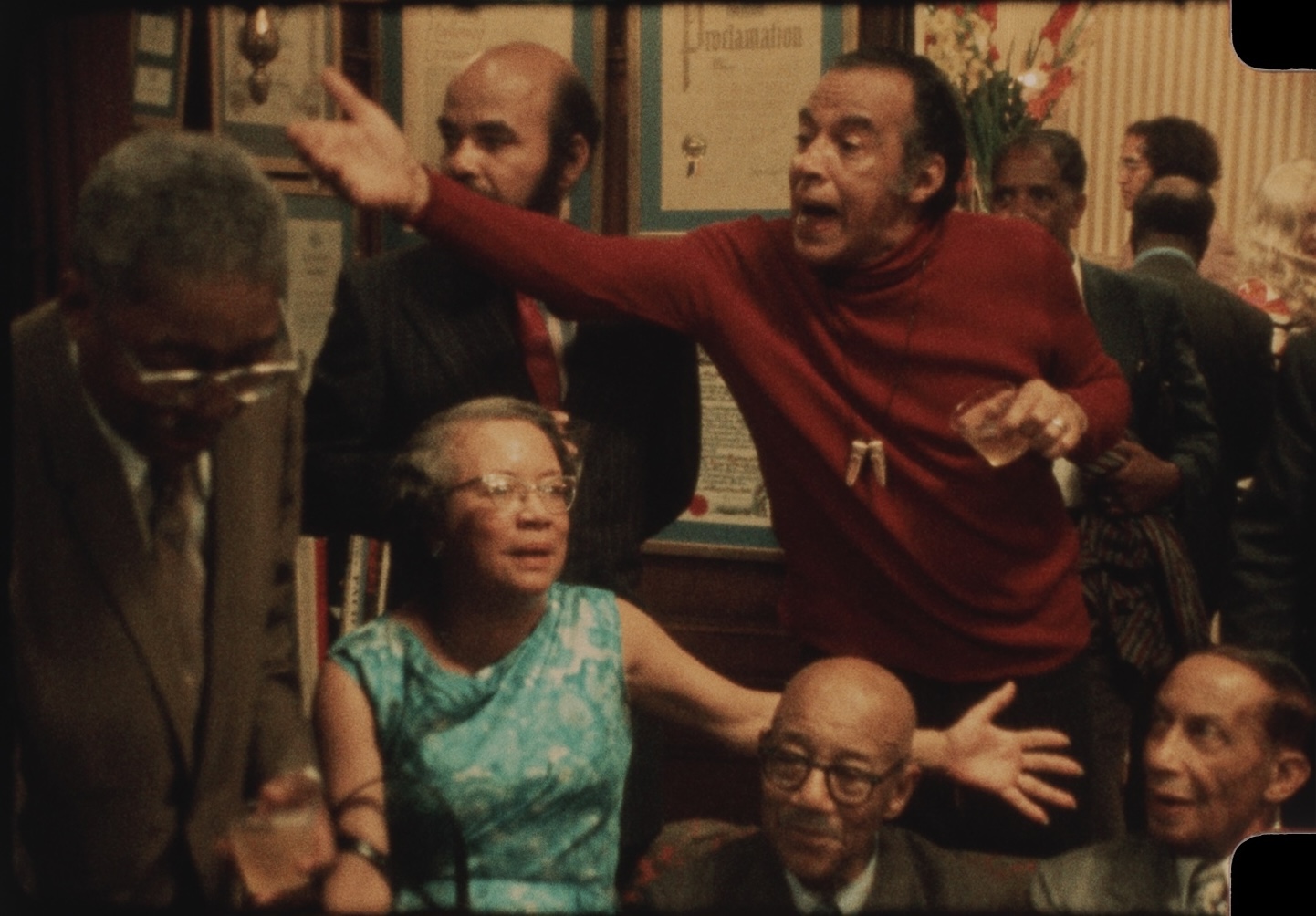
What’s striking about Once Upon a Time in Harlem is the seemingly casual quality most of these captured conversations. But casual isn’t the same as insignificant. Regina Andrews, a regal woman decked out in a white lace dress and vivid turquoise earrings and necklace, speaks of the job she started as a young woman, as a librarian at the 135th Street branch of the New York Public Library. Shortly after she was hired, her superiors explained that certain poets and authors would often come to the library to work; they had special rooms reserved for them. She and her roommate became friendly with many of these luminaries, among them Cullen and Langston Hughes, and would often host little get-togethers in their apartment. The problem? They didn’t have enough dishes to go around. And so one New Year’s Day, when Andrews and her friends set out on a tour of the area’s Chinese restaurants, the men—unbeknownst to her—collected a few plates here and a few cups there. Suddenly, Andrews had enough dishes and cutlery for everybody, pieces she treasured for years.
Maybe that sounds like a minor thing, having enough dishes to entertain your friend group of poets and writers. But as Andrews tells that story, it feels anything but small. “It was just the joy of living and creating together,” she explains—as good a summation as any of what it must have been like to be alive in such a glorious time, a “now” that, thanks to Greaves and his family, becomes a part of our lives too.
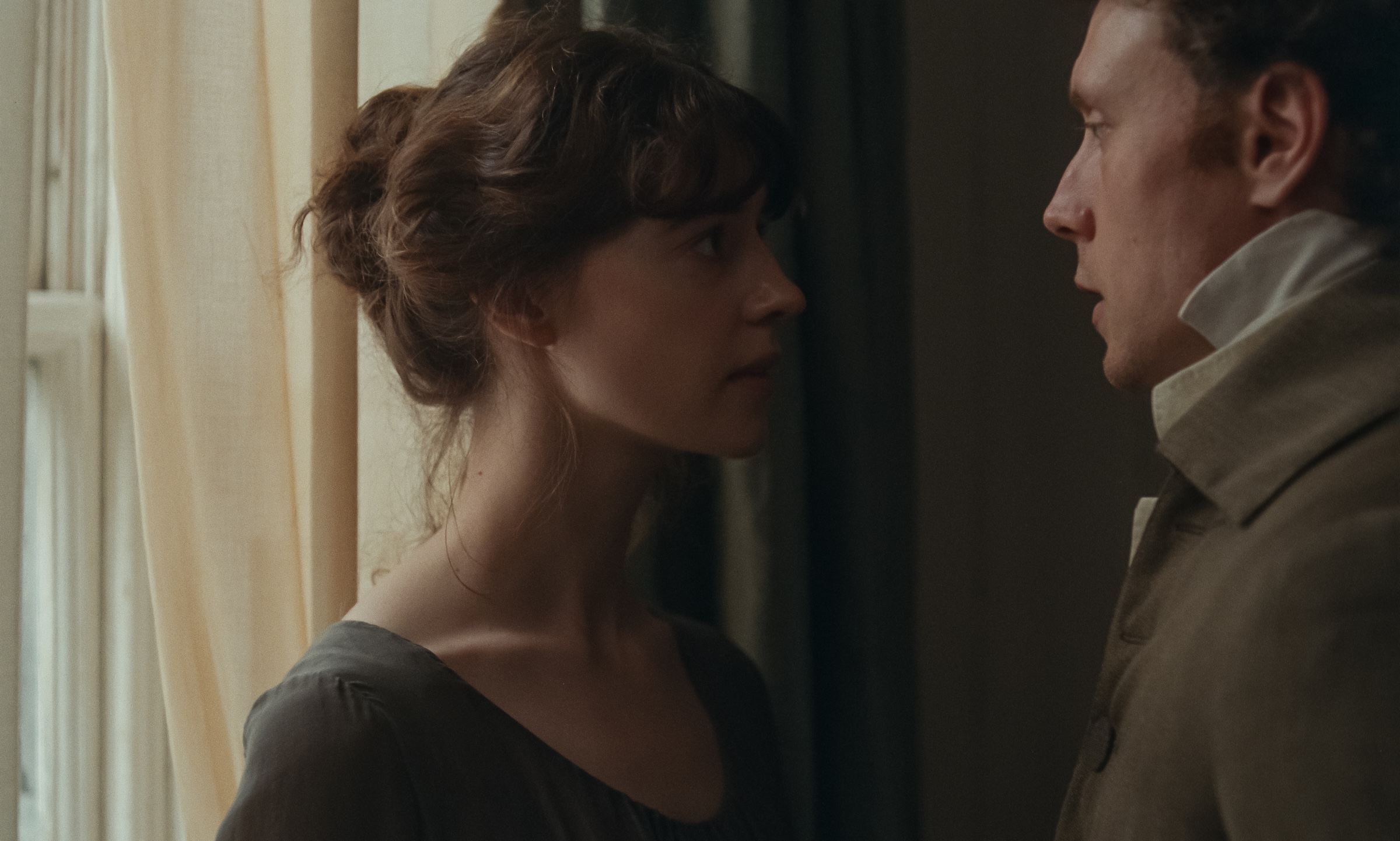
When news got around that a new movie version of Sense and Sensibility was in the works, cries of dismay rang forth from Bath to Brooklyn. How could anyone dare try to top Ang Lee’s 1995 adaptation, penned by—and starring, alongside Kate Winslet— Emma Thompson? But the idea that fine adaptations of great books need to be stopping points, rather than springboards, is alarming by itself. Why is a new adaptation of any Jane Austen novel such a bad thing? There are always new movie audiences, eager for their own fresh take. And just as important, why shouldn’t another generation of actors have a crack at these roles? Our ability to stream anything we want, whenever we want, hasn’t necessarily made us more adventurous; sometimes it’s just a way of clinging to familiar favorites at the expense of welcoming anything new. Austen herself, with her aversion to sentimentality, would have disapproved.
Then what would she make of Georgia Oakley’s amiable, if occasionally a little sluggish, reading of her debut novel, published anonymously in 1811? It’s hard to say for sure, but there’s nothing that’s offensive about this new Sense and Sensibility, and plenty that’s lovely. Daisy Edgar-Jones and Esmé Creed-Miles play Elinor and Marianne Dashwood, sisters in a close-knit family whose temperamental differences temporarily drive them apart. As the film opens, Elinor and Marianne, along with their mother (Caitríona Balfe) and younger sister Margaret (Bodhi Rae Breathnach), are just learning that they’ll soon have to vacate the airy, comfortable house they’ve called home for years. The girls’ father has just died; his property will not go to his daughters, but to his son from a previous marriage, John (Tom Brooke), who nevertheless hopes to do right by making sure his father's second family well provided for. But his disagreeable wife Fanny (Stacy Martin), feels differently, and to maintain their pride, the Dashwood women choose to move into far more modest quarters, in an arrangement brokered by a family friend, Mrs. Jennings (a blissfully dithery Fiona Shaw).
Mrs. Jennings is also an unrepentant meddler, and she believes she can easily marry off the two eldest Dashwood girls. Ever-sensible Elinor, who never asks for much, has already met, and fallen for, Edward Ferrars (George MacKay), Fanny’s brother, as kind and modest as Fanny is arrogant. And Marianne, a dreamer who lives for music and books, has her sights set on flirty, fun Mr. Willoughby (Frank Dillane): He loves to laugh and sing and dance, and Marianne is sure he’s perfect for her, though another potential suitor, the stalwart and rather dull Colonel Brandon (Herbert Nordrum), is also circling. If you’ve never read Austen’s lively and perceptive novel—or seen either Lee’s 1995 version or the 2008 BBC miniseries adaptation—you’re left to guess which men the sisters will end up with, which is just one of the story’s delights.
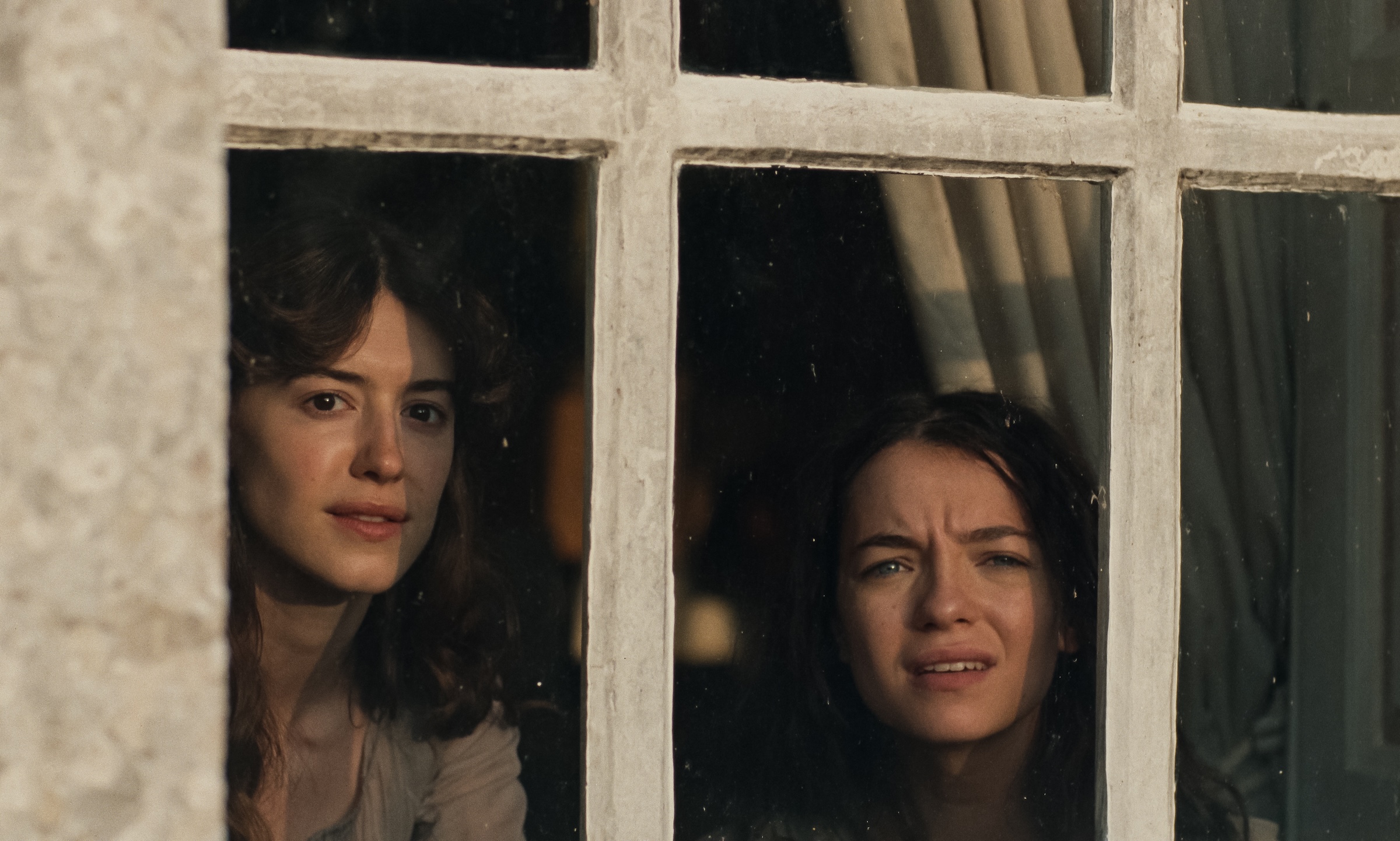
But as always with Austen, there’s more to love than romance: The economics of “making a good match” are always, by necessity, lurking somewhere in these characters’ minds. In the case of the sisters Marianne and Elinor—one too dreamy, the other perhaps not dreamy enough—the differences in what they look for in a partner are almost enough to pull them apart. Oakley, who previously directed the 2022 drama Blue Jean, has a deft touch with the material and a deep respect for the English countryside setting. There are drowsy closeups of wildflowers, and shots of placidly grazing deer; a country dance feels lively and lived-in, contrasted with a later ball, set in London, where the steps are more formal and regimented—Oakley leaves no doubt as to which is more fun. Shot by Arnaud Potier, the film has a handsome, genteel look. And if at times the movie comes off as a bit decorous and stiff, the actors, particularly Edgar-Jones and Creed-Miles, do their best to keep the proceedings whirring. Creed-Miles shows that there’s a slightly self-centered quality to Marianne’s romantic preoccupations—she takes pride in wearing her heart on her sleeve, though in some sense it’s also a means of getting her way. And yet as Creed-Miles plays her, it’s impossible to dislike her. When Marianne become truly hurt, we hurt for her, thanks to the bruised anguish in Creed-Miles’ eyes.
And Edgar-Jones plays Elinor, the practical sister, with just the right amount of subdued fire. Elinor is the one who always matches her expectations with reality, and as much as she loves Edward Ferrars, she doesn’t put up much of a fight when she learns she might have to give him up. Edgar-Jones gives us clues to Elinor’s submerged longing, but only in flashes. And in a pivotal scene, where Marianne accuses Elinor, angrily, of “always being right,” we can see how wounded she is, even as she recognizes that Marianne is onto something: Elinor would rather be correct than look foolish. Edgar-Jones plays Elinor as reserved without making her recessive; we can see the ways in which she wants to want more. In an age of lowered expectations—for movies, for romance, for just about everything—maybe she’s the Austen heroine we need, ready to break out of the box she’s drawn around herself. Austen knew what she was talking about, and time hasn’t eroded her wisdom.
Warning: This post contains spoilers for Whalefall, now in theaters.
It's been a big few months for Austin Abrams moaning and groaning his way through some of the worst situations imaginable. First, as medical courier Bryan Hodukavich in Resident Evil, he was forced to contend with an onslaught of mutant zombie monsters. Now, as Jay Gardiner in Whalefall, he spends the majority of the film's 106-minute runtime getting repeatedly maimed inside the belly of an 80-foot-long sperm whale that weighs 60 tons.
Directed by Brian Duffield (No One Will Save You, Spontaneous) and co-written with Daniel Kraus (the author of the best-selling 2023 novel on which the movie is based), Whalefall follows Jay as he plunges into the treacherous depths off Northern California's Monastery Beach to retrieve the unrecovered remains of his late father Mitt (Josh Brolin), a legendary local diver who became severely ill from advanced, terminal Mesothelioma. The movie's opening scene shows Mitt leaving sealed letters for his wife and three children in a cooler on his boat before taking his own life by strapping diving weights to himself and jumping into the ocean. A year later, Jay still hasn't opened his letter when he is swallowed by a massive whale who's on the hunt for a giant squid in those same waters.
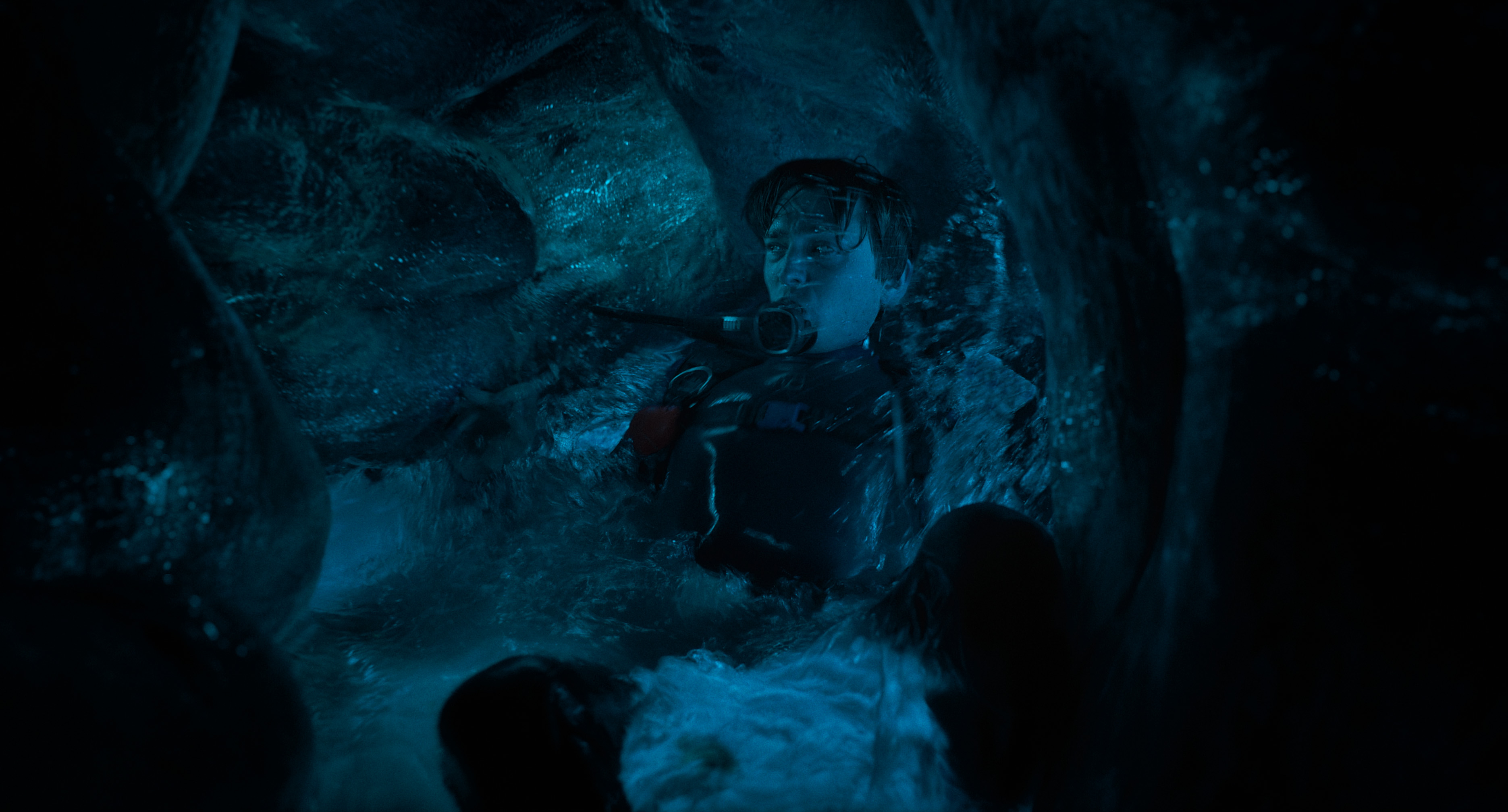
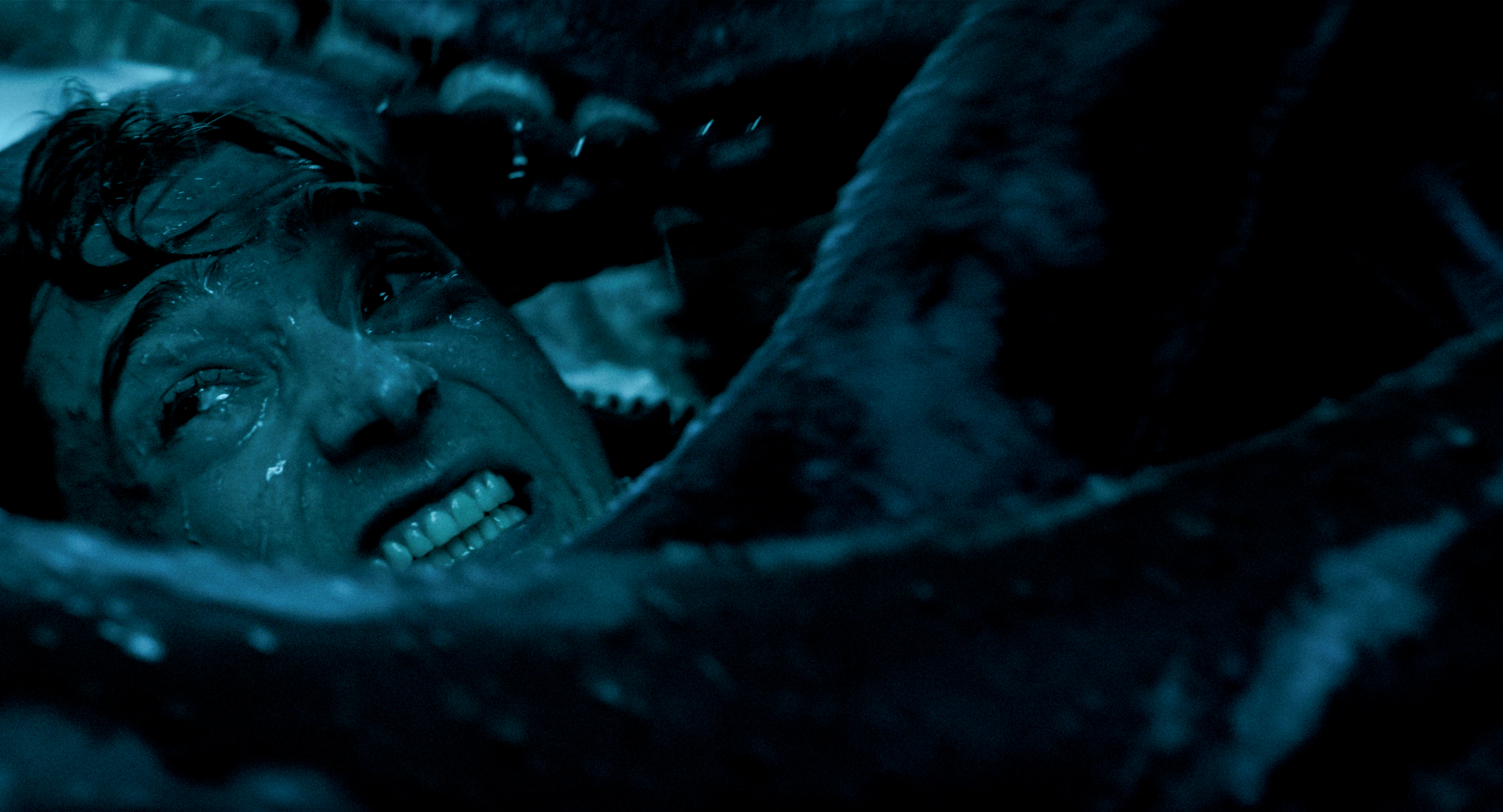
With just about an hour of oxygen left in his diving tank, Jay must endure a series of increasingly agonizing ordeals as he searches for a way to escape his terrifying predicament. There's a nasty encounter with the giant squid's razor-sharp beak, exposure to corrosive stomach acid, and the ever-present threat of being crushed by the whale's constricting organs or suffocating on the toxic, unbreathable methane gas inside its body. Amid the visceral horror of Jay's ingestion, we learn more about his complicated relationship with Mitt, a harsh and often emotionally abusive man, through a series of flashbacks.
Eventually, the whale breaches the surface and Jay nearly manages to break free by climbing out of its open mouth. But he ends up tumbling back inside the whale as it dives deep down into the ocean, causing Jay's eardrums to explode and him to start to hallucinate from lack of oxygen and panic. It's then that Jay, believing he is likely going to die, begins hearing his late father's voice speaking to him through the whale. As the whale is attacked by orcas, saved by its own pod, and returns to the surface, Jay is forced to process his trauma, confront the guilt and grief he feels over not visiting his dad before he died, and come to the realization that the only way he's going to survive is by applying the tough-love diving lessons Mitt drilled into him as a child to his current situation.
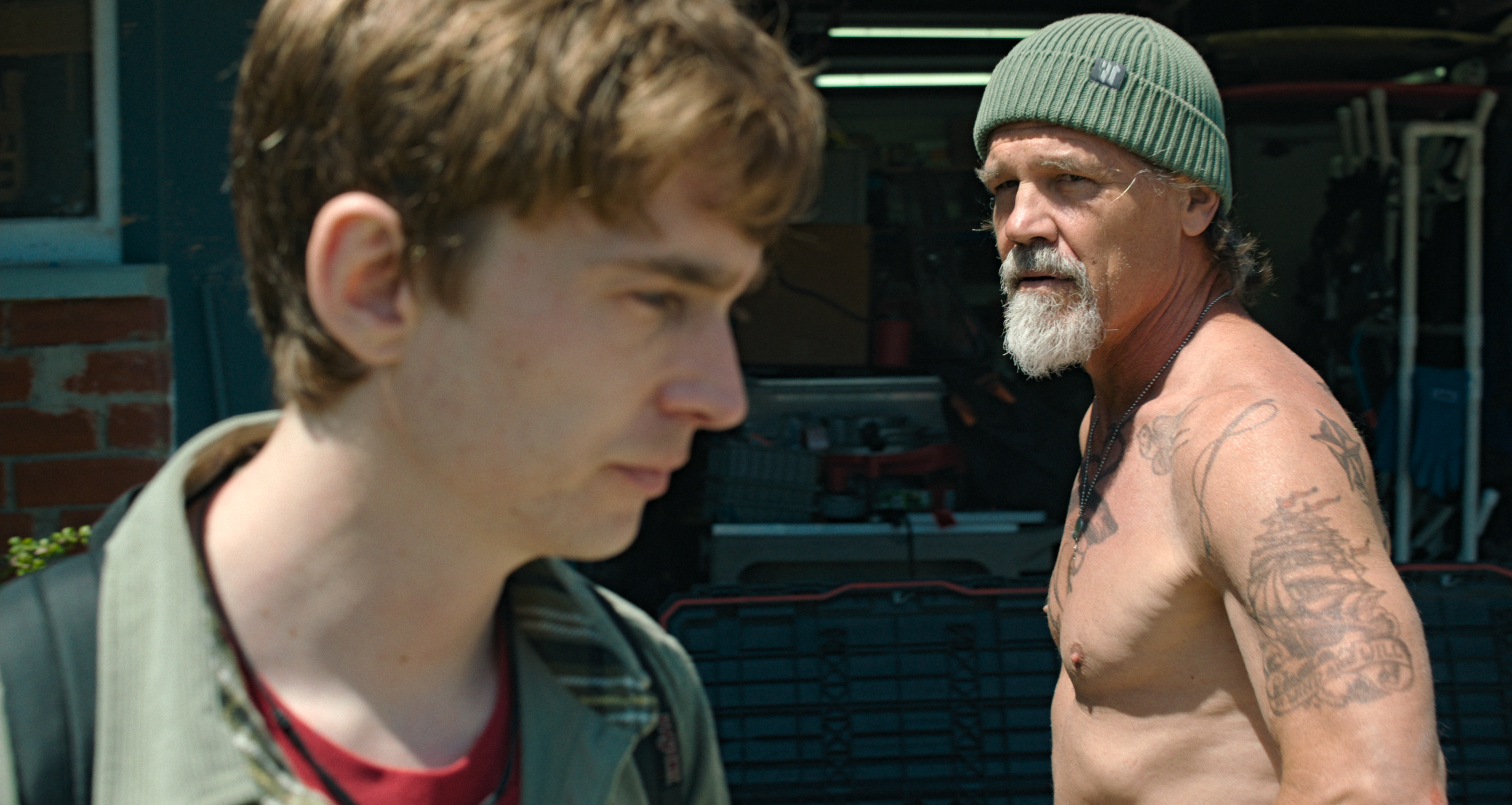
"The whole story is based on his relationship with his father, and not being able to take in what his father is trying to impart because of his father's personality and the way that he does it," Brolin told the Direct of Whalefall's overarching message. "And I think what the whale represents a symbol of how to get out of our own way in order to inhale those gems that you need, because I think the father really wants him to become self-sustaining, and he does it in a way that's almost paranoid. So the son can't hear it, and then when the son needs it, you see that he heard it. He just didn't hear it in the way that [his father] wanted him to, and I don't blame him, by the way."
In the end, Jay is able to escape the whale, who has already succumbed to its orca injuries, by managing to blow it up from the inside. The whole thing is overly sappy and obviously a bit preposterous, but if you're able overlook the absurdity of the premise and some particularly cheesy lines of dialogue, then you may be left feeling some type of way about the meaning of unconditional love. As the whale version of Mitt somberly reminds Jay, "The whale is forever."
Warning: This post contains spoilers for You Can See Everything
We might like to believe that documentary filmmakers are adamantly neutral parties, aiming their cameras at people who are just being themselves and, later, turning whatever the camera captures into objective truth. But because documentaries are, for now, made by humans and not robots, pure objectivity is impossible. When Albert and David Maysles captured Little Edie Bouvier Beale’s exuberant flag-twirling dance in Grey Gardens, they weren’t just casually showing us some random American eccentric in an outlandish headscarf; they were both in awe of her and, at least somewhat, laughing at her. The sequence is funny, jaw-dropping, a little sad. The camera isn’t human, but for better or worse the sensibility behind it is. It may not tell us what to think, but its job is to lead us there.
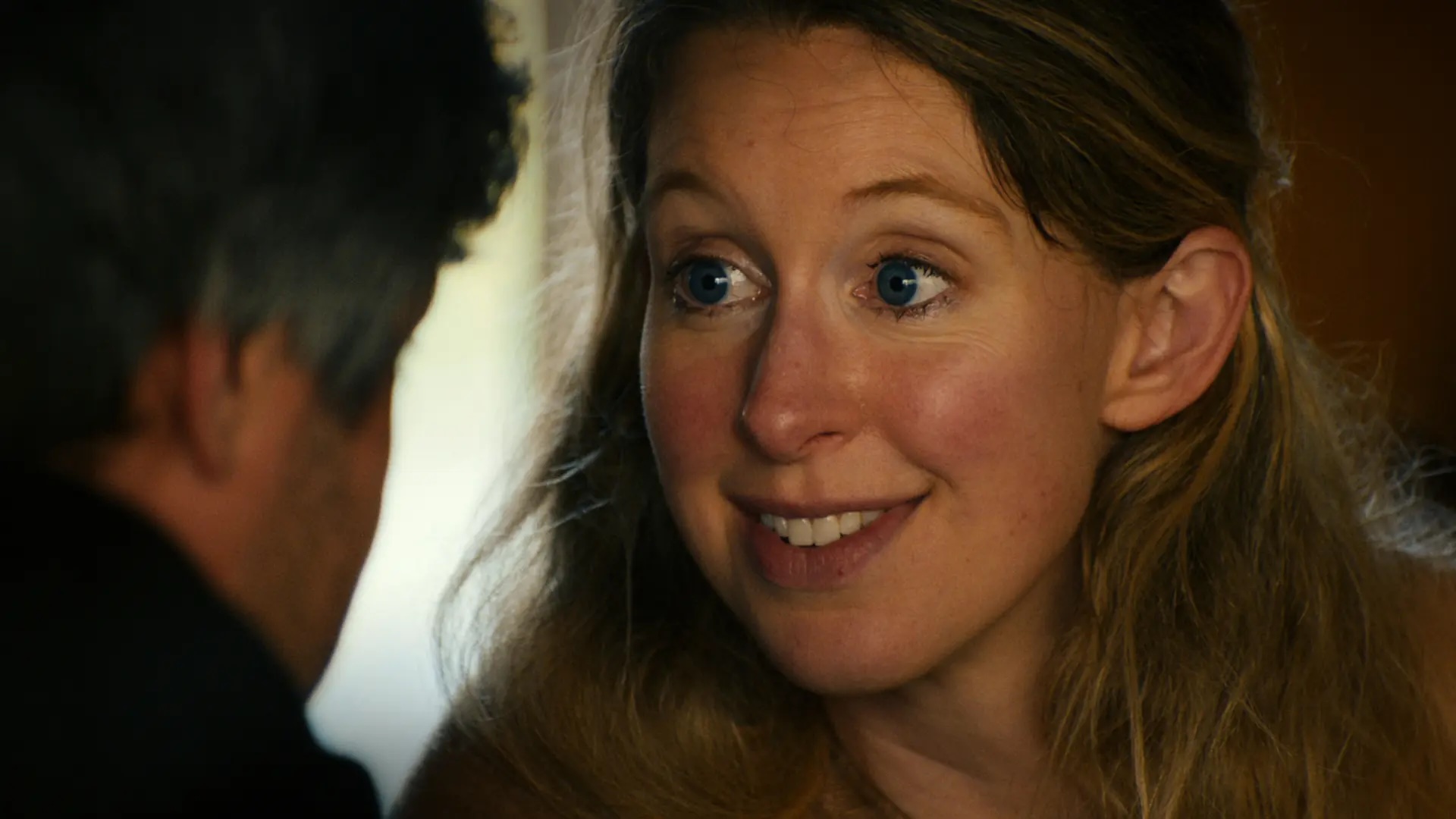
Since its surprise debut at the Telluride Film Festival earlier this fall, You Can See Everything, directed by Nathan Fielder and Lance Oppenheim, has been widely praised as a groundbreaking documentary work, one that will change the face of nonfiction filmmaking forever. Not so fast. The first half of Fielder and Oppenheim’s film chronicles the 34 days leading up to the incarceration of Elizabeth Holmes, founder of the blood-testing technology company Theranos. Holmes was convicted of fraud in 2018 and sentenced to just over 11 years in federal prison, commencing in May 2023. To make this documentary, Fielder, Oppenheim, and their crew camped out with Holmes, her partner Billy Evans, and their two small children, observing their lives up-close—or as up-close as possible. The filmmakers had come at Evans’ urging: some time earlier, he and Holmes, who had completely withdrawn from the public eye, had approached A24 to see if the studio might be interested in making a documentary about them. In a roundabout fashion, Fielder and Oppenheim became the filmmakers charged with the task. Early in the film, we hear Evans explaining that he wanted the world to get an accurate picture of the woman he knew, a devoted partner and mother, whom he felt had been unfairly villainized. The film’s title comes from Holmes’ spoken promise to Fielder: She vowed to keep nothing hidden from the filmmakers—but did she fulfill that promise?
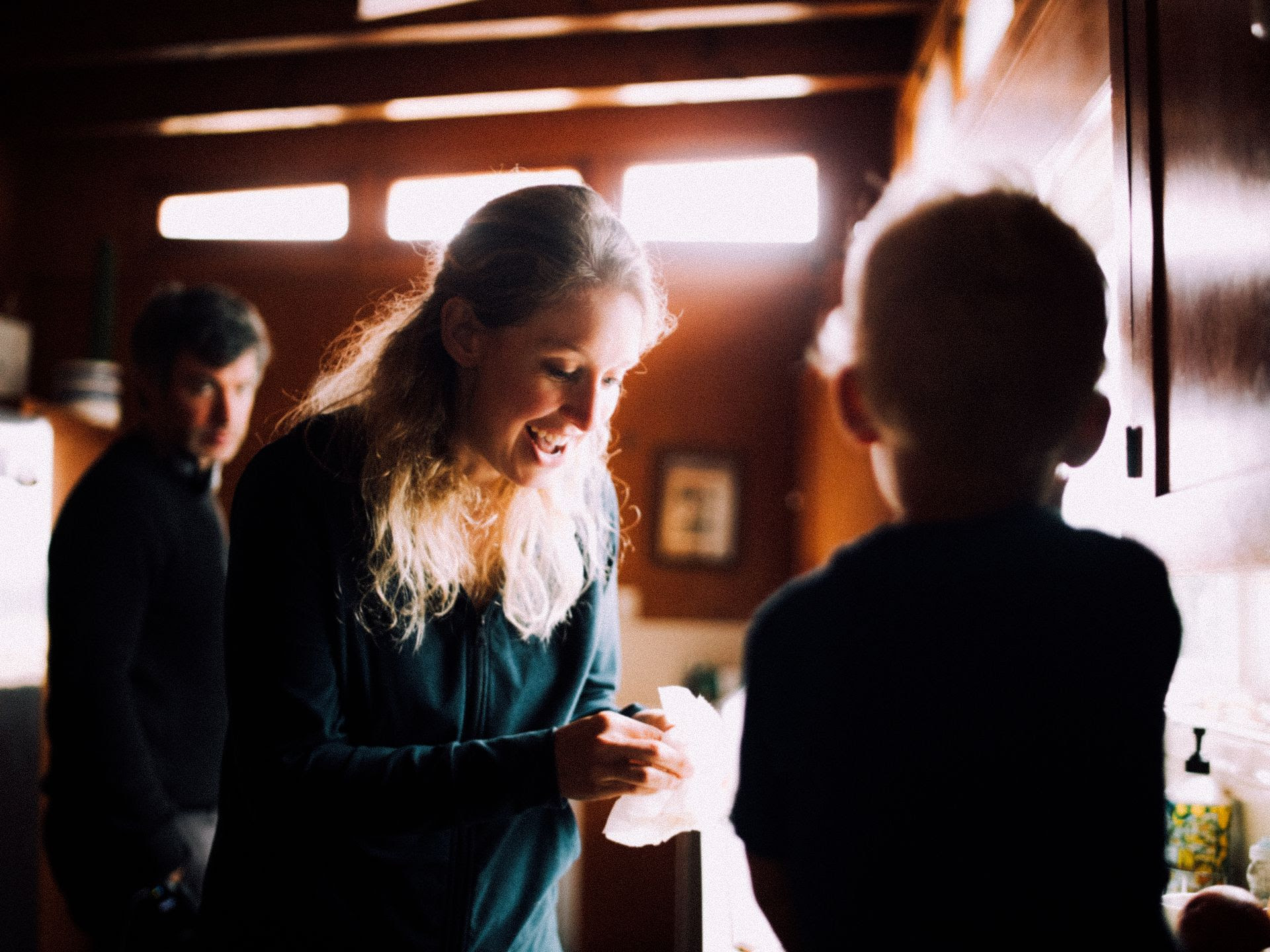
Throughout You Can See Everything, Fielder is often on-screen, with Oppenheim working behind the scenes. Over and over again, Holmes assures Fielder she has nothing to hide, and over and over again, his probing—if insistently performative—questions catch her in slippery half-truths. Her transparency, to paraphrase the words of Courtney Love, is so real it’s beyond fake. This is the major pattern of the film’s first half. When Fielder isn’t asking the questions, he’s lurking behind the scenes, listening in on Evans and Holmes’ conversations with a headset; when he hears something he can’t believe, his eyes widen dramatically, or his brow furrows, or his jaw hangs as slack as that of a puppet. The audience I saw the movie with giggled every time. Faux-Kabuki irony is the new earnestness. If this is the future of documentary filmmaking—or at least that of its loopier cousin, creative-nonfiction filmmaking—many of us will come to miss the late Frederick Wiseman even more than we already do.
Holmes and her let-it-all-hang-out evasiveness isn’t the problem here. If anything, her whirligig insistence on her inability to lie, or even inadvertently deceive, is at least a kind of self-invented honesty. She spins out phrases like “All I know is my truth,” before speaking tearfully about her fear of being separated from her family. As the camera rolls, Holmes works overtime to convince the filmmakers, and us, of her innocence, with Evans butting in frequently to add his 3,268 cents—2 would never be enough. (He keeps insisting that the couple have plans to start a new company, though he seems to have more invested in this scheme than his partner does.) Holmes is one of those smile-talkers—people who grin as words pour out of their mouths. One of her tricks is to never break eye contact, and we can see her working this voodoo on Fielder. Her eyes are a glassy, translucent blue. I’ve never seen eyes like this, except on creepy European-made porcelain dolls from the 19th century. Are we seriously going to trust this woman?
We’re not, and Fielder doesn’t seem to be headed in that direction either, at least at first. This is a dense picture—there’s almost too much to unpack, if you can be bothered to care about any of it. Holmes is fascinating, and weirdly compelling. But by design, Fielder is as much a player in You Can See Everything as Holmes is, and your feelings about the film overall will depend on how much of him you can take. Fielder has made a name for himself with the shows Nathan for You and The Rehearsal, in which he essentially makes himself look foolish, a little, and makes others look foolish, a lot. Oppenheim, his friend and filmmaking partner, is the director behind the recent nonfiction feature Primetime, as well as docs like the 2020 Some Kind of Heaven, which turns a sarcastic eye on the Florida retirement community known as The Villages—the ultimate in shooting-fish-in-a-barrel filmmaking. It’s hard to say who’s more responsible for You Can See Everything’s stultifying smirkiness, at least in the first half; these two are clearly of like mind.
But there’s a major shift in the film's second half, one that suddenly, and blessedly, makes it at least watchable. (If you don’t want to know anything about this twist, stop reading here.) The film's second section picks up two years after Holmes has gone off to prison, which means Fielder and Oppenheim have been deprived of their subject. What little access they might have had is severely curtailed by Evans, who now seems less like a caring husband and more like an evil puppetmaster, eager to use his wife’s words and likeness for his own gain. (His increasing aura of evil is unnerving, especially when you consider that he’s almost fully in charge of raising the couple’s two young children.) Fielder and Oppenheim are at a loss—until it occurs to them to enlist the help of Amanda Seyfried, who played Holmes in the 2022 miniseries The Dropout, both to stand in for the disgraced entrepreneur and to weigh in on her plight.
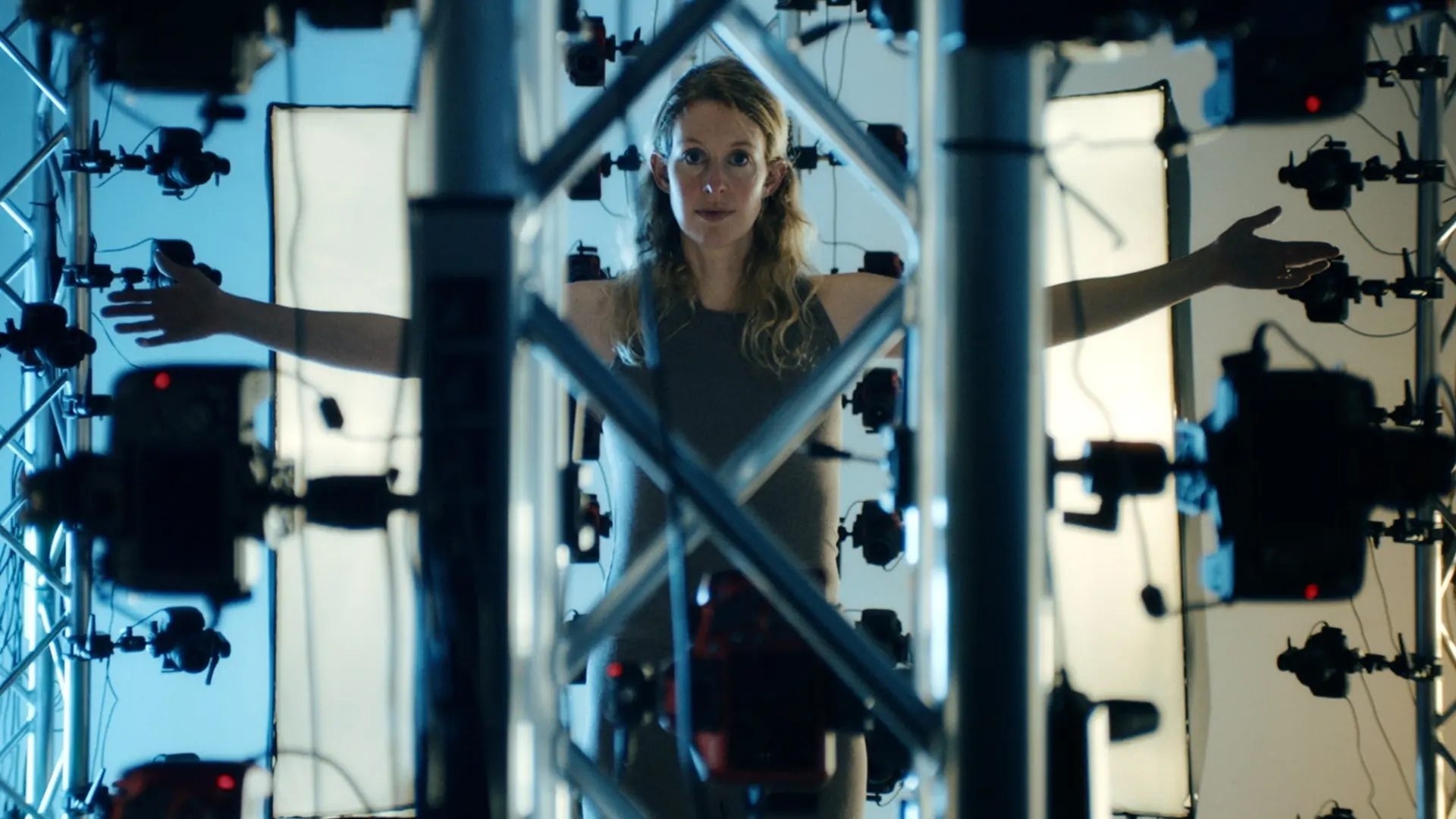
As evidence mounts that Evans appears to be a megalomaniac, Fielder grows increasingly concerned about Holmes, and his sympathies shift before our eyes: Is she a victim, not just in the court of popular opinion, but also of the person closest to her? Seyfried seems to feel similarly, at least at first. What’s clear is that she hates to see any woman under the thumb of a potentially dangerous man (or any man, for that matter), and she thinks out loud about the possibility that Holmes, as a woman who’d been convinced that the company she’d founded could disrupt the health-care system and actually help people, may have been both manipulated and misjudged. Still, she’s clear-eyed enough to see that Fielder may be going overboard in his emotional attachment to his subject. That’s the dynamic that makes the second half of You Can See Everything click. Seyfried’s presence is the movie’s saving grace: Unlike Fielder, there’s nothing calculating about her, and the film’s second half is uncomfortably alluring.
But is that really enough? You Can See Everything is designed to make us think, hard, about the relationship between a documentarian and his subject. But anyone who's never considered that relationship before probably hasn't been watching documentaries closely enough. The intensity of the filmmaker-subject relationship—in addition to any potential untrustworthiness—is almost always implied, if not explicit. That’s true of all the films made by the great documentary filmmakers—people like Wiseman, the Maysles brothers, Agnès Varda, Werner Herzog, and many others—whether they insert themselves directly into the narrative or not. You Can See Everything has some inventive touches, and no matter what, it’s remarkable that Fielder and Oppenheim were able to keep the film a secret for the three-plus years they were working on it. But they haven’t revolutionized the documentary film; they’ve only reinforced what distinguishes a novelty from a work of genius, mere cleverness and snark from true depth of perception. Their movie feels more like a product they’ve brought to market than an example of the documentarian’s art. Are we buying or not?
