Reading view

Space junk punched a new hole in the moon. It’s not ours to abuse | Moriba Jah

The space industry treats the sky as a place to dump what it no longer wants. We must develop a new model of accountability

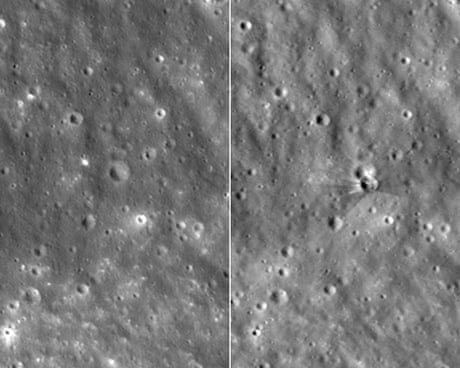
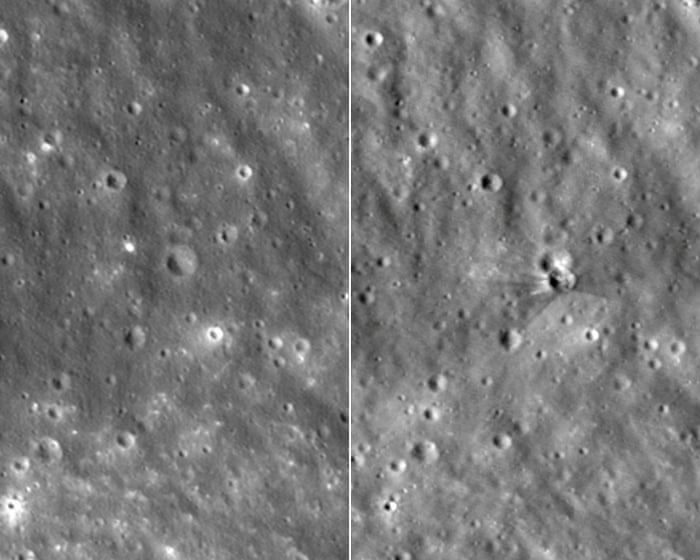
On 5 August, a piece of a derelict SpaceX rocket traveling at 5,400 miles an hour met with the moon and punched a fresh hole into it near Einstein Crater. Astronomers were thrilled. The European Southern Observatory caught sodium and lithium flaring in the debris plume and called it a bonus. The media called it a light show. Nobody was physically hurt, so nobody is responsible, and within a week the story was gone.

I have spent 20 years tracking the junk humanity leaves behind in space for a living, and I want to tell you plainly what that crater actually is: a receipt. It’s what you get when an entire industry treats the sky, and now the moon, as a place to dump what it no longer wants, and calls the dumping “normal operations” or “space exploration”.

Continue reading...
© Photograph: NASA Goddard/Intuitive Machines/AFP/Getty Images
© Photograph: NASA Goddard/Intuitive Machines/AFP/Getty Images
© Photograph: NASA Goddard/Intuitive Machines/AFP/Getty Images
  •  

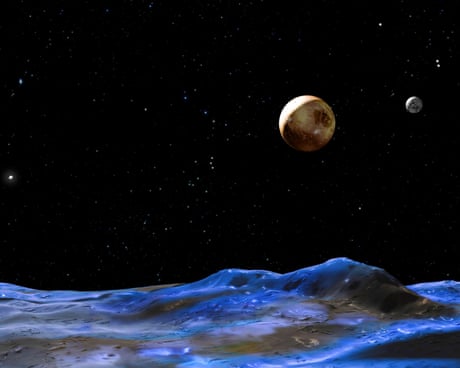
Forbidden planet: was Pluto’s 2006 demotion a big mistake?

Since it was stripped of planetary status, Pluto’s defenders have been fighting the decision – and they’re only getting more passionate

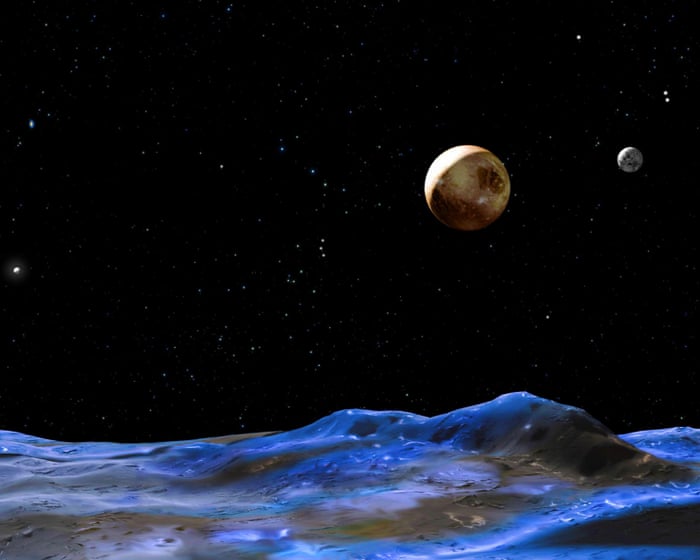
Twenty years ago, Pluto got demoted. After a vote by the International Astronomical Union (IAU) in August 2006, Pluto was relegated from major planet to dwarf planet status. Our solar system dropped from nine planets to eight. At the time, many scientists were unhappy with the decision. Two decades on, the debate is, if anything, even more polarised.

“The definition of a planet they created, you can’t use it at all,” says Philip Metzger, the director of the Stephen W Hawking Centre for Microgravity Research and Education at the University of Central Florida. “It makes the definition of a planet completely non-useful in science.”

Continue reading...

© Photograph: Universal History Archive/Universal Images Group/Getty Images

© Photograph: Universal History Archive/Universal Images Group/Getty Images

© Photograph: Universal History Archive/Universal Images Group/Getty Images

  •  

Artemis II astronauts receive nation's highest space honor for their successful moonshot

Reid Wiseman, Victor Glover, Christina Koch and Jeremy Hansen receive Congressional Space Medal of Honor

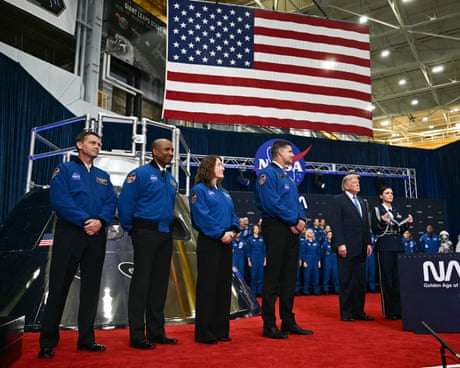
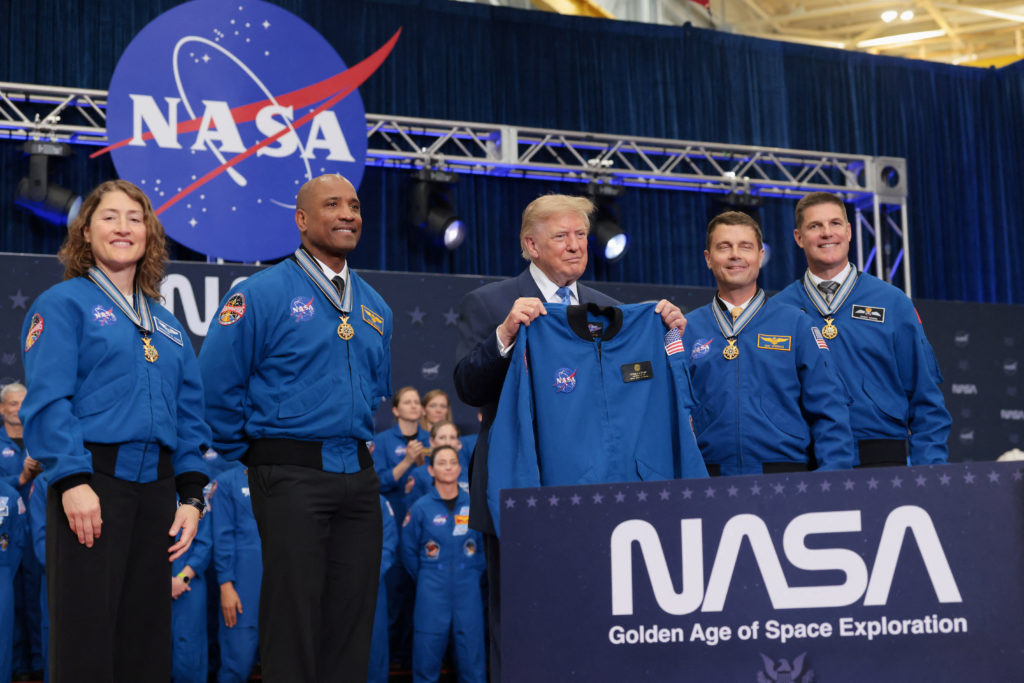
The Artemis II astronauts who flew around the moon in April received the US’s highest space honor on Friday.

Donald Trump presented the Congressional Space Medal of Honor to the three Americans and one Canadian whose lunar flyby for the US space agency Nasa set a new distance record for humanity.

Continue reading...

© Photograph: Kent Nishimura/AFP/Getty Images

© Photograph: Kent Nishimura/AFP/Getty Images

© Photograph: Kent Nishimura/AFP/Getty Images

  •  

Artemis II astronauts receive nation's highest space honor for their successful moonshot

Reid Wiseman, Victor Glover, Christina Koch and Jeremy Hansen receive Congressional Space Medal of Honor

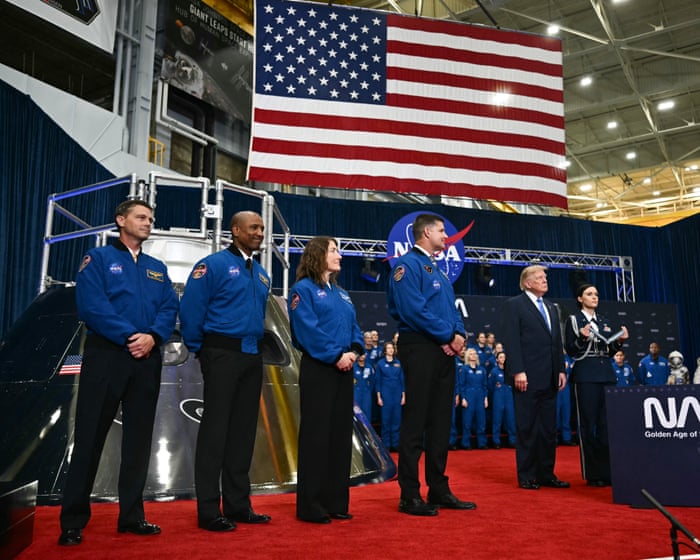
The Artemis II astronauts who flew around the moon in April received the US’s highest space honor on Friday.

Donald Trump presented the Congressional Space Medal of Honor to the three Americans and one Canadian whose lunar flyby for the US space agency Nasa set a new distance record for humanity.

Continue reading...

© Photograph: Kent Nishimura/AFP/Getty Images

© Photograph: Kent Nishimura/AFP/Getty Images

© Photograph: Kent Nishimura/AFP/Getty Images

  •  

Nasa space telescope launches after surviving Trump budget cuts

Searching for exoplanets and clues on planet formation, the Roman telescope begins million-mile journey from Florida launchpad

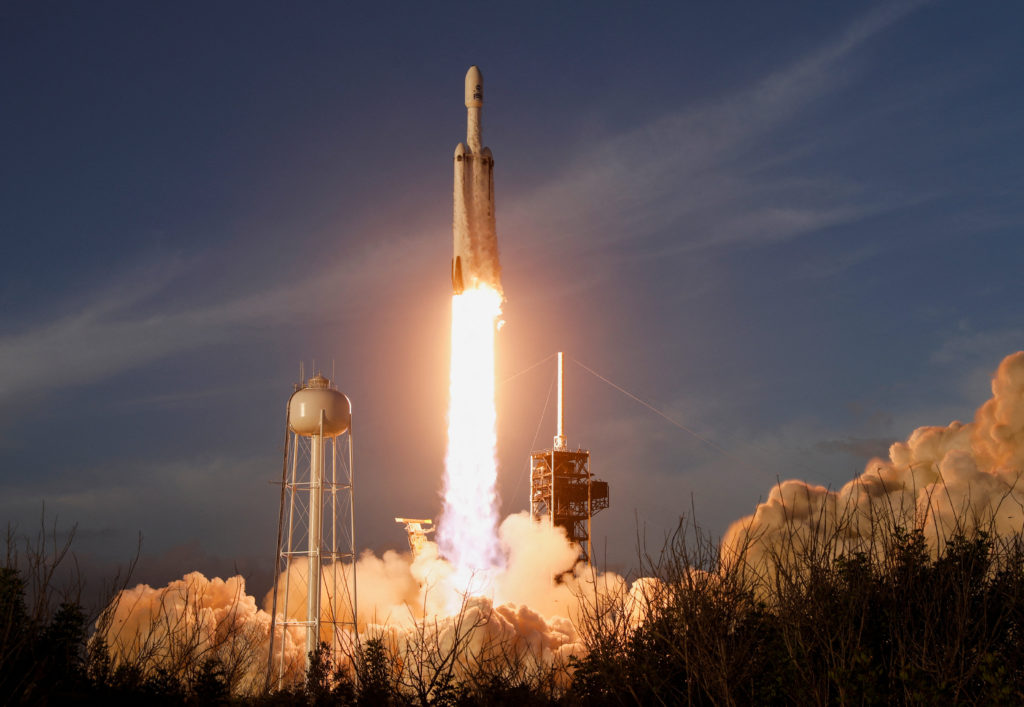
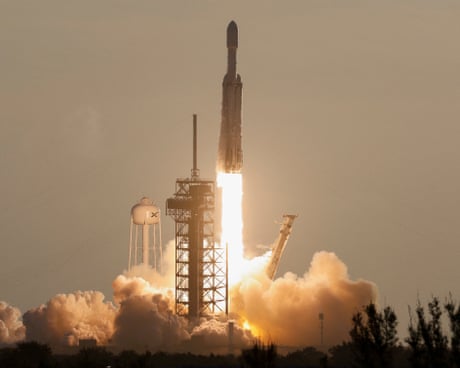
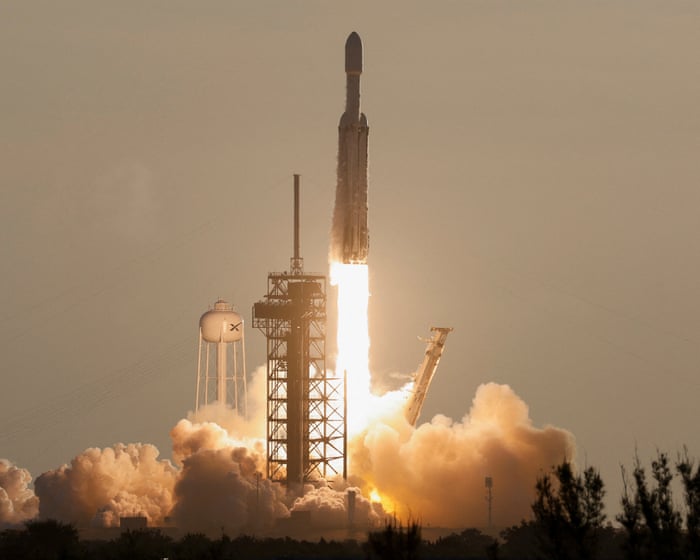
A $4.3bn space telescope that Donald Trump tried to kill has lifted off from Florida as Nasa embarks on the next stage of its quest to unlock the secrets of the universe.

The Nancy Grace Roman space telescope survived two rounds of proposed White House budget cuts, and began a million-mile journey into deep space from a launchpad at the Kennedy Space Center on Sunday morning. .

Continue reading...

© Photograph: Joe Skipper/Reuters

© Photograph: Joe Skipper/Reuters

© Photograph: Joe Skipper/Reuters

  •  

Nasa space telescope launches after surviving Trump budget cuts

Searching for exoplanets and clues on planet formation, the Roman telescope begins million-mile journey from Florida launchpad

A $4.3bn space telescope that Donald Trump tried to kill has lifted off from Florida as Nasa embarks on the next stage of its quest to unlock the secrets of the universe.

The Nancy Grace Roman space telescope survived two rounds of proposed White House budget cuts, and began a million-mile journey into deep space from a launchpad at the Kennedy Space Center on Sunday morning. .

Continue reading...

© Photograph: Joe Skipper/Reuters

© Photograph: Joe Skipper/Reuters

© Photograph: Joe Skipper/Reuters

  •  

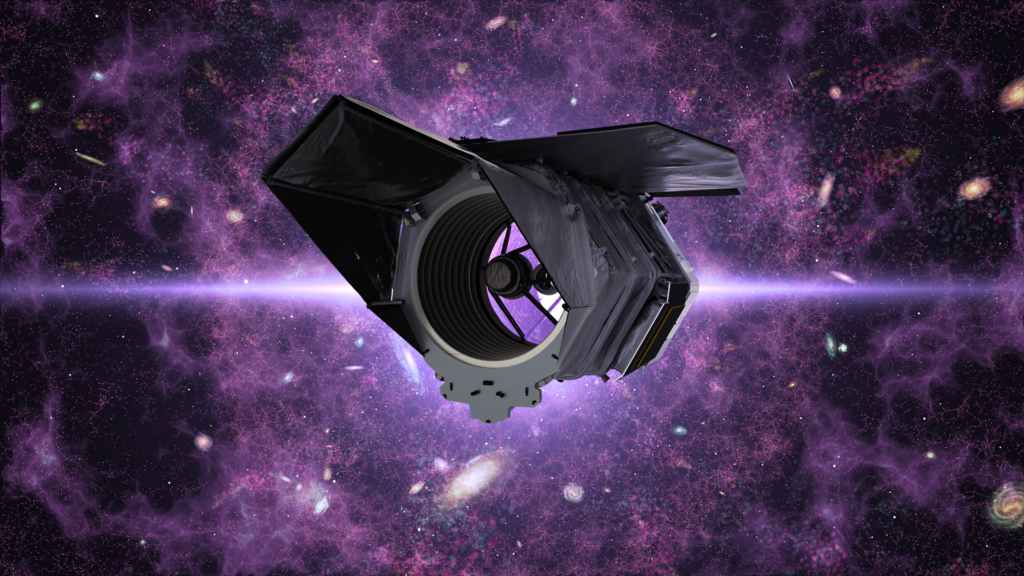
NASA is preparing to launch the Nancy Grace Roman Space Telescope. Here's what to know

NASA plans to soon launch a new space telescope that will survey a billion galaxies to trace how the universe evolved over time, all courtesy of America's spy program and decades of research into detector technology. Once in position, it will take data that astronomers hope will help answer some of the field's most puzzling questions.

  •  
❌