Workers thought to be stuck in underground areas at 11 sites after last week’s devastating flash floods
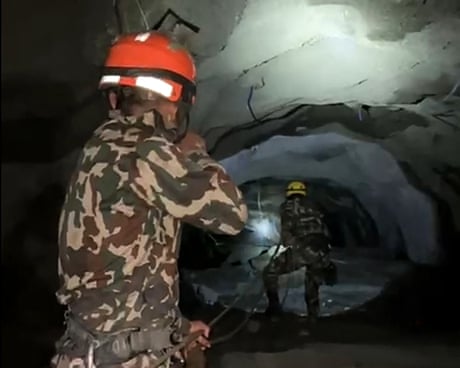
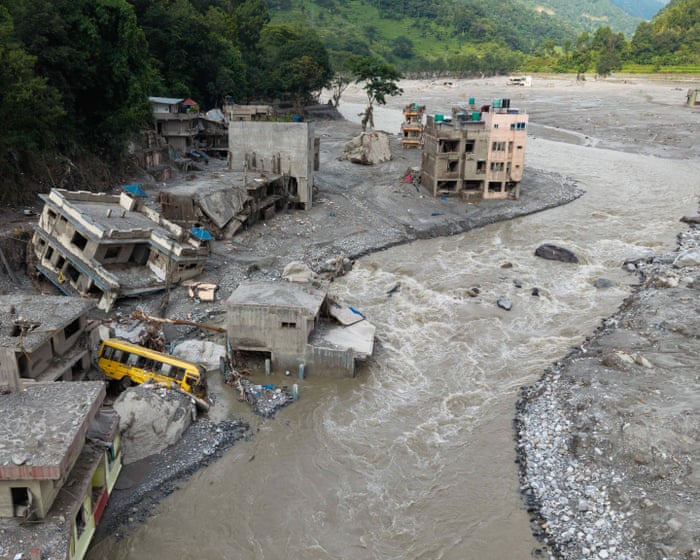
Rescue teams are working to reach more than 900 missing hydropower workers, hundreds of whom are feared trapped in the tunnels and underground areas of 12hydropower projects in Nepal after the devastating flash floods, the country’s disaster management authority has said.
The death toll from the unprecedented deluge of ice, rock, mud and debris on Wednesday last week has risen to 939 people, with 16 more dead reported in Tibet. More than 4,400 are missing on the two sides of the border.
Rights group claims 300 homes were destroyed in Tibet and number of missing people is ‘far higher’ than Beijing admits
A Tibetan advocacy group says hundreds of homes were destroyed on the Tibetan side of the border in last week’s deadly floods, raising questions about Beijing’s official account of the scale of the disaster.
Public discussion about the flash floods has been restricted, with security officials in Tibet announcing on Sunday that it had penalised at least 10 people for sharing “false disaster information”. There was no further information on the nature of the penalties.
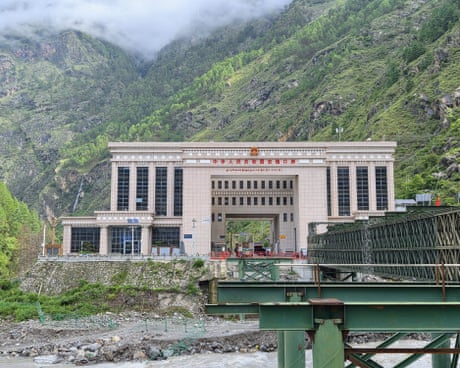
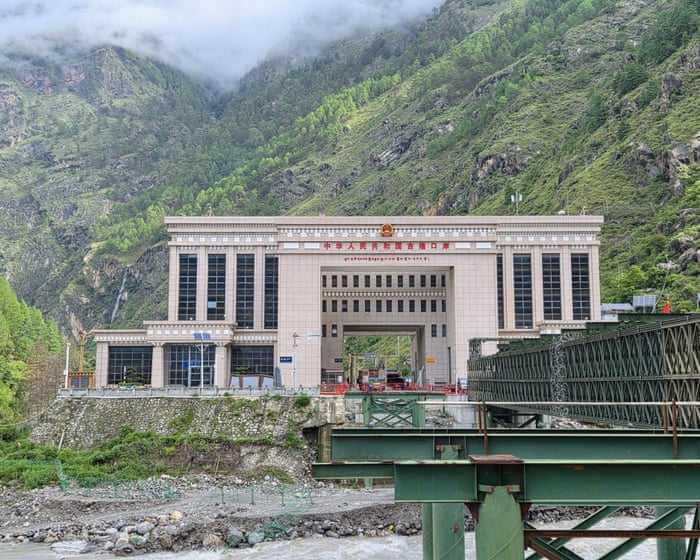
After a glacial flood last year, Chinese officials strengthened defenses at a border crossing with Nepal. But last week’s “cascade of hazards” overwhelmed them.
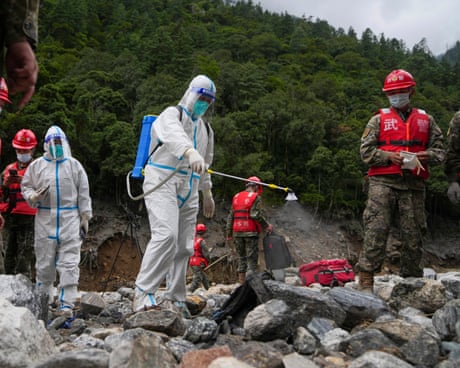
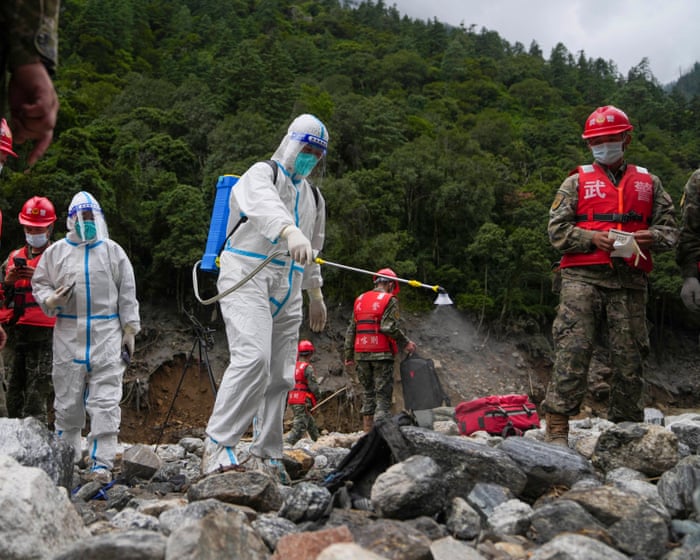
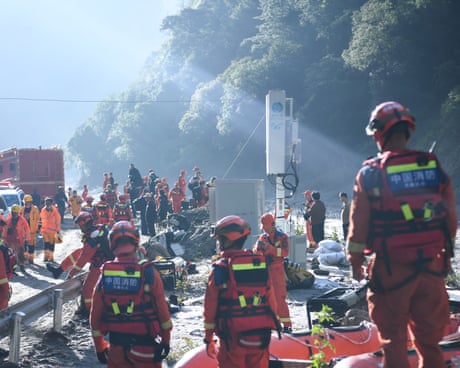
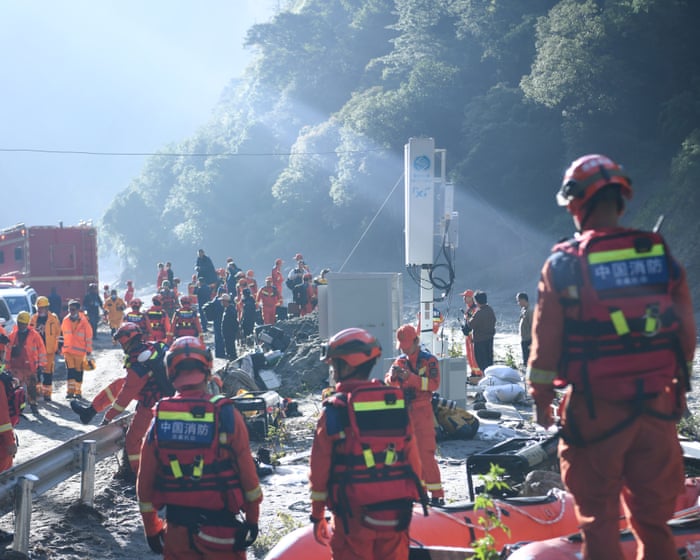
Searching for missing people along a road leading toward Gyirong Port in China on Sunday. On Wednesday a tsunami-like wave of ice, boulders and water tore through the port complex.
Workers thought to be stuck in underground areas at 11 sites after last week’s devastating flash floods
Rescue teams are working to reach more than 900 missing hydropower workers, hundreds of whom are feared trapped in the tunnels and underground areas of 12hydropower projects in Nepal after the devastating flash floods, the country’s disaster management authority has said.
The death toll from the unprecedented deluge of ice, rock, mud and debris on Wednesday last week has risen to 939 people, with 16 more dead reported in Tibet. More than 4,400 are missing on the two sides of the border.
Richer countries might have more resources to deal with catastrophe, but this problem grips the entire planet, however much leaders may want to deny it
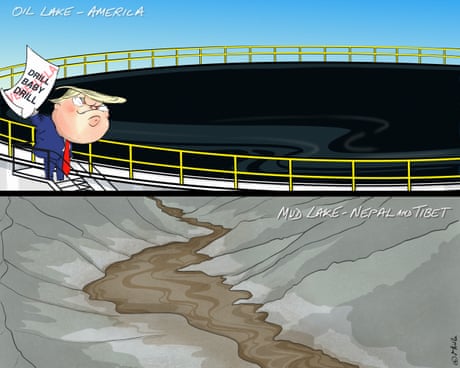
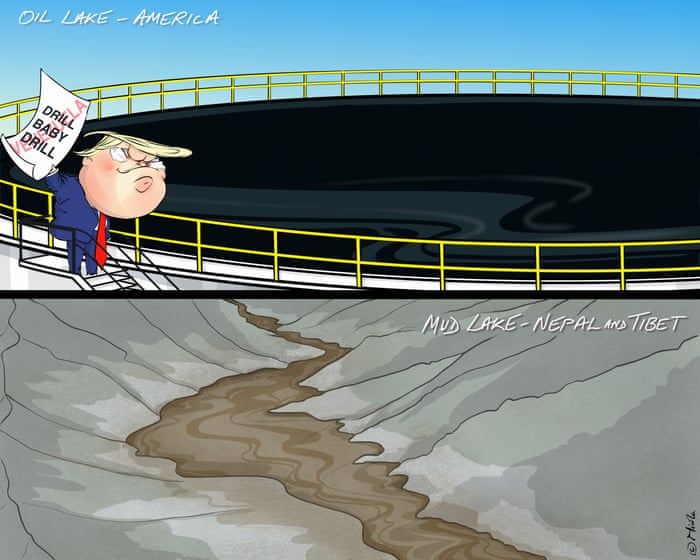
Climate breakdown is happening on one Earth, but two different worlds. In one, its impacts increasingly encroach on everyday life; longer periods of discomfort and shorter periods of sharp pain. Endless, hotter summers, and within them sudden wildfires, evacuations, homes burned to cinders in a matter of hours. In another, catastrophe. This summer has been a snapshot of that split-screen. The hottest day on record in parts of Europe, and a wave of water, mud and ice in Nepal that so far has claimed more than 750 lives. Thousands of people are still missing.
The difference is also one of resources. The climate crisis has an economic cost, but some places can absorb it better than others. Responses to this summer of wildfires in Europe included a rapid scrambling by the French government to provide everything from tax breaks for businesses affected by the fires to relocation costs and aid to rebuild homes. The UK government had deployed almost £100m before the summer to strengthen wildfire resilience.
In today’s newsletter: As rescuers search for survivors after catastrophic floods, the disaster offers a stark warning about the climate risks facing the region, and the world
Good morning. Over the weekend, rescue workers in Nepal and Tibet raced to find people who are still trapped in villages affected by catastrophic flash floods. As of this morning, the death toll stands at 903, and more than4,000 people are missing.
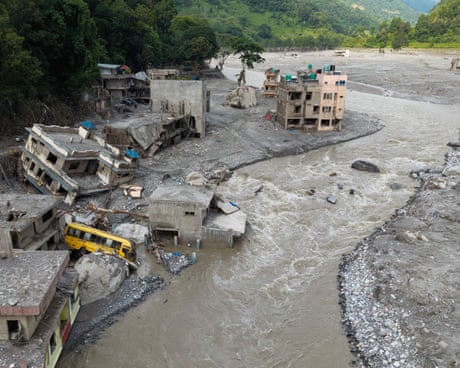
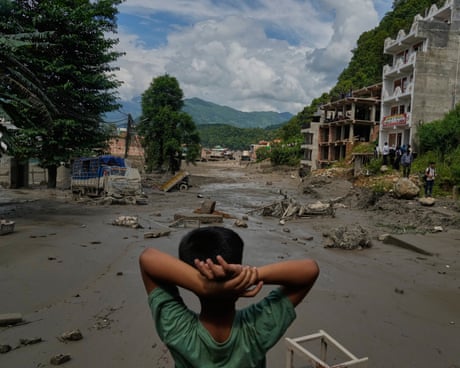
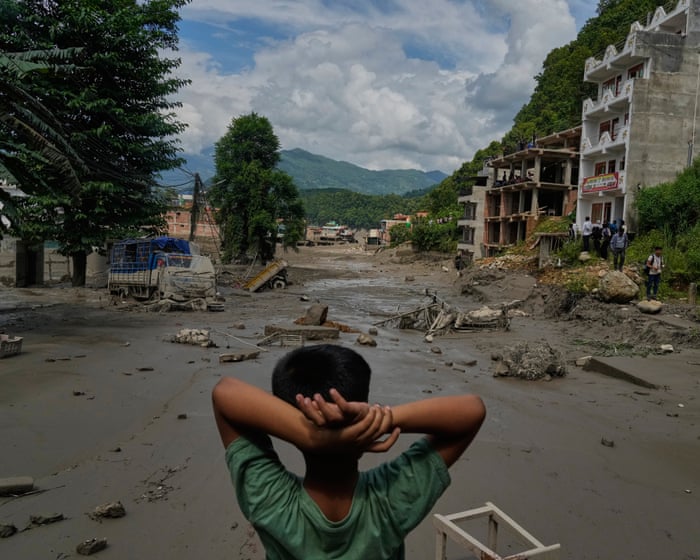
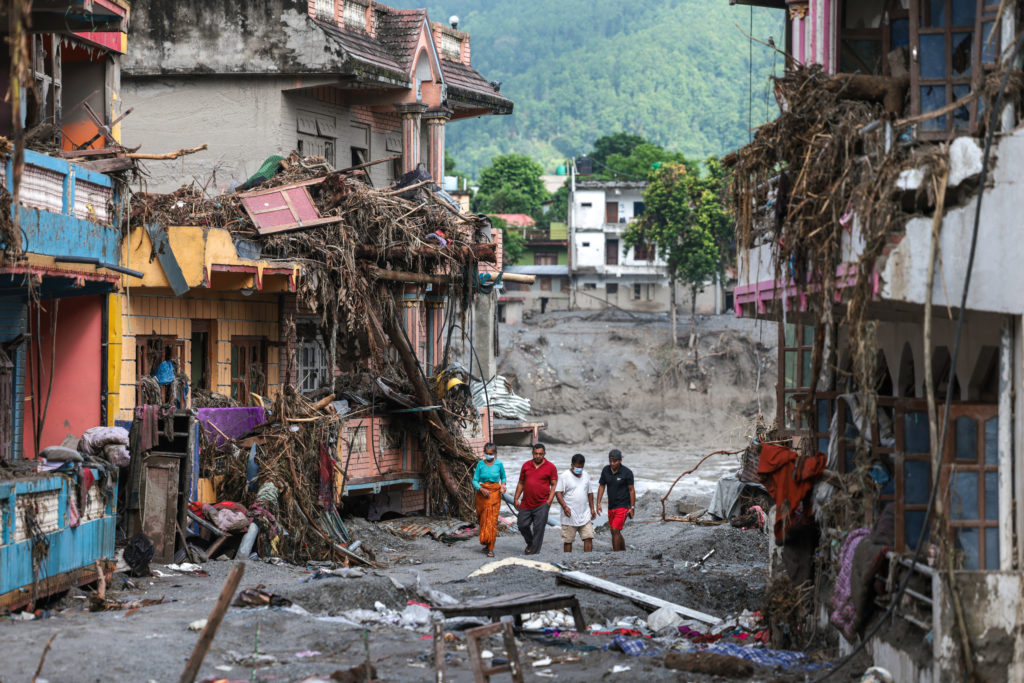
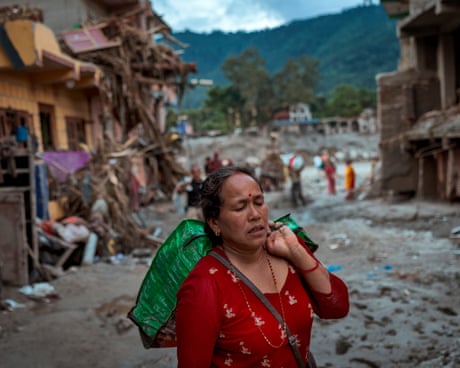
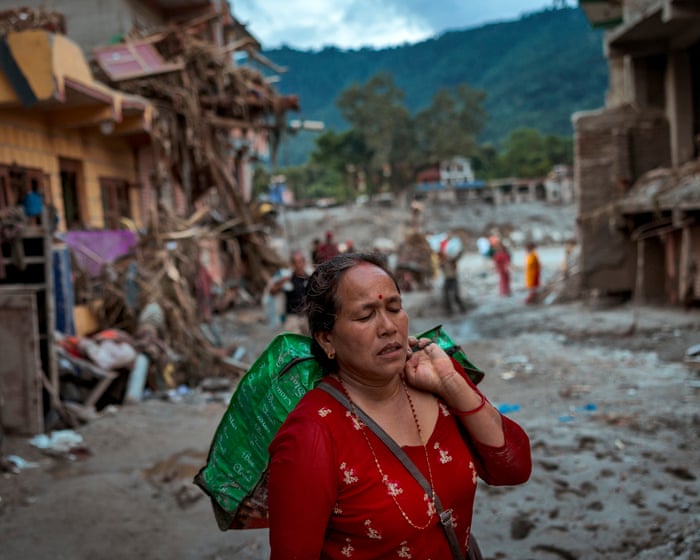
For those of you reading this in a place where life continues as usual, the scale of devastation is hard to fathom. In a matter of minutes, a torrent of mud and debris engulfed entire villages, snapped bridges and swept away people’s homes and families. Some survivors are marooned on top of buildings that rescue workers can’t reach. Others are trapped in tunnels beneath the ground. Many have no idea if their loved ones are still alive.
UK politics | PC Andrew Harper’s killers will remain in prison after Andy Burnham announced changes to the early release scheme that will see anyone convicted of unlawful killing, including all forms of manslaughter, excluded from the scheme.
Milo Yiannopoulos | Far-right British media provocateur Milo Yiannopoulos has been deported from the US back to the UK by Immigration and Customs Enforcement (ICE) in connection with what the agency said was expired authorisation to be in the country.
US-Iran | Iran has launched retaliatory strikes on airbases in Jordan after the United States attacked Iranian rocket launchers on an island in the strait of Hormuz, the first such strikes in a month.
Iceland | In a blow to Brussels, Iceland has held a referendum that has narrowly rejected the government’s proposal to hold accession talks with the EU.
Nepal-Tibet disaster | A headteacher in Nepal evacuated 900 children from a school moments before a deadly wall of water struck their town amid the devastating flash floods that have killed almost 800 people and left thousands missing.
Tuesday | Justice secretary Alex Norris is due to present the government’s revised plans for the prisoner early release scheme, which includes a headroom review aimed at freeing up more space in the system.
Thursday | In the first UK visit by an EU leader of Andy Burnham’s tenure, the prime minister is will host talks with French president Emmanuel Macron.
Saturday | Officials from Jamaica will visit the UK to lodge a petition with King Charles to seek legal guidance from the privy council on the country’s request for reparations over Britain’s involvement in the slave trade, on the anniversary of the 1781 Zong slave ship departure from West Africa.
The authorities in Nepal and Tibet said that more than 4,400 people were missing since a deadly Himalayan landslide and glacial collapse. Rescuers are searching for survivors.
Total number of missing Britons between Tibet and Nepal at 48 as Beijing mobilises more than 2,100 rescue workers
Fifteen British nationals are reported to be missing in China as the search continues for survivors of the devastating flooding in Nepal and Tibet.
Nepali and Chinese authorities confirmed an updated death toll of at least 810 on Sunday. More than 3,000 people are believed missing after flash floods triggered by a massive glacier collapse in the Himalayas on Wednesday engulfed Gyirong port on the Nepal-China border.
Flood warning notices were sent to people's phones early Sunday as rescue crews worked to clear a major highway connecting Kathmandu to one of the areas worst hit by Wednesday's catastrophic floods.
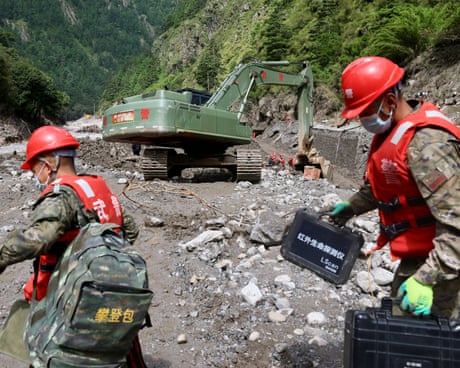
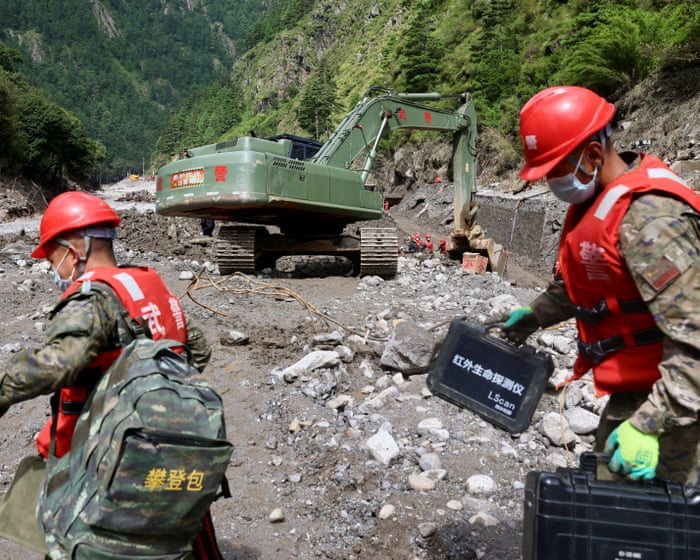
Rescuers in Nepal and Tibet have battled through leg-sucking mud amid the threat of fresh flooding to search for thousands of people still missing after a deadly wall of water swept through the Himalayan border zone, engulfing entire villages.
The latest updates on Sunday put the number of missing at 3,048, including hundreds of foreigners. There was a total of 804 confirmed deaths across Nepal and Tibet, and reports of some bodies swept downstream possibly as far as India.
Many religious pilgrims head to the Nepal region to visit Mount Kailash on the border of Nepal and Tibet. Floodwaters ravaged the area, leaving thousands unaccounted for and killing at least 675.
The disclosure offered one of the clearest pictures yet of the disaster on the Chinese side of the border, where authorities have released few details.
Rescuers in Nepal and Tibet have battled through leg-sucking mud amid the threat of fresh flooding to search for thousands of people still missing after a deadly wall of water swept through the Himalayan border zone, engulfing entire villages.
The latest updates on Sunday put the number of missing at 3,048, including hundreds of foreigners. There was a total of 797 confirmed deaths across Nepal and Tibet, and reports of some bodies swept downstream possibly as far as India.
The daughter of a woman missing in Nepal has told how she traced her mother’s location through a TikTok video posted hours before the devastating flash flood hit.
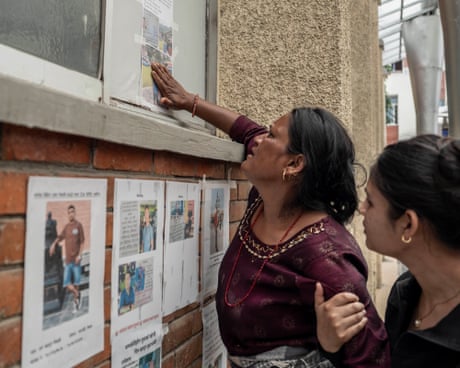
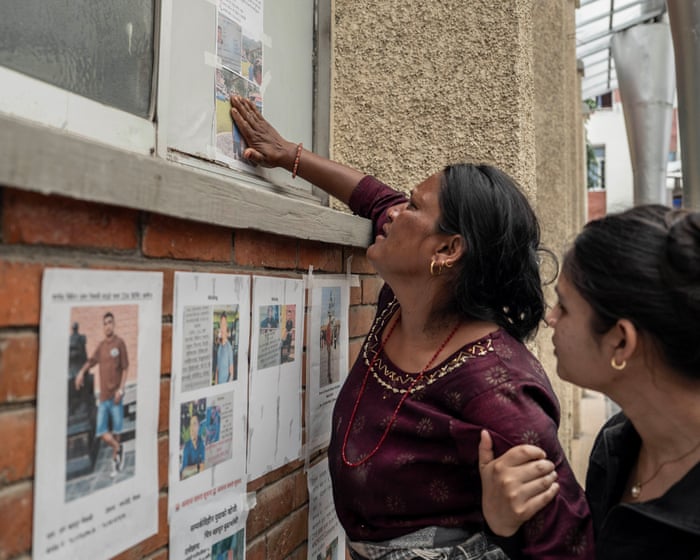
Posters of missing people line the wall of the hospital, the glue still fresh beneath. A schoolgirl smiling in her uniform; a beaming, chubby-cheeked baby; a couple smiling on their wedding day; a young man, hands on hips, atop a mountain peak; a young girl with flowing hair, peeking out from behind a door.
These faces are just a fraction of the thousands who have not been seen since deadly flash floods coursed through the Himalayas and wiped away entire villages. By Saturday morning, the toll of the missing had risen to almost 3,000, in both Nepal and Tibet.
Posters of missing people line the wall of the hospital, the glue still fresh beneath. A schoolgirl smiling in her uniform; a beaming, chubby-cheeked baby; a couple smiling on their wedding day; a young man, hands on hips, atop a mountain peak; a young girl with flowing hair, peaking out from behind a door.
These faces are just a fraction of the thousands who have not been seen since deadly flash floods coursed through the Himalayas and wiped away entire villages. By Saturday morning, the toll of the missing had risen to almost 3,000, in both Nepal and Tibet.
Poor weather temporarily hampered aerial rescue operations in Nepal on Saturday as the search for thousands of missing people in areas devastated by catastrophic flash floods along the border with China continued.
The combined toll in Nepal and Tibet rose to 691 dead and more than 3,000 people missing after China’s latest update on Sunday. Chinese authorities reported 16 deaths and 546 missing, while Nepal’s disaster agency said late Saturday that the death toll had climbed to 675 with 2,498 people missing.
The loss of power-generating capacity has raised questions about an ambitious expansion of renewable energy in one of the world’s most hazard-prone mountain regions.
A catastrophic deluge of ice and debris knocked out over 12 percent of Nepal’s hydropower capacity within minutes, striking a heavy blow to the nation’s economic engine.

 Login
Login