Reading view

После C++ захотелось изучить Rust поглубже. Да и под рукой не оказалось софтины с нужным функционалом Quicksort

Каждый день мы работаем с файлами: перемещаю, копируем, сортируем, раскладываем по папкам. И каждый день тратим массу времени на то, чтобы открыть нужную директорию, перетащить файл, закрыть лишние окна. В Windows эта рутина особенно утомляет: проводник, куча вкладок, постоянное переключение между папками. Хотелось простого решения: выделил файл → правый клик → выбрал папку → файл перемещён. Без лишних телодвижений, без открытия дополнительных окон.

К тому моменту уже много лет работал с C++ — WinAPI, COM, IPC, низкоуровневую работу с системой. Но в современных проектах хотелось попробовать что-то более безопасное, современное и приятное в разработке. Так я обратил внимание на Rust. Безопасная работа с памятью, богатая экосистема, отличная поддержка Windows через windows-rs — это выглядело многообещающе. А Tauri (на базе Rust) давал возможность сделать красивый GUI на React, но без тяжеловесного Electron.


Читать далее
  •  

redb 3.7: свой gRPC-протокол, отсечение props до агрегата и релиз, отозванный через день

Свой gRPC-wire в Route, отсечение props до агрегата в redb.Core, Tsak закрыт по умолчанию, второй фасад у Identity. И 3.7.0, отозванный через день.

За три дня у экосистемы сменилось три номера: 3.7.0, 3.7.1 и 3.7.2. Первый отозван, живой номер 3.7.2. Ниже разбор того, что в этой линии вышло, в порядке зависимостей: интеграционный движок redb.Route, хранилище redb.Core, рантайм redb.Tsak и OpenID-сервер redb.Identity. Все четыре продукта идут на одном номере, 66 пакетов.

Начну с того, почему номеров три.

Читать далее
  •  

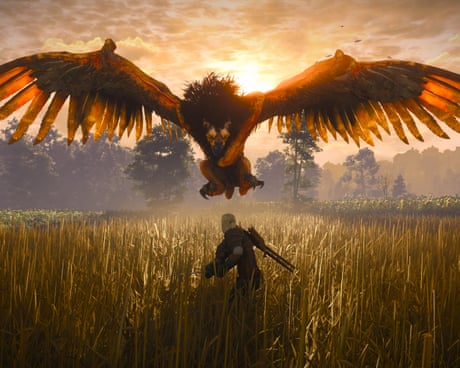
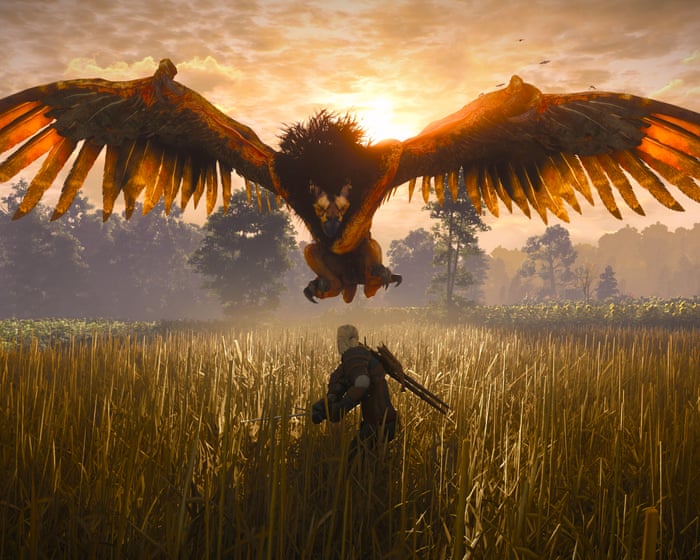
The Witcher 3: Songs of the Past – Geralt of Rivia returns after a decade in the sun

Before The Witcher 4 arrives in 2028, CD Projekt Red is returning us to the world of The Witcher 3 for one last foray. Looks like wind’s still howlin’

The game that graced us with Bathtub Geralt, The Witcher 3: Wild Hunt, arrived more than a decade ago. So it was a touch surprising this summer when developers CD Projekt Red announced a new expansion to the venerable adventure, titled Songs of the Past, for next year. It will release alongside a full remaster of the original game, which will be free for anyone who bought it back in 2015. (The studio is also working on a sequel, The Witcher 4, but that’s not due until 2028.)

As it turns out, this is all possible thanks to a partnership with Fool’s Theory, a studio founded by CD Projekt Red veterans, which took on the brunt of the development work. “We’ve had this story in a drawer for many years,” explains Marcin Blacha, VP story director at CD Projekt Red. “Of course, we moved on to Cyberpunk 2077 and now The Witcher 4, as well as our other projects. But because we knew The Witcher 4 would take time, we saw a gap in our release calendar where Songs of the Past could go. Thankfully, we were able to find the right partner to help execute it.”

Continue reading...

© Photograph: CD Projekt Red

© Photograph: CD Projekt Red

© Photograph: CD Projekt Red

  •  

AVM изнутри задачи, сбои и состояние виртуальных машин

В первой части мы разобрали, почему Aeza ушла со сторонней платформы и как AVM устроен в общих чертах. Здесь уровень ниже: путь запроса от вызова до задачи на конкретной ноде, устройство конвейеров, поведение при сбоях и то, где система хранит состояние виртуальных машин.

Любой запрос клиента заканчивается цепочкой задач на ноде: скачать образ, создать диск, поднять машину. Этими цепочками управляет AVM – собственная система управления виртуализацией.

Читать далее
  •  

У OpenID-сервера появился второй транспорт: gRPC рядом с HTTP, на тех же маршрутах

redb.Identity получил gRPC-фасад: те же маршруты ядра, тот же реестр клиентов, один токен на оба транспорта. Что внутри, как включить, что померить.

Про redb.Identity мы не раз говорили, что он транспортно-агностичен: вся логика живёт в ядре за адресами direct-vm://identity-*, а HTTP это всего лишь фасад поверх них. Звучало убедительно, но проверить это утверждение было нечем. Фасад был ровно один, и «агностичность» оставалась обещанием архитектуры, а не наблюдаемым фактом.

Теперь фасадов два. Рядом с HTTP встал gRPC: те же маршруты ядра, тот же издатель, тот же реестр клиентов, то же хранилище токенов. Один и тот же токен принимается обоими транспортами и получает от них одинаковый вердикт. Про это и статья: что именно появилось, как это включить, и почему оно особенно уместно там, где gRPC уже стал ...

Читать далее
  •  

Анатомия HurriCache

HurriCache это распределенная key-value база данных с поддерожкой как простых типов ключ значение так и конейнеров, блокировок, работы с atomics и многое другое. HurriCache может работать как standalone так и в кластере. В данной статье не буду сравнивать ее ни с каким либо продуктом, просто расскажу о том что умеет решение а остальные выводы пускай сделают пользователи.

Читать далее
  •  

Resonance: A Plague Tale Legacy review – picture-postcard retelling of haunting Minoan myth

PlayStation 5, Xbox Series S/X, PC; Asobo Studio
The medieval franchise is transplanted to Crete, conjuring action-adventure magic from familiar ingredients

The path in Resonance: A Plague Tale Legacy is a familiar one. Amid ancient ruins and sun-dappled gorges, a young woman, Sophia, dutifully treads the same footsteps as a Minoan warrior from millennia ago, one with whom she seems to share a visionary connection. The “resonance” between these two characters is made clear by their echoing actions – a crank pushed in the bronze age that still works in the medieval present, for example. Through these spliced timelines, it becomes clear that Sophia, compelled by her supernatural gift, possesses little agency. Destiny beckons her forwards.

This is a smart meta concept for a game that, at its most basic level, boils down to keeping your left thumb planted firmly on the analogue stick, always pushing Sophia onwards in linear fashion. You jostle her through ornate corridors rendered as higgledy-piggledy pirate camps and cobbled Venetian streets. For the greater part of the game, you propel her through the Minoan remains of Crete, which harbour a dark and terrible secret. It is classic third-person action-adventure fare, building on the template laid down by the likes of Tomb Raider and then refined and complicated by titles such as The Last of Us. Little, from an interactive perspective, surprises: you dash, vault and swing between teetering podiums, squeeze through tiny gaps in rock and crouch behind conveniently placed walls to avoid enemies.

Continue reading...

© Illustration: Asobo Studio

© Illustration: Asobo Studio

© Illustration: Asobo Studio

  •  

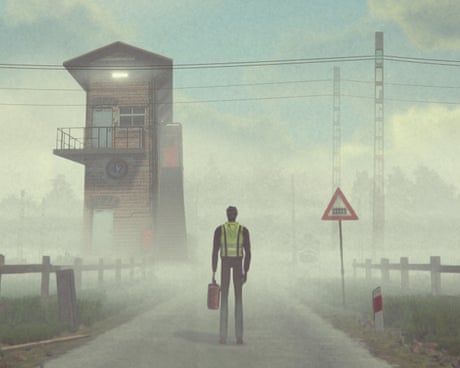
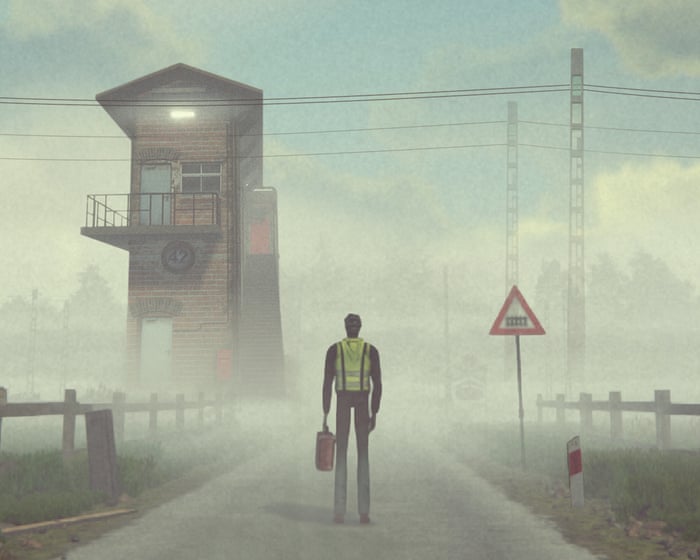
Trainwatch – alone with your thoughts on a railway line to nowhere

The flat routines of a dead end railway job screen out an approaching menace in a quietly intriguing game from the indie developer of Cat Lady and Lorelai

Lonely jobs have provided excellent material for independent video games over the years. From Papers, Please to Firewatch to The Stanley Parable, players have been happy to spend hours dwelling in depressing cubicles or rural hideaways, usually because there is an intriguingly hidden point to it all.

In Trainwatch, a character named Troy has taken a seemingly godforsaken job as a railway worker in an unnamed desolate backwater. His main task over the course of a single month is to manage a level crossing, closing the gate whenever a train comes, while also carrying out daily chores such as cooking and washing. It sounds serene, but Troy is also running away from something. The other stipulations are that he stays sober and calls his wife every night. And there is something lurking in the fog at the edges of the fields – one day he must face it.

Continue reading...

© Photograph: Harvester Games

© Photograph: Harvester Games

© Photograph: Harvester Games

  •  

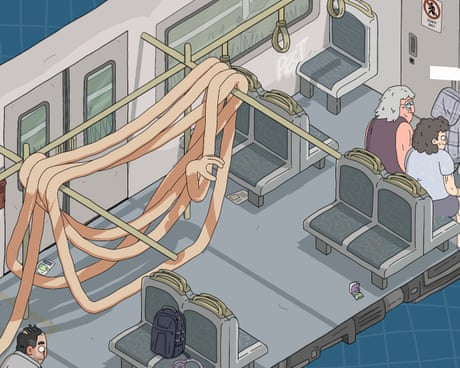
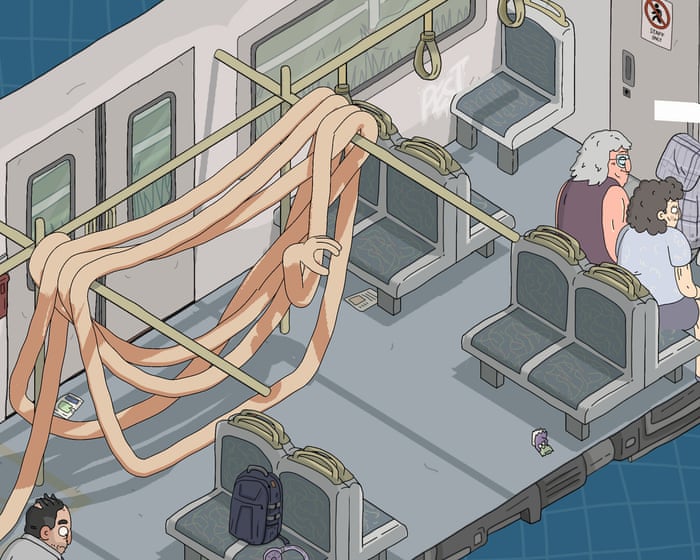
My Arms Are Longer Now – comedy stealth game sends lawlessness into new territory

Developers who met through Australia’s improv scene and publishers of comedic party games have united for this slithering challenge in which you play as one extended limb

Most stealth games cast you as a spy, an assassin or a master thief. My Arms Are Longer Now dispenses with most of the criminal person, to send in just one spectacularly badly behaved limb. It slithers across floors, winds around furniture, steals things and slaps anyone within reach – finally answering the question nobody asked: what if your own arm turned to crime?

As Toot Games co-founder Matthew Jackson puts it: “You are the bad thing that happens to the people.”

Continue reading...

© Photograph: Toot Games

© Photograph: Toot Games

© Photograph: Toot Games

  •  
❌