Reading view

What makes a song flop?

Drake, a bearded man with braids, sings into a microphone on stage while gesturing with his left hand.
Drake performs on stage at Wireless Festival 2025 in London. | Simone Joyner/Getty Images for ABA

Quite a few music artists are in their flop era right now. Think about it: Drake hasn’t been the same since Kendrick Lamar knocked him out in their 2024 beef. Katy Perry once dominated the charts, but her recent releases haven’t been fireworks. And there was once a point where it felt impossible to step foot in a workout class without hearing Lizzo, but her latest album fizzled out. 

Some examples, in other words, are obvious. But what does it really mean for a song to flop? According to Tom Breihan, executive editor at StereoGum and author of the book The Number Ones Twenty Chart-Topping Hits That Reveal the History of Pop Music, it’s all relative. 

“There’s a million songs on Spotify that nobody will ever hear,” he told Vox. “Those songs are not necessarily flops because they did not necessarily come with expectations. When a major artist does not reach whatever benchmark they or their fans or their label expect for them, it can be embarrassing. People love to seize upon that embarrassment and take off running with it.”

Why do some songs flail while others succeed? And how does an artist bounce back from those unmet expectations? We find out that and more on this week’s episode of Explain It to Me, Vox’s weekly call-in podcast.

Below is an excerpt of my conversation with Breihan, edited for length and clarity. You can listen to the full episode on Apple Podcasts, Spotify, or wherever you get your podcasts. If you’d like to submit a question, send an email to askvox@vox.com or call 1-800-618-8545.

Are the songs that flop bad? Is that why they’re flopping? 

In some cases, yeah. You can definitely pick out a few and be like, “That wasn’t the one.”

A lot of it is just timing and luck. Sometimes an artist comes along at the exact right moment and builds up goodwill and puts out the right song for themselves. Sometimes they misread the room in sort of howlingly, clangingly obvious ways, and they end up not doing well. 

It’s happened to plenty of great people. Plenty of stars have bounced back from having flops, but it does happen. 

What are some really good songs that have flopped? 

As an online indie music critic, my prototypical example is Emotion by Carly Rae Jepsen. She had had this gigantic global breakout smash with the song “Call Me Maybe.” The album that she put out after this is this brilliant, layered, excellent pop record that became, I would say, influential upon the idea that you could be a pop star who was a cult artist, like an indie rock band or an underground rapper. But it didn’t sell. It didn’t do numbers. So in its moment, it was a critically beloved flop. 

How much of becoming a hit is about the music itself and how much of it is about virality and marketing? 

Those things are so bound up with each other. A lot of the time, artists are making songs that are engineered to go viral, or they’re making songs that comment on their own public perceptions. 

When someone like Lizzo comes along and puts out a record that doesn’t do well, it becomes a bigger story than just, “Oh, people weren’t feeling this song.” It becomes, “Oh, people don’t like this person,” or “This person has run out of goodwill.”

Like a Lizzo song: You hear her persona jumping through the speaker, whether the song does well or not. So the song and the artist become inextricable from each other. The song and the marketing become inextricable. 

There is another example of an artist who has gone from really high highs to very low flops that I would love to get into, and that’s Katy Perry. I feel like we’ve come a long way from Left Shark at the Super Bowl. What happened there? 

Katy Perry has had the career that pop stars used to have, where they have a crazy dominant stretch where they’re knocking out hit after hit after hit, and they’re unstoppable. Then everything kind of tails off over time. One album has five No. 1 hits. The next album has two No. 1 hits. The next album has no significant hits at all, but a couple top 10s. 

She put out an album right at the beginning of the pandemic. You can say, “Well, that one didn’t do well, and that’s not her fault.” Then she spent a long time on American Idol as a judge; she spent a long time playing Las Vegas residencies. And then she was like, “That’s it. I’m quitting American Idol. I’m coming back. I’m being the pop star that you all want me to be.“

She made a bad album. She also reunited with Dr. Luke, who was the co-writer and producer of lots of her big hits but who, in the time since she stopped working with him, accusations were made. Kesha, who was friends with Katy Perry when she came up, was the person making those accusations. So there’s a lot for the internet to glom onto there.

“Especially now, a song can debut at No. 1 based on streams and conversation, and then it can disappear from the charts.”

That’s how a song goes from being a bad song to a notorious flop — when not only does the song not perform, it actually burns up a lot of the goodwill that this person has had. 

What songs did everyone maybe expect to be huge, but then bombed? 

It is possible for a song to be a No. 1 hit and still a flop. Especially now, a song can debut at No. 1 based on streams and conversation, and then it can disappear from the charts. 

In 1996, Michael Jackson released “You Are Not Alone.” The song debuted at No. 1. It fell pretty quickly. The album didn’t do that well. The song ultimately is not remembered that well, and has really entered the notorious shadow zone over the years. 

Are there examples of songs that critics hated initially, and then over time became classics?

So many. The songs that were hits and were universally regarded as irritating in their time have a great hit rate. People were annoyed by “MMMBop,” by Hansen, or “Wannabe” by the Spice Girls. 

There were certainly critics who understood ABBA when they were popping off, but they were, I would say, widely regarded as a punchline. Now that is just an impeccable, beautiful, influential pop catalog. 

A song like the Quad City DJ’s “”C’mon N’ Ride It (The Train)” was not a song the critics were really lining up to praise in the 1990s, but as a person who was a child then, I can tell you that song goes so hard and never stopped going hard. 

What’s the biggest misconception people have about pop music success? 

I think the biggest misconception is the idea that a label or a corporation can engineer a giant hit. They can observe trends. They can put their money into promotion. But you never know what people are going to actually grab onto and what they’re not. 

There are things that they can do to create the impression that something is connecting, but you need to have real sustained success to have everybody be like, “Okay, no, this actually is huge.”

How do artists tend to respond if they’ve entered a flop era?

There’s a grand, beautiful history of artists who instead of trying the same thing over and over again, they become behind-the-scenes figures. They write songs for other people, or they produce, or they become managers. 

Max Martin, who is now ahead of John Lennon, but behind Paul McCartney in terms of songwriters with No. 1 hits, he was the lead singer for a Swedish band in the ’80s that was trying to be Bon Jovi, and they never caught on. His band was called It’s Alive. You can look their songs up online. They’re not that great, but he wound up making all these incredible records with all these different people. 

There’s a lot of that. That has happened many, many times throughout pop history. It’s certainly one way to deal with the flop problem.


  •  

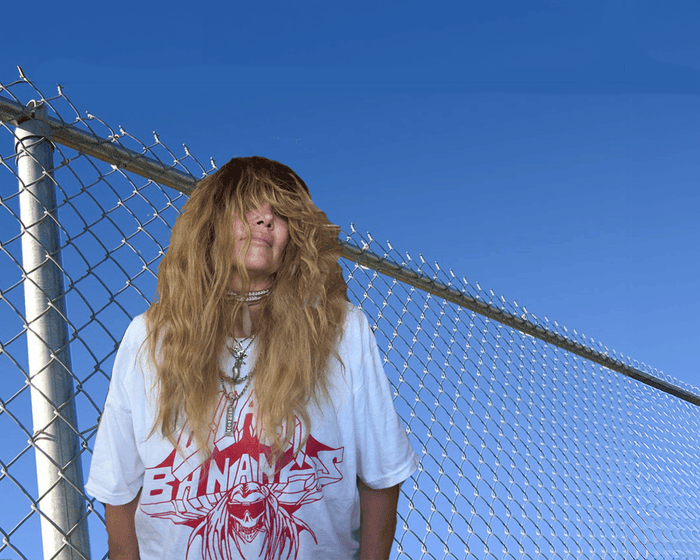
‘After I had my cat stolen, I would listen to Funkadelic and cry and cry’: Jennifer Herrema’s honest playlist

The Black Bananas singer knows all the words to Rapper’s Delight and relates to AC/DC, but which song reminds her of a heartbreaking theft?

The first song I fell in love with
Van Halen’s Runnin’ With the Devil. I was five or six and I went to visit my cousin Tommy who was much older. He was on a hockey team and we went to see them practise before the game and they had Runnin’ With the Devil on really loud. I was like: “Wait, what’s this?!”

The song I do at karaoke
You Shook Me All Night Long by AC/DC. Me and Brian Johnson – my voice has that thing, you know?

Continue reading...

© Photograph: Bunny Biskit

© Photograph: Bunny Biskit

© Photograph: Bunny Biskit

  •  

Laurie Anderson’s next manuscript to be locked away for 88 years in Future Library

Grammy award-winning American artist selected as 13th person to submit written work to Oslo-based project

The next manuscript by the American artist Laurie Anderson will remain unseen for 88 years, as she becomes the 13th figure to contribute to the Future Library project.

Anderson joins Margaret Atwood, Han Kang, Ocean Vuong and other prominent authors who have written secret manuscripts, which have been locked away until 2114.

Continue reading...

© Photograph: Wolfgang Tillmans

© Photograph: Wolfgang Tillmans

© Photograph: Wolfgang Tillmans

  •  

Laurie Anderson’s next manuscript to be locked away for 88 years in Future Library

Grammy award-winning American artist selected as 13th person to submit written work to Oslo-based project

The next manuscript by the American artist Laurie Anderson will remain unseen for 88 years, as she becomes the 13th figure to contribute to the Future Library project.

Anderson joins Margaret Atwood, Han Kang, Ocean Vuong and other prominent authors who have written secret manuscripts, which have been locked away until 2114.

Continue reading...

© Photograph: Wolfgang Tillmans

© Photograph: Wolfgang Tillmans

© Photograph: Wolfgang Tillmans

  •  

A sad country song about Texas could become the biggest hit ever

Ella Langley, wearing a white dress and holding a microphone, sings on stage at a music festival; behind her the stage is lit with orange and red lights.
Ella Langley performs at a country music festival in Nashville, Tennessee, on June 4, 2026. | Jason Kempin/Getty Images

If you haven’t yet heard about how a certain fella is choosin’ a woman from Texas over Ella Langley, it’s only a matter of time. 

Langley’s massive hit, “Choosin’ Texas,” began dominating the Billboard Hot 100 charts a few months ago — and never looked back. It’s still sitting at No. 1 after 19 weeks, tied for the longest time spent atop the charts among non-holiday songs. In a few more weeks, Langley could shatter the all-time record and dethrone Mariah Carey’s “All I Want for Christmas Is You.”

It’s a runaway success for Langley, who is relatively new to country music but has quickly vaulted to a new tier of stardom. To break down how it happened, Today, Explained turned to Marissa Moss, a senior writer at Rolling Stone and the author of Her Country: How the Women of Country Music Became the Success They Were Never Supposed to Be.

Moss talked with Today, Explained co-host Noel King about where Langley’s success came from, what it means for women in country music, and why many fans don’t know what to make of Langley, who has maintained a low profile for a star artist. 

Below is an excerpt of the conversation, edited for length and clarity. There’s much more in the full podcast, so listen to Today, Explained wherever you get podcasts, including Apple Podcasts, Pandora, and Spotify.

Tell me about “Choosin’ Texas.” 

“Choosin’ Texas” is a song about a woman who is essentially losing her man in real time. She goes to a bar or a honky-tonk in Texas. She’s from Tennessee. She suddenly realizes that he sees his ex who’s from Texas and drifts away from her to this woman. It’s that feeling of knowing when you see it in someone’s face that they’re going to be leaving you and figuring out whether it’s worth it to hold on or to let go.

How big is this song, exactly?

It is huge. It is up there right now in competition with Mariah Carey’s “All I Want for Christmas Is You,” which owns the record for the most weeks at No. 1 on the Billboard Hot 100 with 22 weeks. Her only [other] competition is from Shaboozey and Lil Nas X, which are country-adjacent songs. 

She really could blow by Mariah Carey. Of course you get a boost every time Christmas comes around, but we’re a little ways off from Mariah Carey declaring once and for all that it’s Christmas season. So I think Ella has plenty of time to catch up. And it could be the biggest song of all time, which is crazy.

You’re a music writer and you’re based in Nashville. How big a deal is Ella Langley in a place like Nashville and in the country industry?

She’s a big deal. And it’s exciting because she’s a relatively newish artist in terms of how long she’s been putting out music. She only released her debut album in 2024, called Hungover

It’s really exciting because as a lot of people know, it can be really hard for a woman to make it in Nashville. Usually under 10 percent of songs on country radio are by women, so having someone like her out there and having so much country radio airplay and presence on the Hot 100 and breaking all these records, you really hope that it’s going to help influence people in Nashville to sign more women, platform more women, do all of those things to try to sort of flip this longstanding sexism that has existed in Nashville. 

Not to put all of our hopes and dreams on one woman, because it’s not up to her to do this. It’s up to the industry to respond. But you sure have to hope so.

Was it a surprise that “Choosin’ Texas” became such a big hit?

I would’ve never predicted this. I loved the song when I heard it, but I don’t think I ever thought that something this country could be this popular. 

“Despite the lyrical content, which may be a little bit of a bummer, the song does just feel so good. And it’s like a little bit of a brain weed gummy.”

And yes, country music is becoming so much more popular nationwide, worldwide. But it is also country music in a lot of ways that is a little bit more pop-leaning. Morgan Wallen is extremely popular, but he’s not putting out super-twangy tears-in-your-beer kind of country music songs. 

“Choosin’ Texas” is kind of sad, but more than sad, I think it’s relatable. It taps into this feeling that a lot of people have, especially in the summer. If you’re thinking about a summer romance, of losing something that you once had, of letting go, of nostalgia, I think that’s something that we really want to feel right now. 

And despite the lyrical content, which may be a little bit of a bummer, the song does just feel so good. And it’s like a little bit of a brain weed gummy. The second it comes on and you hear that little guitar lick it relaxes you. It gives you that summer feel of airy and fresh and a lot of people want to feel that way right now. 

You’ve said she’s not a person who shares a ton about herself. Probably smart in this day and age. But country music often does get politicized. And I’ve seen that happening a bit around her and around this song. Tell me about the way she is being slotted into certain perspectives in the US, whether she wants to be or not.

One thing I’ve seen is a lot of people from the far right wanting to use her as an example of a return to sort of this anti-girlboss era. They like to take the fact that she speaks about her faith on stage and warp that into that being sort of her overriding agenda and that she wants this return to traditional values.

And then on the left, I’ve seen some people sort of play with the same. I personally think you could just as easily make a case that she’s a feminist who had Miranda Lambert produce her album and writes with women and takes all these women on tour.

So many people want this moment to serve their own narrative and want Ella Langley to stand for something on every side. And if you don’t give people a little, they’re going to go wild. But maybe that’s better than putting your personal views out there and having them ripped apart. I can’t say I really blame her, to be honest. 

  •  

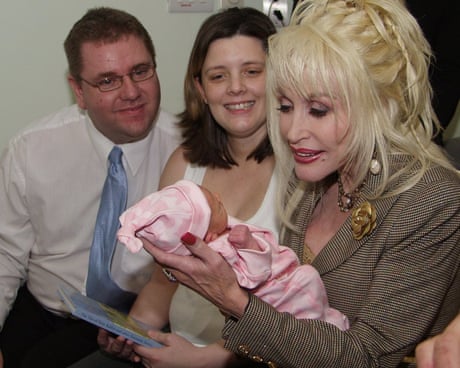
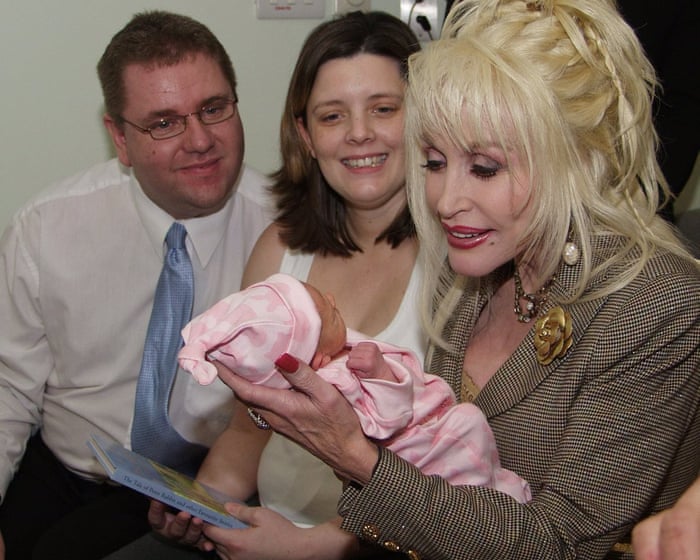
‘In walked this big bundle of energy’: the day Dolly Parton came to Rotherham

Country star came to South Yorkshire town in 2007 for UK launch of the Imagination Library, her book donation scheme

Shane Jarman was up a ladder decorating a Christmas tree at the school where he was deputy headteacher when he got a call asking him to come to Rotherham hospital ASAP. It was December 2007 and Jarman’s wife, Claire, had given birth the previous day to their first child, a girl called Emma, so of course he rushed to the phone. All was well, he was told, but that “everything would become clear” when he got to the hospital.

Once there, his wife told him – somewhat unexpectedly – that they were going to meet Dolly Parton. “And literally within what felt like five minutes,” he recalled, “there were great camera flashes, lots of noise, lots of clicking and in walked this real big bundle of energy.”

Continue reading...

© Photograph: The Rotherham NHS Foundation Trust

© Photograph: The Rotherham NHS Foundation Trust

© Photograph: The Rotherham NHS Foundation Trust

  •  

‘It’s easier when nobody’s watching’: inside the secretive and sublime freak-folk of @

Their un-Googlable, very online name is the antithesis of this earthy duo’s sublime art-folk. Like their emotionally ambiguous music, the pair don’t give up their mysteries easily
The best music of autumn 2026: Johnny Marr, Phoebe Bridgers, Rachel Chinouriri and more
See all of our unmissable autumn arts recommendations here

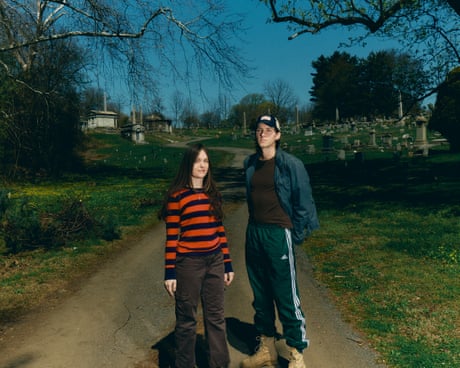
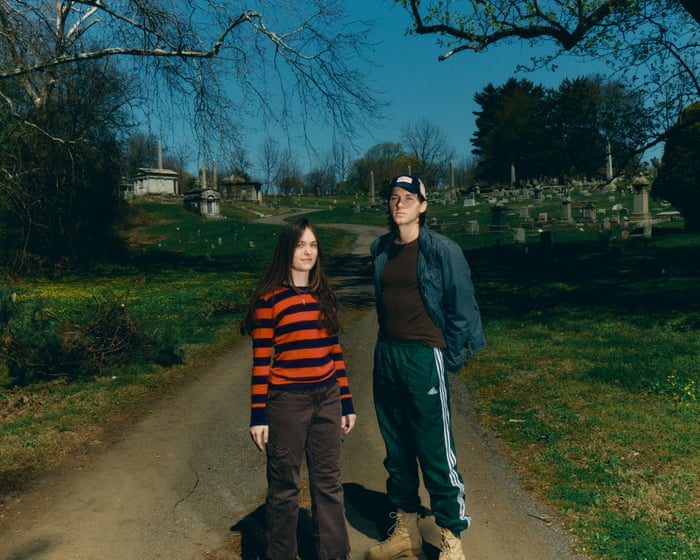
Victoria Rose arrives at Philadelphia’s 30th St Station and apologises for the sticky streaks covering her car’s interior. She’s a beekeeper, and it’s just propolis, a resinous sealant for gaps in the hive. Her bandmate, Stone Filipczak, is riding shotgun, and her protective gear occupies the rear passenger seat. We’re heading to one of their favourite spots, an Ethiopian restaurant that doubles as a venue. The dining room quickly gets boisterous – a challenge for our interview given that Filipczak and Rose are relatively soft speakers, and not wildly keen to divulge specifics about the music they make as @. Like Rose’s bees, they’re a secretive and self-sustaining pair.

As you might guess, @ is pronounced “at”. It’s a tough Google. The name, Filipczak explains, came from “a vision of an @ sign on a kick drum head”. Not that they have any need for one: @’s art-folk is rooted in acoustic guitar, woodwinds and vocal harmonies that furrow and frolic. Their fantastic second album, Autosmile, is their first with the venerated indie label 4AD. (The name is a reference to a meme showing a dopey sunflower: “When you and gang faded and auto smile gets turn on …”)

Continue reading...

© Photograph: Ingmar Chen

© Photograph: Ingmar Chen

© Photograph: Ingmar Chen

  •  

The best music of autumn 2026: Johnny Marr, Phoebe Bridgers, Rachel Chinouriri and more

Irish noisemongers Gilla Band, shadowy producers Two Shell and lovable band the Big Moon have new records, and there are tours from Bob Dylan and Kelela – plus the best of jazz, global and classical

‘It’s easier when nobody’s watching’: inside the secretive and sublime freak-folk of @
See all of our unmissable autumn arts recommendations here

Continue reading...

© Composite: Guardian Design/Kaio Cesar/Patrick McCormack

© Composite: Guardian Design/Kaio Cesar/Patrick McCormack

© Composite: Guardian Design/Kaio Cesar/Patrick McCormack

  •  

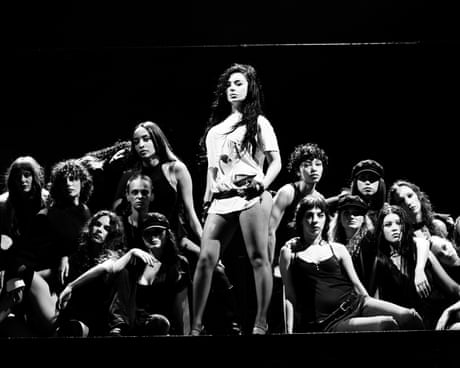
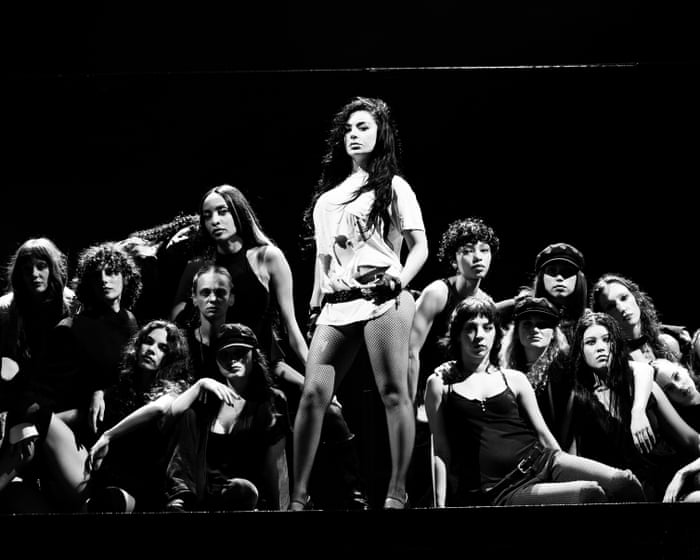
Charli xcx, Reading Festival review – Pretentious? Just a bit. But Nietzsche would have loved it

Reading Festival

There’s not much time to dig into her deep catalogue of future-facing pop, but she satisfies the hardcore

“Time itself is a circle,” as the rock’n’roll philosopher Nietzsche once said, accurately foreshadowing Charli xcx’s only UK festival appearance this summer. Like her performance on Glastonbury’s Other Stage last year – a pyrotechnic farewell to the puke-green reign of Brat – Charli’s Reading and Leeds appearance is a not-quite-headline slot that also follows a rowdy set from grime don Skepta.

Yet in the past 14 months, everything else in Charli’s pop factory has undergone a hard reset. She’s released two albums – a grandiose, gothic soundtrack to Emerald Fennell’s adaptation of Wuthering Heights, and last month’s high-concept Music, Fashion, Film, an album of raw, glitching micro-rock, with guitars shredded into Tetris-like pieces, and fitted with lacerating lyrics about shopping, egotism and mortality. She’s also launched an acting career, thrown a big fat celebrity wedding and, somewhere along the way, found time to rehearse her biggest, most vertiginous show to date.

Continue reading...

© Photograph: Henry Redcliffe/PA

© Photograph: Henry Redcliffe/PA

© Photograph: Henry Redcliffe/PA

  •  

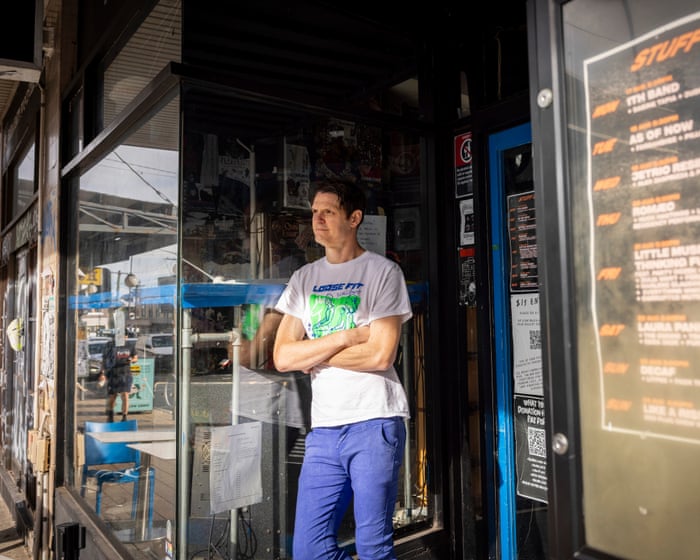
Another beloved live music venue is closing. Is Australia’s precarious rental market killing the vibe?

With Lazy Thinking in Sydney the latest venue to shut its doors, the once-vibrant grassroots music scene is becoming increasingly vulnerable

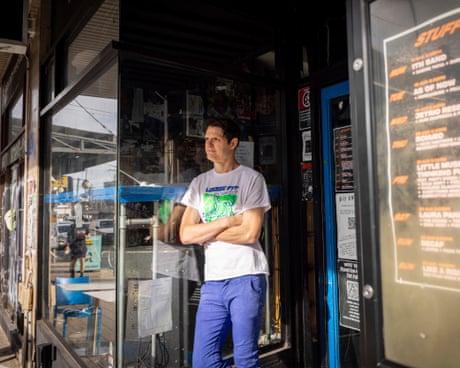
Jim Flanagan has four days to hand his keys back to his landlord.

Panels engulfed in grungy band posters, handmade plates that have served countless customers, a shelving unit housing a library of iconic vinyls: all of it will be sold for next to nothing in the rush to vacate.

Continue reading...

© Photograph: Teagan Glenane/The Guardian

© Photograph: Teagan Glenane/The Guardian

© Photograph: Teagan Glenane/The Guardian

  •  

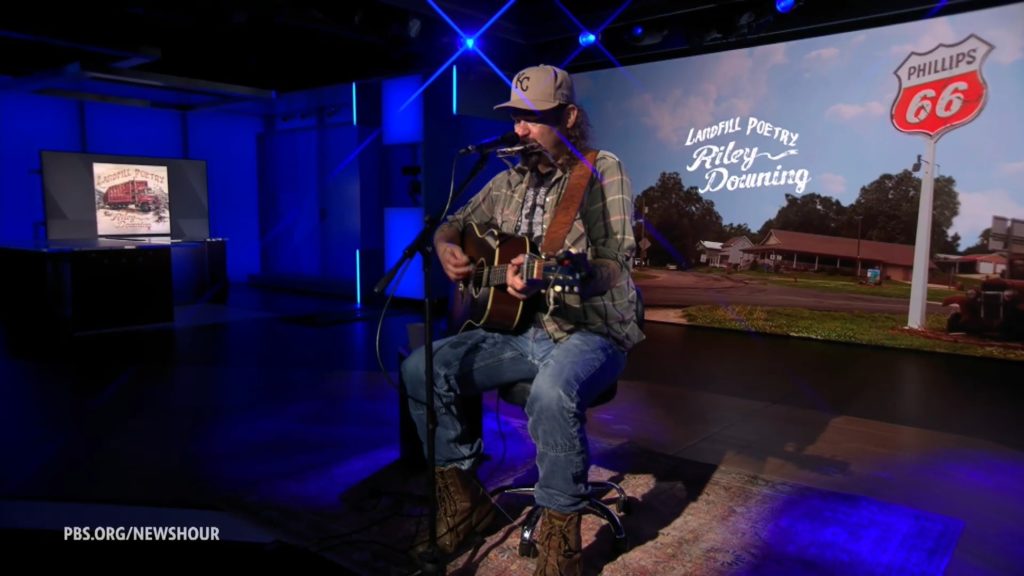
Riley Downing sings about the overlooked corners of American life in 'Landfill Poetry'

Riley Downing is a founding member of The Deslondes, the New Orleans Americana band known for its earthy mix of country soul and roots music. Now on his second solo album, "Landfill Poetry," Downing turns stories from his days working as a trash collector in Missouri into songs about the overlooked corners of American life. Geoff Bennett spoke with him for our arts and culture series, CANVAS.

  •  

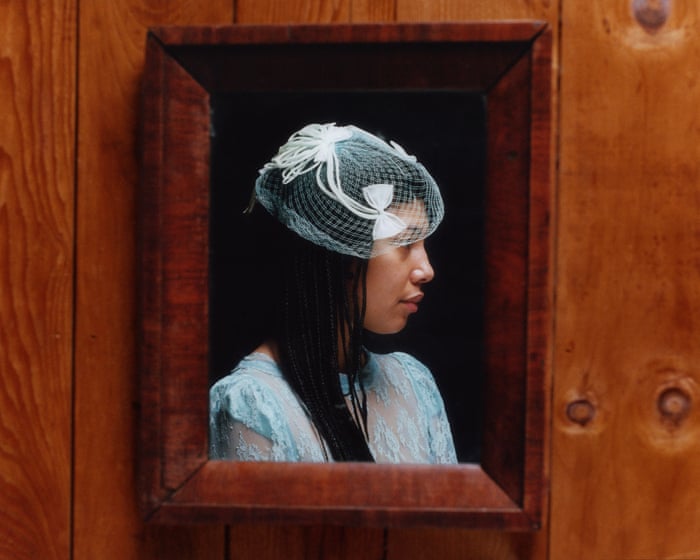
Add to playlist: the spectral, fathoms-deep folksong of June McDoom and the week’s best new tracks

Rich harmonies mix with synth, harp and aquatic grace on the intriguing first single from the New York songwriter’s debut album

From New York, USA
Recommended if you like Jessica Pratt, Minnie Riperton, Cocteau Twins
Up next Debut LP Follow the Light released via Jagjaguwar on 16 October

In Robert Silverberg’s 1973 sci-fi anthology New Dimensions 3, there’s a story by author Terry Carr called They Live on Levels. The simplest outline of this tale is that thanks to a technological breakthrough, humans are able to exist and communicate through different planes of existence. Through musical styles and generational layers, the spectral folk of New York-based songwriter June McDoom expresses this very notion in stunning fashion.

Continue reading...

© Photograph: Ryley Paskal

© Photograph: Ryley Paskal

© Photograph: Ryley Paskal

  •  

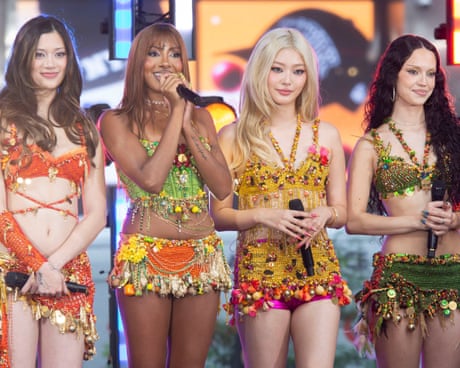
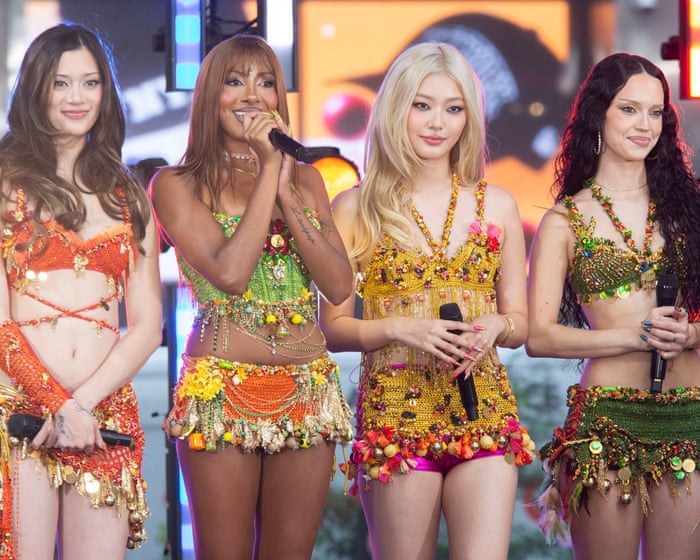
How Katseye became the world’s biggest girl group – while falling apart

Their raucous pop music has made Katseye the biggest girl band in two decades. Can they weather toxic fandom, critical pans and a dwindling member count?

Before screenings of their new documentary, the members of Katseye appear in a video message to thank fans for their support. Their followers, Eyekons, have played a critical role in their rise to stardom, so it makes sense that Katseye: Wild Hearts, released in global theaters this month, takes a beat to shout out to them. Perhaps more than many other big music groups today, the group’s rise has depended on their relationship with their devotees who ensure that few corners of the world are safe from Katseye mania.

Katseye’s multinational members – Daniela, Lara, Manon, Megan, Sophia and Yoonchae – were selected through a combination of fan votes and judge scores on the 2023 YouTube reality competition The Debut: Dream Academy. The joint project between the American record label Geffen Records and Korean entertainment company Hybe aimed to create a global girl group, with hopefuls participating in a rigorous bootcamp to test their singing and dancing skills. The following year, Netflix’s docu-series Pop Star Academy: Katseye – which documented the group’s nascent era, behind-the-scenes drama and all – catapulted them to a new level of visibility.

Continue reading...

© Photograph: Eric Acquaye/ZUMA Press Wire/Shutterstock

© Photograph: Eric Acquaye/ZUMA Press Wire/Shutterstock

© Photograph: Eric Acquaye/ZUMA Press Wire/Shutterstock

  •  

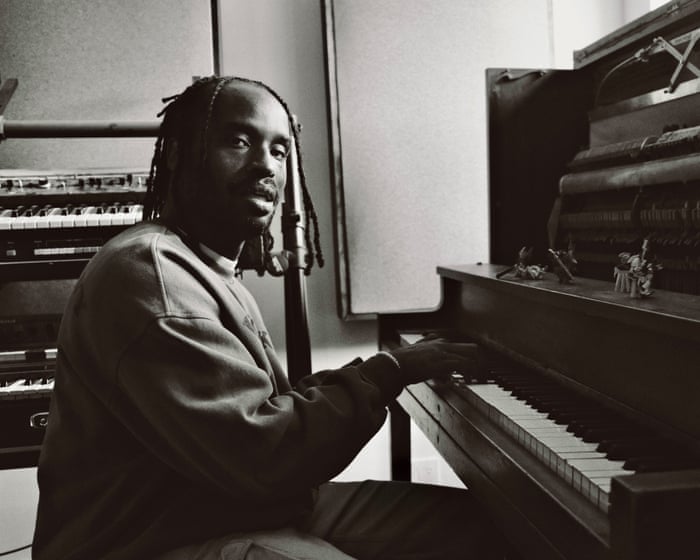
Dahi: Black Boy (Alternative) review – Kendrick producer takes the spotlight for all-star guitar celebration

(ALTER)
The Grammy winner unites former clients including Lamar and Ravyn Lenae for a playful, dazzling voyage through the guitar’s diversity, from alt-rock to Afrobeat

On this long-awaited debut, Grammy-winning hip-hop producer Dahi steps out from the booth and into the spotlight. He’s best known for transforming a dreamy Beach House sample into Kendrick Lamar’s hit Money Trees, alongside chameleonic production work for SZA, Madonna, Drake and many more. Now that Dahi’s got the mic, what does he want to say?

Blending the brittle 90s British rock he loved as a California teen with the west African grooves his father played in the house, Black Boy (Alternative) celebrates the guitar as a transcendent tool that spans genres and continents. No other album this year will boast such starry guest features – Dahi calls up former clients Lamar, Childish Gambino, Vince Staples and Ravyn Lenae alongside experimentalists such as Moses Sumney, Baby Rose and Fousheé – but it’s testament to the strength of his vision that these distinct voices come together like a bedded-in, playful house band. All trust, no ego.

Continue reading...

© Photograph: Marissa Blair

© Photograph: Marissa Blair

© Photograph: Marissa Blair

  •  

Donnacha Dennehy: Limina album review – joyously unfettered music is a thrill in motion

McCarthy/Waarts/National Symphony Orchestra Ireland/McAdams
(Nonesuch)
Dennehy’s Limina, based on areas of the body, is firmly grounded in the harmonic series, and sparklingly executed here, while Stephen Waarts gives a bravura performance of the Violin Concerto

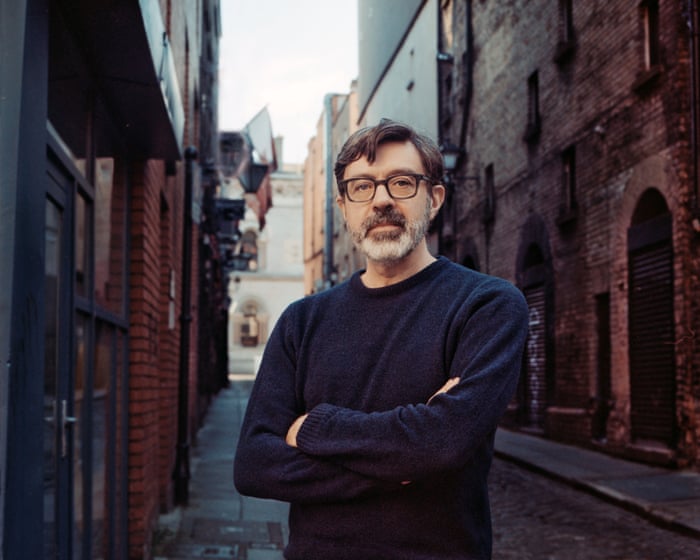
These two concertos, beautifully paired, again find Donnacha Dennehy writing music that is both firmly grounded – both rhythmically and in his fascination with the harmonic series – and, to the ear at least, joyously unfettered. Limina was written in 2023 for the pianist Eliza McCarthy, who is a powerhouse soloist here with the National Symphony Orchestra Ireland and conductor Ryan McAdams. It’s a serious piece born of a slightly playful idea. Its three movements are each named for a part of the body, staking out one area before moving to the threshold, or limina, of the next. Head starts with synapses firing high up the keyboard in sparks and glitter; it travels downwards, frenetic energy dissipating, towards Chest, which evokes breathing – not with regular rhythms but with gentle palindromic phrases that swell in and out and sigh back towards the same bass pitch. Nervous System begins deep in the gut, with coarser sounds – low piano vamping, and slapped bowing from the strings – but eventually escapes its tether and disperses around the keyboard.

The Violin Concerto, written in 2020, is just as propulsive, and the outer movements especially are a workout for Stephen Waarts, who gives a bravura performance. In the middle movement his violin soars, pushing off from the orchestral support to trace slow, weightless somersaults in the air. The finale has a thrilling sense of motion creating its own gravity: as with so much of Dennehy’s writing, it’s as if the music is held together by centrifugal force.

Continue reading...

© Photograph: Hugh O'Conor

© Photograph: Hugh O'Conor

© Photograph: Hugh O'Conor

  •  
❌