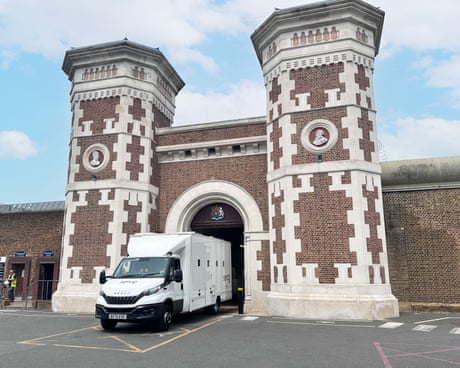
Critics say the move, which will keep PC Harper’s killers in jail, leaves number of prison spaces ‘too close to the bone’
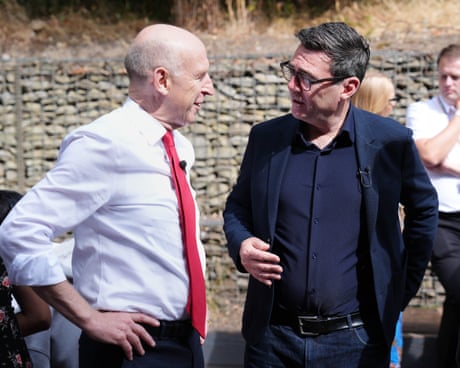
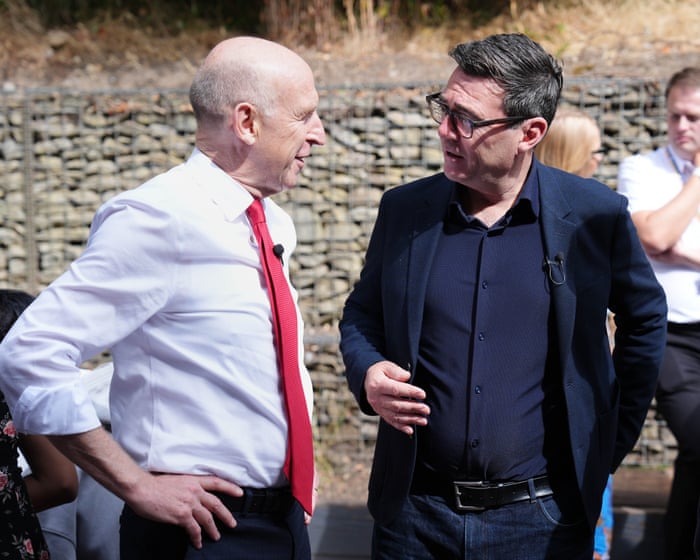
PC Andrew Harper’s killers will remain behind bars after a critical intervention by Andy Burnham, but the move has led to warnings that overcrowded prisons will be left “one major event away from disaster”.
Announcing a U-turn on the early release scheme after weeks of intense pressure, Burnham said he understood “how strongly people feel about this issue”.
Campaigners welcome plan to bring IPP sentences to a close but say the move is long overdue
Campaigners have hailed Andy Burnham’s pledge to bring an end to indefinite jail terms as “a day that thousands of families have spent years fighting for”.
The prime minister has said he will “end the injustice” of imprisonment for public protection (IPP) sentences during this parliament, meaning people will no longer be trapped indefinitely under a sentence abolished more than a decade ago.
Labour has promised a ‘fundamental rewiring’ of power. But some areas are years into their devolution journey while others scramble to get started
Apart from the joyous hyperactivity that comes with suddenly making it to No 10, there are good reasons why Andy Burnham seems to be a prime minister in a hurry. If he decides that his first term is going to run to its maximum length, he has three years, which is a maddening time-frame: too long for him to just tinker here and there, set out his long-term vision and then ask the electorate for permission to do more, but probably too short to start and finish many of his key projects. His chosen solution, it seems, is a mixture of the strategies he would use for each approach, which includes running at some issues at breakneck pace.
So it is with his specialist subject: devolution for England. The huge changes now afoot actually began under Keir Starmer, with the English Devolution and Community Empowerment Act passed earlier this year. Areas that previously had two tiers of local government will see them replaced with new unitary councils. But the most historic move centres on regional mayors – what the government calls “strategic authorities” – and a shift that the Whitehall PR machine is hyping up as a “fundamental rewiring of the way our country works, surrendering power that for too long has been held in Westminster and Whitehall”. In principle, this is unquestionably worth celebrating. But it also gives rise to a whole range of increasingly urgent and awkward questions.
As economic circumstances worsen, the PM’s commitments have left him and the chancellor in a tight spot
When Andy Burnham made his first speech after returning as an MP, he promised that as prime minister he would oversee “the most significant change moment in our politics for 40 years”. His style, direction and communication has been a big shift from Keir Starmer’s approach, but as he heads into the autumn, the new prime minister faces some very similar problems.
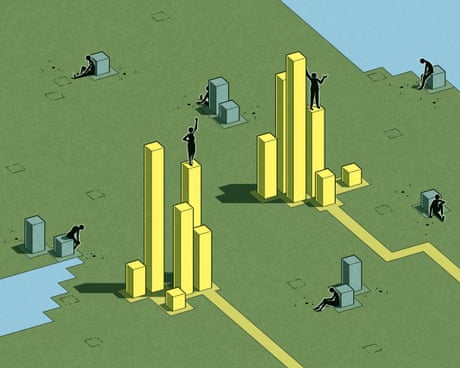
With an early budget in late October, and worsening economic circumstances, Burnham has made promises and commitments that put him in a tight spot. Here are some of the constraints over the coming months that Burnham and the chancellor, John Healey, must contend with in their autumn budget.
Exclusive: PM also warns his ministers against trying to influence vote when bill returns to Commons next month
Andy Burnham has told Labour MPs that he will not cast a vote when the assisted dying bill returns to the Commons next month, to avoid influencing the debate.
While supporters of the measure welcomed his move, No 10 officials said the prime minister had no wish to affect the process in either direction, and was just doing what he thought was best to allow MPs to reach their own collective view.

 Login
Login