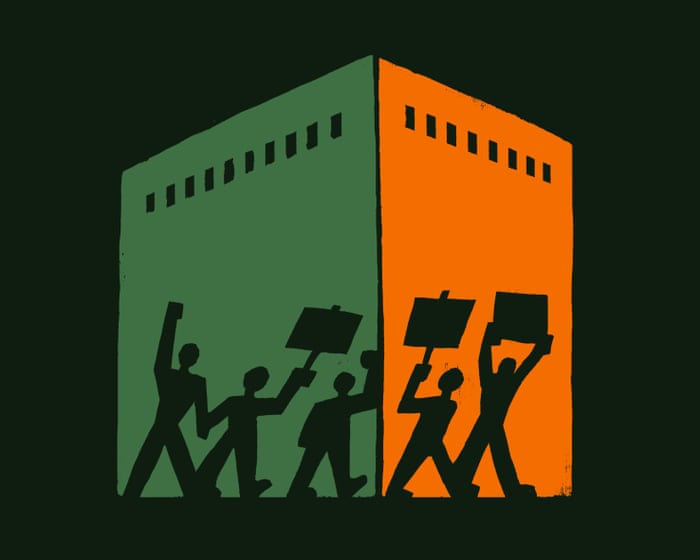
The movement against datacenters is uniting Americans because they perfectly illustrate how a few individuals hold all the power to control decisions that affect our lives
Bryce Gustafson has been knocking on doors in Indiana for more than a decade. The lead organizer with Citizens Action Coalition (CAC), a consumer and environmental organization, he usually encounters a mix of reactions when he’s out canvassing; whatever issue he’s talking about, there’s always at least a few people on the other side. But at a recent festival in the rural town of Monrovia, Indiana, he was struck by an unusual spirit of unity.
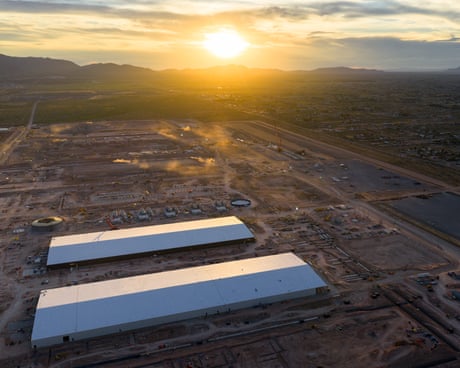
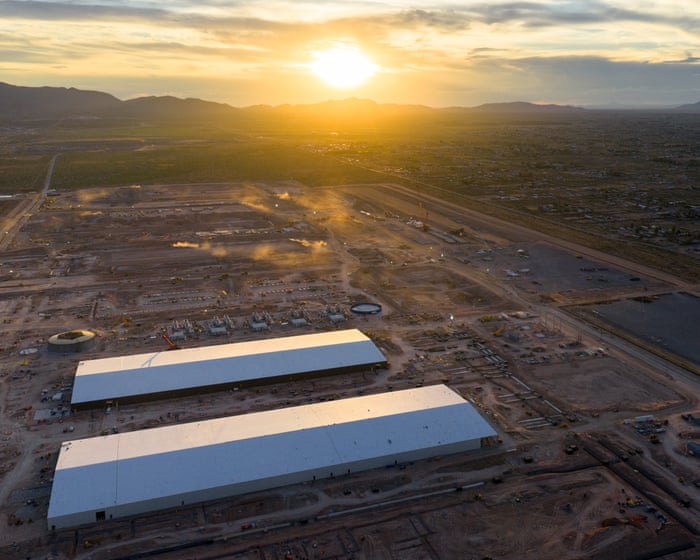
He was there about a proposed datacenter, a 550-acre (222-hectare) Google project in this small town of 1,600 people. “I had 50 people I talked to,” Gustafson told me. “Nobody wanted that datacenter in their community. And at least a half a dozen people came up to me to say, ‘Hey, I voted for Trump. What the heck’s he doing, supporting these things?’”
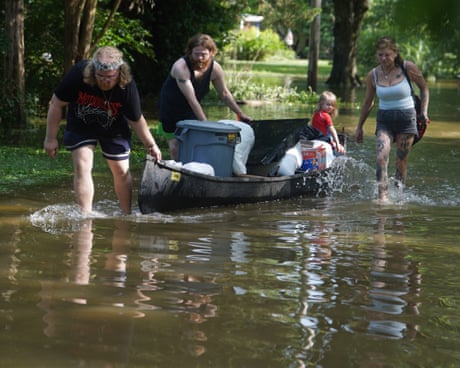
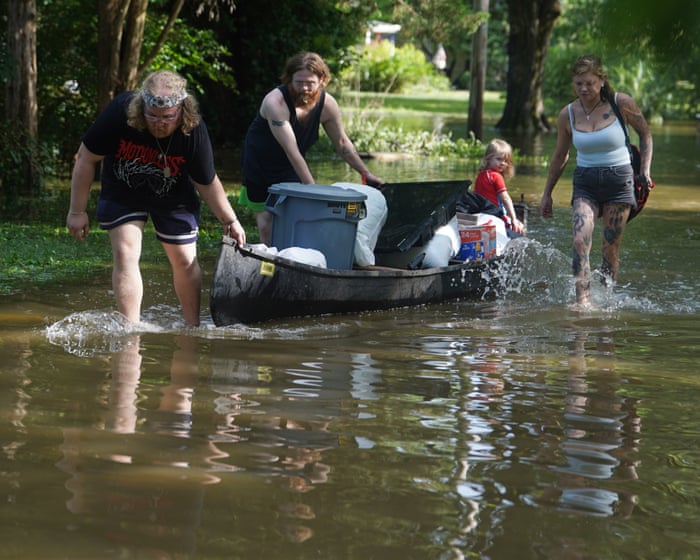
Record inundations wrecked homes and took seven lives but Trump has not approved emergency aid and the state has cut funds for environmental agencies
It’s been 10 days since the floodwater receded from Cambridge City’s main street and yet signs of disaster are all around.
Abandoned cars, toilets and bathtubs are strewn across parks and side streets on a recent visit to the city. Garages have been lifted from their foundations and moved by the rushing water. Dumpsters up and down the street are overflowing with people’s belongings, with red paint sprayed on homes indicating which houses have been cleared by water rescue teams.
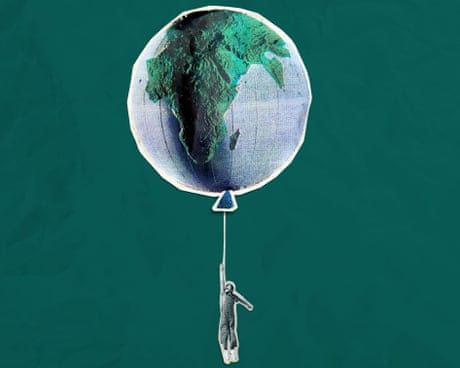
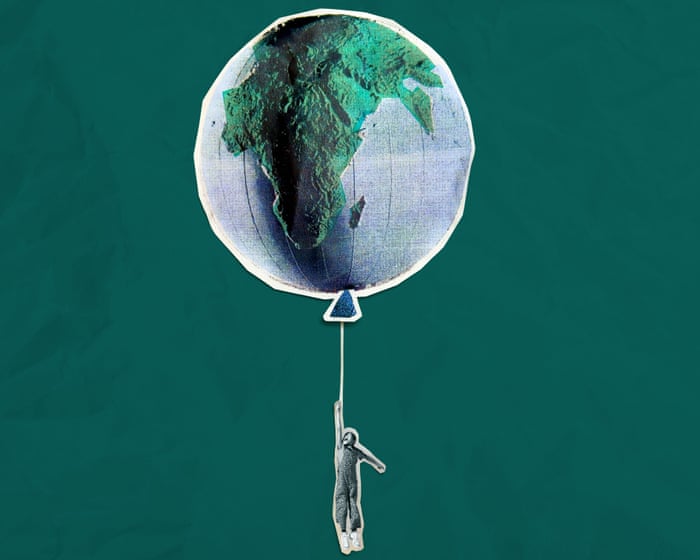
Each year, the Guardian reaffirms its commitment to the environment – both in our reporting and how we operate as a business. From critical tipping points to war in Iran, this is how the last 12 months have looked
Today marks the end of the Guardian’s annual climate support campaign. Each year, during the campaign, we remind our audience about the Guardian’s role in covering the threats to our planet and the importance of independent journalism in telling that story. Our climate pledge is a reminder of the environmental values we place at the heart of our reporting and our organisation.
Since our 2025 climate pledge, the world has experienced extreme levels of heat as well as extreme forms of denial and abdication in the face of the climate crisis. But, across the world, there have also been inspiring efforts to tackle it.
We will be publishing our annual company emissions data in the autumn, explaining what drives our emissions and where they have risen and fallen.
We have started the process of estimating our emissions from generative AI usage. We hope to report on this next year.
We have undertaken our B Corp recertification in line with the new standards introduced by B Lab in 2026. We will find out our result later this year.
We have participated in advertising industry working groups that published a methodological framework that aims to capture the emissions impact of digital and print advertising.
We open ourselves up to scrutiny by independent third parties, such as the Science Based Targets initiative (SBTi) and B Corp, so they can assess the robustness of our targets and our internal policies.
In this week’s newsletter: Anti-datacentre sentiment is growing across the political spectrum in the US – and the public is only just finding out about the potential effects on their energy bills
Anti-datacentre sentiment is growing from across the political spectrum in the US.
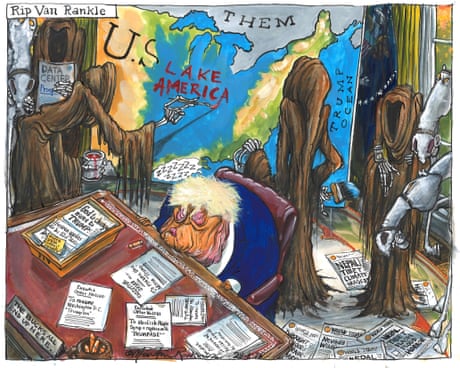
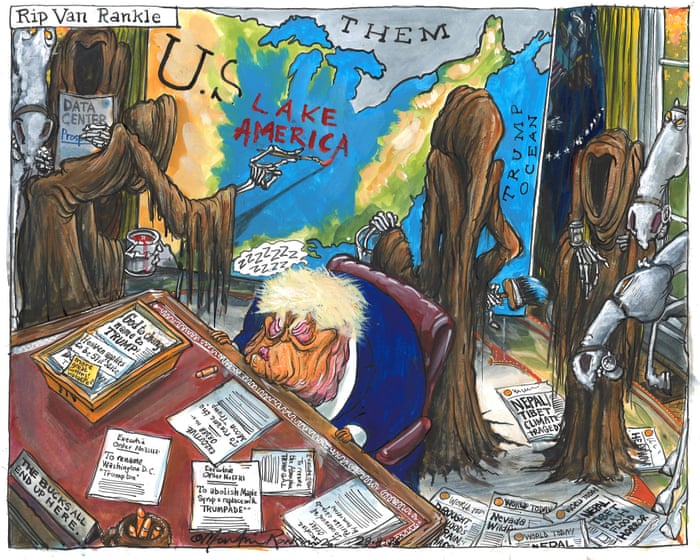
More than a dozen states have considered moratoria on datacentres. New York became the first US state to enact a temporary ban last month. Progressive stalwarts Senator Bernie Sanders and Representative Alexandria Ocasio-Cortez have proposed a national moratorium. And even Greg Abbott, the far-right governor of Texas, called for a ban on datacentre development in rural swaths of his state.
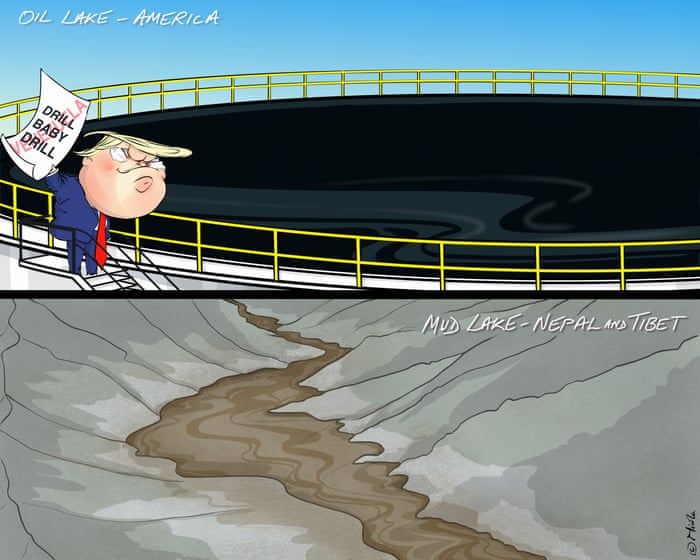
Nepalis and Tibetans must not pay the price – with their lives, livelihoods and money meant for education and health – for global heating caused by wealthy states
Sunil Acharya is an international climate policy and just transition specialist based in Kathmandu, Nepal
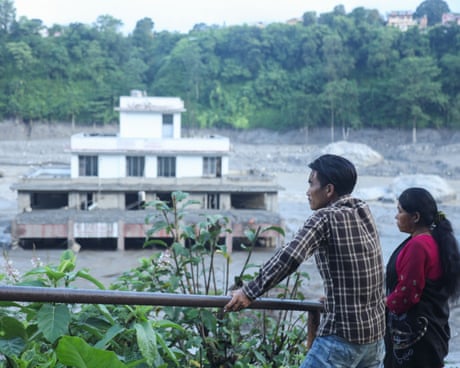
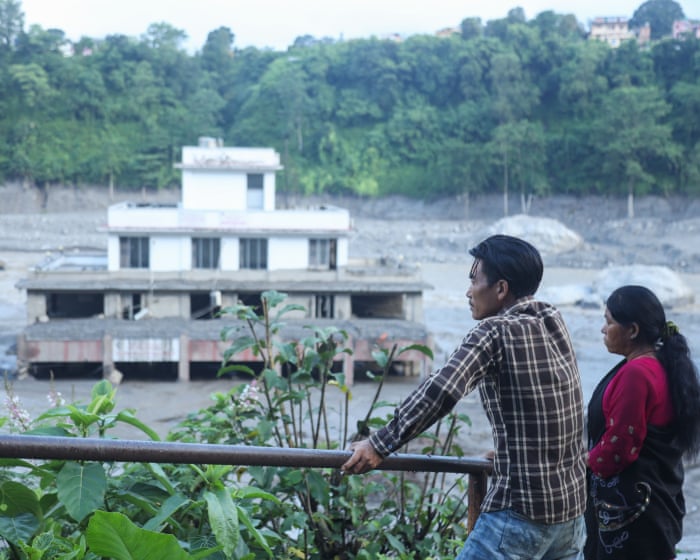
As a Nepali citizen working on international climate policy for more than a decade, it is difficult to look at the harrowing images coming out of the catastrophic flash flood that thundered down valleys in Nepal, sweeping down the Lhende Khola, Bhotekoshi and Trishuli rivers, and not feel angry.
Not just because of the destruction, but because it comes after years of warnings from scientists and civil society that a rapidly warming planet would make disasters more frequent, more intense and harder to predict. This is what the cost of delaying global climate action looks like.
Sunil Acharya is an international climate policy and just transition specialist based in Kathmandu, Nepal
Do you have an opinion on the issues raised in this article? If you would like to submit a response of up to 300 words by email to be considered for publication in our letters section, please click here.

 Login
Login