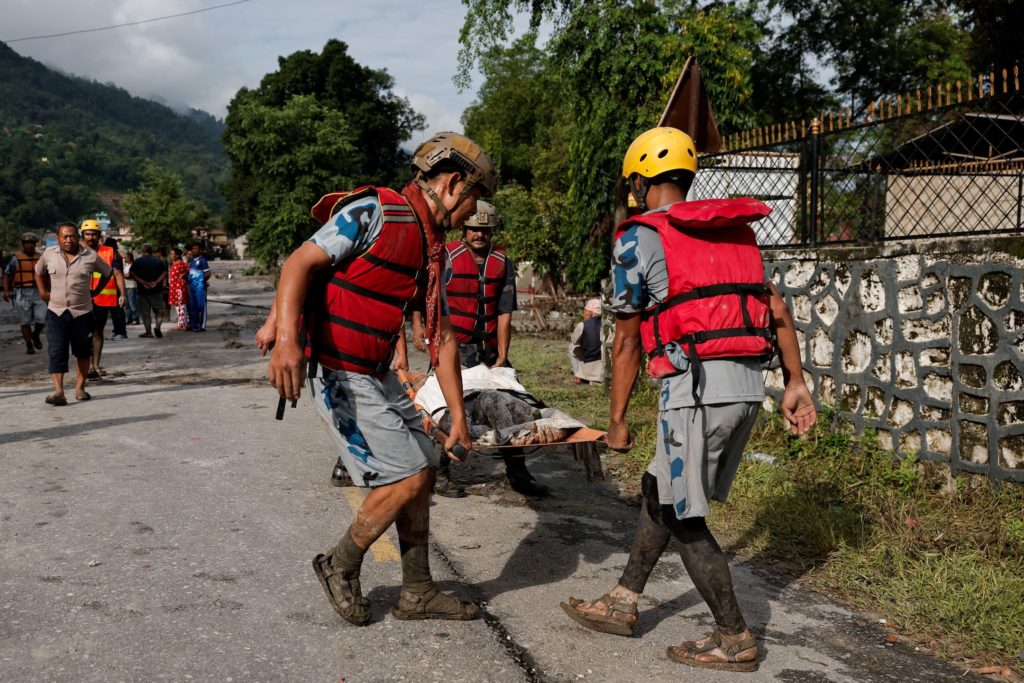
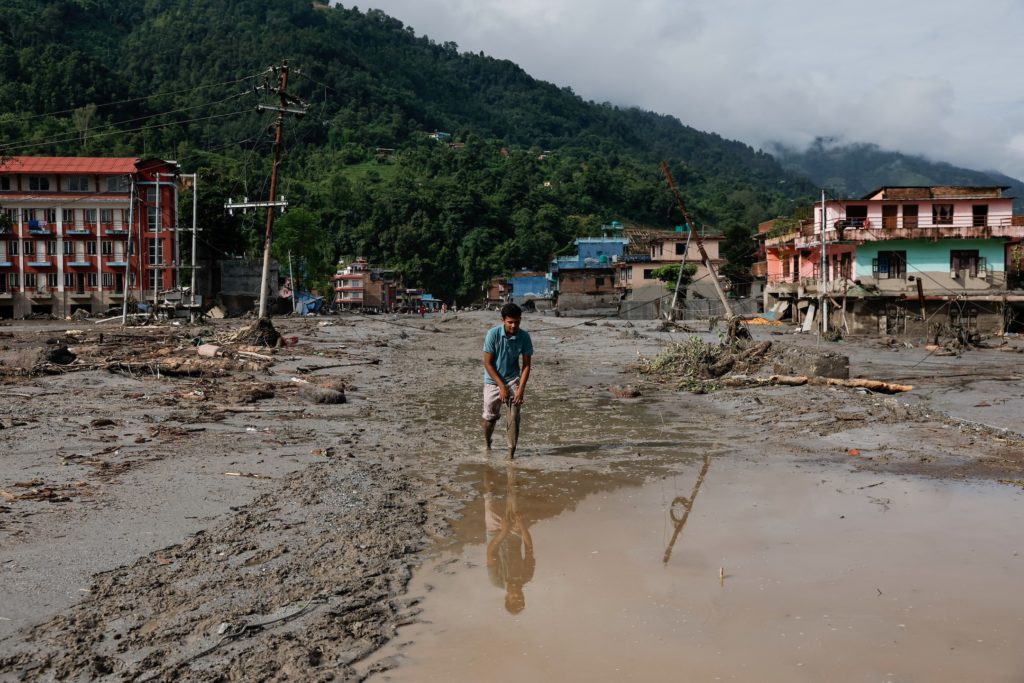
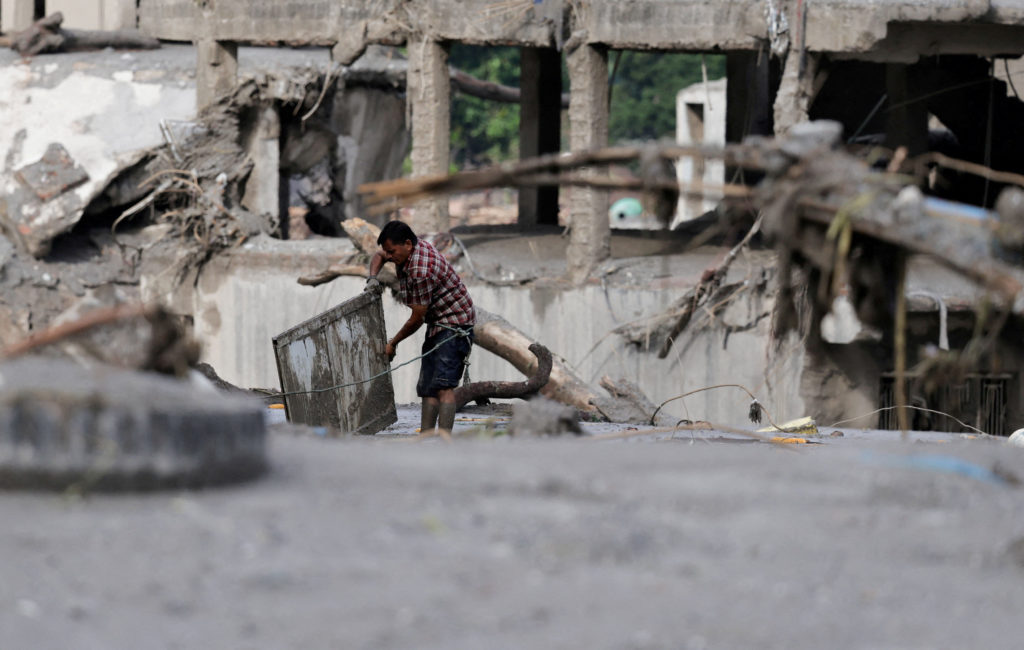
Three days after a catastrophic wall of water, mud and rock tore through Nepal's Himalayan valleys, the scale of the disaster is still coming into focus. At least 579 people are now confirmed dead, nearly 2,000 remain missing, and the danger is not over. Authorities are closely watching lakes formed in the wake of the glacier collapse, amid fears of further flooding. Stephanie Sy reports.
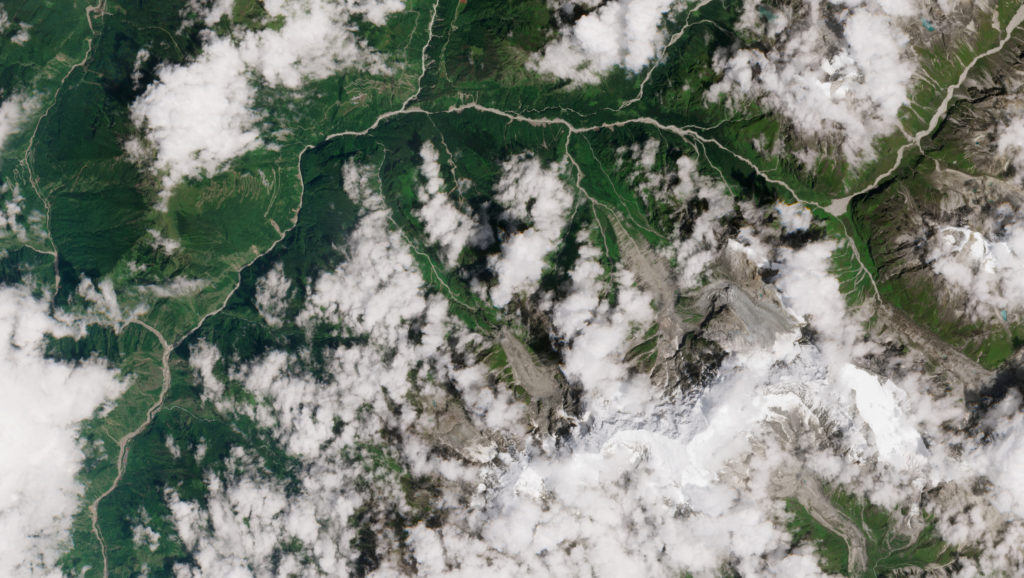
The scale of the disaster in the Himalayas is becoming clearer a day after catastrophic flooding tore through parts of Nepal and Tibet. Scientists believe the disaster was likely triggered by the collapse of a glacier, unleashing a torrent of water, mud and debris that swept away entire communities. Geoff Bennett discussed more with Dan Shugar of the waterSHED Lab at the University of Calgary.
Craig Fugate led the Federal Emergency Management Agency during the Obama administration through record-breaking disaster years. On our PBS News podcast, "Settle In," Amna Nawaz spoke with Fugate about how climate change has upended disaster response, and about criticism that the agency has been politicized in recent years.
The deadly flash flood in Nepal on Wednesday was likely caused by a huge chunk of a glacier that broke off and temporarily dammed a river, according to preliminary investigations by scientists.
Rescue teams searched Thursday for hundreds of missing people along the Nepal-China border, where a deadly torrent of water and mud several stories high swept through communities a day earlier following a glacier collapse.
Extreme heat is the deadliest weather-related threat in the U.S. In Phoenix, heat kills more people than homicides each year. So the city is turning to an unlikely lifesaver: bags of ice. And the fire department is creating a new model in the battle against heatstroke. For our series, Tipping Point, Ben Tracy of Climate Central shows how this low-tech approach is saving lives.

 Login
Login