Reading view

U.S. Says Chinese Hackers Targeted Senate, NASA, Hospitals, and More
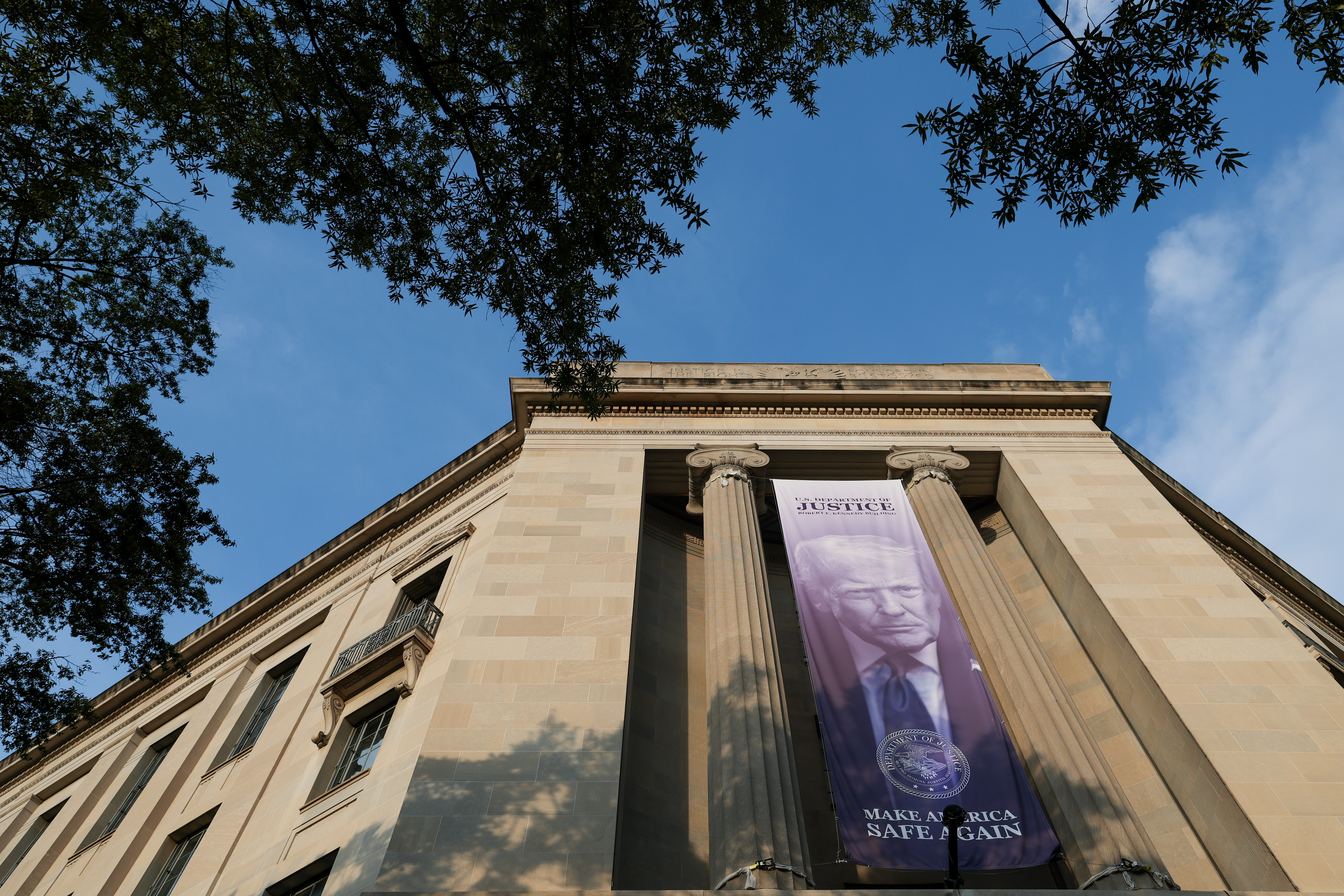
The U.S. Department of Justice Building in Washington, D.C., on Aug. 17, 2026. —Anna Moneymaker—Getty Images

Federal officials on Wednesday announced they had disrupted a yearslong Chinese hacking campaign that compromised or targeted several U.S. institutions, including NASA, the Federal Reserve, and even the Senate.

The Justice Department said in a statement it had seized internet domains used by two hacking platforms, called “QScan” and “QTRouter,” that were created and operated by a Chinese state-sponsored group. The platforms were used to target U.S. critical infrastructure and other sensitive networks. FBI Director Kash Patel said tools were used by Chinese government actors “to hide the origin of their attacks.”

An attached affidavit from an FBI agent accused the state-sponsored group, referred to as “QTFY,” of targeting the Department of Energy, Department of Justice, Department of Health and Human Services, and the National Institutes of Health. The group also allegedly targeted networks “operated by hospitals, telecommunications providers, power companies, financial institutions, and defense contractors.”

The DOJ’s announcement did not specify if anybody had been charged or apprehended in relation to the hacking, and the extent of what has been compromised remains unclear. TIME has reached out to the DOJ for comment.

The group’s hacking activity, which dates back to 2018 according to the FBI, adds to an ongoing record of U.S. allegations of Chinese state-backed cyberespionage operations.

A spokesperson for the Chinese Embassy in Washington, D.C. pushed back against the accusations in a statement to TIME, insisting that China is a “firm defender” of cybersecurity.

“China firmly opposes the U.S. overstretching the concept of national security and using it as a pretext to impose discriminatory restrictions on Chinese companies and will firmly safeguard the legitimate rights and interests of Chinese companies,” the spokesperson said, urging the U.S. to stop using such issues to “smear or discredit” the country.

A yearslong hacking campaign

QTFY members, according to the DOJ affidavit, include former members of the People’s Liberation Army—China’s military forces—who used their PLA relationships “to obtain contracts and subcontracts supporting offensive cyber operations.” The QTFY actors were allegedly employed by the Nanjing Xinjiuwei Network Technology Company, which “conducts malicious cyber activities” for the Chinese government, per the FBI.

The affidavit stated that not all of the attempted intrusions had been successful.

In August 2019, the group failed in attempting to break into NASA's server by exploiting a vulnerability in its virtual private network.

In September 2024, QTFY actors conducted computer intrusions at three unnamed laboratories of the Department of Energy, the NIH, an HHS agency, and another unnamed U.S. security device manufacturer.

Other efforts by the hacking group were detailed in a joint cybersecurity advisory authored by the FBI, the National Security Agency, and the U.S. Cyber Command's Cyber National Mission Force.

According to the advisory, the group conducted a vulnerability scan of the U.S. Senate and an American hospital system in March 2026, and of an unidentified U.S. election system in June 2026. Both attempts to gain access to these networks failed.

Speaking to Fox News, Attorney General Todd Blanche said Wednesday that the operation has been happening for many years and is a “major national security issue” for the U.S., adding that the authorities have not only stopped the operation, but have also shared the information with the private sector to stop further attempts.

Cybersecurity has been a source of tension between the U.S. and China—two geopolitical rivals.

The 2026 Annual Threat Assessment from the Office of the Director of National Intelligence says China “is the most active and persistent cyber threat to U.S. Government, private-sector, and critical infrastructure networks.”

In 2023, the U.S. identified and disrupted operations by Chinese state-sponsored group Volt Typhoon to intrude into U.S. energy, transportation and water networks, to potentially sabotage operations during geopolitical crises. The following year, Chinese government-linked hackers were said to have targeted the phone communications of President Donald Trump and Vice President J.D. Vance, who were then running for office, as part of a larger cyber-espionage campaign.

The Justice Department’s latest announcement comes a month before Trump’s counterpart Xi Jinping is expected to head to the U.S. amid continuing disputes in trade and technology.

As to whether Trump should bring up the alleged hacking from China when Xi visits, Blanche said he would not tell the President what to discuss.

“This is something that we have talked about with our counterparts in China for many, many years. And we know that it’s happening. And they know that we know that it’s happening. And it has to stop,” he added.


  •  

Dolly Parton's Life, in Pictures

Dolly Parton poses on set for the "Light Of A Clear Blue Morning" music video in Los Angeles on March 15, 1992. —Jeffrey Mayer—Getty Images

Dolly Parton poses for a portrait in circa 1955 in Tennessee. —Michael Ochs Archives/Getty Images
Dolly Parton and her collaborator Porter Wagoner perform onstage in circa 1967. —Michael Ochs Archives/Getty Images
Dolly Parton performs with her goddaughter, Miley Cyrus, during "Miley's New Year's Eve Party" in 2022. —Vijat Mohindra—NBC/Getty Images
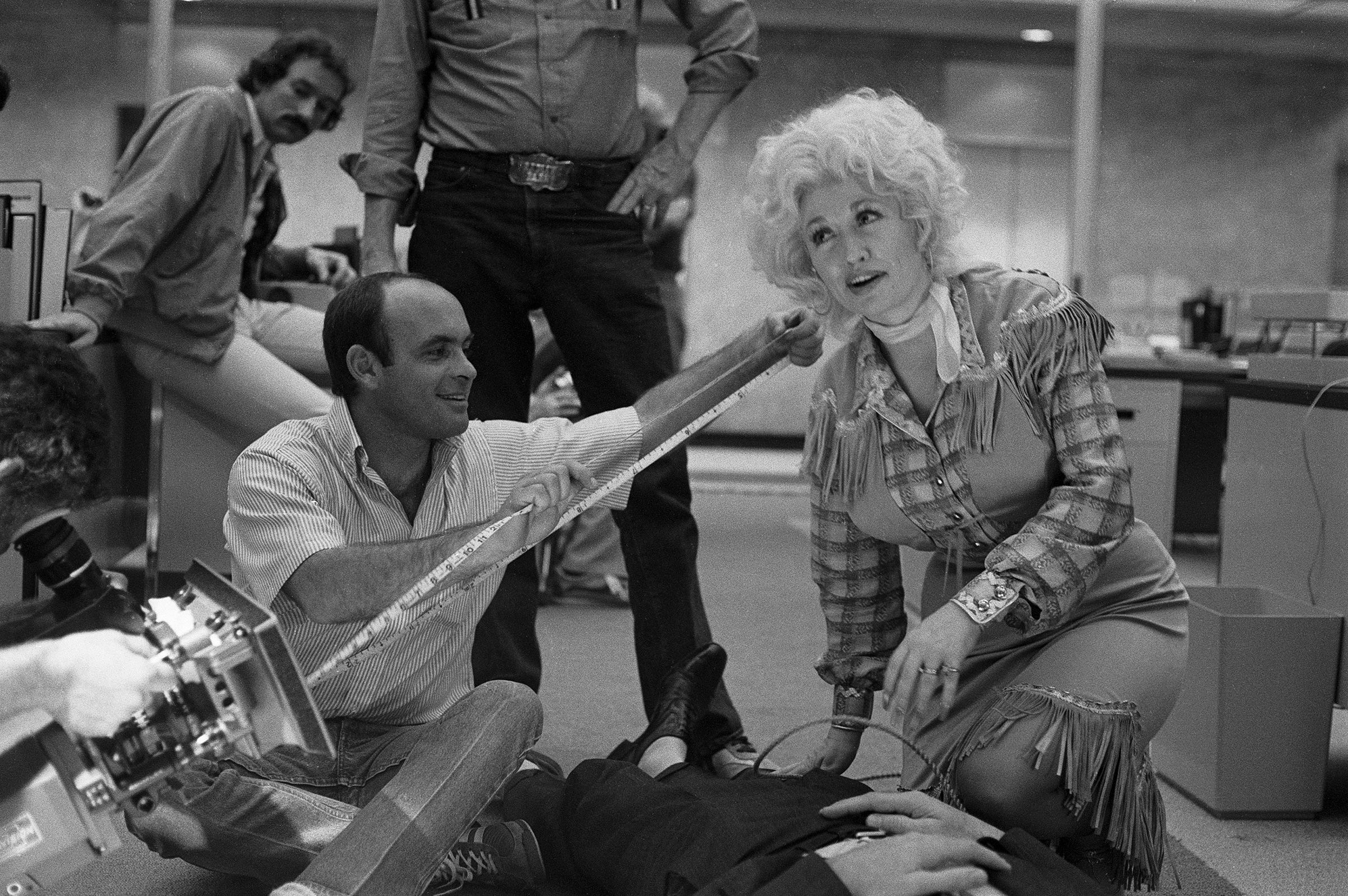
A crew member takes a measurement with Dolly Parton on the set of the film "9 to 5." —Steve Schapiro—Corbis/Getty Images
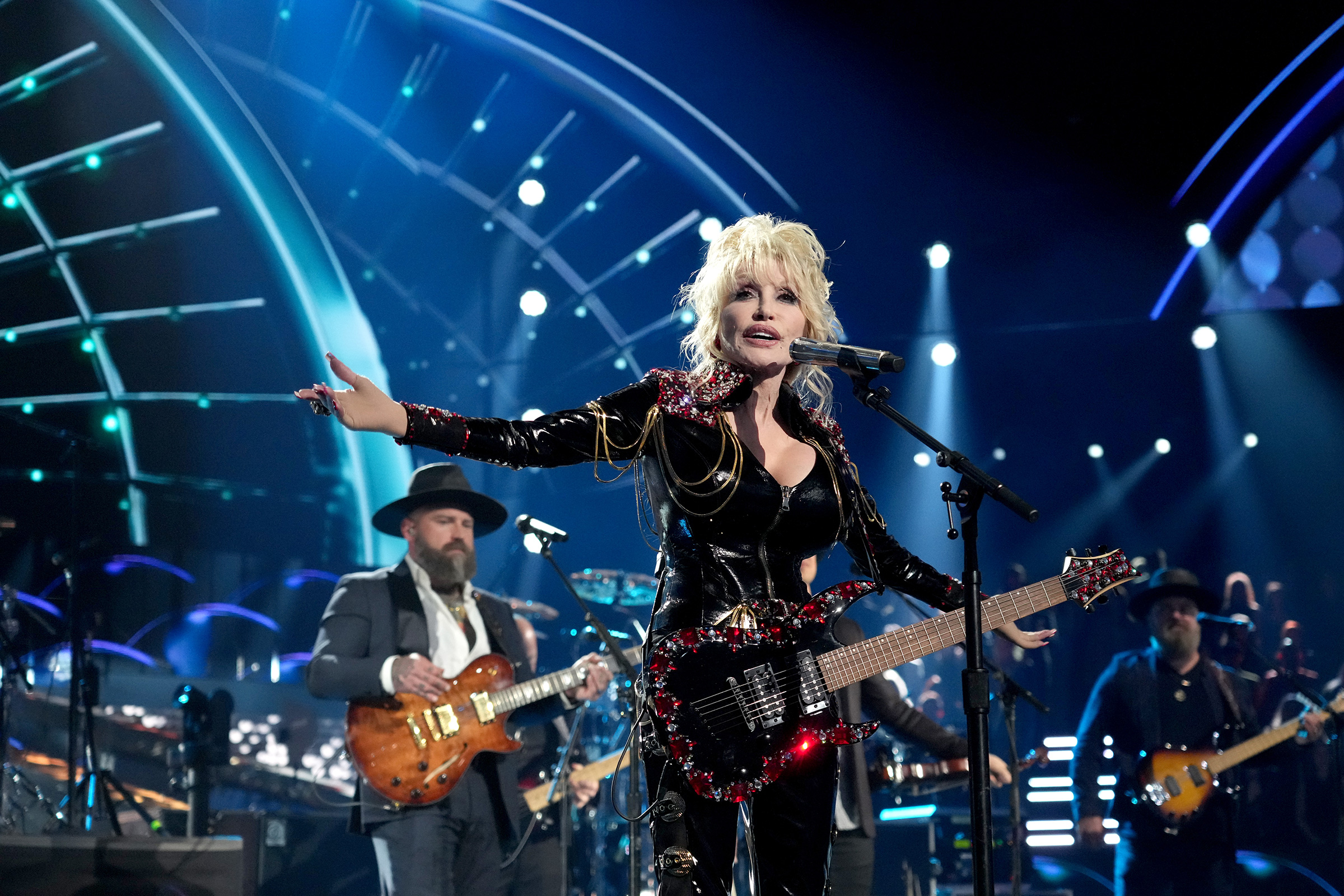
Inductee Dolly Parton performs onstage during attends the 37th Annual Rock & Roll Hall of Fame Induction Ceremony at Microsoft Theater in Los Angeles on Nov. 5, 2022. —Kevin Mazur—The Rock and Roll Hall of Fame/Getty Images
Dolly Parton attends the Opening Weekend Celebration of Dollywood in Pigeon Forge, Tennessee, on April 24, 1993. —Ron Galella—Ron Galella Collection/Getty Images
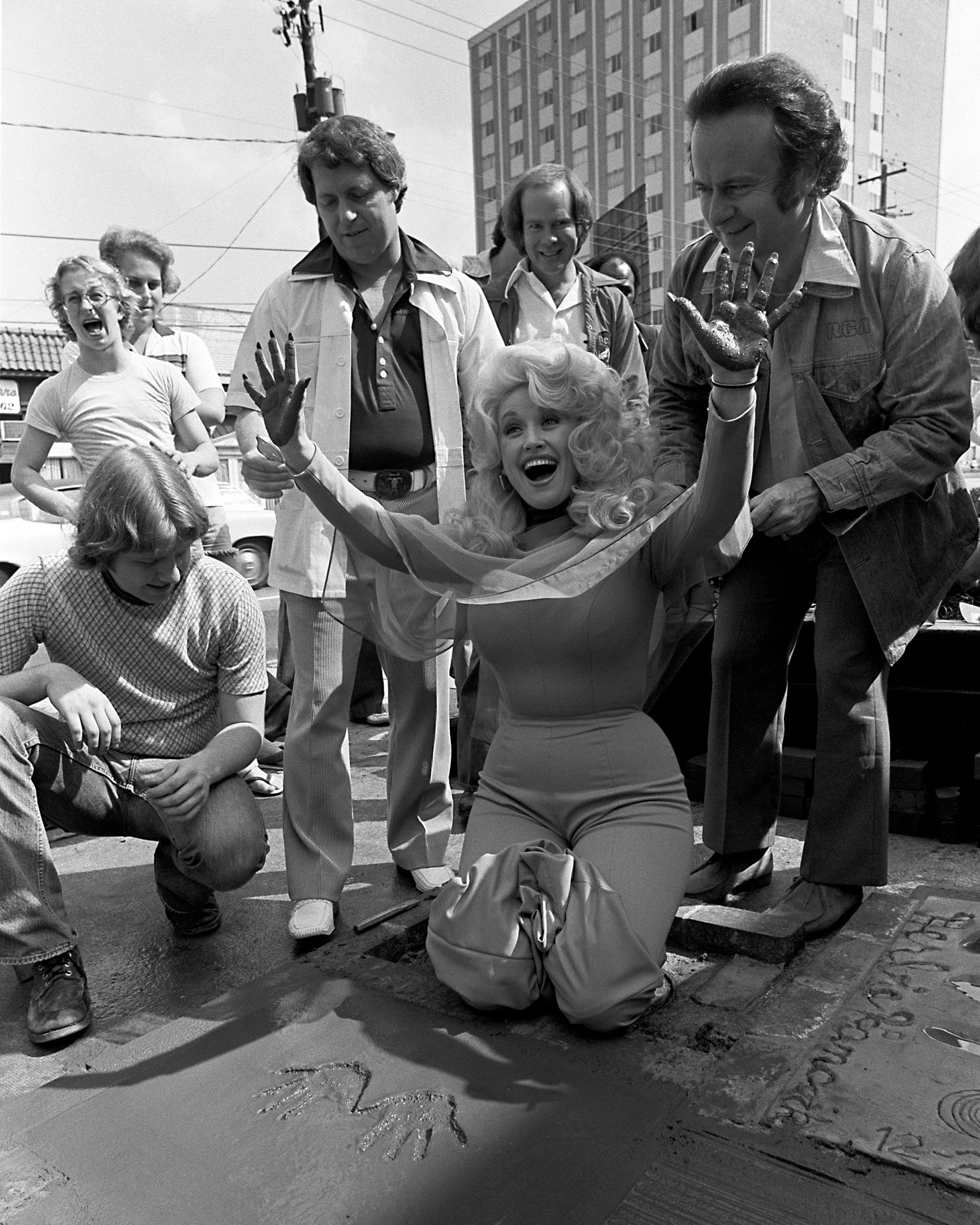
Dolly Parton greets fans and leaves her handprints at an in-store appearance Peaches Records in Atlanta, Georgia, on May 3, 1977. —Tom Hill—Getty Images
Dolly Parton visits Dollywood in Pigeon Forge, Tennessee, in 1987. —John Seakwood—Disney General Entertainment Content/Getty Images
Dolly Parton launches Imagination Library, her children's literacy scheme, at the Magna Science Adventure Centre in Rotherham, South Yorkshire. —Rui Vieira—PA Images/Getty Images
Dolly Parton performs at Harrah's Club in Lake Tahoe, Nevada, in 1980. —George Rose—Getty Images
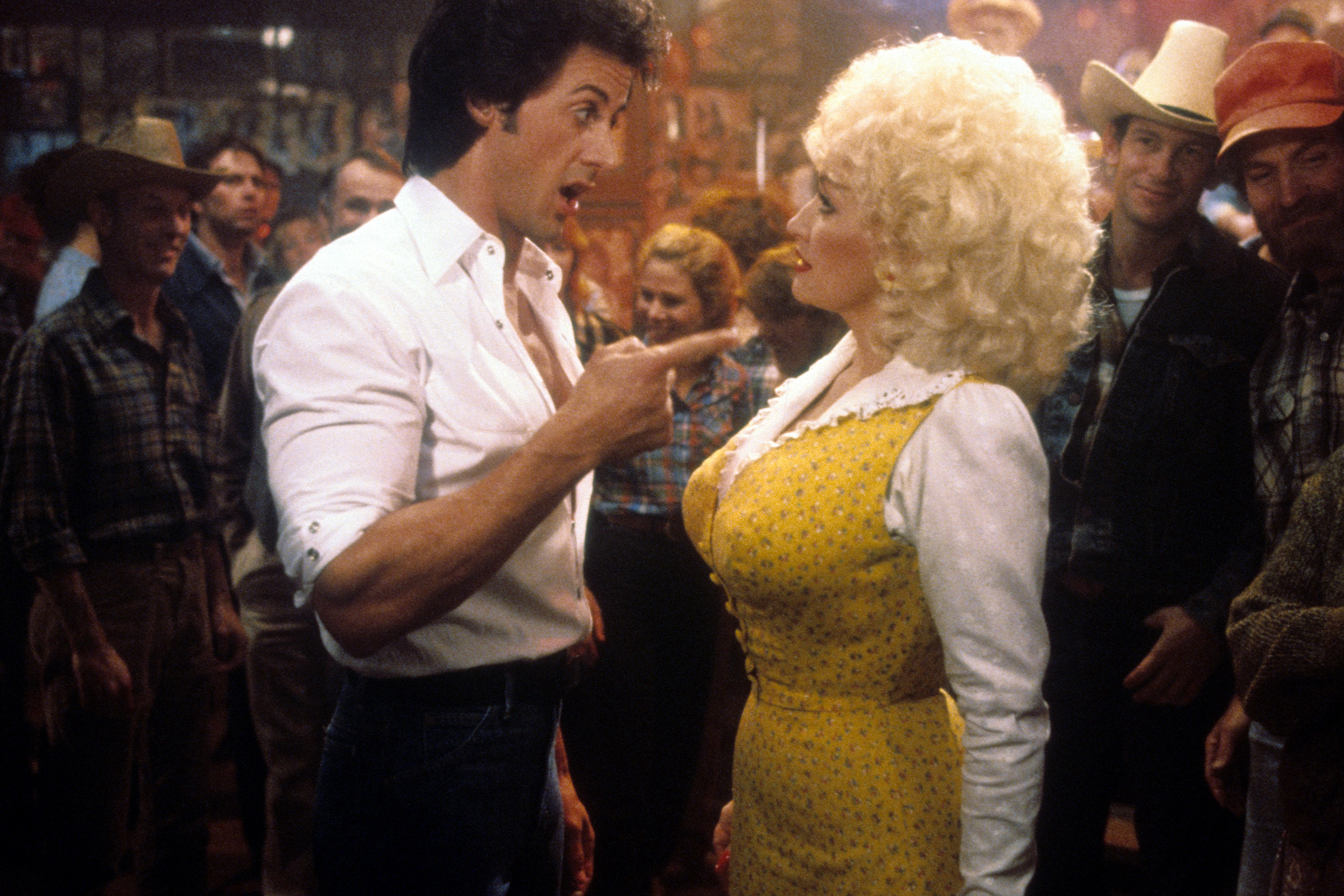
Sylvester Stallone points to Dolly Parton in a scene from the film "Rhinestone" in 1984. —20th Century-Fox/Getty Images
Shirley MacLaine, Daryl Hannah, Sally Field, Dolly Parton, and Julia Roberts attend the New York City premiere of "Steel Magnolias" at the Ziegfeld Theater in New York City on Nov. 5, 1989. —Vinnie Zuffante—Getty Images
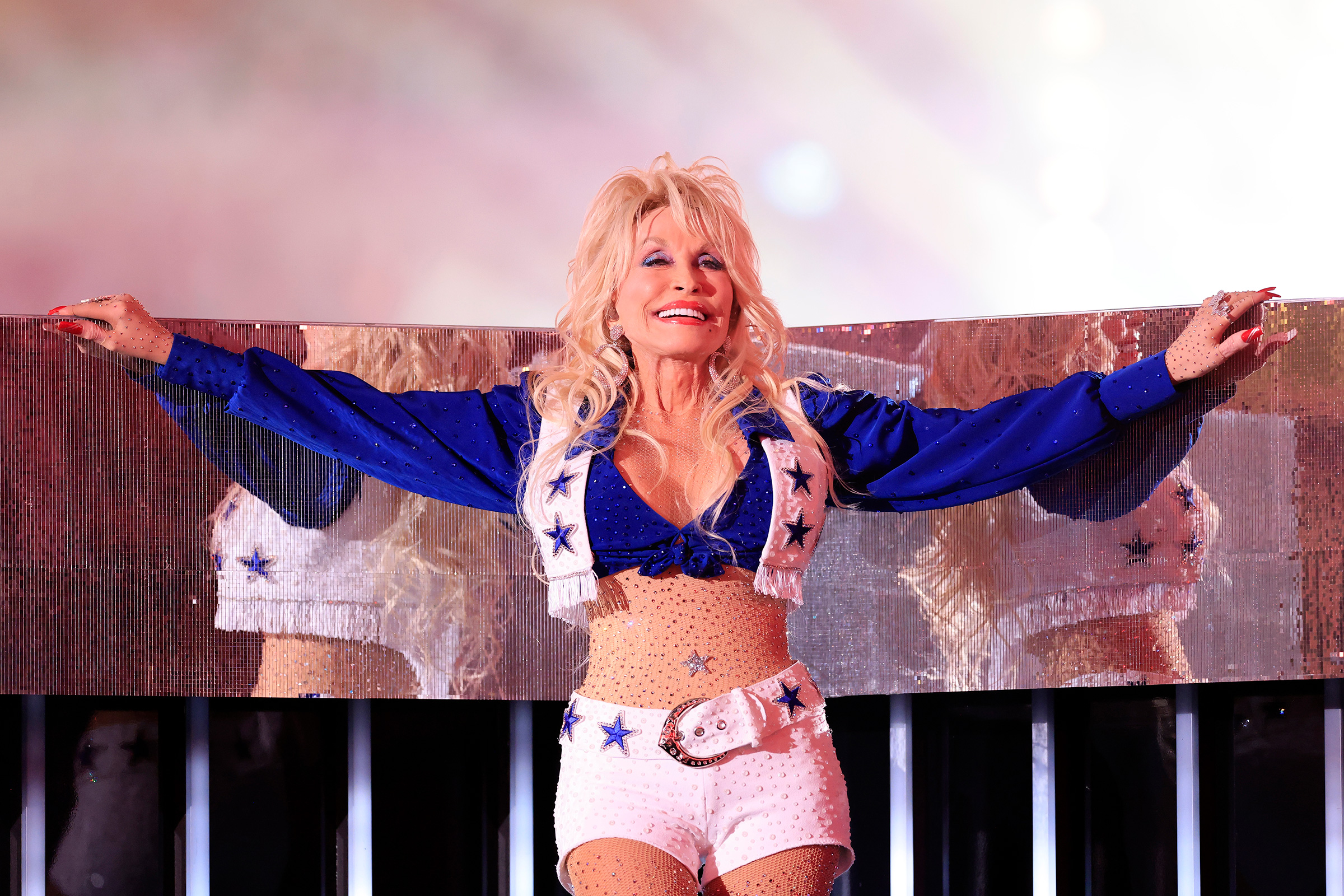
Dolly Parton performs during halftime in the game between the Washington Commanders and the Dallas Cowboys at AT&T Stadium in Arlington, Texas, on Nov. 23, 2023. —Ron Jenkins—Getty Images
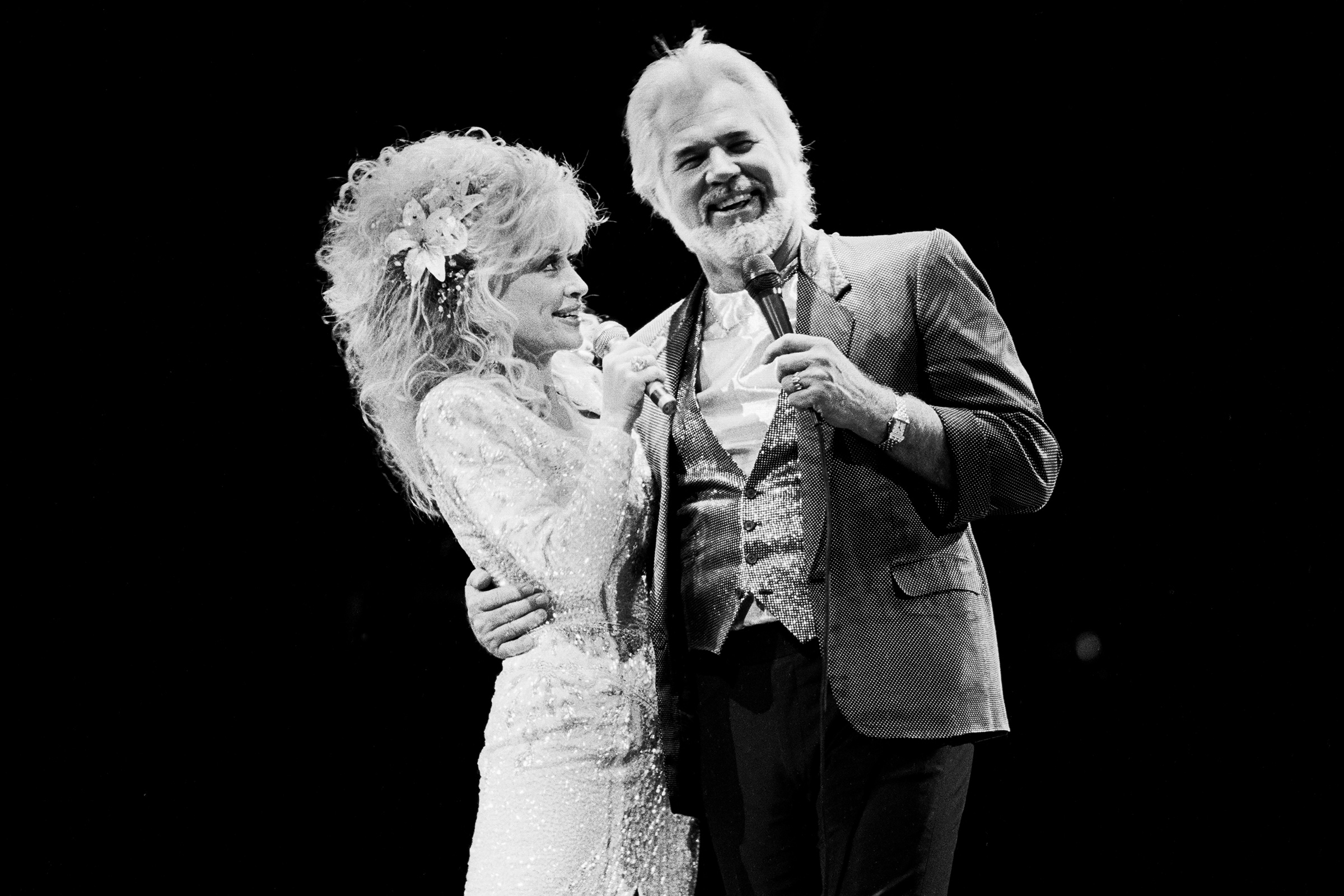
Dolly Parton and Kenny Rogers perform together onstage at Brendan Byrne Arena (later Meadowlands Arena) in East Rutherford, New Jersey, on Oct. 20, 1988. —Gary Gershoff—Getty Images
Dolly Parton attends the opening of Country Music Hall of Fame and Museum's new exhibit "Dolly Parton: Journey of a Seeker" in Nashville on May 19, 2025. —Jason Kempin—Getty Images
Dolly Parton is interviewed at Monroe Carell Jr. Vanderbilt Children's Hospital to share music and her own family's story of hope with kids and their parents in Nashville on Oct. 13, 2017. —Jason Davis—Pandora/Getty Images
Dolly Parton leaves the "Ms Magazine's Women of the Year" ceremony, held at the Roseland Ballroom in New York City on Jan. 12, 1987. —Michael Ochs Archives/Getty Images
Dolly Parton performs live at The Paramount Theatre in Oakland, California, in 1977. —Richard McCaffrey—Michael Ochs Archive/Getty Images
  •  

Tim Curry Dies at 80. Here Are the Movies and TV Shows That Made Him Unforgettable

British actor and singer Tim Curry performing live in Canada in 1979. —Peter Noble—Redferns/Getty

Tim Curry, a multitalented star of the stage and screen, died Tuesday at his home at the age of 80. The three-time Tony Award-nominated icon was best known for his eccentric characters, his musical background, and his comedic chops, leading to a varied and successful career in cult classics and box office hits. 

Curry “passed away peacefully at his home in Toluca Lake, Los Angeles,” according to a statement from his longtime manager Marcia Hurwitz. The cause of death has not been made public, but Curry had suffered from several health issues since having a severe stroke in 2012. 

Though he was best-known for donning fishnets and a corset as Dr. Frank-N-Furter in 1975’s “Rocky Horror Picture Show,” Curry had left his mark with a wide-ranging career spanning albums, voice work, and more.

Here are a few of the roles that allow his unmistakable artistry to live on.

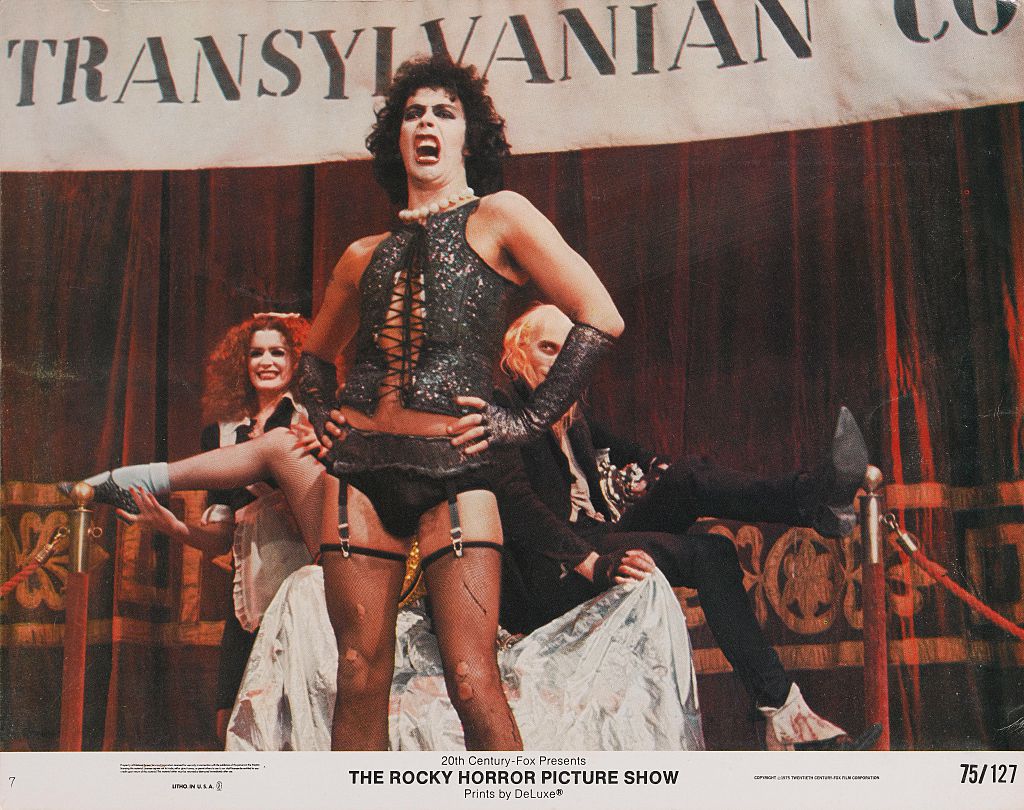
Tim Curry poses as Dr. Frank-N-Furter on a lobby card from the 1975 musical comedy "The Rocky Horror Picture Show," produced by 20th Century Fox. —Movie Poster Image Art/Getty Images

The Rocky Horror Picture Show

Curry rose to cult status after taking on the role of Dr. Frank-N-Furter, the “sweet transvestite from Transsexual, Transylvania,” in the stage version of The Rocky Horror Show in London in 1973. His fan base crossed the Atlantic when he came to the United States to reprise the role in Los Angeles in 1974, before transferring to Broadway, paving the way to the now-famous screen adaptation from 1975, The Rocky Horror Picture Show.

Reviews from New York were mixed—the TIME review said of the initial Broadway run that it was “not easy to see why this campy trash was a long-running hit in London and a smash success in Los Angeles.” But by 1985, TIME’s film reviewer recognized the movie as a “cross-generational phenomenon.”

Chicago Sun-Times critic Roger Ebert said that Curry was “the best thing in the movie, maybe because he seems to be having the most fun.”

Now, Rocky Horror is an interactive midnight movie phenomenon, with fans showing up to screenings nationwide in costume, shouting lines back at the screen, and singing along. The stage version was revived on Broadway in 2026.

Curry’s breakout role in musical theater helped launch his music career in the 1970s and 1980s. He released three albums: Read My Lips, Fearless, and Simplicity.

Annie

In 1982, Curry starred in another stage adaptation—this time playing sleazy con artist Rooster Hannigan in the hit movie Annie.

Acting alongside legends like Carol Burnett and Bernadette Peters, Curry cemented himself as a scheming villain, the type of role he would continue to play in movies like Home Alone 2, Muppet Treasure Island, and The Three Musketeers.

In a 2020 interview with Forbes, Curry reminisced on the experience: “Rooster was a hustler, and people love that kind of character,” he said. “He was a lot of fun.”

Clue

In the 1985 board game adaptation Clue, Curry played the energetic butler Wadsworth, where he showcased his physical comedy. One of the most memorable moments comes at the film’s end, when Wadsworth runs about the mansion, trying to summarize the night’s events and explain the identity of the killer.

Since his death, tributes from his Clue co-stars have poured in.

“What an unbelievable joy to have shared a sound stage with him and to engage with such a master talent,” Lesley Ann Warren, who played Miss Scarlet in the murder mystery movie, wrote. “I adored him.”

It

In 1990, Curry took on a more straightforward villain in the miniseries adaptation of Stephen King’s It. He starred as an ancient cosmic evil that took the form of a child-killing clown called Pennywise in the town of Derry, Maine.

His portrayal of Pennywise horrified a generation of children—without relying heavily on special effects or prosthetics. In a 1990 interview, Curry said he was trying to get in touch with the “human element” of the horror genre.

“We had a much more prosthetic version of this makeup, which was very scary-looking and beautifully executed but did too much work by itself,” he said. “And I personally think that what is most horrifying is the moment of decision behind somebody’s eyes when they decide to kill somebody—rather than a pint of blood and a pound-and-a-half of latex.”

Tim Curry stands onstage for the curtain call at the Broadway premiere of "Spamalot" in New York on March 17, 2005. —Stuart Ramson—AP

Other beloved roles

Beyond his most beloved roles, Curry had his fingerprints all over pop culture—in movies and television and on the stage.

His three Tony Award nominations came for his 1981 portrayal of Wolfgang Amadeus Mozart in the play Amadeus, his portrayal of King Arthur in the musical Monty Python’s Spamalot which debuted on Broadway in 2005, and the lead role of troubled movie star Alan Swann in the musical My Favorite Year in 1992

On the screen, Curry was also beloved as the nosy concierge in 1992’s Home Alone 2, where he is outsmarted by the film’s young protagonist, as well as for his immersive work alongside a cast of Muppets as Long John Silver in 1996’s Muppet Treasure Island. Both his penchant for camp and his undeniable vocal talent were highlighted in 1986’s The Worst Witch, where he played the menacing Halloween harbinger, Grand Wizard Egbert Hellibore.

Curry’s distinct theatrical voice also made him a top choice for voiceover work, where his prolific career spanned hundreds of animated series, audiobooks, and video games. After voicing Captain Hook in Peter Pan & the Pirates, he won a Daytime Emmy Award in 1991.

  •  

The Price of Happiness: Americans Feel Guilty After Spending on Things That Bring Them Joy

A consumer purchases a coffee using their credit card. —The Good Brigade/Getty Images

Paying for a fancy coffee, a trip to the cinema, or a dinner out can trigger a burst of happiness—that is, before the guilt sets in.

Nearly three-quarters of Americans said they feel guilty when they spend money on things that give them a little joy, according to a new Cost of Life Today report by Ally Bank.

The YouGov survey, which polled more than 5,000 American adults, found that financial pressures are making happiness harder to afford, with the average American adult scoring 54.2 out of 100 on Ally’s “Joy Index,” which measures people’s ability to afford and prioritize happiness, how frequently they experience it, and how resilient it remains under financial stress.

The report comes during a cost-of-living crisis that has squeezed household budgets around the world. In the U.S., home prices have risen around 45% since 2020, while outstanding credit card debt remained at near record highs at $1.26 trillion in the second quarter of this year. Those pressures have intensified as President Donald Trump’s war against Iran has disrupted shipping through the Strait of Hormuz, driving up gas prices and the costs of fertilizers and other commodities.

Affordability appears to be a defining concern for American voters, with both progressive Democratic candidates and Republicans campaigning on promises to lower everyday costs.

Why rising costs are making Americans feel guilty about spending

Rising costs are creating a squeeze on how much people can enjoy their non-necessary purchases.

Although 68% of respondents report spending on "joy" every month, just 15% said that joyful purchases and experiences are easy to afford, and only 20% said it is easy to afford essential expenses.

Seventy-seven percent of respondents said they reduce, delay, or avoid spending on joy at least occasionally because of financial pressures or other priorities. Around 70% of respondents feel stressed at least monthly by balancing joy with financial responsibilities, and 69% feel overwhelmed by financial responsibilities at least monthly.

Women are more likely to experience guilt around spending. Three-quarters of women respondents felt some guilt when spending on personal joy and 25% felt a lot of guilt, compared with 68% and 15% of men, respectively.

Having more money could also bring you more joy. Higher incomes were associated with stronger overall Joy Index scores.

Still, mindset made a difference. Respondents with a “joy mindset” were nearly twice as likely to experience joy at least weekly, and reported experiencing it at virtually identical levels across income groups.

How different generations experience joy

Guilt was also more common among younger respondents. Around 77% of Gen Z and 76% of millennials reported feeling at least some guilt over joy-related purchases. That includes 23% of millennials and 22% of Gen Z who felt a lot of guilt. The report did not specify examples of joyful purchases.

Baby boomers reported the lowest guilt levels, with 63% feeling some amount of guilt. Nearly a third of boomers said spending on joy was “completely worth the cost.” Boomers were the happiest generation, scoring 57.1 out of 100 on the Joy Index. Boomers on average spend the most on joy each month, at $298.

Gen Z came second in terms of happiness, with a score of 55.2. Unlike other generations, a majority of Gen Z respondents—56%—said they have a dedicated budget for joy.

Gen Z respondents reported spending an average of $295 per month on things that bring them joy, compared to $287 among millennials and $259 among Gen X.

When money is tight, 47% of respondents seek lower-cost or free ways to experience joy, while 42% save up before spending. Some make steeper trade-offs: 20% cut back on necessities, and 13% take on debt or use credit.

In the previous three months before the survey, 38% of respondents cut back on dining out, 34% on shopping, 27% on entertainment, 25% on travel, and 21% on their hobbies. People were less willing to sacrifice time with or money spent on loved ones. Just 17% cut back on social time with friends, 11% on spending to help others, and 9% on their pets.

For many Americans, luxury looks less like extravagance and more like breathing room. When asked what counts as luxury today, 56% of respondents said vacations. But that was followed by half of respondents who said having money left after paying bills was a luxury. Around 47% of respondents said being able to save and still enjoy life, and eating out without worrying about the bill were also luxuries.

Other luxuries included free time, hobbies, and high-quality groceries.

  •  

What to Know About the Apparent Iranian Threat Against Barron Trump

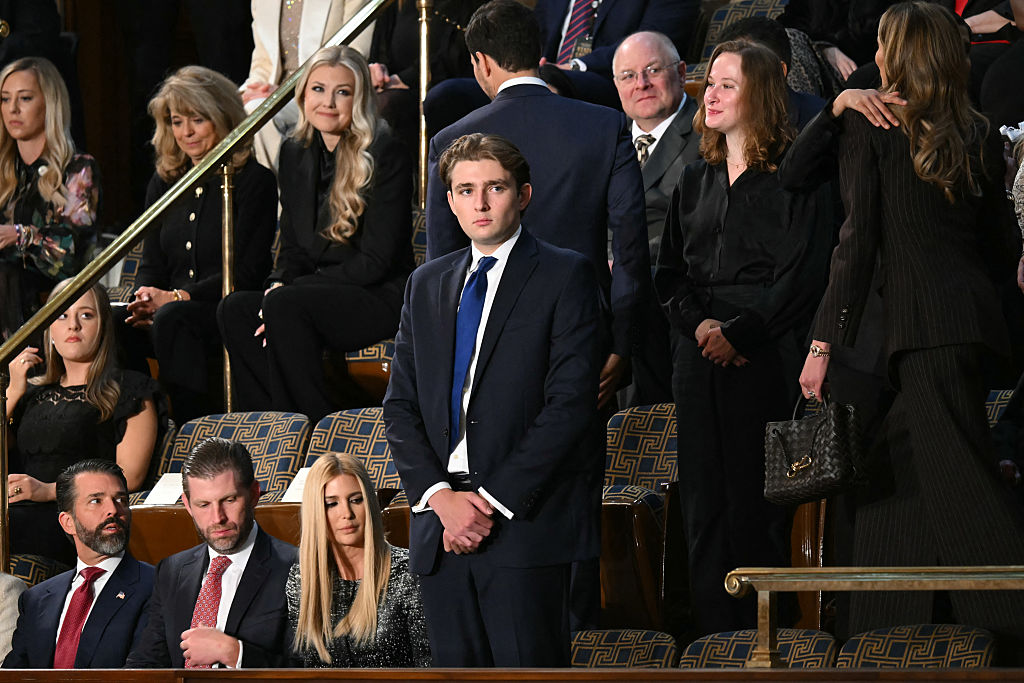
Barron Trump, the son of President Donald Trump, stands in the House Chamber of the U.S. Capitol in Washington, D.C., on Feb. 24, 2026. —Andrew Caballero-Reynolds—AFP/Getty Images

The U.S. Secret Service said it was aware of a video broadcast by Iranian state media that appeared to threaten President Donald Trump’s youngest son, Barron.

“The U.S. Secret Service is aware of the video and investigates anything that can be perceived as a threat toward our protectees,” Secret Service spokesperson Nate Herring said in a statement. “Out of concern for operational security, we do not discuss matters of protective intelligence.”

According to the U.K.-based news outlet Iran International, the nearly three-minute clip—which starts with a graphic that reads “Where to Kill Barron Trump”—describes efforts to reach the President’s 20-year-old son, whom the video narrator claims is under surveillance.

The video also references several locations related to Barron Trump, such as his place of study and the Trump Tower in New York, as well as his security arrangements. The narrator also suggests a $10 million reward connected to efforts against Barron Trump.

Read More: Trump's Secret Plane Swap Was Unusual, Not Unprecedented

TIME could not independently verify the claims made in the video, which provided no evidence that Barron Trump was actually under surveillance or that anyone had successfully compromised his security. The White House referred TIME to the Secret Service when asked for a response to the apparent threat against Barron Trump.

CNN first reported that the Secret Service was aware of the segment, which aired over the weekend on state-run Islamic Republic of Iran Broadcasting. IRIB operates under the Supreme Leader's control.

The segment follows a similar video released in July by the IRGC-affiliated Tasnim News Agency that focused on First Lady Melania Trump. That video depicted purported vulnerabilities in her security and ended with the words: ‘Barron Trump, wait for us!’”

Trump has been the subject of such threats from Iran since his first term. Iranian officials have repeatedly threatened Trump since he ordered the airstrike that killed Iranian General Qasem Soleimani, the commander of Iran’s elite Quds Force, in early 2020. 

Threats intensified after the U.S. and Israel launched strikes against Iran in late February, killing Supreme Leader Ayatollah Ali Khamenei during the opening phase of the war. His son and successor, Mojtaba Khamenei, has vowed to avenge his death.

Images depicting the deaths of Trump and members of his family have since featured prominently in Iranian calls for revenge.

Last month, a mural in Tehran’s Palestine Square depicted members of the First Family above coffins draped in American flags. The same month, in Enqelab Square, the site of pro-Khamenei demonstrations, a billboard appeared to show Trump’s body in a coffin.

“I don’t think it’s any secret—it’s been in the media that Iran has publicly said they want to kill President Donald Trump,” U.S. Secret Service Deputy Director Matt Quinn told reporters at an event in July.

Earlier this month, the President confirmed that he had secretly switched planes as he left a NATO Summit in Türkiye in July based on a possible Iranian threat.

In response to the Iranian threats on his life, Trump has warned that any Iranian attempt to assassinate him would result in the ‘decimation’ and ‘destruction’ of Iran.

  •  

U.S. Embassy Removes ‘Woke’ Painting by Artist Behind Barack Obama Portrait

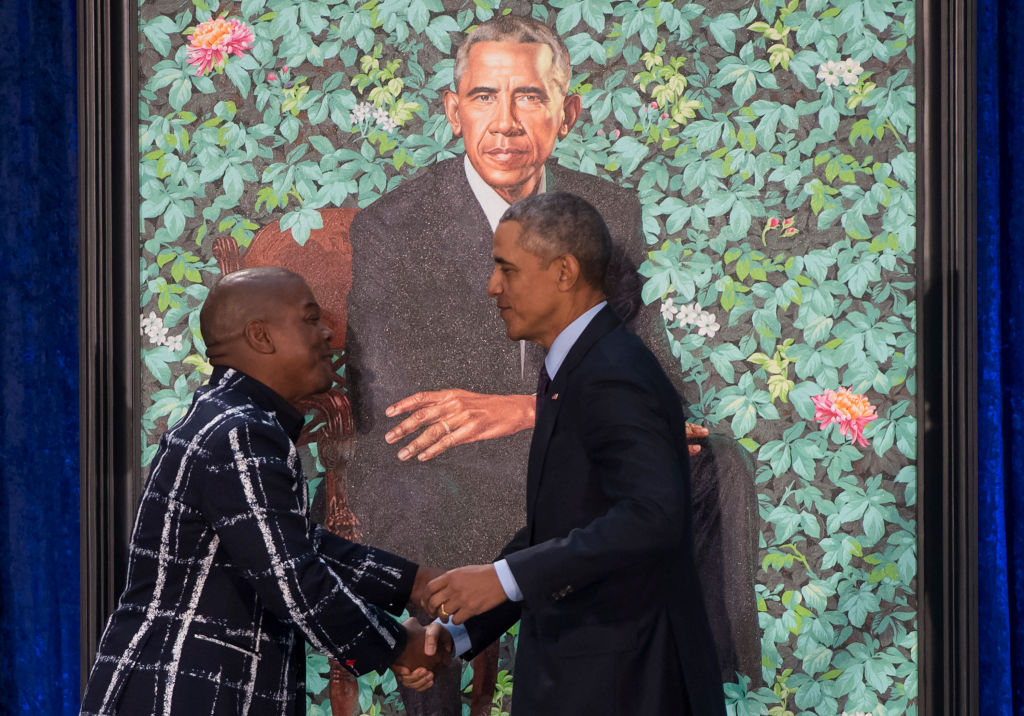
Former President Barack Obama shakes hands with his portrait's artist, Kehinde Wiley, after its unveiling at the Smithsonian's National Portrait Gallery in Washington, D.C., on Feb. 12, 2018. —Saul Loeb—AFP/Getty Images

The Trump Administration has removed a painting by artist Kehinde Wiley, who notably painted former President Barack Obama’s official portrait, from one of its embassies over what officials called its “woke ideologies.”

The painting was removed from the U.S. Embassy in Santo Domingo, Dominican Republic, earlier this month on ideological grounds. Commissioned by the State Department in 2013, the painting, “Young Artists After Siamesas 1960,” depicts four Dominican models against a floral backdrop in Wiley’s quintessential style.

The U.S. ambassador to the Dominican Republic Leah Campos posted a video of the painting’s removal on social media to the tune of heavy metal song “We’re Not Gonna Take It.” The video shows the painting covered in a tarp emblazoned with the American flag prior to its removal.

“In the Trump Administration and under my leadership we are turning away from globalist and woke ideologies and instead embracing American patriotism and the beauty of our great country!” Campos wrote.

The State Department is looking into whether it can legally sell the painting, which was paid for with taxpayer dollars, a spokesperson for the department told The New York Times on Monday.

TIME has reached out to Wiley for comment.

Renowned artist

Wiley is known for his large-scale portraits of Black subjects, whom he depicts in the style of classical European portraiture, often placing them against vibrant floral backgrounds. Art critics have described Wiley’s work as challenging traditional ideas of race and representation. He has described his own work as centering on “power and who has it.” His presidential portrait of Obama was unveiled in 2018 and hangs in the Smithsonian’s National Portrait Gallery.

For “Young Artists After Siamesas 1960,” Wiley collaborated with students from the Facultad de Artes and the Altos de Chavon School of Design, both prominent art schools in the Dominican Republic. The subjects in the painting were modeled by four local art students. The work drew inspiration from two Dominican art works, Celeste Woss y Gil’s 1940 painting “Desnudo Feminine” and Gilberto Hernández Ortega’s 1960 work “Siamesas.”

The painting was part of the embassy’s permanent exhibition, assembled through the State Department’s Art in Embassies program. Established in 1963, the program is aimed at fostering cross-cultural dialogue and diplomacy through art. In 2015, the State Department awarded Wiley its Medal of Arts in recognition of his contributions to the program.

But in recent years, Wiley faced criticism from conservative commentators over his 2012 painting “Judith and Holofernes.” The painting portrays a Black woman holding the severed head of a white woman, which Wiley later described as a play on the “kill whitey thing.” The work, currently on view at the North Carolina Museum of Art in Raleigh, reimagines a 17th century painting by Giovanni Baglione that depicts the biblical story of Judith beheading an invading general to save her town.

Wiley also faced scrutiny in 2024 for sexual assault allegations, which he denies.

The State Department spokesperson told the Times that “the work of an individual with such violent and racist words and depictions has no place in the America First State Department.”

In a recent interview with former White House Press Secretary Sean Spicer, Erin Scavino, director of Art in Embassies, called the painting “very woke” and “aesthetically terrifying.” Scavino became director of the program at the beginning of President Donald Trump’s second term after previously working as an attorney and appearing as a contestant on Trump’s reality show The Apprentice. She is also the wife of White House Deputy Chief of Staff Dan Scavino.

Art attack

As part of the Art in Embassies program, Scavino has emphasized acquiring and displaying works with patriotic imagery. Last month, she organized an exhibition in Washington titled “Passport to Patriotism: 250 Years of Diplomacy” that featured 68 representations of the American flag across 56 works.

Earlier this year, Scavino claimed her objections to so-called “satanic baby art” at the U.S. ambassador’s residence in Bucharest had forced Kathleen Kavalec from her post. The ambassador’s departure had previously been described as a planned retirement.

The State Department also changed its process for selecting the 2026 U.S. pavilion at the Venice Biennale, including replacing diversity language with requirements concerning “American values.” Critics described the process as politicized and opaque, pointing to the appointment of Jenni Parido, a reported friend of Scavino with no prior professional museum experience, as the pavilion’s commissioner. Last July, Parido founded the nonprofit American Arts Conservancy, which the State Department selected as the pavilion’s commissioning institution.

The Trump Administration has pursued similar changes across other federal cultural institutions especially in connection with the country’s 250th anniversary this year. In an executive order issued last March, Trump directed the Smithsonian to remove what he called “improper ideology” and “divisive narratives” and instead emphasize American greatness. The same month, his Administration sharply cut the federal staff responsible for preserving a collection of 26,000 publicly owned artworks.

The Trump Administration also canceled more than 1,400 humanities grants, but a federal judge permanently blocked the action in May. And the Administration proposed eliminating the National Endowment for the Arts (NEA) and National Endowment for the Humanities (NEH), independent federal agencies created to support cultural projects, in its budget requests for 2026 and 2027.

  •  

America's Best Colleges of 2026-2027

As jobs have become more technological, job markets have become more competitive, and the costs of tuition have risen, college students are increasingly considering the ROI of their education, or how efficiently it can be used to acquire a high-paying job post-grad. “We need to be more outcome-oriented, more career-oriented when we think about what we're recommending for students in higher ed,” says John Friedman, a professor of economics and international and public affairs at Brown University. “There are a lot of people who really do want to get career advancement, to get economic value out of the time and money they're spending in college, and we should help them do that.”

To highlight U.S. institutions that provide the best value for their students, TIME partnered with data research firm Statista on the inaugural edition of America’s Best Colleges of 2026-2027, ranking the colleges that excel at student outcomes, learning environment, and attractiveness to students.

Methodology: How TIME and Statista Determined America’s Best Colleges of 2026-2027

The search for high ROI education has led many U.S. college students to pursue STEM careers. According to a 2026 report from the National Science Foundation, the STEM workforce grew by 26% between 2013 and 2023 compared to the non-STEM workforce, which grew 9%—and STEM jobs are projected to continue growing at a faster rate than non-STEM jobs for the next decade or so. From 2021 to 2023, higher-education degrees awarded particularly in science and engineering reached record highs, and the U.S. was the most popular post-secondary STEM education destination for international students.

Schools with historically strong STEM programs—and pipelines into high-paying tech jobs—rank high on the list, like research universities Stanford (no. 1), known for its startup culture and connection to Silicon Valley, and MIT (no. 2), a patent powerhouse.

At no. 3 is Harvey Mudd, a small liberal arts college with a student population of around 900. It offers only majors in STEM—appealing to Gen-Z students who are increasingly turning to trade schools to learn technical skills—but competes with the big schools by encouraging students to be engaged in humanities, social sciences, and arts so they can understand the ethical impact of their work on society.

“If anything, this is the time that the world needs more liberal arts colleges, because we need people to question what's happening,” says Thyra Briggs, Harvey Mudd’s VP of admission and financial aid. “We hear from the graduate programs that admit our students and from the companies that hire them that they are often the translators in their office because they can do the very high level technical conversations that you would expect, but they also know how to translate that to people who may not have that same background.”

The school’s famous Clinic Program is a year-long capstone project developed in the early 1960s that has a team of students work directly with companies like Blue Origin, Sokil, and the Federal Aviation Administration to solve real-life research problems complete with a budget, a deliverable, a due date, and a corporate liaison. Very often, these projects can lead directly to jobs, Briggs says.

Of course, studying science and engineering is not the only option for students to get the most out of their post-secondary education. For example, Claremont McKenna (no. 9), part of the same liberal arts college consortium as Harvey Mudd, offers a wider range of non-STEM majors. Its career center provides career resources for “interest clusters” to help students think about potential post-grad pathways and give them relevant organizations to explore. In a post last year, Claremont reported that over 96% of the recent graduating class had defined plans and a median salary of $80,000. “There are going to be a lot of different fields that provide ROI,” says John Friedman, a professor of economics and international and public affairs at Brown University. “If you look within particular fields, there's often a ton of variation between what people get paid.”

While data shows that STEM jobs tend to pay off, there are also benefits to studying in fields that are undersupplied and growing; but research into more niche high-earning career paths can be more sparse, and sometimes students don’t realize which fields are high-earning or ways in which they can apply their degree creatively.

For students who want certainty of outcome, sector-specific workforce training programs have been found to be most successful in increasing people’s earnings because they train people for a particular job at a company. Some colleges are catching on to the need to link the skills learned during class to what jobs require. For example, Fashion Institute of Technology (no. 51) is partnering with Lightcast to display data about career outlooks, job availability, salary potential, and hard and soft skills required for the niche majors they offer like technical design, spatial experience design, packaging design and toy design.

See the full list of America’s Best Colleges of 2026-2027 below:

  •  

Tens of Thousands of Nevadans Evacuated in Latest Wildfire of Record-Breaking Year

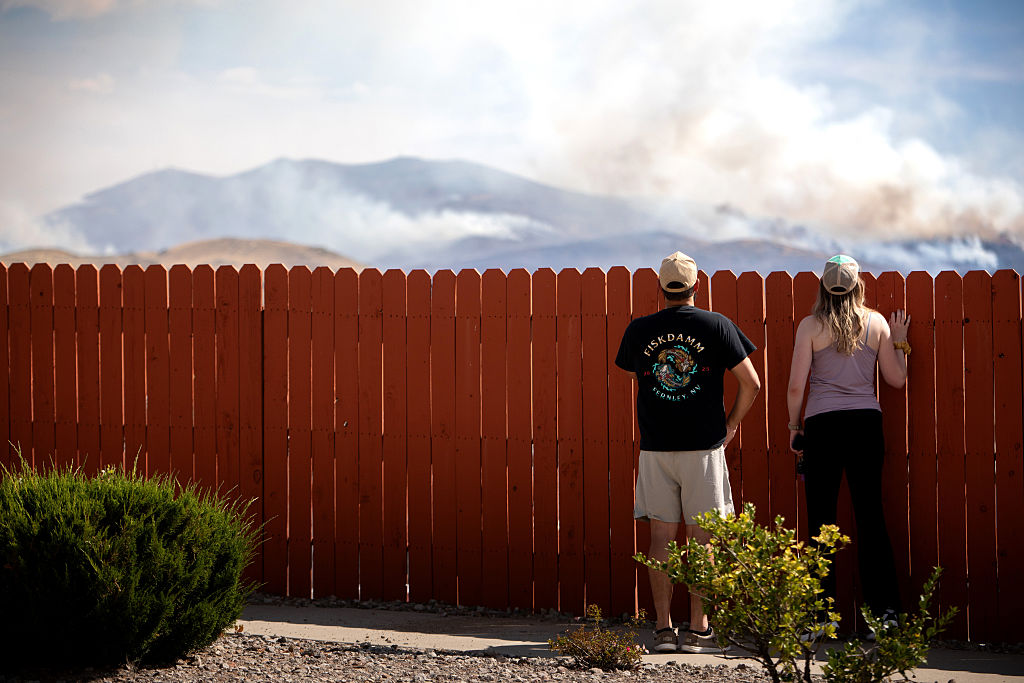
Local residents look over a fence at the Hawk fire burning in Reno, Nevada, on August 23, 2026. —Trevor Bexon—Getty Images

The ongoing “Hawk” fire outside the city of Reno, Nevada, has prompted the evacuation of tens of thousands of people in yet another devastating blaze contributing to one of the worst U.S. wildfire seasons in recent history. 

Roughly 42,000 people have been evacuated around Reno, while an additional 45,000 were warned that they may also have to flee. The evacuation is among the largest prompted by a U.S. wildfire this year, following the fires around Spokane, Washington, in early August during which roughly 60,000 people were evacuated.

The Reno evacuations mark another flashpoint of a record-breaking fire season. The fire is dwarfed in acreage by larger blazes from this year, at roughly 15,000 acres burned so far, but its direct effect on civilians is one of the largest in recent years, and demonstrates the potential risk that worsening wildfires may have on people and their communities in years to come.

Here’s how fires around the U.S. have set new records, and why they have been so bad this year.

More acres burned and more entrapments

Compared to the past 10 years, more acres have been burned this year in the U.S. to date.

The National Interagency Fire Center (NIFC) posted on Monday that firefighters have responded to 50,784 wildfires that have scorched over 7.8 million acres this year: 168% of the 10-year average for acres burned, and 129% of the average for total fires.

Around the same time last year, roughly 4 million acres had been burned, around 50% of the current acreage for 2026 so far, according to NIFC tracking.

The U.S. has also been at the highest level of “fire preparedness” for 38 days, since July 18th, at a five out of five, which means that federal resources are strained and may not be available to address every new fire.

Read More: The U.S. Is Now At Its Worst Level of Wildfire Preparedness. What Does That Mean?

The 10-year average for fire preparedness in August is four. The last time the fire preparedness level was at a five for the entire month of August was in 2021.

Meanwhile the 10-year annual average for days spent at level four and five combined is 48 days, and so far, the U.S. has already spent 57 days within that range, after reaching level four in late June.

There has also been a 20-year high of firefighter entrapments, life-threatening situations in which firefighters’ safety zones and escape routes are compromised. According to a Reuters report, there had been 12 entrapments in 2026 as of Aug. 13, more than the year-total average of nine in the last 20 years. This year’s entrapments also marked the highest year-to-date figure since 2006.

Six out of 13 firefighter deaths have involved entrapments, the report shows. An average of 17 firefighter fatalities occur each year from wildfires.

Hotter, drier, and windier conditions

Wildfire trackers often use the “30-30-30” rule to identify conditions that can lead to extreme wildfires. The rule refers to when the temperature is at least 30 degrees Celsius (86 Fahrenheit), humidity is at 30% or lower, and wind speeds are at 30 kilometers per hour or more (roughly 19 miles per hour). When combined, these hot, dry, and windy conditions can produce extremely large and destructive fires, as they have this year.

Reno has experienced an average daily high temperature of 92.8 degrees Fahrenheit (33.7 Celsius), 27% humidity, and 18 miles per hour (29 kilometers per hour) daily maximum wind speed over the last 10 days, including the week before the “Hawk” fires began on Saturday and the three days since as the blaze continues.

Although the 30-30-30 rule is a metric for local weather conditions’ effect on wildfires, increases have been exhibited this year compared to past years across the U.S. in each of its categories—temperature, dryness, and wind speed.

When it came to temperature, the average in the contiguous U.S. from January through July was the second warmest in 132 years, at 4.2 degrees Celsius (55.5 Fahrenheit), according to the National Oceanic and Atmospheric Administration (NOAA).

July in particular was the hottest month on record in the U.S., with an average of 76.9 degrees Fahrenheit (24.9 Celsius). Nevada specifically had one of its warmest July’s on record, according to NOAA.

Read More: What Living Through the Hottest July Ever Looked Like Across the U.S.

The U.S. also had its driest January-July since 2012, according to NOAA. And as of Aug. 4, nearly half of the contiguous U.S. was experiencing drought, including across much of the West.

Wind speeds generally fluctuate the most by region, but from January through June of this year, they averaged 0.5% above the 20-year average during 2005-2024, according to an S&P Global analysis.

These hotter, drier, and windier conditions have set the stage for an active wildfire season.

One underlying explanation for increasingly fire-prone conditions is climate change, which has contributed to longer-lasting fire seasons, now lasting for six to eight months in some areas, compared to what used to be roughly four months in past decades.

“Generally we're having drier summers and higher winds,” Peter Sunderland, professor of fire protection engineering at the University of Maryland, previously told TIME. “We are seeing more and more climate extremes.”

  •  

The Supreme Court Let Trump’s Ballroom Proceed—for Now. Here’s What That Means

Artist renderings relating to White House Ballroom construction, contained in a filing by the Trump Administration to the U.S. Supreme Court, are shown on Aug. 14, 2026. —Jon Elswick—AP

The U.S. Supreme Court has allowed President Donald Trump to continue construction on a new White House ballroom with a temporary stay issued Friday—just before the aboveground portion of the project was about to be halted.

Chief Justice John Roberts, in a one-sentence order, stayed a federal district court judge’s injunction that barred further development. The move gives the full Supreme Court more time to consider the Trump Administration’s request to keep the injunction on hold while it seeks further review. However, there is no established timeline for when Roberts or the Court might take further action. 

The ruling comes after months of debate over a legal challenge brought by the National Trust for Historic Preservation, which argues that a President cannot unilaterally make a major, permanent change to federally owned property when Congress has not authorized it, pointing toward the Property Clause of the Constitution.

“We reiterated that the Administration has no unilateral legal authority—constitutional, statutory, or otherwise—to build a Ballroom on the site of the now-demolished East Wing, unless and until Congress expressly approves,” the National Trust for Historic Preservation said in a statement last week. “Each court that has reviewed this case has agreed with the National Trust. We hope the Supreme Court will uphold the rule of law by stopping this illegal project.”

Read More: What to Know About Trump’s Aide Natalie Harp

Trump reacted to the administrative stay on Truth Social on Friday, praising both the Supreme Court and Roberts, who was appointed by former President George W. Bush in 2005. 

“We are grateful for the Decision of the United States Supreme Court,” Trump said. “The Military/Ballroom Complex being built on the hallowed grounds of the White House, which is so vital for National Security, will be THE GREATEST OF ITS KIND!”

Here’s what to know about the latest updates on the $400 million project.

How did the ballroom case reach the Supreme Court?

Two lower-court decisions brought the dispute before the Supreme Court.

First, Senior Judge Richard Leon of the U.S. District Court for the District of Columbia found that the National Trust was likely to succeed on its claim that the project required congressional approval, and he ruled in March that construction on the aboveground ballroom could not take place while litigation continued. He modified that preliminary injunction on April 16 to clarify that security-related work could continue if it is "strictly necessary to ensure the safety and security of the White House.”

The second decision came when the Trump Administration appealed, and a D.C. Circuit panel upheld the modified injunction. In its August ruling, it said that each President is a “temporary tenant, not the owner,” of the White House.

According to Kimberly Wehle, professor of law at the University of Baltimore School of Law, the injunction is meant to ensure that the project does not advance while the courts review its legality, the limits of presidential authority, and whether it might cause irreparable harm. 

“The court is saying, ‘We just need to stop the bleeding right now, because if this continues, it'll just cause more harm,’” she tells TIME. 

The Trump Administration then asked the Supreme Court to intervene through an emergency application, which is meant for urgent review of time-sensitive matters that fall outside of the typically months- or years-long case review timeline for the country’s highest court.

The case was put in front of Roberts, who oversees emergency appeals filed in the D.C. Circuit. 

That led to the administrative stay—a short-term order that freezes a lower court decision or deadline in order to buy time for a bench to review an emergency request. An administrative stay does not reflect a case’s merits or legality; it acts as an interim measure for a future ruling from Roberts or the Court.

In this case, it paused the preliminary injunction originally handed down by Leon. Therefore, the stop-work order was put aside for the time being, allowing construction to continue. 

"We are aware of the administrative stay," the National Trust tells TIME, in response to the latest developments. "To be clear, this is not a final decision on the merits of the government’s stay application, and we await further action.”

No court has issued a final ruling on the project’s legality. But next steps will likely include determining whether the renovation is two distinct projects—aboveground and below—or a singular build. 

Is Trump building a ballroom or a military complex?

Trump’s 90,000-square-foot construction project comprises a luxury ballroom—which is meant to host 650 seated guests—with an underground military complex beneath it, featuring “protective missile resistant steel columns, beams, drone proof roofing materials, and bullet, ballistic, and blast proof glass,” according to one court document

Lower courts treated the two components separately, finding that the National Trust was likely to establish that the aboveground ballroom required congressional approval while exempting underground security construction from the injunction.

In making his injunction determination, Leon said: “Defendants themselves distinguished between below-ground and above-ground construction, stating that ‘the below-surface work is driven by national security concerns independent of the above-grade construction.’” 

Leon and the D.C. Circuit said the Administration had shifted from treating the components as independent to describing them as inseparable. The Administration disputes that characterization, saying the design became less flexible as construction progressed. It now argues that the entire project is integrated and that halting the aboveground work would compromise its structural integrity and security functions.

“Every day the President does not have access to the vital security features of the military complex presents unacceptable risk, no matter how long the Project takes to complete,” Solicitor General John Sauer argued in court filings last week. “Built with integrated engineering, the Project will provide in a very large way, a ‘safe room’ for the Presidency and the continuity of government.”

Presidents in the past have relied on the White House’s Presidential Emergency Operations Center (PEOC), which dates to World War II, as a safe room or bunker. The Administration has argued that the former East Wing’s security infrastructure had become vulnerable to modern threats, including drones and missiles, making the new construction urgent. 

In court documents, it claimed the former building “cannot protect guests against inclement weather, let alone high-powered weapons.” 

The White House in August shared AI-generated images of drones, military personnel, and vehicles on the roof of the ballroom. Trump has claimed that a “drone port” will feature a launching deck and defense station. 

He told reporters in March on Air Force One that the ballroom would become a “shed for what’s being built under” and that it would have its own security features, such as bulletproof glass.

Whether or not the two components are accepted as a single entity, from a legal standpoint, could determine the outcome of the outstanding emergency relief. 

Could construction outrun judicial review?

In Trump’s post on social media Friday, he said that construction of the ballroom “is under budget and ahead of schedule.”

The Administration claimed in its Aug. 13 application that 65% of construction was done. When the project was announced in 2025, the White House said that construction would be done “long before the end of President Trump’s term.” The Administration is now saying that the framework will be substantially complete by November, with the official completion date set for August 2028, according to appendixes to the emergency application that was submitted by the Trump Administration.

This raises the question of whether a majority of the structure could be completed before the litigation is resolved.

Lawyers for the National Trust accused the Trump Administration in a court filing earlier this month of “trying to outrun judicial review,” pointing to the Administration’s own assertion that the structure will soon be “virtually impossible to deconstruct.”

Wehle says that Roberts’s stay is “giving Trump exactly what he wants” by allowing him to get ever closer to the project’s completion while the courts assess whether he is breaking the law.

“This is the Supreme Court greenlighting unconstitutional, lawless behavior by the President,” Wehle says. She questions whether the President is being accommodated because it seemed like the project had gone too far and might be harder to undo at this point than to simply finish—especially when weighing the potential harm to the public in terms of cost, damage, and timeline.

But if that’s true, she asks, “What kind of precedent does that set?”

“That is a precedent that says the law is optional,” she explains. That could embolden a strategy of acting first and asking permission second, if at all. 

If the project were ultimately found unlawful after construction was substantially or entirely complete, the case could present unusual questions about what remedy remained available—including whether a court could order the structure altered, reverted, or removed.

  •  

Pentagon Fires Editor and Publisher of U.S. Military Newspaper

In an aerial view, the Pentagon, headquarters for the United States Department of Defense is seen in Arlington, Virginia, on Aug. 13, 2026. —Kevin Carter—Getty Images

The Pentagon has fired the editor-in-chief and publisher of the U.S. military newspaper Stars and Stripes.

On Friday, the Pentagon provided separation notices to editor-in-chief Erik Slavin and publisher Max Lederer, CBS News reported. The notices said that the two had five days to appeal the decision, according to CBS.

Slavin told The Associated Press that he was dismissed for insubordination “for stating in a CBS interview that hypothetical censorship of news for service members would constitute a red line.” In July, CBS published a story featuring an interview with Slavin, in which he stressed the importance of the newspaper’s independence.

“We need to be able to provide independent news to service members,” he told CBS. “If we can’t do that, if we were turned into something other than that, if we were public relations? Yeah, that's the foxhole.”

While Stars and Stripes receives part of its funding from the Pentagon, it has a years-long history of being editorially independent. In January, though, chief Pentagon spokesperson Sean Parnell said that the Department of Defense “is returning Stars & Stripes to its original mission” and is “bringing Stars & Stripes into the 21st century.”

“We will modernize its operations, refocus its content away from woke distractions that syphon morale, and adapt it to serve a new generation of service members,” he said in a post on X in January.

In March, more details about the department’s “modernization” overhaul for Stars and Stripes were revealed by an internal memo, which included a provision that content published by the newspaper must be aligned with “good order and discipline,” a phrase that is in the Uniform Code of Military Justice.

News of the firings also comes after Lederer announced on Tuesday that he plans to retire, effective Sept. 30. Lederer, who has been publisher of the newspaper for nearly two decades, said that he came to the decision after he realized that his “understanding of the value and mission of Stars and Stripes” diverged in “fundamental ways” from the Pentagon’s plans for the newspaper. He said he disagreed with parts of the modernization plan revealed in March, including the Pentagon’s desire to transition all print products to digital; Lederer said he worried that the move would affect the accessibility of Stars and Stripes for some service members.

“I think the right step is for me to step down, get out of the way, and let different leadership step in and continue to make this, the great organization that it is, even better,” Lederer told Stars and Stripes.

In April, the Department of Defense fired the newspaper’s ombudsman, Jacqueline Smith. As ombudsman, Smith was tasked with ensuring the organization’s editorial independence. Smith told her colleagues in a message at the time, which was seen by The Washington Post, that the Pentagon didn’t provide a reason for her firing, but that she believed the decision came down because she criticized the agency’s moves to overhaul the newspaper.

“I knew it was risky to speak out, but my responsibility to Stripes and the First Amendment was paramount,” she wrote in her message to her colleagues, according to the Post.

In June, Smith filed a lawsuit in federal court against the Department of Defense, in which she alleged that her firing was retaliatory and a violation of her First Amendment rights.

  •  

How Much the National Debt Grew Under Trump and Biden

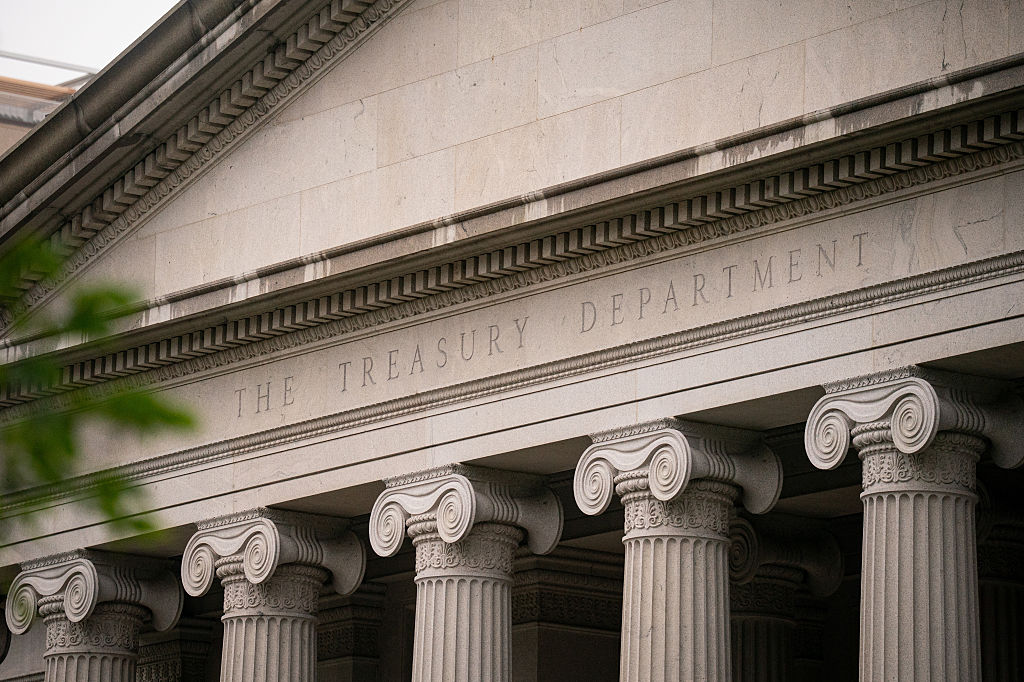
The U.S. Treasury building in Washington, D.C., on June 17, 2025. —Al Drago—Bloomberg/Getty Images

The U.S.’s national debt surpassed $40 trillion for the first time ever this week—more than double what it was a decade ago.

The record-breaking figure comes after the government reported in March that the total debt reached $39 trillion, meaning that the debt grew by $1 trillion in less than half a year. Just a few months before that, in October, that figure was $38 trillion.

And the country has reached the $40 trillion milestone earlier than experts had previously predicted; in 2023, the Congressional Budget Office estimated that the total debt wouldn’t hit that figure until 2028.

The debt has been increasing for decades, but much of the current total has been accumulated over the past ten years, during the administrations of President Donald Trump and former President Joe Biden. Here’s how much the debt grew under each of their terms in the White House.

Trump’s first term

When Trump took office for his first term in January 2017, the total debt was about $19.95 trillion. When his presidency ended four years later, the debt stood at roughly $27.75 trillion, meaning that the debt rose by about $7.8 trillion under his Administration.

Biden’s term

The debt grew by about $8.4 trillion while Biden was in the White House, increasing from about $27.75 trillion when he was sworn into office in January 2021 to roughly $36 trillion by the time he finished his term in January 2025.

Trump’s second term so far

Since Trump returned to the White House for a second term in January last year, the debt has gone up by about $3.8 trillion. That means that the national debt has climbed by a total of $11.6 trillion across the two Trump Administrations—so far—a figure that comprises more than a quarter of the total amount.

Why has the debt soared?

Experts credit a significant portion of the growth in the national debt to the federal government’s response to the COVID-19 pandemic. According to Reuters, about one-third of the growth seen since 2017 took place during two years or so of the pandemic, when the first Trump Administration and then the Biden Administration intensified borrowing to fund the country’s pandemic response and recovery.

Both Trump’s and Biden’s fiscal policies have also contributed to—and exacerbated—the longer-standing issue of government spending exceeding tax and other revenues, which has led to the ballooning national debt. 

For instance, according to the Brookings Institute, the tax cuts that Trump signed into law during his first year in office in 2017 were expected to contribute almost $2 trillion to the deficit by 2028. And in March, the nonpartisan Committee for a Responsible Federal Budget predicted that Trump’s “One Big Beautiful Bill,” a signature piece of his second-term agenda that also included steep tax cuts, will add $4.7 trillion to the national debt through 2035.

  •  

Woman Charged in Alleged Plot to Bomb the New York State Capitol

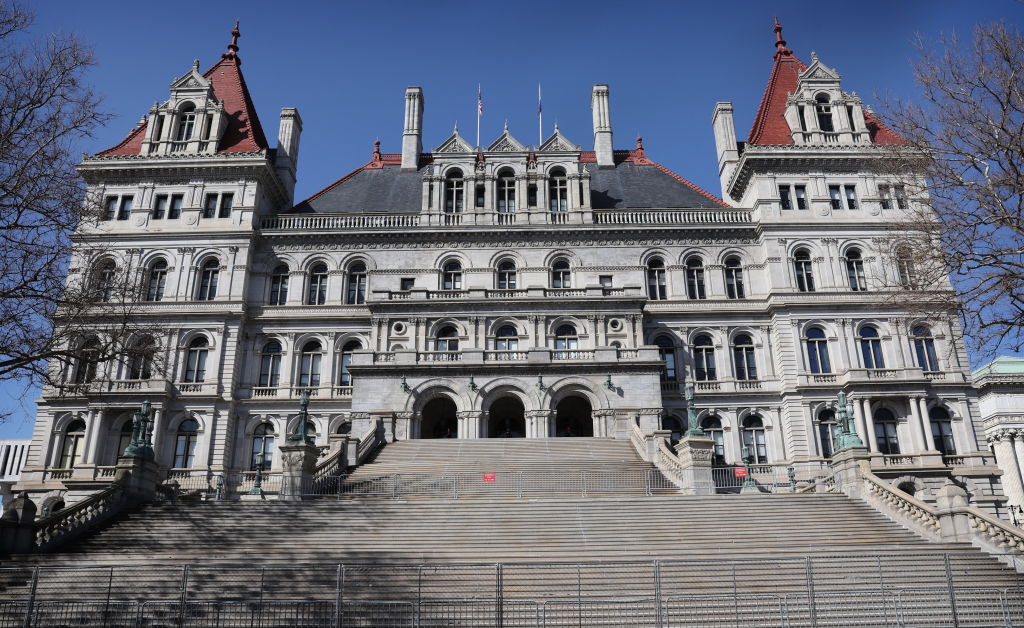
New York State Capitol Building in Albany, New York, on February 25, 2024. —Thomas A. Ferrara—Newsday RM/Getty Images

A woman who authorities have accused of planning to bomb the New York State Capitol building has been arrested and charged, the Justice Department announced on Thursday.

Jessica Bowie, a 35-year-old woman from Albany, New York, was arrested on Wednesday and appeared in federal court the following day to face one count of attempting to provide material support to a designated foreign terrorist organization.

“The FBI detected and stopped an alleged plot to attack the New York State Capitol and kill elected officials,” Matt Fodor of the FBI National Security Branch said in a statement. “According to the criminal complaint, the defendant in this case swore allegiance to ISIS and wanted to follow up with additional horrific acts of terrorism. This case is yet another example of how this FBI is built to not only identify threats of terrorism quickly, but to stop their alleged plots before they are able to harm the American people.”

A criminal complaint filed in federal court on Thursday outlines the FBI’s investigation into Bowie, including how agents reviewed social media posts she had shared with “anti-American messages” and the ensuing sting operation that led them to apprehend her.

An FBI confidential source, the document details, posed as an “ISIS facilitator” and began messaging with Bowie in July about “her plans to attack the New York State Capitol building in Albany.”

Bowie visited the building several times, according to the complaint. Included in the filing and the Justice Department’s press release was an image of an individual wearing all black and holding up a phone, seemingly to take a photo. The individual’s face is not visible in the photo, but authorities identified them as Bowie; the complaint says the image shows Bowie “doing reconnaissance on July 21” on the Capitol building.

The complaint goes on to describe an in-person meeting that Bowie had with two other FBI confidential sources on Aug. 5. The meeting was filmed and recorded, and the complaint alleges that Bowie “reaffirmed her desire to bomb the New York State Capitol” during the encounter. The filing includes part of the transcript from that meeting, during which she allegedly said that she would “ideally do [the attack] on a day when the most amount of senators are there, maybe we time it where there we know there’s a meeting with the senators, try and get a good enough explosive in there to kill the senators and ideally to destroy as much of the building as possible really.” She then said that she wanted “to be able to get away and migrate,” according to the complaint.

The complaint goes on to allege that Bowie and the two FBI informants discussed what items she would need to build the bomb and how she would obtain them. She later went to a Home Depot to purchase the materials, after one of the informants gave her $200 for the items, according to the complaint. The document and the Justice Department's press release include an image of someone wearing all black at a store “collecting the various items needed to build an explosive device.” As in the other photo, the individual’s face is not visible, but authorities identified the person as Bowie.

Last week, Bowie asked the first informant if they knew anyone who could sell her a gun, the complaint alleges. On Wednesday, it says, she allegedly met with the two other informants in a car and gave them $150 to buy a firearm, one magazine, and ammunition. During that meeting, the informants also showed her “an inert explosive device that was purportedly built using the components” she bought at the Home Depot earlier in the month, and showed her “how to operate the explosive device and further detailed how to detonate the device when she was ready to carry out the attack,” according to the complaint.

When Bowie exited the car—while in possession of the gun, magazine, ammunition, and the inert explosive device—she was arrested by FBI agents, the complaint alleges.

In a statement shared on X on Thursday, New York Gov. Kathy Hochul thanked the FBI and New York state police for their work apprehending the suspect.

“Earlier this year, amid a rise in political violence and threats against public officials, we took steps to strengthen security at the State Capitol and across state government,” the governor said. “While there is no immediate threat at this time, we will continue working closely with our law enforcement partners to protect New Yorkers and keep our communities safe.”

  •  

State Farm Is Sending $5 Billion in Dividend Payments to Customers. Here’s How to Know If You’re Eligible

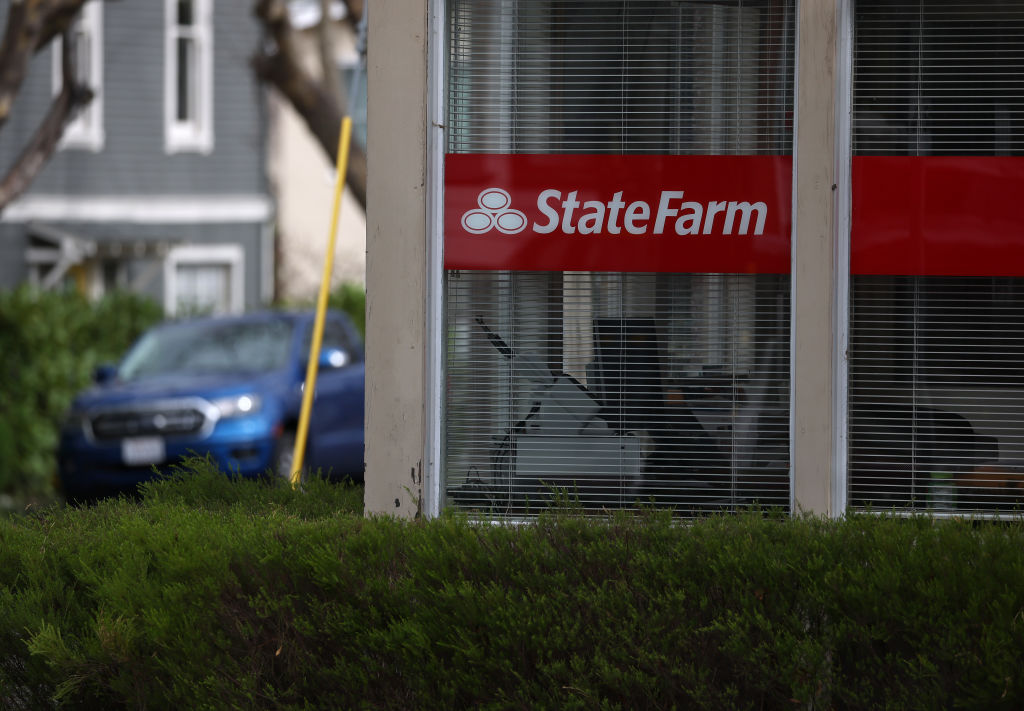
A State Farm logo is seen in front of a State Farm insurance office in San Rafael, California, on February 3, 2025. —Justin Sullivan—Getty Images

Tens of millions of State Farm customers are eligible to receive payments as part of a $5 billion dividend from the company’s Mutual Automobile Insurance, which State Farm has already begun doling out.

The dividend, first announced in February, is the largest in the company’s history. 

“This dividend is possible due to State Farm Mutual’s financial strength and a stronger than expected underwriting performance, which has been reported industry wide,” the company wrote at the time of the initial announcement. 

Here’s what to know about the dividend payments, and how to see if you’re eligible to receive one.

Who’s eligible?

More than 49 million vehicle owners across State Farm’s network are set to get dividend payments this summer, the company said. 

Customers who had a State Farm personal auto insurance policy active at any time in 2025. You do not need to be currently insured by State Farm to receive a payment. To receive a payment, customers' share of the dividend based on their premium payments and state must be $10 or more.

Qualifying customers who have an email address registered with the company will receive an email with further instructions on how to sign into a payment portal for the dividend and select the manner in which they’d prefer to be paid, the company said.

Those who are eligible but do not have a registered email with the company will automatically get a check in the mail. 

Customers can access information about their dividend payment at sfdividend.com

When will customers get their dividend payments?

The payments began going out on July 31. State Farm has not indicated when they will stop. 

“Millions of customers have already received their individual dividend payments, with more on the way,” State Farm announced when the payments began. 

Customers will be notified by State Farm regarding their pending payments “beginning late summer of 2026,” the company’s website states, adding that dividend payments are being sent out “in waves by state where the policy is assigned.”

Over 7.2 million checks have been mailed since payments began, with another 3.8 million set to go out this week, a State Farm spokesperson told CBS News in an email.

How much could eligible customers get paid?

The dividend payments average $100 per vehicle, according to State Farm. 

The amount an eligible customer receives will vary based on a couple of factors, however. The payment a customer gets will be based on a percentage of the premiums they paid, and that percentage ranges from 4% to 10% depending on the customer’s state.

  •  

What to Know About Trump’s 250 Grand Prix

Transportation Secretary Sean Duffy; Interior Secretary Doug Burgum; Washington, D.C., Mayor Muriel Bowser; and Monica Crowley, chief of protocol at the State Department, unveil the new Freedom 250 Grand Prix Indycar during a news conference on the National Mall in Washington, D.C., on March 9, 2026. —Matt McClain—Bloomberg/Getty Images

A slice of the nation’s capital will be transformed into a race track over the weekend for President Donald Trump’s final event commemorating the U.S.’s 250th birthday

An IndyCar race consisting of 25 drivers will take place around the National Mall in the heart of Washington, D.C., on Saturday and Sunday. 

IndyCar is the top level of single-seater auto racing in the U.S., best known for the “Indy 500,” an annual 500 mile race in Indianapolis. 

"This will be like no other race ever. This will get the highest ever ratings of any such race," Trump said in July, when the top IndyCar drivers participating in the race visited the White House.

Trump himself is scheduled to take a ride around the 1.7 mile race track in his presidential limousine, known as “The Beast” before the competition begins, White House officials told multiple outlets.

The event is being hosted by Freedom 250, the organization Trump established through an Executive Order in January to coordinate the Administration’s semiquincentennial events. The race follows other high profile events this summer in celebration of the milestone anniversary, including a UFC fight on the White House grounds, an athletics tournament dubbed the Patriot Games, and the world’s largest fireworks show. 

Here’s what to know about the 250 Grand Prix . 

When is the race?

Practice races will take place on Saturday, beginning at 9 a.m. local time and continuing throughout the day. 

The real race will then begin at 1:10 p.m. on Sunday.

What is the route?

Drivers will race for 147 laps, covering a distance of roughly 250 miles. 

The 1.66 mile, 7-turn track begins on 3rd Street near the Capitol building at the east end of the National Mall in Washington, D.C., before jutting down Pennsylvania Avenue, the course’s longest straight at 0.4 miles. It then makes turns on 9th Street, 7th Street, and Independence Avenue, passing sites including the Lincoln Reflecting Pool and the Smithsonian Museum before circling back onto 3rd street to finish off. 

Who’s paying?

Penske Corp., the owner of IndyCar, is picking up most of the tab for the race, according to Bud Denker, Penske Corp. president and chair of the Freedom 250 Grand Prix.

An exact price tag for the event is unknown, but Denker said in July that the race is “much more” than IndyCar’s Detroit street race, which has a budget of $20 million. 

A $90 million budget allocated by Congress for special events in Washington will cover security costs, according to Deputy Mayor for Public Safety and Justice Lindsey Appiah, who spoke at a public briefing in July. 

The federal funding is a part of the Emergency Planning and Security Fund, which is designed to support presidential events, including those related to the U.S.’s 250th birthday.  

How can you watch?

Organizers expect roughly 140,000 spectators to attend the race in person throughout the weekend. 

Free tickets were given to 100,000 people through a lottery. The only other way to watch the event up close is to purchase an all-inclusive food and beverage weekend pass to the Champions Club, an exclusive viewing venue built for the race overlooking 7th Street and the National Mall, for nearly $5,500. 

Venues for the race open to the public at 8 a.m. on both days.

For viewers watching the race remotely, FOX will be streaming the events. 

You can also access FOX’s coverage through certain streaming platform bundles such as YouTube TV, Hulu +, Fubo, or Sling TV. 

Flight disruptions

The Federal Aviation Administration last week said it expects to pause flights at Reagan National Airport for three hours for the race from 10:15 a.m. to 1:15 p.m. on Sunday. 

“The FAA has been planning and coordinating with stakeholders to help ensure the safe and efficient movement of air traffic during Freedom 250 events,” the agency said in a statement. “As part of that effort, the agency will implement traffic management initiatives at Ronald Reagan Washington National Airport.”

Flights were also halted for several hours on July 4 due to Trump’s fireworks show. 

Concerns for D.C. artifacts 

Due to the vibrations caused by the race cars, some preservationists and museum representatives are worried for the safety of artifacts stored in the many museums along the race route. 

Mary Okin, the assistant director of the Living New Deal, a non-profit dedicated to preserving the legacy of President Franklin Delano Roosevelt, wrote a letter last month to the U.S. General Services Administration (GSA) expressing her concern that the vibrations could damage the frescoes of the Wilbur J. Cohen Building, which the GSA manages. 

“In the foreseeable event of a race vehicle losing control, or a crash that sends debris, such as tire marbles flying, or sparks a fire, what protective features will be in place ahead of the race to ensure that vibration, flying car parts, and other high speed or collision impacts do not damage this national treasure?” Okin additionally cautioned in her letter, referencing the Wilbur J. Cohen building. 

The National Gallery of Art previously conducted a study to gauge the potential threat of the vibrations, but did not reveal its findings. 

“In preparation for the Freedom 250 Grand Prix, the National Gallery conducted an extensive vibration study and based on the results we have implemented a set of measures to ensure the safety of our staff, visitors, collection, and facilities during the race,” gallery spokesman Chris Abanavas said in a statement to The Washington Post. “While we are not releasing the specifics, I can share that any such measures are only being taken out of a great abundance of caution.”

  •  

What to Know About the Pentagon’s Crackdown on Universities’ Foreign Research Ties

The Chinese national flag is pictured at half mast to mourn the death of China's former premier Zhu Rongji at the Red Building of Peking University, the site of early Chinese Communist Party revolutionary activities, in Beijing on Aug. 18, 2026. —Adek Berry—AFP/Getty Images

The Trump Administration ordered 30 universities to audit their foreign research partnerships or risk losing funding.

The order, issued Monday by the Defense Department, instructs universities to review their ties to 130 foreign institutions, mainly Chinese, that “engage in activities that increase the likelihood of U.S. government-funded research and development efforts being misappropriated.” Schools that fail to terminate any “problematic” partnerships within two weeks may lose their eligibility for future federal research funding.

The order is intended to protect taxpayer-funded research from “unauthorized technology transfer, intellectual property theft and adversarial exploitation,” the Pentagon said in the announcement.

“The Department of War has zero tolerance for academic partnerships that compromise our national security,” Emil Michael, undersecretary of war for research and engineering, said.

The announcement did not identify which schools had received the order or how they were selected, but a U.S. official told the Associated Press on Tuesday that they include Harvard University, the Massachusetts Institute of Technology, and Johns Hopkins University.

The order is the latest effort to clamp down on alleged Chinese influence in the U.S., including in higher education. The Trump Administration and several lawmakers from both parties have argued that China exploits U.S.-funded research to obtain sensitive technology and intellectual property.

U.S. concerns about Chinese intellectual property theft and espionage have grown in recent years. Last year, a federal jury convicted former Corning scientist Ji Wang of stealing files containing trade secrets from a Pentagon-funded project. Prosecutors said he planned to use the technology in a Chinese business backed by government entities. In May, Eileen Wang, the mayor of Arcadia, Calif., resigned after admitting to acting as an unregistered Chinese government agent before taking office.

But some observers have warned that the crackdown unfairly politicizes academic collaboration, stigmatizes Chinese academics, and could weaken American scientific competitiveness.

The Chinese embassy in Washington said in a statement to news outlets that it opposed “the overstretching of the concept of national security and the politicisation or instrumentalisation of normal scientific, educational and academic exchanges.”

“The U.S. side should abandon the Cold War mentality and foster an open, fair and non-discriminatory environment for educational, scientific and people-to-people exchanges between China and the United States,” it added.

Here’s what to know about the raft of policies aimed at curbing institutional ties to China.

Order targets primarily Chinese institutions

The foreign institutions the U.S. seeks to blacklist were identified by the Pentagon last month. Eighty-eight of the 130 institutions are in mainland China, while the remaining institutions are in Russia and Iran. The list has been updated annually since an earlier version was first released in 2023. It was established under Section 1286 of the 2019 National Defense Authorization Act, which was enacted during President Donald Trump’s first term.

While some Chinese universities on the list have more explicit ties to the military, others are prominent civilian institutions with extensive international research partnerships. These include Fudan University and Shanghai Jiao Tong University. The updated list also added a number of other Chinese institutions with varying links to China’s defense and security establishment, including Shandong University, Hangzhou Dianzi University, Shenyang Aerospace University, and the University of International Relations.

People familiar with Chinese academic institutions previously told TIME that Chinese Communist Party structures are embedded throughout the country’s universities, making institutional links to the government common, even though individual students or researchers may not be engaged in political or military work.

The Pentagon also instructed universities to audit collaborations with organizations associated with “rebranded Confucius Institutes.” Confucius Institutes are non-profit language and cultural programs funded by the Chinese government and hosted in universities around the world. Launched in 2004, there were at one time more than 100 Confucius Institutes operating on U.S. college campuses. But most U.S. programs closed after 2019 amid congressional scrutiny and federal funding restrictions. By late 2023, there were fewer than five active Confucius Institutes in the U.S.

Many universities, however, retained partnerships with their former Chinese partner institutions or established successor language and cultural programs under different names. Critics characterized some of these arrangements, particularly those that continued to receive Chinese funding or instructors, as “rebranded Confucius Institutes.” Of 74 former Confucius Institute hosts surveyed by the Government Accountability Office in 2023, 43 said they maintained ties to their former Chinese partner institutions. Nine reported receiving continued funding or other support for programming from those institutions, although eight of the nine said the partnerships predated their Confucius Institutes.

Crackdown on broader Chinese ties

The Trump Administration has pursued a slate of policies that build on Trump’s first-term “China Initiative.” These have included tighter scrutiny of universities’ foreign funding and research partnerships and restrictions on collaborations with blacklisted Chinese institutions. The Trump Administration has also increased vetting of Chinese student visa applicants, threatened visa revocations for some students, and renewed investigations of China-linked researchers.

Since last year, the Pentagon has prohibited funding fundamental research projects conducted in collaboration with a listed foreign institution or its employees. The policy was expanded in March to bar the use of equipment from listed entities in certain Pentagon-funded projects.

Meanwhile, China has sought to bring in more foreign talent and investment, including by seeking to attract more international students to its universities and exchange programs, and by introducing a K visa for young foreign STEM professionals.

Dozens of Chinese tenure-track scholars have left U.S. universities for China over the past year.

Days before the latest announcement, the Republican-led House Select Committee on the Chinese Communist Party and the House Education and Workforce Committee released a report accusing Harvard of failing to adequately screen its relationships with Chinese institutions linked to the People’s Liberation Army and China’s defense industry. The investigation said it identified more than 140 publications co-authored by Harvard-affiliated researchers and scholars at certain Chinese defense-linked civilian universities.

Harvard disputed the report’s “mischaracterizations,” and said it follows federal national security standards.

The changes also come as the U.S. seeks to maintain its lead over China in the global AI race. A 2025 report warned that major AI data centers in the U.S. were vulnerable to Chinese espionage, sabotage, and intellectual property theft.

In July, the Administration recommended redirecting potentially billions of dollars of federal research funding from universities toward individual scientists and AI-focused projects as part of an effort to counter Chinese scientific advances.

Last week, Reuters also reported that the Administration was preparing to tell 35 partner countries that participation in Pax Silica—a U.S.-led initiative to strengthen supply chains for semiconductors, critical minerals, and AI infrastructure—was conditioned on their refusal to join China’s rival AI framework. The reported demand appeared in an internal draft and has not been formally issued.

  •  
❌