
Reading view

Summer Is Ending With a 'Blood Moon' Lunar Eclipse. Here's What To Know.
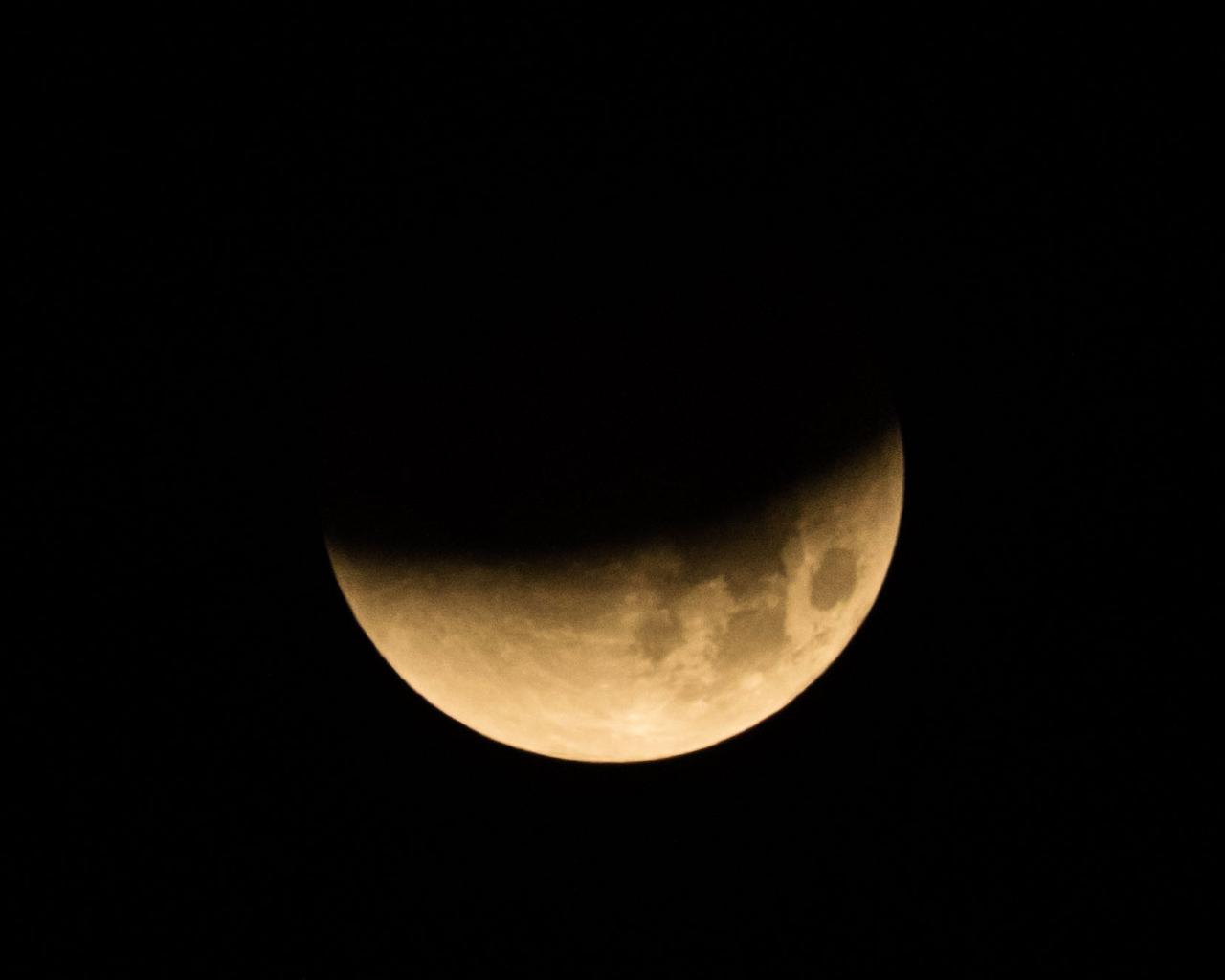
The partial phase of the Jan. 31, 2018 blood moon eclipse, shot from NASA's Johnson Space Center in Houston. —Robert Markowitz - NASA - Johnson

It’s not often that 3.6 billion people—or 44.4% of the world’s population—look at the same thing at the same time. And it’s not often that something comes along that’s worth the attention of all those billions. But that will happen on the evening of Aug. 27 when much of the world will be able to witness a blood moon lunar eclipse, during which 96% of the face of the full moon will fall into Earth’s shadow, glowing a deep orange-red in the process.

Lunar eclipses occur during a full moon, when the Earth is positioned between the sun and the moon, blocking all or most of the solar light that otherwise bathes the lunar surface. On average, lunar eclipses occur two to three times per year, though total lunar eclipses, when the moon is entirely shadowed, make up only 29% of those events. The autumnal color the moon takes on is due to a trick of the Earth’s atmosphere. Not all of the sunlight that would otherwise be striking the moon during an eclipse is blocked by the Earth; some of it leaks around the periphery of the planet and manages to reach the moon. That light streams through the Earth’s atmosphere during its passage to the moon, and some of the wavelengths of visible light—particularly the blue—are absorbed and scattered. What’s left is principally the red spectrum which partially lights the moon. All total lunar eclipses result in blood moons. 

In theory, a lunar eclipse ought to occur once a month. On every orbit around the Earth on its 27.3-day journey, after all, the moon will always pass through a point at which the planet sits between it and the sun. But the plane of the moon’s orbit around the Earth is tilted about five degrees compared to the Earth’s orbit around the sun. That means that on some passages behind the Earth the moon avoids the shadow, soaring above or ducking below the planet. 

How long will the lunar eclipse last?

An eclipse of the moon plays out slowly. The one that will begin on the evening of Aug. 27 and continue into the early hours of Aug. 28 will last a total of five hours and 38 minutes. Even the most dedicated eclipse chaser, however, may not be able to take it all in. Depending on where in the world an observer is—and this eclipse will be visible in Europe, Africa, North and South America, and western Asia—the moon may set before the eclipse is done or rise after it’s already begun. That will be the case in the Americas, where observers will see an eclipsed moon come up in the skies. Finding a flat area with few buildings and a clean sight line may be necessary to witness the eclipse, since in many places the moon will be low in the sky, close to the horizon. In the U.S., the eclipse will begin at 9:23 p.m. ET on Aug. 27, and end at 3:01 ET the next day.
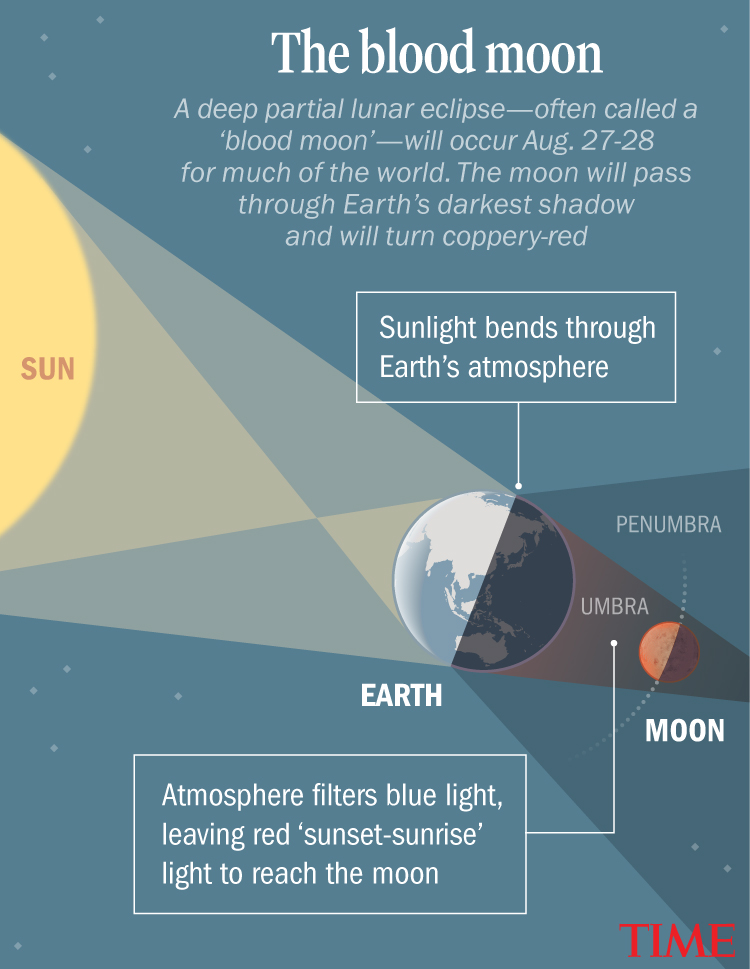
There are three phases of any lunar eclipse—the penumbral, partial, and total or maximum. The penumbral phase occurs first, when the moon moves into the faint, outer reaches of the Earth’s umbra, or shadow. The partial phase comes next, when the true, darker shadow of the Earth begins to cover the lunar disk. The total or maximum phase is when only a small portion—or none at all—of the moon remains unshadowed. For the upcoming eclipse, the penumbral phase will take one hour and ten minutes, the partial phase one hour and 39 minutes, and the maximum phase, when the moon will be 96% obscured, will also take one hour and 39 minutes. That maximum shadow will occur at 12:12 a.m. ET. The eclipse will then return to the partial and penumbral phases before the moon soars on and leaves the Earth’s shadow behind.

What is an 'eclipse season'?

This eclipse occurs in a busy time for the skies. On Aug. 12, just over two weeks before the lunar eclipse is set to occur, there was a total eclipse of the sun, visible in Spain, Portugal, Iceland, Greenland, and Siberia. There is actually such a thing as an eclipse season, a month-long stretch occurring twice a year—in the summer and winter—when the moon passes the point in its five-degree orbit that the Earth, moon, and sun align in a way to make both types of eclipses possible.

If you fancy eclipses, you’re well advised to take this one in while you can. The next total lunar eclipse will not be until Dec. 31, 2027 to Jan. 1, 2028. New Years Eve fireworks will be going off that night, but they will be nothing compared to the sky show the Earth, the sun, and the moon will serve up.
  •  

The Woolly Mammoth’s Comeback Is Taking Longer Than Expected

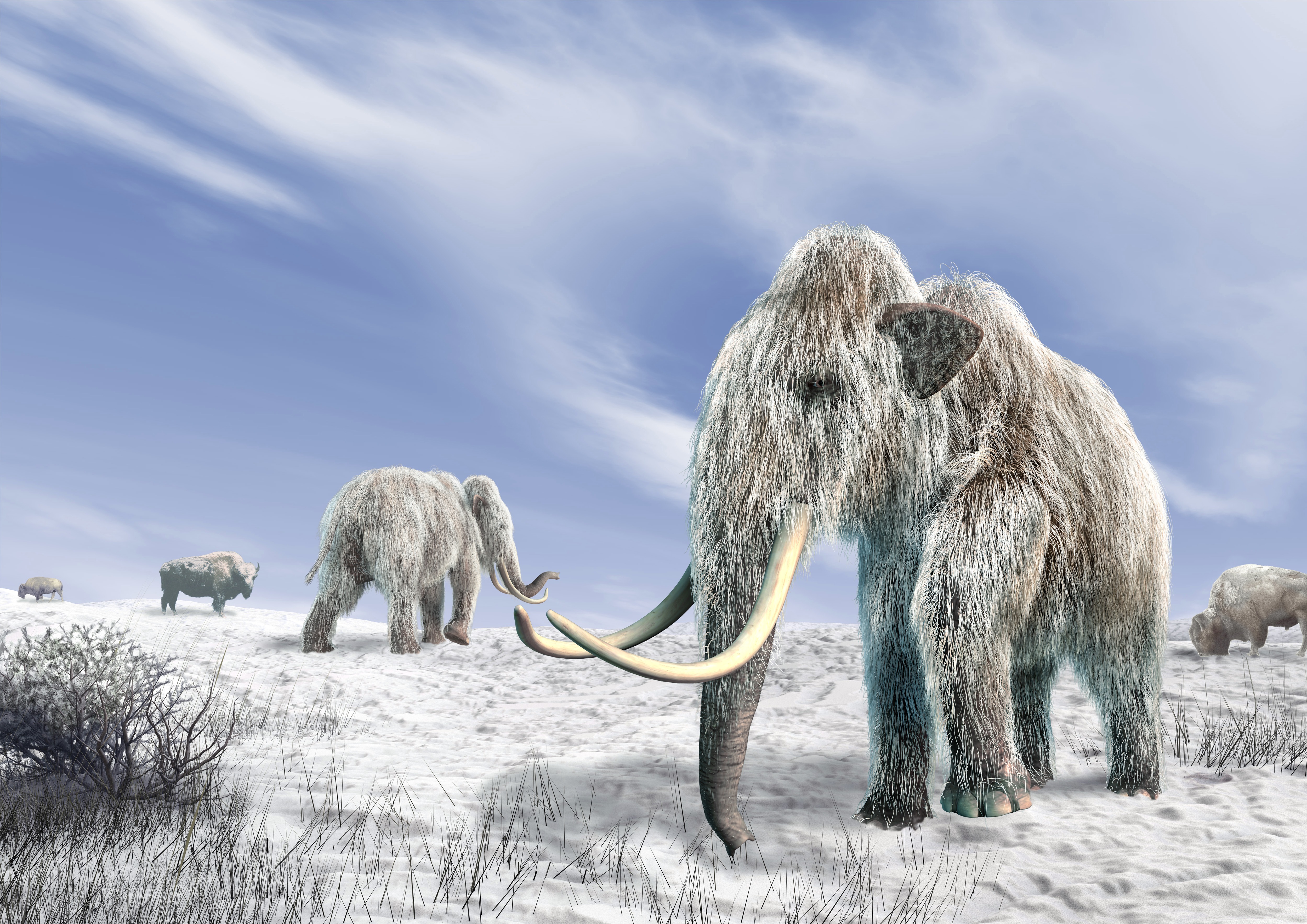
An artist's rendering of an Ice Age mammoth —Leonello Calvetti—Science Photo Library

If you’ve been excitedly awaiting the return of the woolly mammoth, you’ll have to be patient a little longer. It was in 2021 that the newly established, Dallas-based company Colossal Biosciences announced plans to use modern gene-editing technology and DNA harvested from mammoth remains to manufacture a mammoth embryo, implant it in the womb of an elephant surrogate, and bring the great, gentle, six-ton beast—which vanished from the planet more than 4,000 years ago—back into the modern world. The target date for a pregnancy was 2027; the target date for the birth was 2028.

No more. In a recent conversation with TIME, Colossal CEO and co-founder Ben Lamm concedes that those goal posts have moved more than a little. “We are thinking it will be in the early 2030s,” he says. “We don’t have a hard date. Not 2036, but not 2030 either.”

In just the past year, Colossal has learned vastly more about both the mammoth and the elephant genomes than has ever been known before, not only improving the odds that the mammoth can be brought back to life, or de-extincted, but also unpacking basic genetic science that could one day have knock-on effects for humans—including potentially increasing resistance to cancer.

Bringing back the dire wolf

Colossal proved its de-extinction chops in the spring of 2025, when it announced that it had brought the extinct dire wolf back to life, editing the genome of the closely related gray wolf to replicate the features of its vanished cousin—including a white coat, larger size, more powerful shoulders, wider head, larger teeth and jaws, more-muscular legs, and characteristic vocalizations, especially howling and whining. 

To work that genetic magic, Colossal scientists collected dire wolf DNA from an ear bone and a tooth unearthed in two ancient samples, sequenced the genome, and compared it to that of the gray wolf. They then harvested cells from a living gray wolf and made 20 edits on 14 genes using the CRISPR-Cas9 gene-editing tool, which produced the critical dire wolf characteristics. Finally, they extracted the nucleus of the edited cell, inserted it into a domestic dog ovum whose own nucleus had been removed, and implanted the resulting embryo into the womb of a domestic hound. Nine weeks later, the dire wolves were born.

Why woolly mammoths are so hard to de-extinct

To do something similar with the woolly mammoth, Colossal discovered that the work would be a heavier genetic lift than their research teams had originally expected. The initial estimate was that it would take edits to about 60 genes to turn an elephant nucleus into a mammoth nucleus that could then be used to create a mammoth embryo. Now that number is about 150—and rising. 

Among the genes and regulatory switches that have been discovered are ones that shrink the mammoth ear to about one-tenth the size of an elephant’s ear. In the hot climates in which Asian and African elephants live, large, heavily vascularized ears serve as heat dumps, cooling the blood and the body as a whole. That would not do for the mammoth, which made its home during the Ice Age and needed to husband all the heat it could. Mammoth tails are shorter than those of elephants too— for the same heat-retention reason—and Colossal scientists have found the gene that expresses that as well.

The genetics of the mammoth’s characteristic heavy coat have also been unpacked. Nearly all hairy mammals—humans included—have oil-secreting glands known as sebaceous glands in the skin. The oil keeps individual hairs supple and prevents them from drying and breaking. Elephants, which have a very sparse covering of bristly hair across their bodies, were thought to be an exception to this rule. That made the job of engineering a mammoth from an elephant more difficult, since mammoths surely had sebaceous glands to sustain their extravagant coat. But Colossal researchers conducted dissection and close examination of samples of elephant skin and found that that earlier received wisdom was wrong—the skin does contain small, rudimentary sebaceous-like structures. The trick now is to isolate the genes that code for the glands and edit them to create the fully developed version the mammoth will need.

The researchers also analyzed the makeup of elephant hair and determined that 90% of every strand is composed of nine different proteins. They then tracked down which genes code for that protein production and govern hair developmental patterns, which typically include periods of growth, rest, and regrowth. Tests of these genes are underway, sometimes with the assistance of other animals.

In March 2025, Colossal revealed that it had created a small brood of 38 woolly mice, engineered with mammoth coding for shaggy hair written into their genome. The mice have thrived and bred, passing on their long, coarse hair to their pups. That was a good start, but mice aren’t mammoths, and to study how effective the genetic editing is, researchers will need to work with a larger mammal. Colossal promises that a woolly pig is coming, though the company does not say when it will be revealed.

Digging deeper into the genome of the mammoth, Colossal scientists have extracted bits of its regulatory DNA and inserted them into living elephant skin cells and watched as regulators turned the behavior of the genes up or down—critical work if you want to design other genes to order.

“It’s a little weird and Frankensteiny,” says Lamm, “but we’ve done that.”

Potential implications for humans

Colossal researchers are also exploring one of the elephant’s more remarkable features: its resistance to cancer. As a large-bodied mammal, elephants ought to be highly susceptible to the disease, especially considering that an elephant's body contains 100 times more cells than a human’s, creating more opportunities for cancer to occur. But cancer accounts for less than 5% of elephant deaths, compared to 16% for humans.

That was a longstanding mystery until recently. Both human and elephant cells are now known to carry a tumor-suppressor gene labeled TP53. When DNA in a cell is damaged—by cancer or other means—the gene codes for the release of the p53 protein, which either halts the damaged cell’s growth cycle to allow for repair, or, if the DNA is too corrupted, kills the cell. Humans carry two copies of the TP53 gene, while elephants carry 20—making for much greater cancer resistance. Additionally, elephants but not humans carry what is known as an LIF6 gene, which also produces a p53 protein, one that specifically targets the mitochondria—an energy-producing organelle located in the cellular cytoplasm—of damaged calls, killing them before they can divide and spread. 

Other researchers are already exploring if p53 proteins can be manipulated in humans to increase cancer resistance. Colossal is casting a wider net. On August 20, it announced the launch of a new company, Astromech, which uses AI and deep learning to analyze the genomic data of any species, trace its evolutionary history, and forecast its future, anticipating its adaptation to changing environment, its disease susceptibility, and the possibility of so-called genetic bottlenecks—or lack of genetic diversity—that occur when an endangered population of animals grows too small. Colossal scientists are using Astromech to study elephants’ cancer resistance in depth—which could have broader uses and implications.

“Colossal is not conducting research on humans, but its work with mammoth, elephant, and other genomic datasets could yield insights relevant to human cancer research,” says a company spokesperson. “Understanding mechanisms such as elephants’ TP53-related cancer resistance is exactly the kind of problems Astromech is trying to understand, leveraging the mammoth, elephants and other datasets.”

For now, the goal of turning all of this scientific benchwork into a walking, breathing, breeding mammoth goes on—even if at a slower pace than originally predicted. “I hate to say this, because I don’t want to call the mammoth a product,” says Lamm, “but it will be a better product because of our deeper analysis of what truly made a mammoth a mammoth.”

  •  

How Climate Change Is Messing With Your Blood

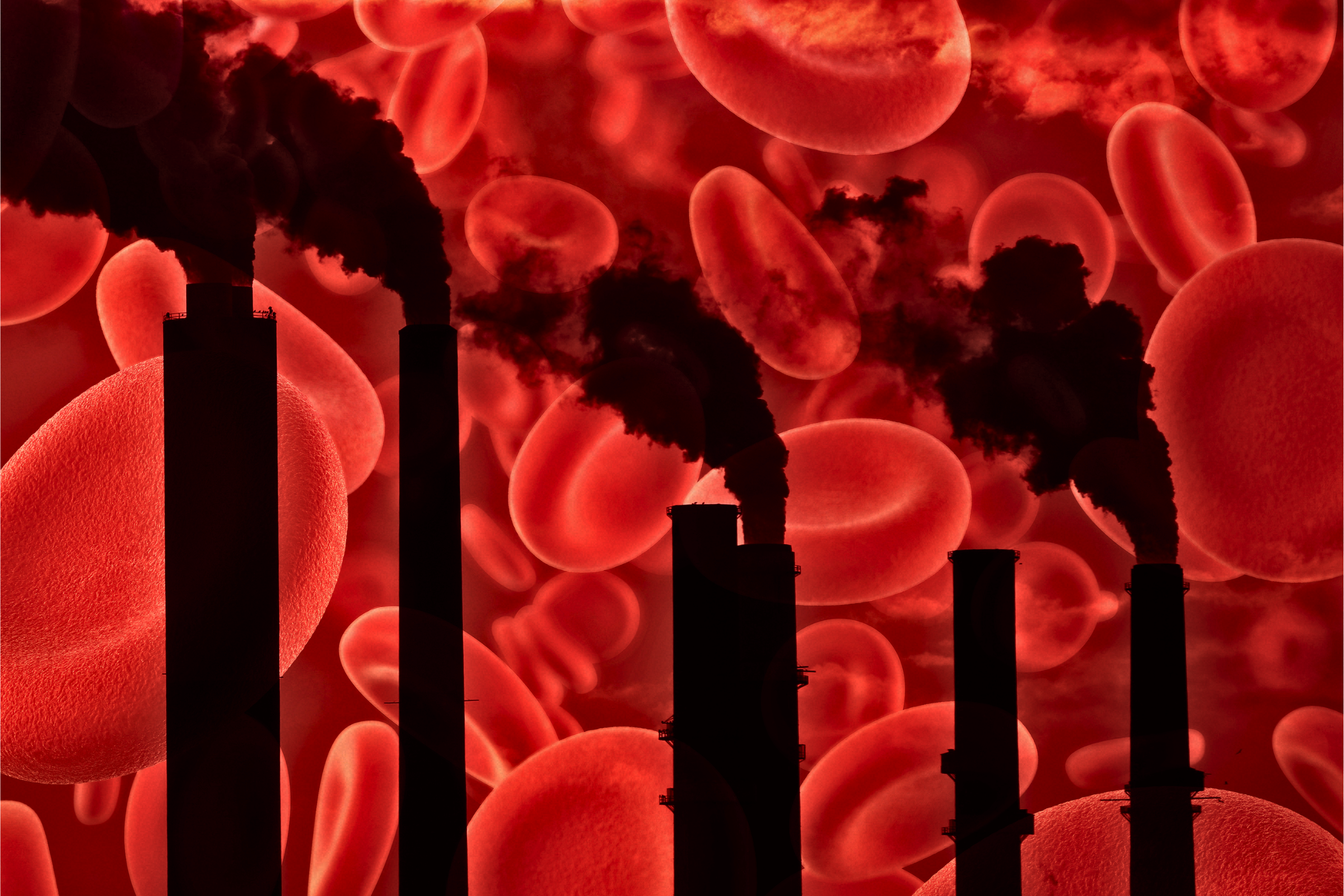
—Photo-Illustration by Chloe Dowling for TIME (Source Images: quantic69/Getty Images, Luke Sharrett—Bloomberg/Getty Images)

Rising carbon dioxide levels in the atmosphere do a lot of damage—heat waves, droughts, wildfires, superstorms. Now it appears there’s another knock-on effect that had never before been measured. According to a new study in the journal Air Quality, Atmosphere and Health, the changing chemistry of the atmosphere could be leading to changing chemistry in our blood—with potentially dangerous effects.

If CO2 is indeed messing with our blood, it’s no wonder. During the early rise of Homo sapiens, carbon dioxide levels in the atmosphere measured a consistent 280 parts per million (ppm). Those conditions prevailed until roughly the middle of the 18th century when the Industrial Revolution began pouring greenhouse gasses into the air from factory smokestacks.  By 1900, CO2 levels had risen to nearly 300 ppm; by 1980, that figure had jumped to nearly 330 ppm. Since then the numbers have exploded, standing at 425 ppm today.

That’s very bad news for the health of the planet—and equally bad for the health of our bodies. Every breath we take—indoors or out—draws in more carbon dioxide than our bodies were originally adapted to cope with. To determine just what the impact of this is, environmental geoscientist Phil Bierwirth, of Australian National University in Canberra, and environmental health scientist Alexander Larcombe, of Curtin University, took advantage of a 21-year survey—from 1999 to 2020—conducted by the U.S. National Health and Nutrition Examination Survey (NHANES), during which government investigators sampled the blood of 7,000 subjects every other year to see how the body responded to all manner of environmental pollutants. 

The period the NHANES researchers surveyed was a particularly bad one for the planet when it comes to carbon dioxide emissions, since in just those 21 years, U.S. CO2 levels rose from 369 ppm to 420 ppm. In their work, Bierwirth and Larcombe were looking for rising levels of serum bicarbonate, a chemical marker associated with rising levels of CO2—and they found just that, with a 7% jump in bicarbonate over the 21 years.

Much in the way oceans can become more acidic as they absorb more carbon dioxide, the same can be said for blood. “Bicarbonate,” said Larcombe in an email to TIME, “is the body's main chemical ‘shock absorber’ for keeping blood from becoming too acidic, and a rising level is an indicator of the body compensating for more CO2.”

But bicarbonate can do only so much, and even over relatively small stretches, higher levels of CO2 in the blood can take a toll. “From short-term studies at moderately elevated CO2 (the sort of levels common in poorly ventilated rooms),” wrote Larcombe, “that means headache, tiredness, and declines in concentration and decision-making. Over longer periods, animal studies raise the possibility of oxidative stress, inflammation, tissue calcification in the kidneys and arteries, and effects on bone.”

At the same time bicarbonate levels have been rising in the blood, calcium and phosphorus levels have been falling, the study found. In addition to producing higher levels of bicarbonate, the body responds to rising carbon dioxide by drawing CO2 molecules out of the blood and storing them in bones in the form of carbonate—an ion composed of one carbon atom and three oxygen atoms. Phosphorus and calcium, which assist in this process, are drawn from blood into bone as well.

“Falling calcium and phosphorus in blood is what you'd broadly expect if that [CO2] storage process were being asked to do more work,” says Larcombe. Here too, bodily functions may suffer. “Low calcium (hypocalcaemia) produces muscle cramps, lethargy, numbness and tingling in the fingers, and disturbances of heart rhythm. Low phosphorus (hypophosphataemia) can lead to weakness, fatigue and impaired oxygen delivery.” The good news is, we’re not there yet, with Larcombe stressing that such symptoms would occur only at “much higher CO2 concentrations than today’s atmosphere.”

What’s more, at the moment, our bodies are doing a good job of adjusting to the level of CO2 that does exist in the atmosphere—even if just barely—since most people are not experiencing the warning symptoms Larcombe describes. But the famed CO2 hockey stick—the y-axis graph that shows greenhouse gasses and global temperatures steadily rising—is pushing us ever further into the danger zone. 

As with so much concerning the environment, it will be young people who will pay the highest price for the mess preceding generations have made. Not only are growing bodies more susceptible to environmental toxins, but babies born into the current world will be alive for more of the latter decades in which atmospheric CO2 will be at its highest—assuming more stringent curbs on greenhouse emissions are not put in place now. Most projections call for atmospheric CO2 concentrations to reach 500-plus PPM by mid-century, a level that will exceed tolerable carbon dioxide levels in the blood, Larcombe says. 

The answer—again and always—is to undertake the hard work of curbing greenhouse gas output before anything like those astronomical levels of CO2 are reached. That’s not a job many decision makers in high-polluting countries have shown any consistent willingness to take on—the result being that the world has now briefly breached well-intentioned stop signs like the Intergovernmental Panel on Climate Change’s proposal to limit global temperatures to no more than 2°C above those of pre-industrial levels. The problem is emissions and temperature limits are not the only ones in play here; so too are biological ones.

“I think that what we are seeing is because our bodies are not adapting,” said Bierwirth in a statement that accompanied the release of the study. “Maybe we can never adapt.”

Correction, Aug. 20

The original version of this story misspelled a scientist's surname, and misstated his university affiliation. It is Alexander Larcombe not Lacrombe. He works at Curtin University, not the University of Western Australia.

  •  
❌