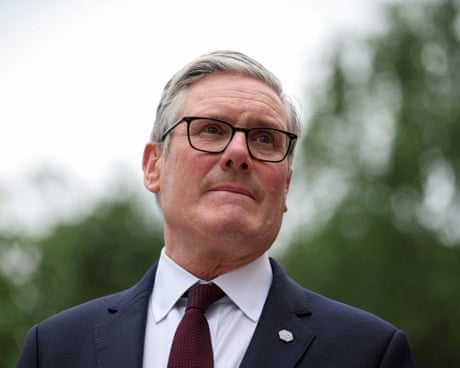
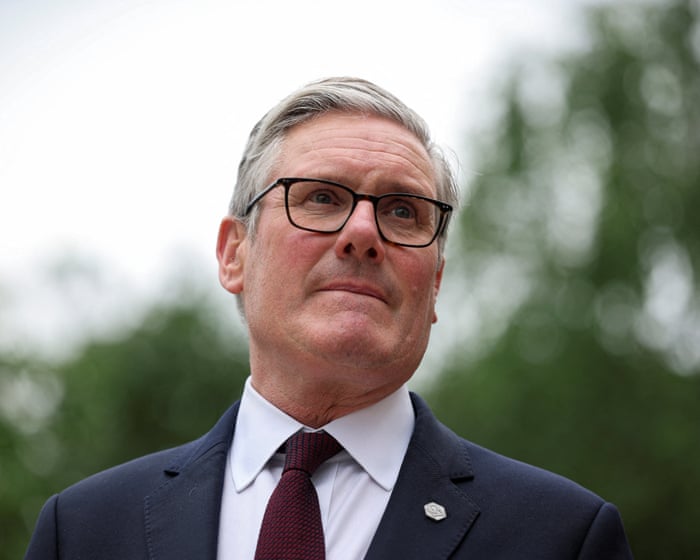
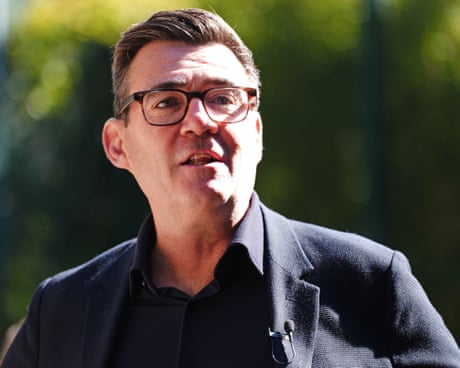
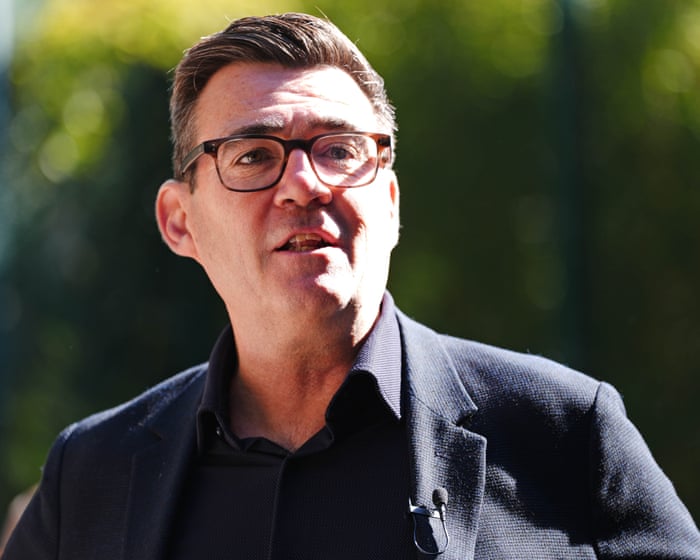
Former PM announces he will no longer represent Holborn and St Pancras on the day his successor, Andy Burnham, is to give first Commons address as prime minister
My colleague Richard Partington, the Guardian’s senior economics correspondent, grew up, like Andy Burnham, in the Warrington suburb of Culcheth. He has been home to find out what people there are saying about the new PM.
Yesterday, Kemi Badenoch announced a reshuffle, replacing Mel Stride with Andrew Griffith as shadow chancellor and Priti Patel with Tom Tugendhat as shadow foreign secretary.
We send our love and support to the Jewish community in Manchester and beyond who last night gathered to remember Melvin Cravitz and Adrian Daulby, who were killed defending their synagogue last year. My thoughts are with their families and all those who have been affected by the attack.
I know for many Jewish people, the sorrow and fear from that day has not lifted and I know we must do more to protect communities across the country.
Britain is poorer than we often think. We won’t get richer based on higher public spending alone, and we can’t tax billionaires who don’t live here.
We shouldn’t rely on public spending as a route to some romantic version of making Britain great again as we look in the rearview mirror for a great history that is no longer available to us. We must face the future, and I know my colleagues are up to the challenge.
Crucially, we must create the right conditions for a dynamic, thriving market. This includes getting ahead of what artificial intelligence will mean for our services-dominated economy.
Politically, we shouldn’t see conflict between growth and fairness, or business and workers, or the market and the state. These are false choices.
Exclusive: How a court case over an unoccupied office block could end a widely used tax avoidance scheme
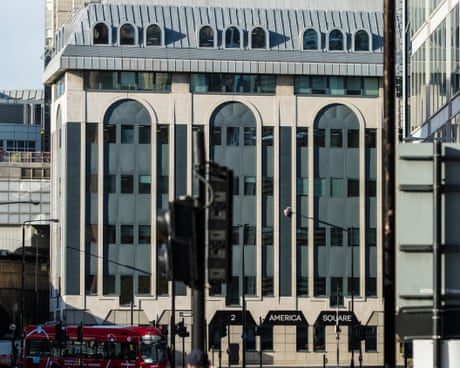
From the outside, the seven-storey building at 2 America Square looks like any other office block in the heart of London’s financial district.
Located about half a mile from Tower Bridge, one might expect it to be a hive of commercial activity, teeming with employees holding important meetings. However, much of the property is home not to staff vying for their next bonus, but to stacks of nondescript black boxes arranged in neat lines.
Exclusive: How a court case over an unoccupied office block could end a widely used tax avoidance scheme
From the outside, the seven-storey building at 2 America Square looks like any other office block in the heart of London’s financial district.
Located about half a mile from Tower Bridge, one might expect it to be a hive of commercial activity, teeming with employees holding important meetings. However, much of the property is home not to staff vying for their next bonus, but to stacks of nondescript black boxes arranged in neat lines.
Australians are buying less pizza but more weight-loss drugs. They love “dupes” but don’t enjoy writing letters.
Here are five key takeaways from the August reporting season that show what consumers are buying as cost of living pressures reignite, and how retailers are responding.
As economic circumstances worsen, the PM’s commitments have left him and the chancellor in a tight spot
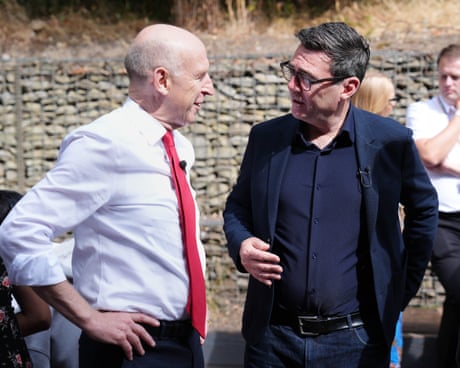
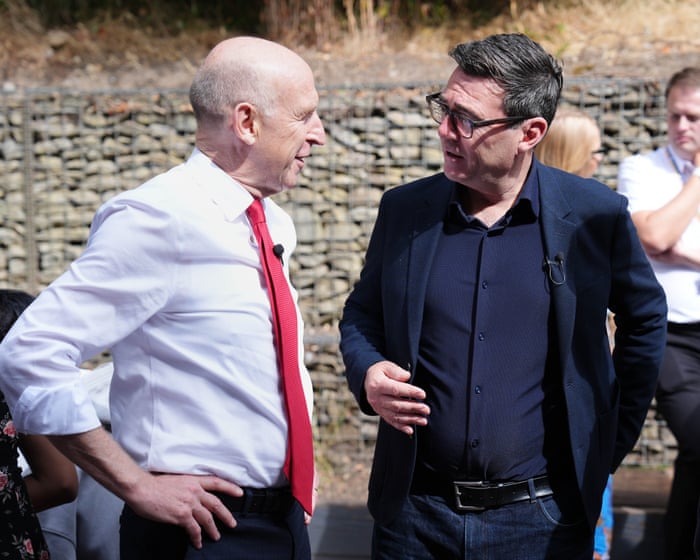
When Andy Burnham made his first speech after returning as an MP, he promised that as prime minister he would oversee “the most significant change moment in our politics for 40 years”. His style, direction and communication has been a big shift from Keir Starmer’s approach, but as he heads into the autumn, the new prime minister faces some very similar problems.
With an early budget in late October, and worsening economic circumstances, Burnham has made promises and commitments that put him in a tight spot. Here are some of the constraints over the coming months that Burnham and the chancellor, John Healey, must contend with in their autumn budget.

 Login
Login