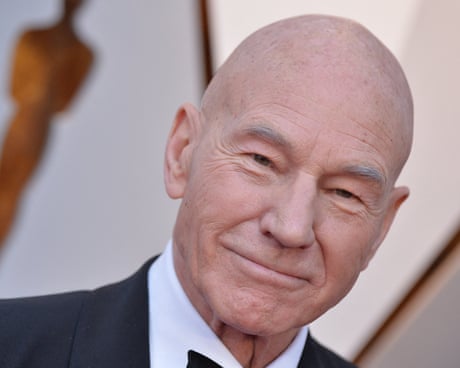
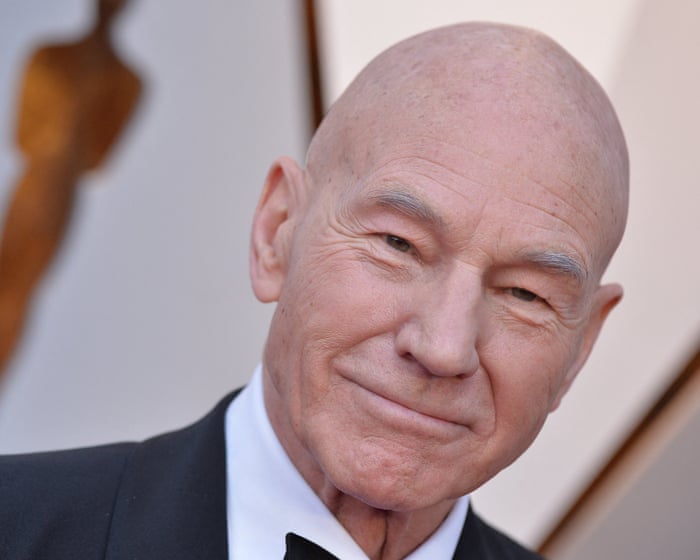
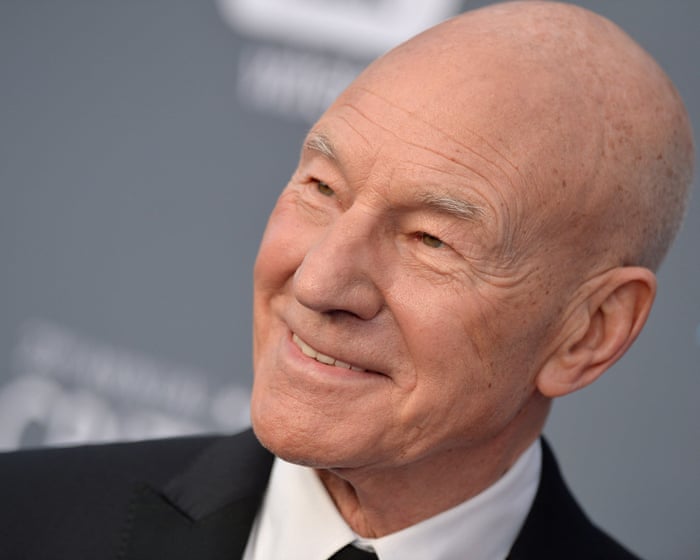
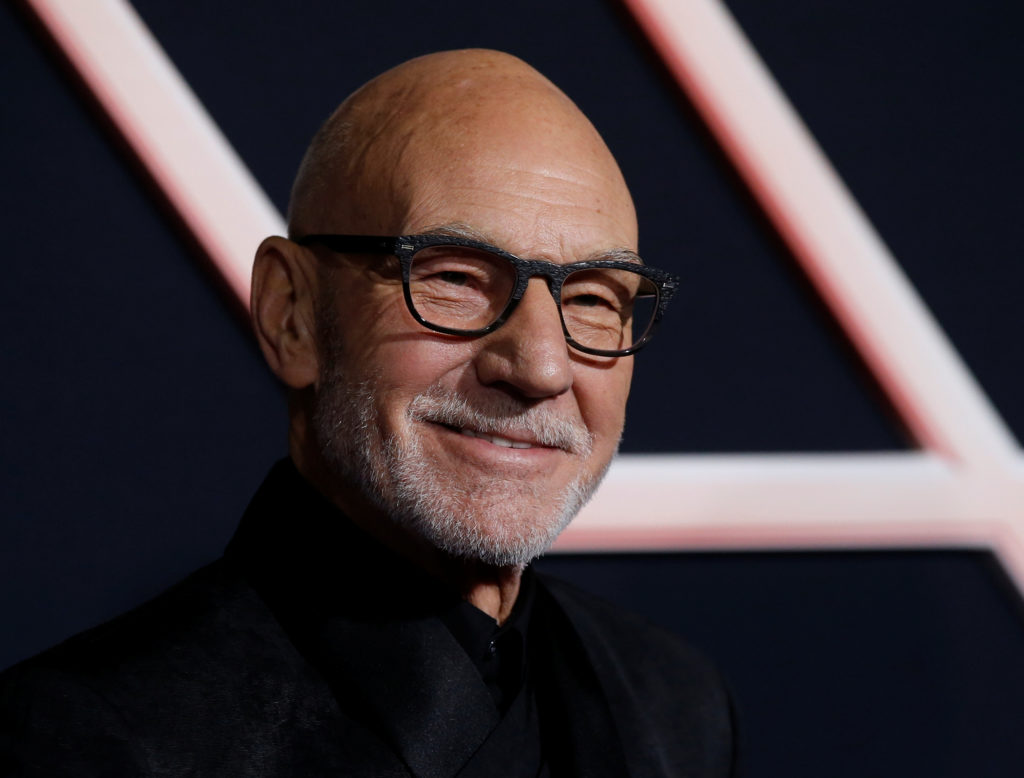
Tributes have poured in for Patrick Stewart, who has died aged 86. The distinguished actor had a long and varied career that began on stage with the Royal Shakespeare Company before going on to global stardom on the screen in the Star Trek and X-Men franchises. Stewart was born in Yorkshire in 1940, and had spoken of a challenging childhood marred by alcoholism and domestic violence – something he campaigned against for much of his life. Lucy Hough speaks to the Guardian film critic Peter Bradshaw
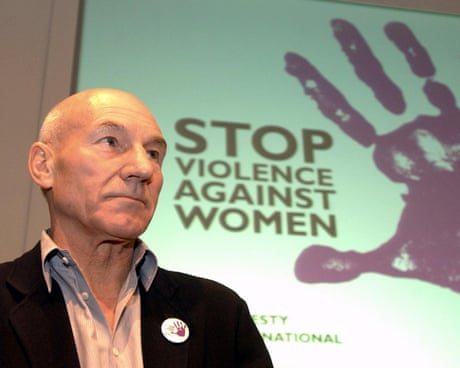
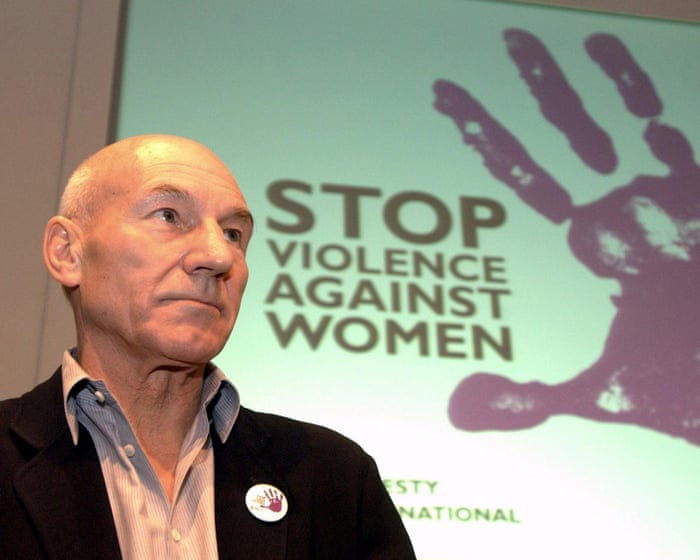
Actor first shared his childhood experiences as part of Amnesty International campaign and became Refuge ambassador
When Patrick Stewart was growing up in the 1940s, he witnessed how, after his father beat his mother, home doctors and ambulance workers would tell her: “You must have done something to provoke him.”
Stewart knew the violence was never warranted, a conviction that became the spark for a lasting commitment to campaigning for greater understanding of domestic abuse.
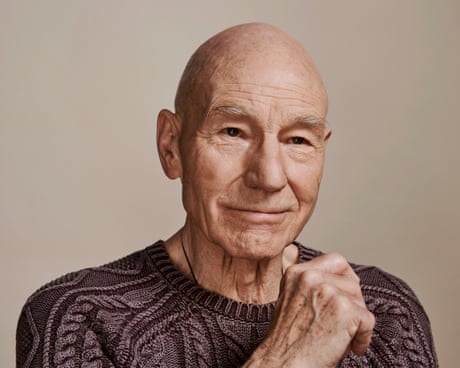
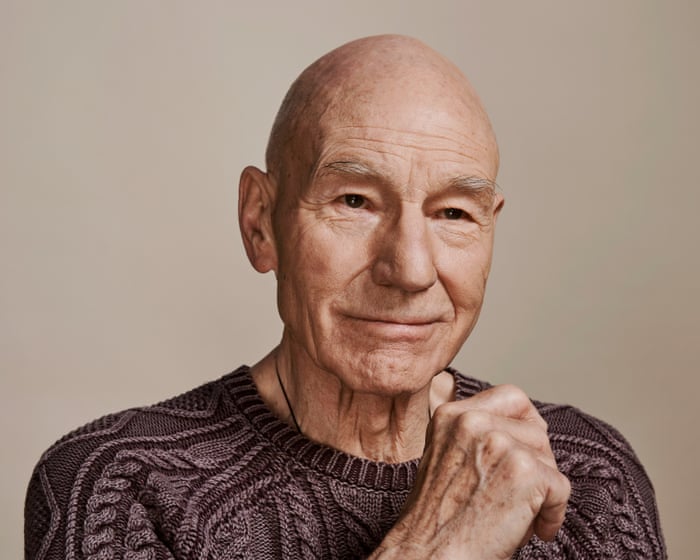
The actor was an exemplary bald star, embracing his hair loss and the freedoms it brought. He didn’t go grey or recede – and he didn’t wear a wig like William Shatner as Captain Kirk
Patrick Stewart managed to be lots of different things at once. He was a towering figure on stage. He was a literal superhero onscreen. And, at times, he wasn’t above sending himself up. It also needs to be said that he was a bald man.
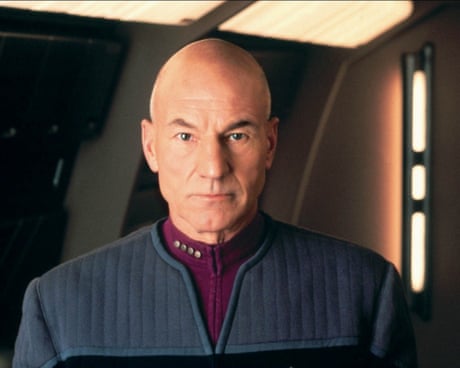
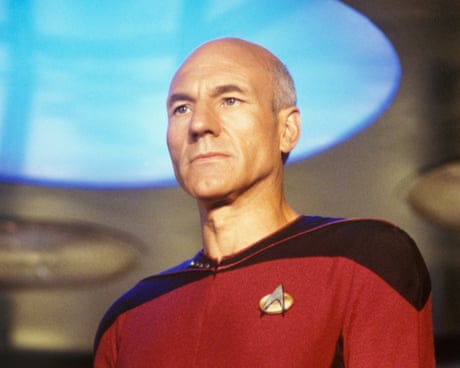
And a pioneering one at that. Nowhere was this more clear than during his stint on Star Trek: The Next Generation. Previously, Star Trek had been a kind of space-set action show, where the relentlessly virile Captain Kirk would beam down to new planets to either punch or get off with all the aliens there. But then came its successor, and Kirk was replaced by a nonviolent intellectual called Jean-Luc. Worse still, he didn’t have any hair. What a sign of weakness.
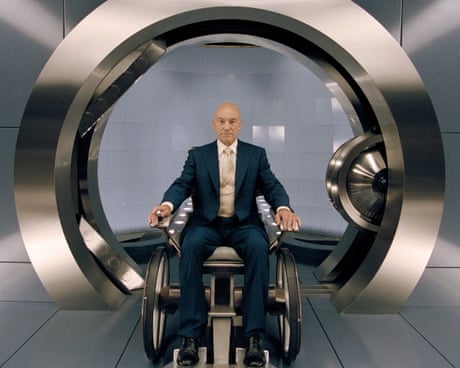
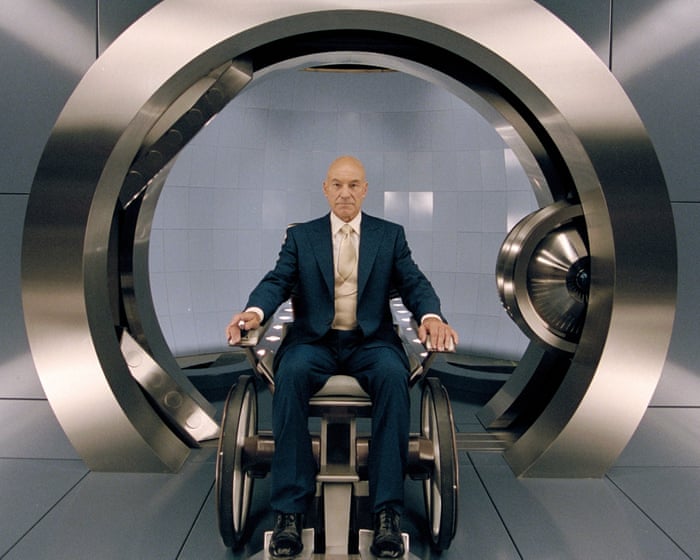
The Yorkshire born actor was with the Royal Shakespeare Company for 16 years. Stewart became a global star when, aged 47, he was cast as a Capt Jean-Luc Picard in Star Trek: the Next Generation, the 1980s live-action reboot of the classic 1960s sci-fi TV series. In 2000 he played Professor Charles Xavier in the X-Men for the first time, a role to which he would repeatedly return.
As Jean-Luc Picard in seven seasons, four films and a sequel, Stewart made us believe the most interesting person in the room might also be the most humane
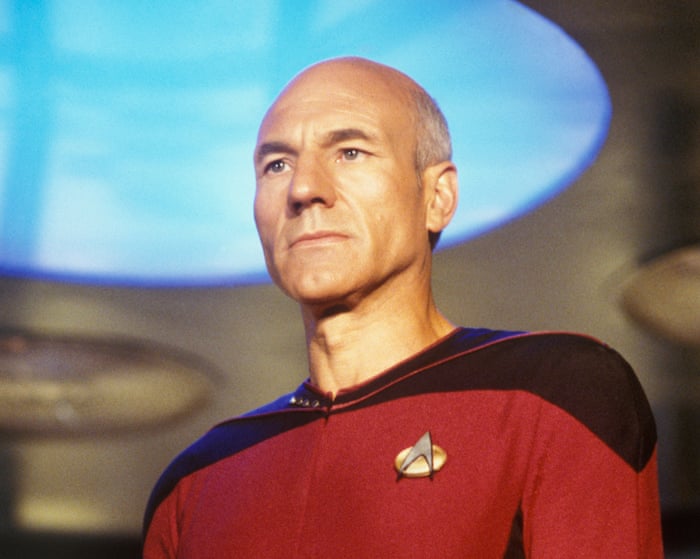
What might humanity look like in 400 years’ time if we really do become wiser and more compassionate with each passing decade? The creators of Star Trek: The Next Generation clearly felt the answer closely resembled Patrick Stewart, who has died aged 86 after a short illness. Their decision may well have opened up an entirely new future for Gene Roddenberry’s enduring, resolutely utopian space saga.
Prior to the casting of the classically trained Yorkshireman in 1987, Star Trek was best known for the interplay between William Shatner’s charismatic, impulsive Captain Kirk and Leonard Nimoy’s drily logical Spock. Stewart brought something of both men to the captain’s chair as Jean-Luc Picard, combining analytical rigour with a depth of feeling his imposing formality could never quite conceal.
Downing Street has paid tribute to Patrick Stewart following the actor’s death. At the daily lobby briefing, the PM’s spokesperson gave a comment that was a bit more extensive than the usual No 10 contribution when a great British celebrity dies. The spokesperson said that was because Andy Burnham feels strongly about the importance of actors.
The spokesperson said:
The prime minister was very sad to hear of the passing of Sir Patrick Stewart.
As a former culture secretary he knows how much Britain’s greatest actors mean to the country, and Sir Patrick was one of the very best.
Just a reminder that when it comes to Wales, we are not comparing like with like. The term ‘region’ in an English context typically refers to an area covering between 1.5 and 3 million people. In Wales, regions cover much less dense areas. The Swansea Bay city region captures some 700,000 people, and similarly North Wales around 690,000 people. In Mid-Wales sheep outnumber people by 7:1. Only the Cardiff city region is comparable to English tiers, and even then at the lower end: around 1.5 million people.
Transposing an English mayoral worldview onto a very different political geography just doesn’t work. Wales may be a similar population size to the PM’s old manor but that’s where the parallel ends.
Andy Burnham talks about the regions of England and Wales interchangeably but the role the new prime minister champions for metro mayors is, in many respects, already performed by the Welsh government. Powers over skills, employment support, economic development, housing investment and major spending programmes sit at an all-Wales strategic level (covering a similar population size to Greater Manchester.)
His argument for England is that powers should flow from Westminster to city regions because they operate at an economically meaningful scale. Yet when the PM turns to Wales, he seems to suggest that powers already devolved to Cardiff Bay should be dispersed further down the system.
But notably he is not calling on his successor as the mayor of Greater Manchester, Bev Craig, to fragment the powers of the Greater Manchester combined authority and redistribute them amongst its ten constituent councils. On the contrary, the whole logic of the Greater Manchester model rests on concentrating strategic authority at a regional level.
Yet the implication of his comments is that Wales should move in the opposite direction.
From Jean-Luc Picard to Charles Xavier, the actor’s Shakespearean training – and that sonorous voice – made him a unique charismatic force in Hollywood
No actor showed the commercial potential of blue-chip British classical training like Patrick Stewart. With style, technique and the most minutely self-aware, almost vaudevillian sense of mimicry, Shakespearean thesps can turn their hand to American movies and high-end American television and show the American method actors how it’s done – sometimes, even, at the beginning of their screen careers, at a competitively low wage.
Stewart was one of the thoroughbreds of the Royal Shakespeare Company’s 1970s stage generation who had also had classy small screen roles, such as his intimidating Sejanus in I, Claudius opposite Derek Jacobi. But he effected a warp-speed leap to pop culture stardom by getting the role of Jean-Luc Picard, captain of the Federation starship USS Enterprise, in TV’s Star Trek: The Next Generation, the hugely successful reboot of Star Trek that ran from 1987 to 1994, spawning four separate feature films and then another series, Star Trek: Picard.
Patrick Stewart, the acclaimed British stage and screen actor renowned for both Shakespeare and sci-fi, has died. He was 86.
The Star Trek: the Next Generation and X-Men star died on Wednesday at his home in Los Angeles after “a brief and poignant journey with Alzheimer’s disease and Lewy body dementia”, said Kelly Bush Novak, his longtime spokesperson, to the Hollywood Reporter.

 Login