Reading view

North Carolina teenager dies from rare infection caused by brain-eating amoeba

Naegleria fowleri is commonly found in warm freshwater, and if it enters through the nose, can cause brain damage

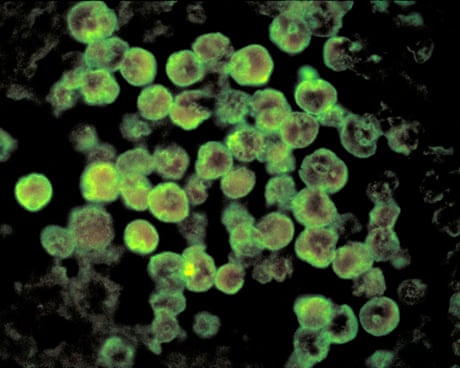
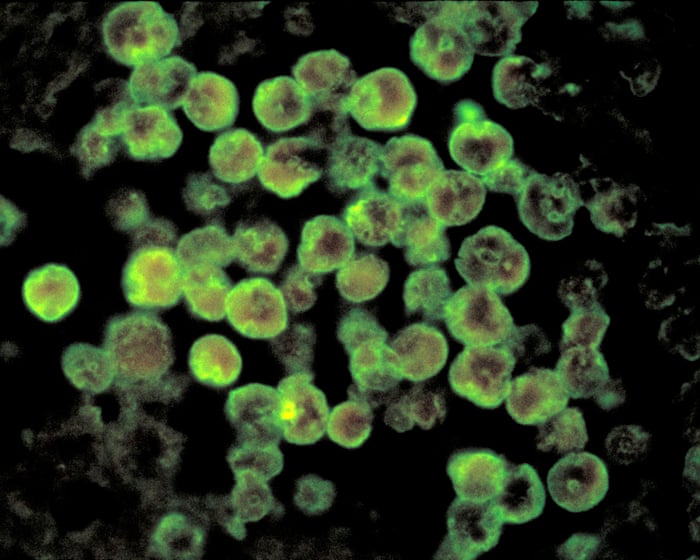
A North Carolina teenager has died after contracting a rare and often fatal brain-eating amoeba.

The state’s health department (NCDHHS) confirmed the boy’s death on Monday, saying: “NCDHHS has been informed that the teen who developed a rare illness, caused by Naegleria fowleri died on Aug. 31, 2026. We extend our condolences to the family, friends and community impacted by this loss.”

Continue reading...
© Photograph: CDC/Reuters
© Photograph: CDC/Reuters
© Photograph: CDC/Reuters
  •  

North Carolina teenager dies from rare infection caused by brain-eating amoeba

Naegleria fowleri is commonly found in warm freshwater, and if it enters through the nose, can cause brain damage

A North Carolina teenager has died after contracting a rare and often fatal brain-eating amoeba.

The state’s health department (NCDHHS) confirmed the boy’s death on Monday, saying: “NCDHHS has been informed that the teen who developed a rare illness, caused by Naegleria fowleri died on Aug. 31, 2026. We extend our condolences to the family, friends and community impacted by this loss.”

Continue reading...

© Photograph: CDC/Reuters

© Photograph: CDC/Reuters

© Photograph: CDC/Reuters
  •  

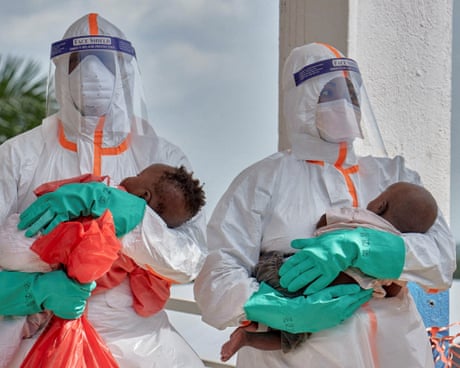
‘Behind every case, a person’: the man leading DRC’s Ebola fight on the human cost hidden behind the numbers

Prof Pierre Akilimali, who heads DR Congo’s response to an outbreak that has so far killed more than 2,700 people, says tackling the disease requires trust and respect

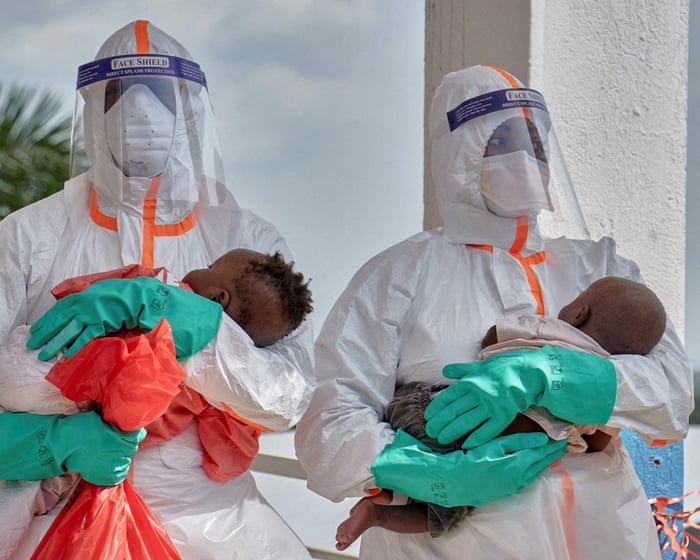
The statistics, says the man responsible for overseeing the Ebola response in the Democratic Republic of the Congo (DRC), are meaningless. That it is now the largest outbreak, the most deadly strain, that 100 days have passed, that the death rates keep climbing, says Prof Pierre Akilimali, should never detract from the human tragedies at the centre of this virus.

“It is behind those numbers that matters; it is the father, the child, the loved relative. Behind every case is a person and behind every person is a family. For us Congolese, we hold on to that as we work.”

Continue reading...

© Photograph: Gradel Muyisa Mumbere/Reuters

© Photograph: Gradel Muyisa Mumbere/Reuters

© Photograph: Gradel Muyisa Mumbere/Reuters

  •  

Mpox is back – and in new countries. How can this outbreak be contained?

The public health emergencies in 2022 and 2024 saw the virus reported in 145 countries, but in the new cases children appear particularly affected

A fresh outbreak of mpox in Guinea Bissau – the country’s first – means the virus formerly known as monkey pox is back in the headlines. So what has changed?

Since 2022, there have been almost 190,000 lab-confirmed cases of mpox reported worldwide in 145 countries. Before then, outbreaks of mpox tended to be relatively small and in a handful of African countries, where the viral infection was known to be endemic.

Continue reading...

© Photograph: Tchandrou Nitanga/AFP/Getty Images

© Photograph: Tchandrou Nitanga/AFP/Getty Images

© Photograph: Tchandrou Nitanga/AFP/Getty Images

  •  
❌