Reading view

Iceland’s close ties with EU mean no vote is not a Brexit-style rejection

A yes to membership would have given Brussels a boost but Icelanders have not voted to isolate themselves

Iceland’s 52.8% to 47.2% vote against reopening EU accession talks is, undeniably, a blow for Brussels. But claiming it as a Brexit-style victory for “national sovereignty” or evidence of broad rejection of the EU misrepresents the reality of the island’s relationship with the bloc.

For the EU, Iceland was a dream candidate: small, stable, prosperous and strategically located in an increasingly contested Arctic. Eager as it is to wield more geopolitical clout and revive flagging momentum around enlargement, a vote in favour would have given Brussels a very welcome boost.

Continue reading...

© Photograph: Marco Di Marco/AP

© Photograph: Marco Di Marco/AP

© Photograph: Marco Di Marco/AP

  •  

Iceland’s close ties with EU mean no vote is not a Brexit-style rejection

A yes to membership would have given Brussels a boost but Icelanders have not voted to isolate themselves

Iceland’s 52.8% to 47.2% vote against reopening EU accession talks is, undeniably, a blow for Brussels. But claiming it as a Brexit-style victory for “national sovereignty” or evidence of broad rejection of the EU misrepresents the reality of the island’s relationship with the bloc.

For the EU, Iceland was a dream candidate: small, stable, prosperous and strategically located in an increasingly contested Arctic. Eager as it is to wield more geopolitical clout and revive flagging momentum around enlargement, a vote in favour would have given Brussels a very welcome boost.

Continue reading...

© Photograph: Marco Di Marco/AP

© Photograph: Marco Di Marco/AP

© Photograph: Marco Di Marco/AP

  •  

Definitely no or maybe yes: what tipped the Icelandic referendum | Miranda Bryant

The no campaign was well-funded and accused of scaremongering, but the wording of the question may also have made a difference

It was always going to be a close contest. But on the night, the figures showed just how divided Iceland was on the issue of whether or not to restart negotiations with the European Union.

After a nail-biting overnight count, the well-funded no campaign rejoiced on Sunday morning as the broadcaster RUV declared it the winner with about 52.8% of the vote. Given the size of Iceland’s population – barely 400,000 – the margins were tiny.

Continue reading...

© Photograph: Marco Di Marco/AP

© Photograph: Marco Di Marco/AP

© Photograph: Marco Di Marco/AP

  •  

Definitely no or maybe yes: what tipped the Icelandic referendum | Miranda Bryant

The no campaign was well-funded and accused of scaremongering, but the wording of the question may also have made a difference

It was always going to be a close contest. But on the night, the figures showed just how divided Iceland was on the issue of whether or not to restart negotiations with the European Union.

After a nail-biting overnight count, the well-funded no campaign rejoiced on Sunday morning as the broadcaster RUV declared it the winner with about 52.8% of the vote. Given the size of Iceland’s population – barely 400,000 – the margins were tiny.

Continue reading...

© Photograph: Marco Di Marco/AP

© Photograph: Marco Di Marco/AP

© Photograph: Marco Di Marco/AP

  •  

Iceland rejects EU accession talks after divisive referendum campaign

Well-funded no camp prevails, winning 52.8% of votes and gaining plaudits from Eurosceptic figures across Europe

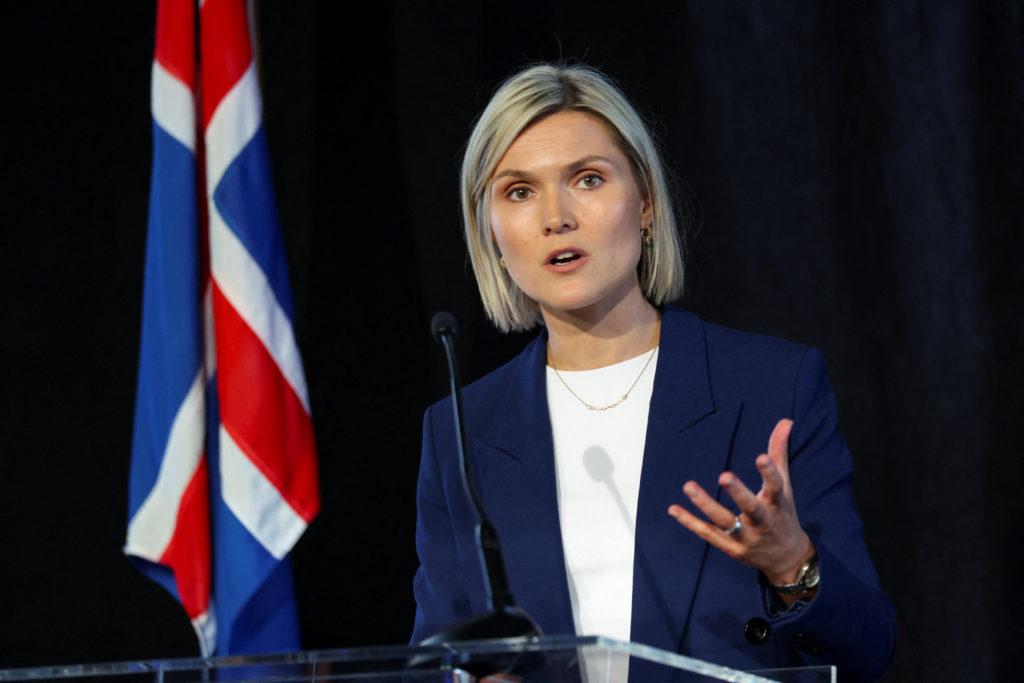
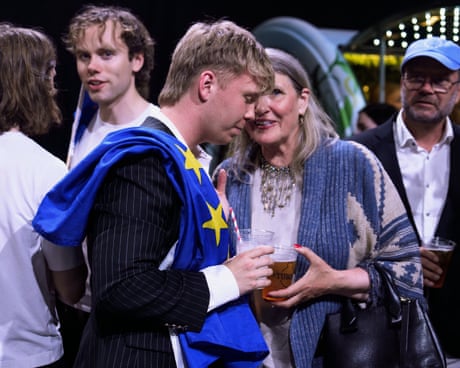
Voters in Iceland have ⁠rejected ⁠a government proposal ​to reopen ⁠accession talks with ⁠the ​EU after a closely fought referendum campaign that divided the country against a backdrop of global volatility.

After a long and anxious night for those on both sides of the debate, the no camp ended up with 52.8% of votes on Sunday morning and the yes camp with 47.2%. Voter turnout was high at 82.5%.

Continue reading...

© Photograph: Marco Di Marco/AP

© Photograph: Marco Di Marco/AP

© Photograph: Marco Di Marco/AP
  •  

Iceland rejects EU accession talks after divisive referendum campaign

Well-funded no camp prevails, winning 52.8% of votes and gaining plaudits from Eurosceptic figures across Europe

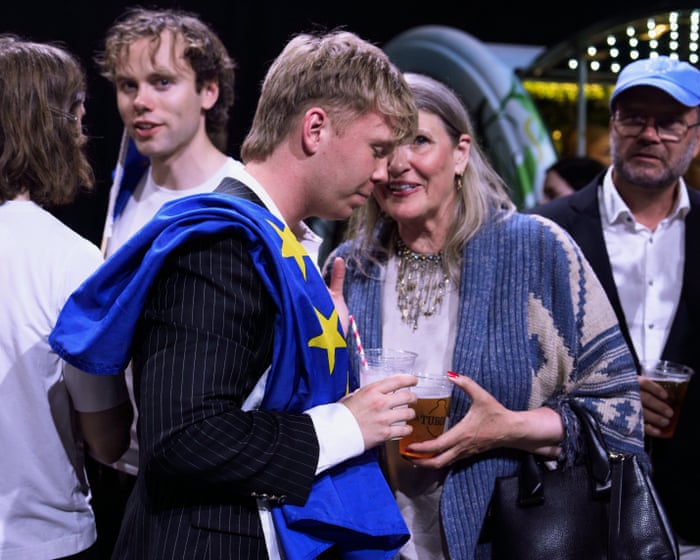
Voters in Iceland have ⁠rejected ⁠a government proposal ​to reopen ⁠accession talks with ⁠the ​EU after a closely fought referendum campaign that divided the country against a backdrop of global volatility.

After a long and anxious night for those on both sides of the debate, the no camp ended up with 52.8% of votes on Sunday morning and the yes camp with 47.2%. Voter turnout was high at 82.5%.

Continue reading...

© Photograph: Marco Di Marco/AP

© Photograph: Marco Di Marco/AP

© Photograph: Marco Di Marco/AP
  •  

Sovereignty, farming and fishing: Iceland votes on its future with the EU

Country holds a knife-edge referendum that cuts across political divides on taking step closer to Brussels after Trump threats towards Greenland

For a long time, the prospect of becoming the third generation to run his family farm was an exciting one, says Davíð Clausen Pétursson.

Icelandic farmers were starting to get higher prices for their meat and milk, debt was no longer an occupational prerequisite and innovation was on the rise.

Continue reading...

© Photograph: Sigga Ella/The Guardian

© Photograph: Sigga Ella/The Guardian

© Photograph: Sigga Ella/The Guardian

  •  

Icelanders Are Voting on E.U. Membership Talks. Here’s What to Know.

The Nordic nation is holding a referendum on Saturday on whether to start membership talks with the European Union. Voters are divided.

© Marco Di Marco/Associated Press

A rally opposing the resumption of talks to join the European Union in Reykjavik, Iceland, on Thursday. The banner reads “no” in Icelandic.
  •  

Why Iceland and Others Might Want In, Not Out, of the E.U. Club

A few years ago, some feared the European Union was going out of style. Now Iceland is mulling membership alongside a long list of candidates.

© Jonathan Nackstrand/Agence France-Presse — Getty Images

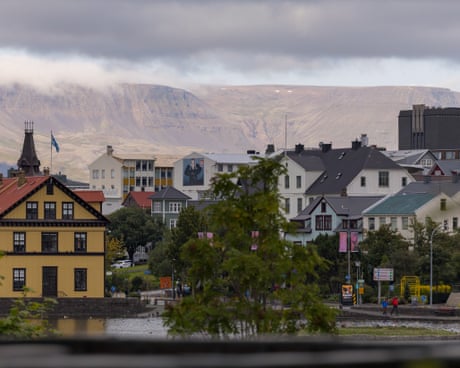
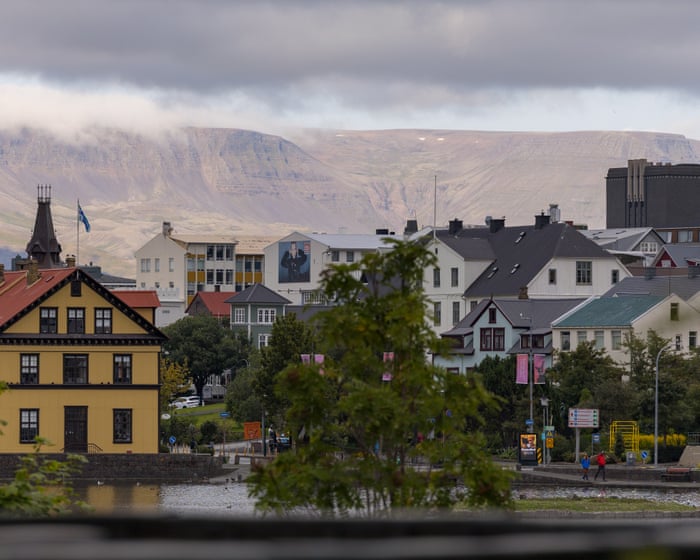
Reykjavik, Iceland’s capital. A vote on Saturday will determine whether the country restarts talks to join the European Union.
  •  
❌