❌

Reading view

Forget water features – a tiny pond will bring wildlife to your garden

You might think ponds are complicated things with liners, but you can make one from a washing-up bowl

Do you remember the 90s, when everyone was obsessed with “water features”, mostly thanks to Charlie Dimmock? A simpler time. Perhaps I’m hanging out with the wrong garden designers, but I rarely hear much talk of water features now. For years, Chelsea flower show gardens have featured subtle Cor-Ten steel-clad trickles or elegant mirrored ponds. There have been a fair few naturalistic streams (such as A Rewilding Britain Landscape by Lulu Urquhart and Adam Hunt, with beaver-gnawed twigs, which controversially won best in show in 2022), but scant fountains or burbling rocks. Water features are out, I guess. Ponds are in.

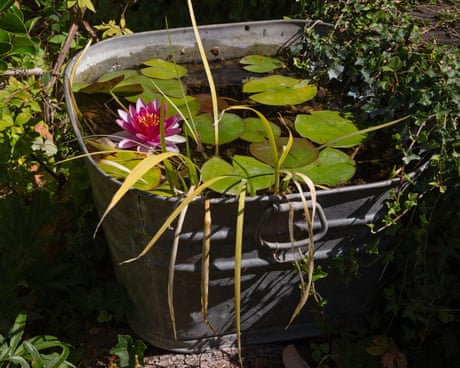
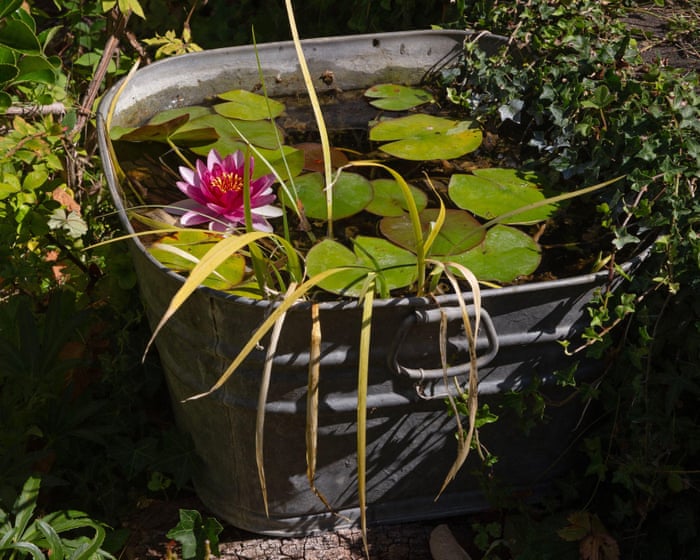
My mum built one the other day. Hers is smaller than a piece of A3, lined with rocks and terracotta seedling pots, with two metal ducks stuck around the edge in a boggy bit of her compact urban garden. You might hear “pond” and think complicated things involving liner and algae, but you could make one from a washing-up bowl – and there are plenty of benefits to doing so.

Continue reading...
© Photograph: nigel FRANCIS/Alamy
© Photograph: nigel FRANCIS/Alamy
© Photograph: nigel FRANCIS/Alamy

  •  

Greener front gardens could help combat air pollution and summer heat

Scientists call for incentives to preserve vegetation as study highlights benefits of plentiful planting in London

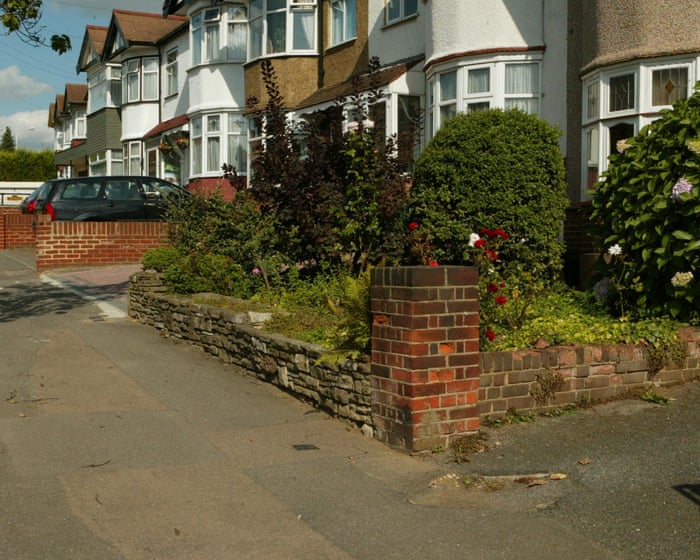
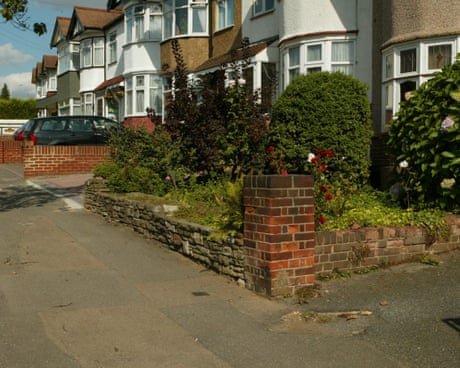
Your front garden could be a first line of defence against air pollution, according to a year-long field study in two London neighbourhoods.

The UK’s 26m gardens cover nearly 5% of the country’s land area, but they account for a much larger share in urban areas. In Greater London, domestic gardens cover 41% of the city, compared with 27% of Cardiff and 23% of Edinburgh.

Continue reading...

© Photograph: Graham Turner/The Guardian

© Photograph: Graham Turner/The Guardian

© Photograph: Graham Turner/The Guardian

  •  

Allotmentcore: why everyone is dressing like Barbara in The Good Life

Clogs, chore jackets, straw hats and woven baskets are the look of the season. But are the brands and people embracing this aesthetic really doing any gardening?

Lately, it feels like you can’t move for clogs. Everywhere you look, it’s straw hats, dungarees, floaty dresses, chore jackets and basket bags – and that’s in city centres, not garden centres. This is the rise of “allotmentcore” – somewhere between the linen-clad luxury of the “coastal grandmother” and the whimsical outdoorsiness of “cottagecore” – and it’s coming for all of our autumns.

“I’d describe it as Little House on the Prairie meets Felicity Kendal in The Good Life, meets Bill and Ben,” says Mal James, professor of fashion design at the University of Edinburgh. “With the overall style of an imaginary love child of Monty Don and Pamela Anderson, the reinvented queen of garden chic.” It’s true that Anderson – once most famous for sporting a high-leg red swimsuit – has more recently become a pioneer of the allotmentcore style, living “romantically” in midi dresses and bandanas, frequently clutching floral bouquets. Popular brands include the family-run Carrier Company from Norfolk, Danish designers Skall Studio and Welsh-founded lifestyle label Toast. As online fashion publication Who What Wear put it: “If it looks like you’re ready to sport a pair of pruning shears at any moment, you’ve got the look right.”

Continue reading...

© Photograph: taken from picture library

© Photograph: taken from picture library

© Photograph: taken from picture library

  •  

Snail ate your mail? Why gastropods munch paper – and how to stop them

In wet weather, garden snails can seek shelter in letterboxes – and find a feast there waiting for them

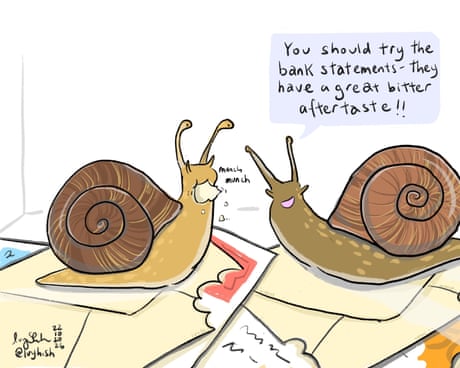
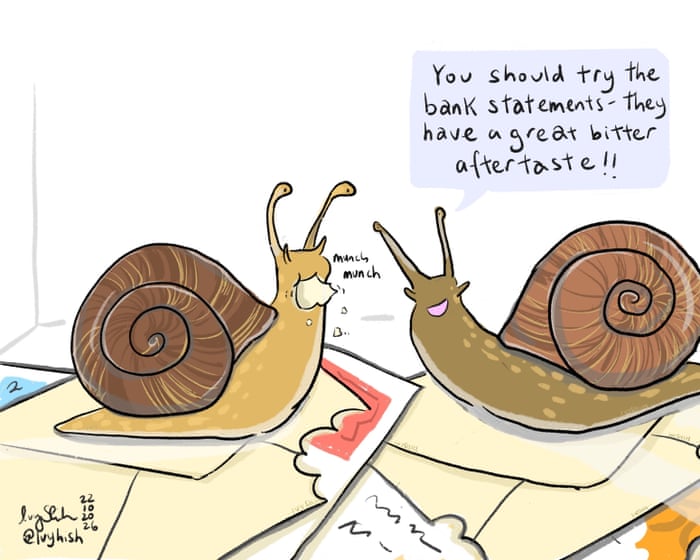
We’ve all heard of snail mail – a term popularised since the advent of electronic mail – but who knew that snails eat mail?

We have it on good authority from the ecologist Simon Mustoe – who said snails ate his letter from Sir David Attenborough – a BBC report announcing the closure of a Northumberland Royal Mail postbox because of snails “munching the mail”, and desperate people on the forums of the Australian hardware chain Bunnings claiming snails have “a real appetite for postal letters” and can “eat a whole letter in two days”.

Continue reading...

© Illustration: Ivy Shih/Australian Museum

© Illustration: Ivy Shih/Australian Museum

© Illustration: Ivy Shih/Australian Museum

  •  
❌