Login

Forget water features – a tiny pond will bring wildlife to your garden
You might think ponds are complicated things with liners, but you can make one from a washing-up bowl
Do you remember the 90s, when everyone was obsessed with “water features”, mostly thanks to Charlie Dimmock? A simpler time. Perhaps I’m hanging out with the wrong garden designers, but I rarely hear much talk of water features now. For years, Chelsea flower show gardens have featured subtle Cor-Ten steel-clad trickles or elegant mirrored ponds. There have been a fair few naturalistic streams (such as A Rewilding Britain Landscape by Lulu Urquhart and Adam Hunt, with beaver-gnawed twigs, which controversially won best in show in 2022), but scant fountains or burbling rocks. Water features are out, I guess. Ponds are in.
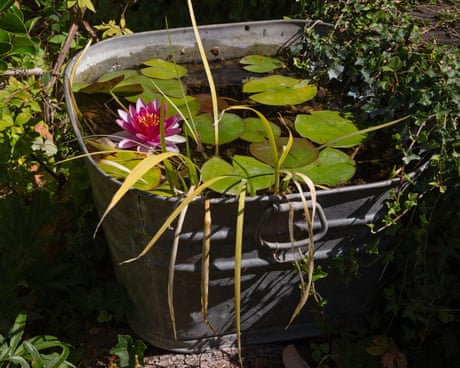
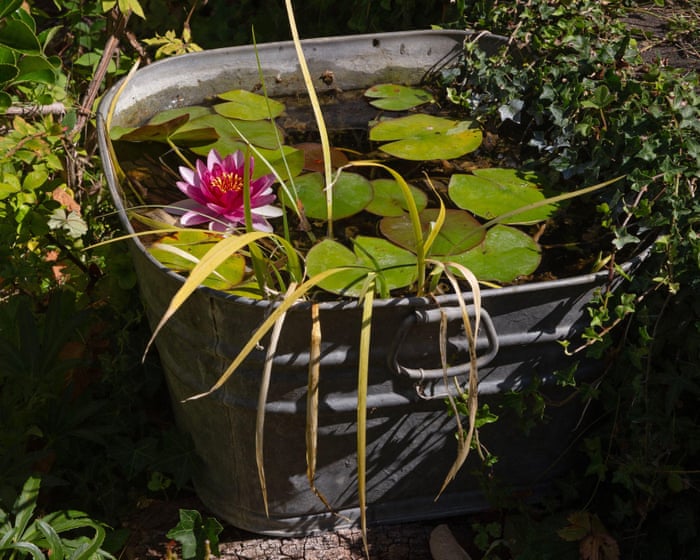
My mum built one the other day. Hers is smaller than a piece of A3, lined with rocks and terracotta seedling pots, with two metal ducks stuck around the edge in a boggy bit of her compact urban garden. You might hear “pond” and think complicated things involving liner and algae, but you could make one from a washing-up bowl – and there are plenty of benefits to doing so.
Continue reading...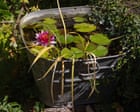
© Photograph: nigel FRANCIS/Alamy
© Photograph: nigel FRANCIS/Alamy
© Photograph: nigel FRANCIS/Alamy