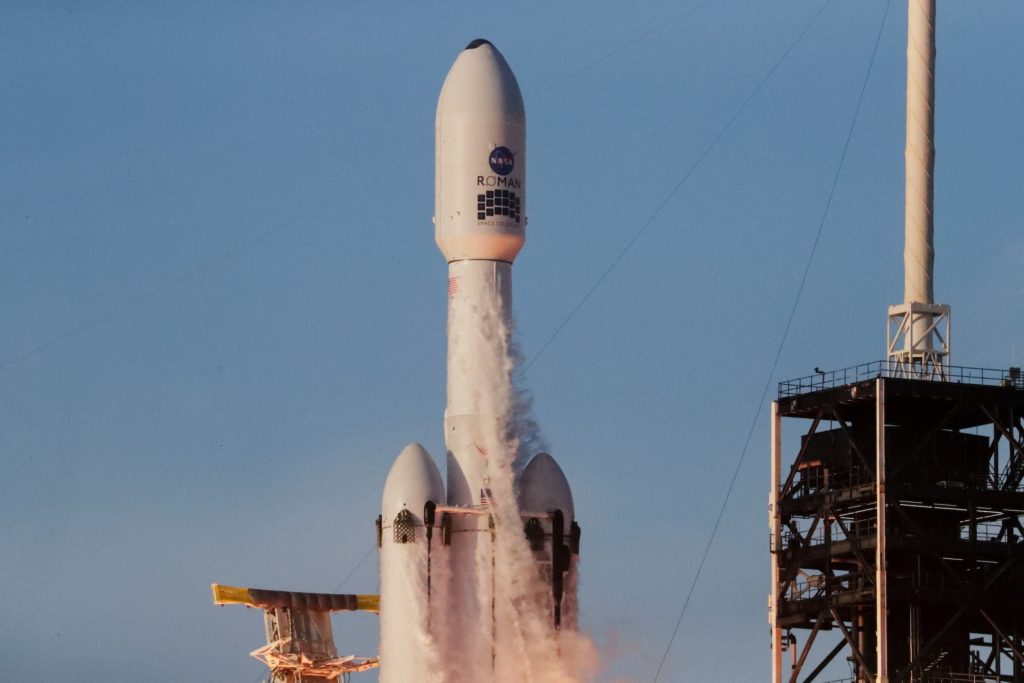
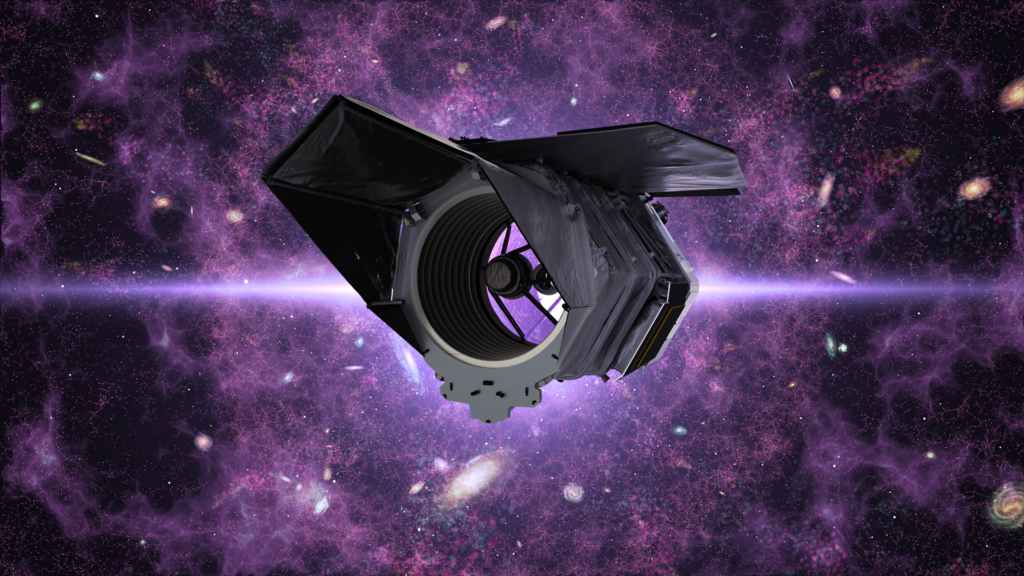
NASA launched its newest space telescope, undertaking its biggest mission yet to study the universe on a much larger scale. A roughly $4 billion project, the Nancy Grace Roman Space Telescope will allow scientists to get panoramic views of space and better understand the nature of powerful forces known as dark energy and dark matter. Miles O'Brien joined Amna Nawaz to discuss more.
Since it was stripped of planetary status, Pluto’s defenders have been fighting the decision – and they’re only getting more passionate
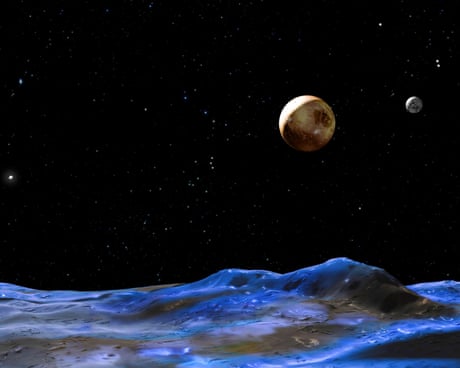
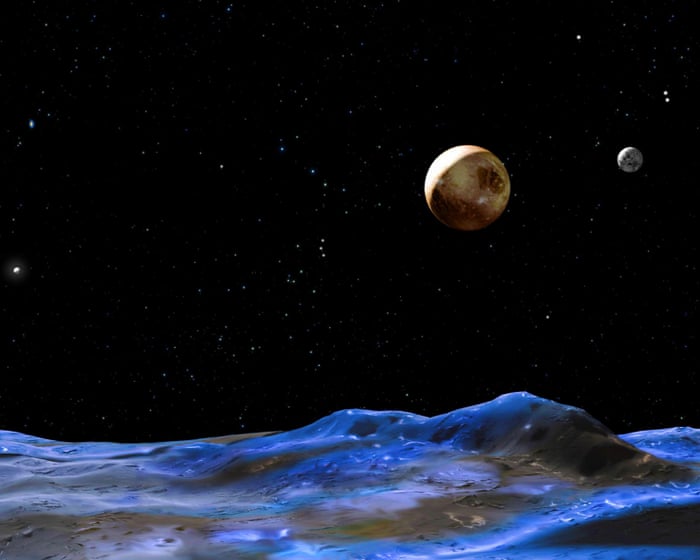
Twenty years ago, Pluto got demoted. After a vote by the International Astronomical Union (IAU) in August 2006, Pluto was relegated from major planet to dwarf planet status. Our solar system dropped from nine planets to eight. At the time, many scientists were unhappy with the decision. Two decades on, the debate is, if anything, even more polarised.
“The definition of a planet they created, you can’t use it at all,” says Philip Metzger, the director of the Stephen W Hawking Centre for Microgravity Research and Education at the University of Central Florida. “It makes the definition of a planet completely non-useful in science.”
Searching for exoplanets and clues on planet formation, the Roman telescope begins million-mile journey from Florida launchpad
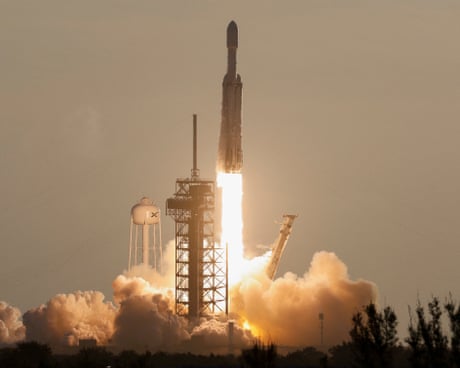
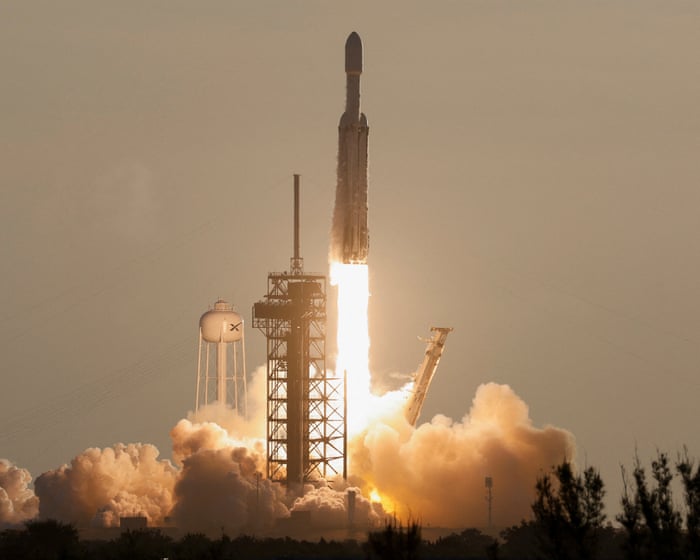
A $4.3bn space telescope that Donald Trump tried to kill has lifted off from Florida as Nasa embarks on the next stage of its quest to unlock the secrets of the universe.
The Nancy Grace Roman space telescope survived two rounds of proposed White House budget cuts, and began a million-mile journey into deep space from a launchpad at the Kennedy Space Center on Sunday morning. .
Searching for exoplanets and clues on planet formation, the Roman telescope begins million-mile journey from Florida launchpad
A $4.3bn space telescope that Donald Trump tried to kill has lifted off from Florida as Nasa embarks on the next stage of its quest to unlock the secrets of the universe.
The Nancy Grace Roman space telescope survived two rounds of proposed White House budget cuts, and began a million-mile journey into deep space from a launchpad at the Kennedy Space Center on Sunday morning. .
NASA plans to soon launch a new space telescope that will survey a billion galaxies to trace how the universe evolved over time, all courtesy of America's spy program and decades of research into detector technology. Once in position, it will take data that astronomers hope will help answer some of the field's most puzzling questions.
NASA’s latest offering to the stars comes from a legacy of great observatories that enabled decades of discovery and unearthed new mysteries about the universe.
Inspecting the surface of the Nancy Grace Roman Space Telescope’s primary mirror. It will join the Hubble, James Webb and other space observatories when it launches from Cape Canaveral on Sunday.
Moon gazers in South America and the eastern half of North America will be able to see an entire eclipse on Thursday night as long as clouds don’t interfere.

 Login
Login